 Instalab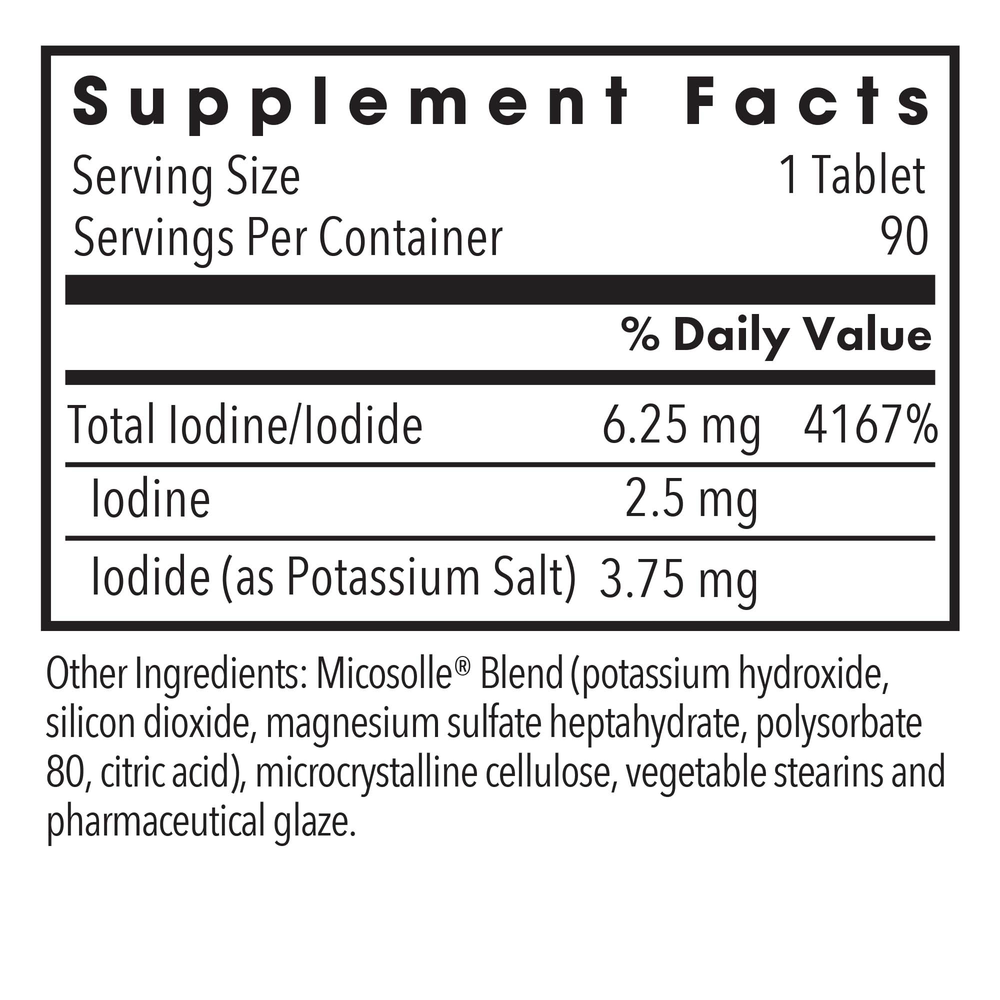

Allergy Research Group
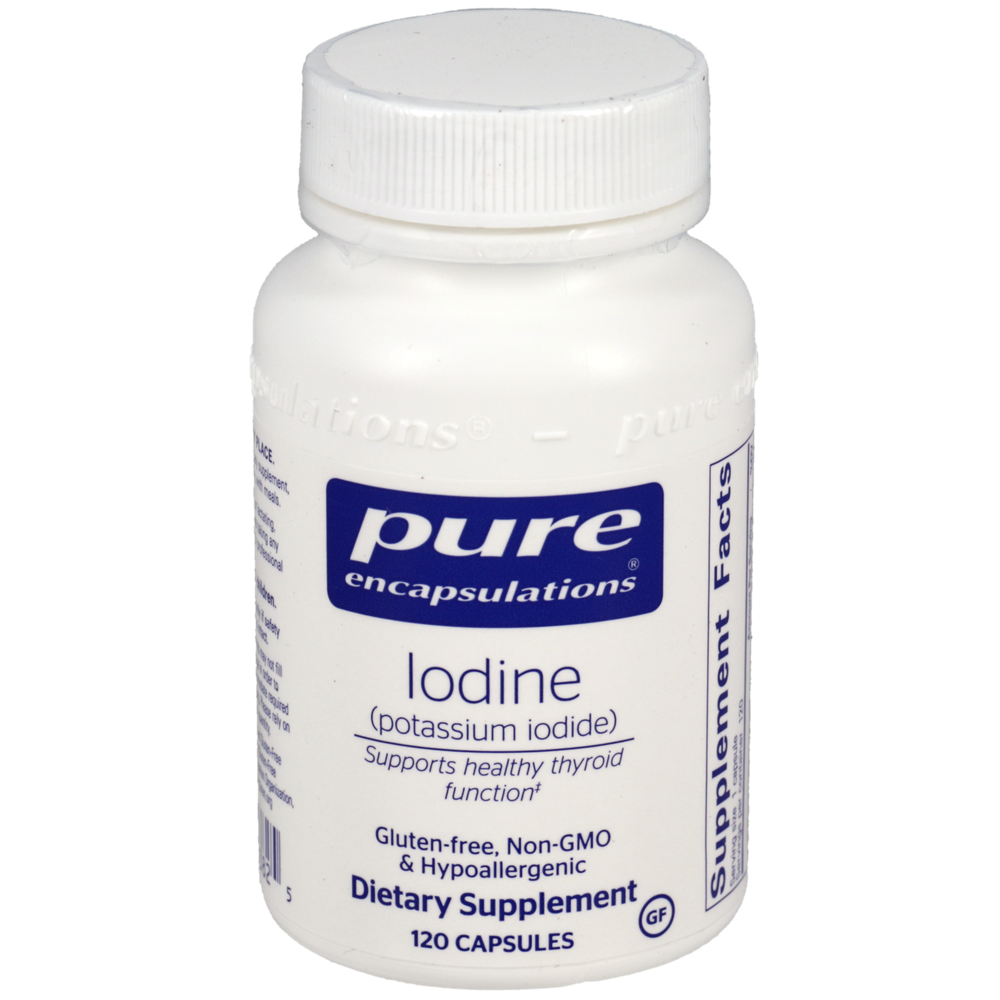
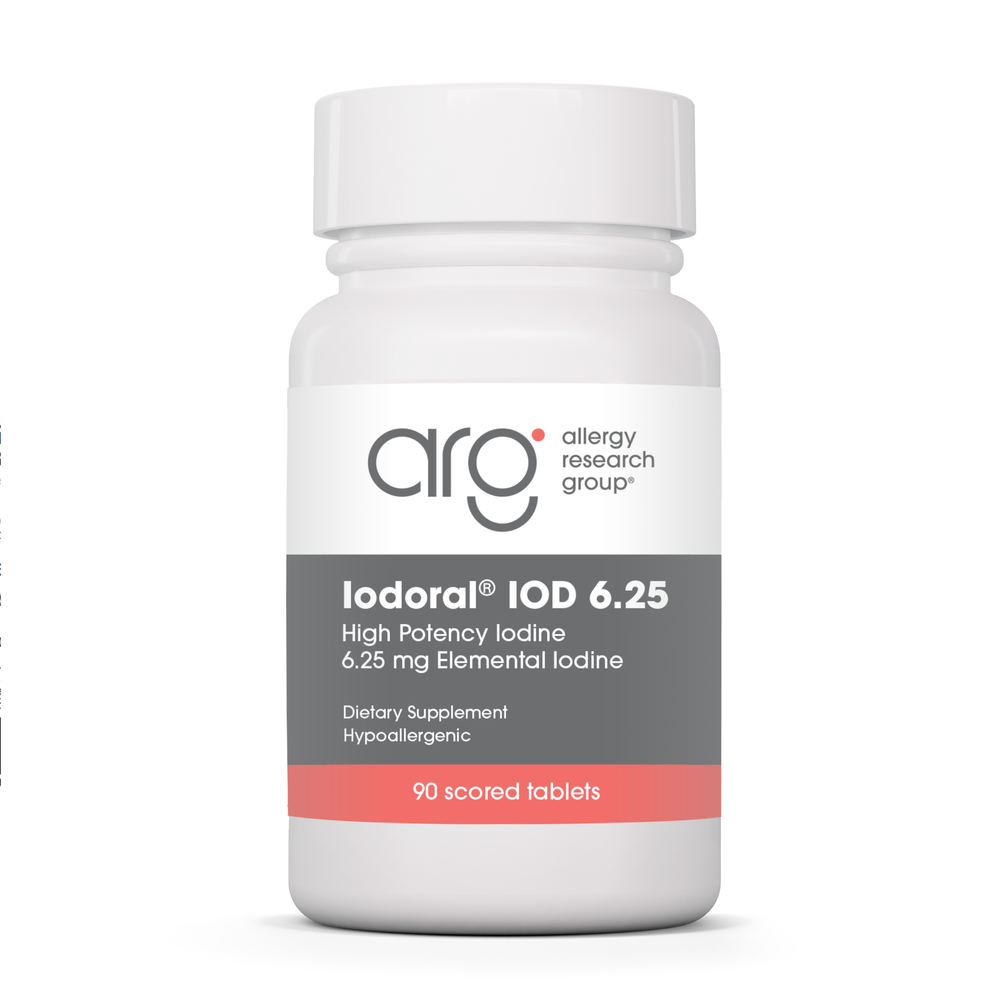
Iodoral 6.25mg by Allergy Research Group
90 tablets · 90-day supply
Essential Iodine Support for Thyroid Health and Metabolism$28.99
Purchase options
Practitioner-grade brand3rd-party testedFree shipping $50+
Allergy Research Group Iodoral 6.25mg overview
If you rarely use iodized table salt, avoid dairy, or eat little seafood, you’re a classic low‑intake pattern for iodine. This 6.25 mg tablet is a repletion-level iodine supplement, not a multivitamin sprinkle. It fits adults with low intake who are tracking thyroid labs like TSH (thyroid-stimulating hormone), Free T4, and Free T3, or checking Urinary Iodine to confirm status. It’s also considered in recurrent fibrocystic breast discomfort under clinician guidance.
Your thyroid concentrates iodide to build T4 and T3, the hormones that set metabolic pace. Iodide is added to tyrosine on thyroglobulin (the protein scaffold your thyroid uses to build hormone) by thyroid peroxidase. Too little iodine limits output; too much at once can briefly shut the system down (the Wolff–Chaikoff effect, a short-term safety brake). Clinically, normalizing intake steadies production and can shift TSH and Free T4 within 4 to 8 weeks.
Take one tablet daily with food and a full glass of water to minimize stomach upset or metallic taste. If your diet has been very low in iodine, some clinicians start every other day for 1 to 2 weeks, then move to daily. Recheck TSH, Free T4, and Free T3 within 4 to 8 weeks, or use Urinary Iodine for near-term intake. Many pair iodine with selenium (100–200 mcg) if their Selenium, Serum is low.
Avoid high-dose iodine in pregnancy or breastfeeding unless prescribed; excess can disrupt the baby’s thyroid. Be cautious if you have Hashimoto’s or Graves’ (autoimmune thyroid disease), a multinodular goiter, or a history of iodine-induced hyperthyroidism—coordinate closely with your endocrinologist and monitor TPO antibodies (markers of thyroid autoimmunity). If you take levothyroxine, amiodarone, lithium, or antithyroid drugs, discuss dosing changes and extra lab checks first.
Frequently asked questions
Is 6.25 mg of iodine a lot?
Yes. It’s far above typical daily needs and functions as a repletion dose. It’s useful for confirmed low intake or targeted uses, but it’s not a casual add-on. Monitor TSH, Free T4, and Free T3, and consider Urinary Iodine to confirm you’re in the right range.
How long does iodine take to affect thyroid labs?
Most changes in TSH and Free T4 show up within 4 to 8 weeks. Urinary Iodine reflects recent intake over days. Recheck on a steady dose and diet, ideally at the same time of day for consistency.
Can iodine make Hashimoto’s worse?
It can. High iodine can raise thyroid autoimmunity in susceptible people. If you have Hashimoto’s, involve your clinician, check TPO antibodies, and ensure adequate selenium before considering iodine, or avoid supplemental iodine unless specifically advised.
Can I take iodine with levothyroxine?
Yes, but coordinate with your prescriber. Extra iodine can change your hormone requirement, leading to under- or over-replacement. Plan earlier lab follow-up after starting, stopping, or changing the iodine dose.
Does iodine help fibrocystic breast pain?
Some trials show reduced cyclic breast tenderness with several milligrams of iodine daily. It doesn’t help everyone, and thyroid monitoring is still wise. Discuss with a clinician, especially if you have thyroid disease.
Should I take selenium with iodine?
Often, yes if your Selenium, Serum is low. Selenium supports thyroid enzyme function and may temper autoimmunity. Typical add-on doses are 100–200 mcg daily, avoiding excess. Test first when possible.
What are common iodine side effects?
Metallic taste, mild nausea, or acne can occur early. Thyroid over- or underactivity is the bigger concern at higher doses; watch for palpitations, heat or cold intolerance, fatigue, or neck tenderness and check labs if symptoms appear.
Is iodized salt enough instead of a supplement?
For many people, consistent use of iodized table salt and occasional seafood covers needs. If you use specialty non-iodized salts, avoid dairy, and rarely eat seafood, a supplement or dietary change plus Urinary Iodine testing is reasonable.
How to take it & ingredients
Suggested use: Take 1 tablet per day or as directed by a physician.
Active ingredients
1 tablet per serving · 90 servings
▼
Total Iodine/Iodide
6.25 mg
Iodine
2.5 mg
Iodide
As Potassium Salt
As Potassium Salt
3.75 mg
Other ingredients: Micosolle® Blend (potassium hydroxide, silicon dioxide, magnesium sulfate heptahydrate, polysorbate 80, citric acid), Microcrystalline cellulose, Vegetable stearins, Pharmaceutical glaze
Certifications
Benefits
Warnings