 Instalab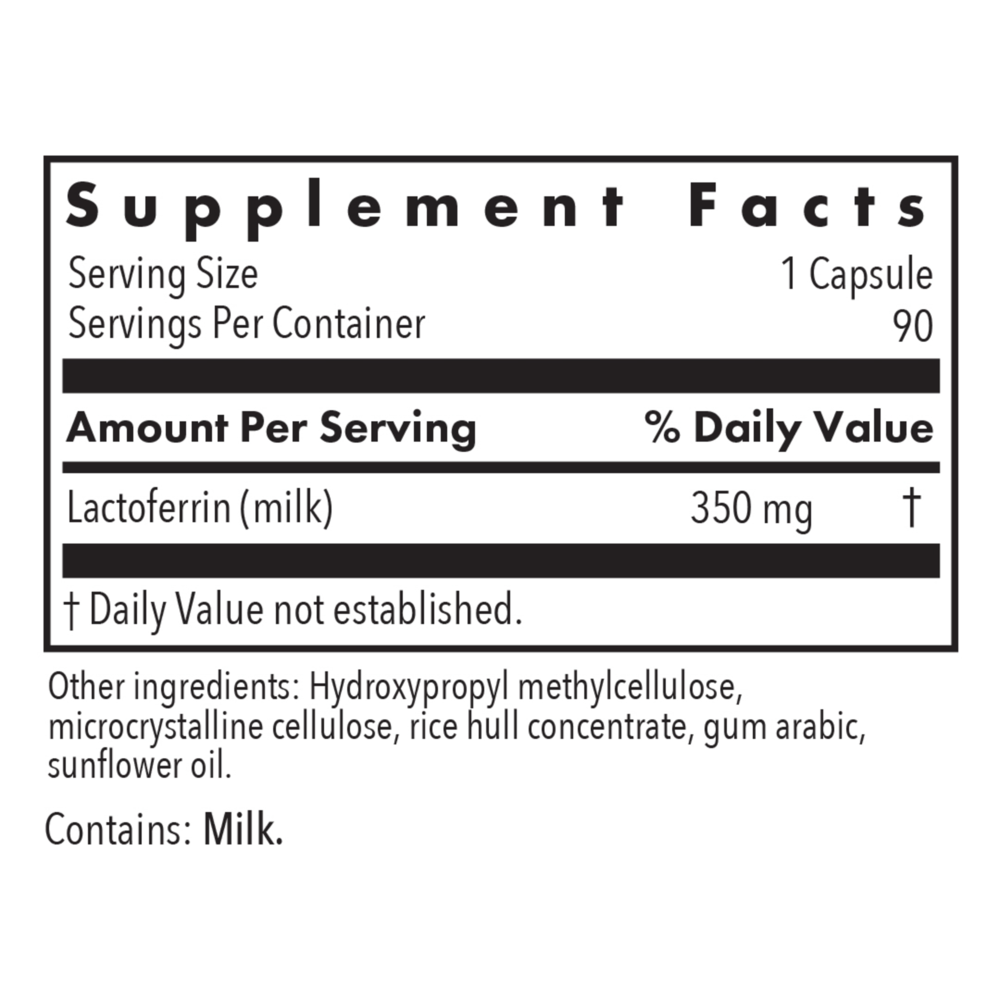

Allergy Research Group
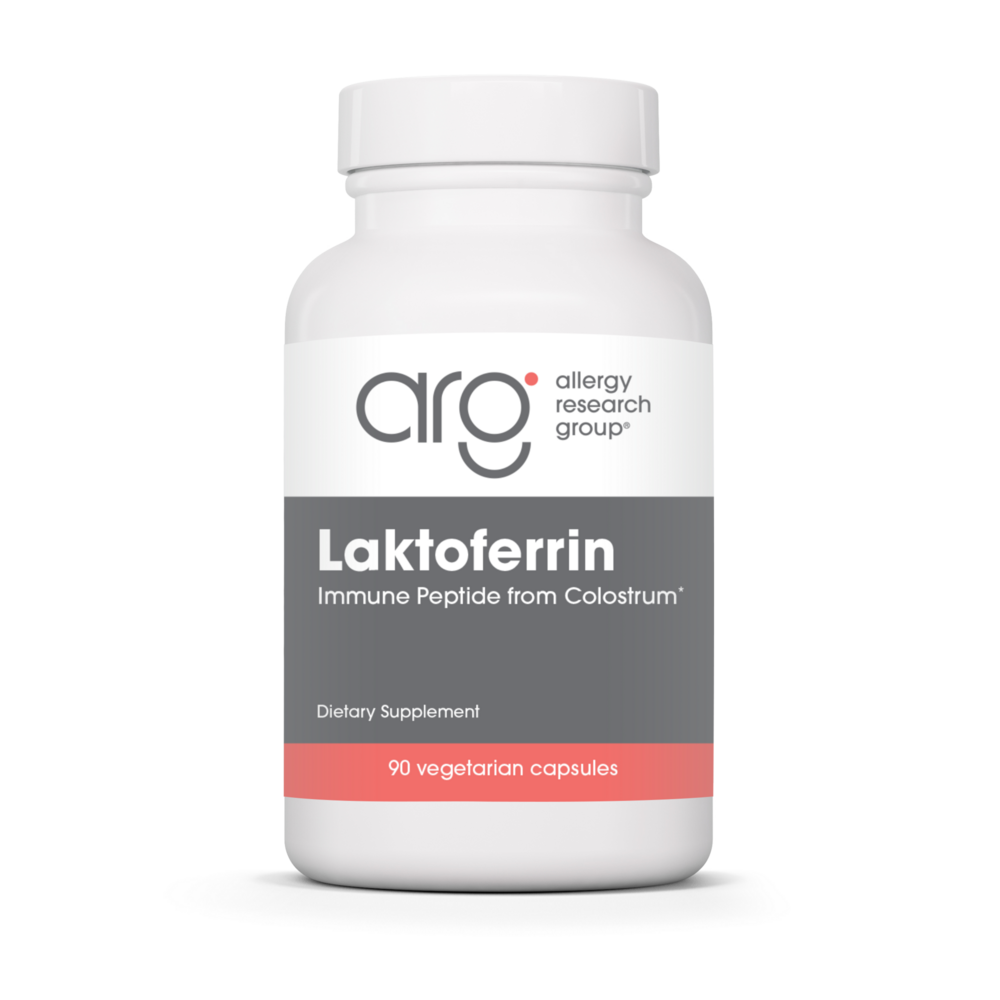
Laktoferrin 350mg by Allergy Research Group
90 capsules · 90-day supply
Support Your Immune System with Lactoferrin for Optimal Health$131.99
Purchase options
Practitioner-grade brand3rd-party testedFree shipping $50+
Allergy Research Group Laktoferrin 350mg overview
If you’re looking up a lactoferrin supplement, you likely fall into one of three camps: you get frequent colds, your iron labs are tricky, or your gut is easily irritated. This protein binds iron tightly, so it’s useful if your Ferritin (your iron storage), Serum Iron, or Transferrin saturation are low-normal and standard iron pills upset your stomach. It also appeals to athletes with low Ferritin, adults with elevated hs-CRP (a general inflammation marker), and people who avoid red meat yet want steadier iron handling without heavy doses of iron salts.
Lactoferrin grabs free iron and escorts it where it’s needed while keeping it away from microbes that thrive on iron. By reducing free iron, it limits oxidative stress (the chemical wear-and-tear from unpaired electrons) and can make the gut environment less friendly to undesirable bacteria. It also nudges immune signaling toward balance, which is why some trials show fewer upper‑respiratory infections and modest drops in hs-CRP. In pregnancy studies, it improved iron indices with fewer digestive side effects than standard iron.
The suggested use is 1 to 3 capsules at night before bed. Many clinicians start at one capsule nightly for a week, then increase based on tolerance and goals. Take it away from iron tablets by at least 2–3 hours; taken separately, lactoferrin often improves iron absorption, but taken together it can bind the dose you just swallowed. Most immune or gut outcomes show within 4 to 12 weeks; iron markers like Ferritin usually follow a similar timeline.
This ingredient is derived from cow’s milk. It contains negligible lactose and casein, but anyone with a true milk-protein allergy should avoid it. If you have a history of organ transplant or you’re on immunosuppressive therapy, discuss it with your specialist. For hemochromatosis or markedly high Ferritin, do not self-treat; work with a clinician and track Ferritin, Transferrin saturation, and CBC. Pregnancy and breastfeeding: safe use has been reported, but make it a shared decision with your obstetric clinician.
Frequently asked questions
What does a lactoferrin supplement actually do?
It binds free iron, helping direct it into use while limiting the iron available to microbes. That lowers oxidative stress and can steady iron labs like Ferritin. It also modulates immune signaling, which is why some people report fewer colds and calmer digestion.
How long does lactoferrin take to work?
Expect 4 to 12 weeks for most measurable changes. Immune-related benefits can appear within the first month in responders. Iron markers such as Ferritin and Transferrin saturation typically shift over one to three months with consistent use and adequate dietary iron.
Can I take lactoferrin with my iron pill?
Yes, but not at the same time. Take lactoferrin and oral iron 2–3 hours apart. Separated dosing often improves iron absorption and tolerance. Taken together, lactoferrin can bind the iron you just swallowed and blunt the intended dose.
Is lactoferrin dairy-free and safe for milk allergies?
It’s purified from cow’s milk and contains minimal lactose and casein. People with lactose intolerance usually tolerate it. Anyone with a true milk-protein allergy should avoid it unless their allergist confirms safety.
Does lactoferrin help acne or oily skin?
Small trials suggest oral lactoferrin can modestly reduce inflammatory acne and oiliness over 8–12 weeks, likely by altering skin oil composition and immune signaling. It’s not a replacement for prescription therapy if acne is moderate to severe.
Are there side effects with lactoferrin?
It’s generally well tolerated. A minority notice transient digestive changes like mild nausea or loose stool during the first week. Serious reactions are rare; stop and seek care if you suspect an allergic response, especially with a known milk allergy.
Is lactoferrin safe in pregnancy or breastfeeding?
Studies in pregnancy have shown improved iron indices with good tolerance, but supplements in pregnancy should be clinician-guided. Share your plan with your obstetric provider and monitor CBC and Ferritin as usual.
Should I take lactoferrin with food or on an empty stomach?
Either is acceptable. Many people take it at night on an empty stomach per the label. If you feel queasy, take it with a small snack. Just separate from iron supplements by a few hours.
How to take it & ingredients
Suggested use: As a dietary supplement, 1 to 3 capsules at night before bed, or as directed by a healthcare practitioner.
Active ingredients
1 capsule per serving · 90 servings
Lactoferrin
Milk
Milk
350 mg
Other ingredients: Hydroxypropyl Methylcellulose, Microcrystalline Cellulose, Rice Hull Concentrate, Gum Arabic, Sunflower Oil
Certifications
Benefits
Warnings
Customers also considered
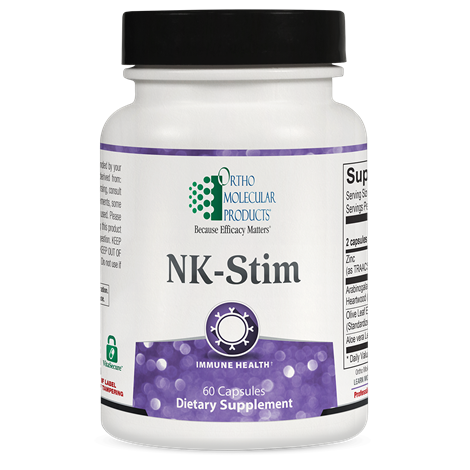
NK-Stim
Ortho Molecular Products
60 capsules
$72.54$65.35 with Subscribe & Save
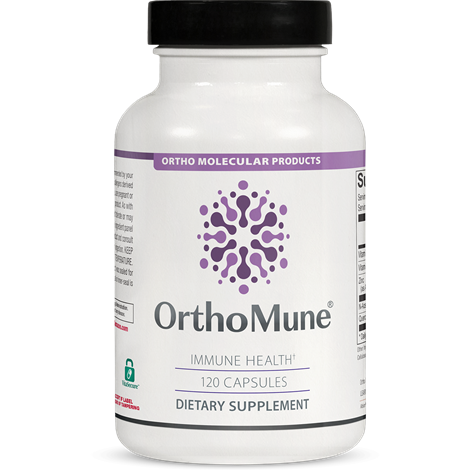
OrthoMune®
Ortho Molecular Products
120 capsules
$67.10$60.45 with Subscribe & Save
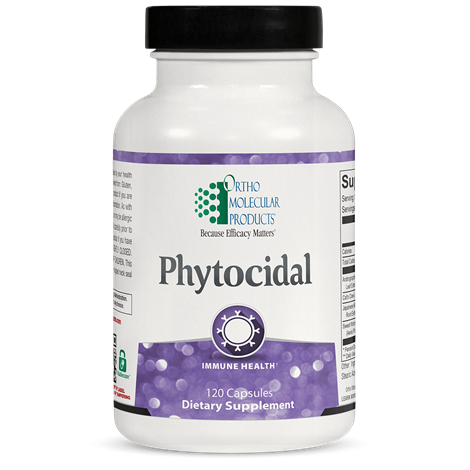
Phytocidal
Ortho Molecular Products
120 capsules
$100.07$90.15 with Subscribe & Save

PureDefense w/Nac
Pure Encapsulations
20 capsules
$19.00$14.99 with Subscribe & Save