 Instalab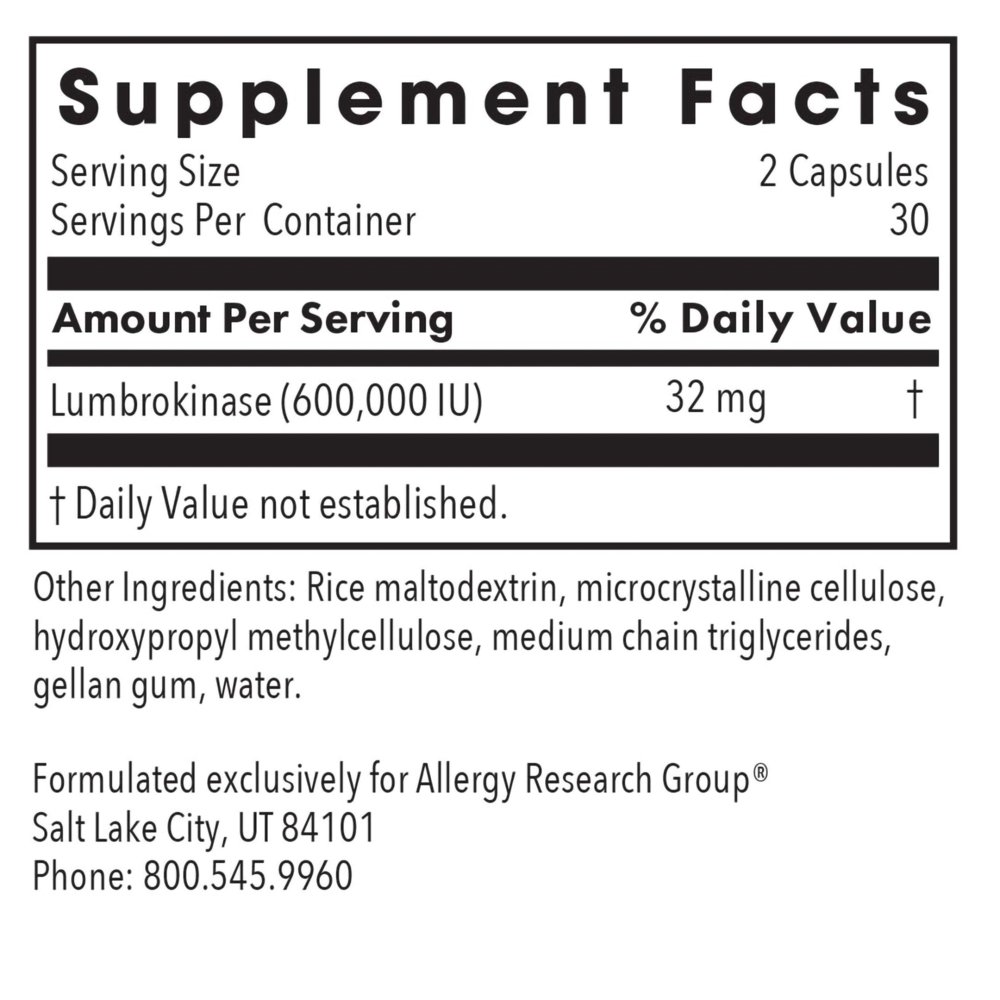


Allergy Research Group
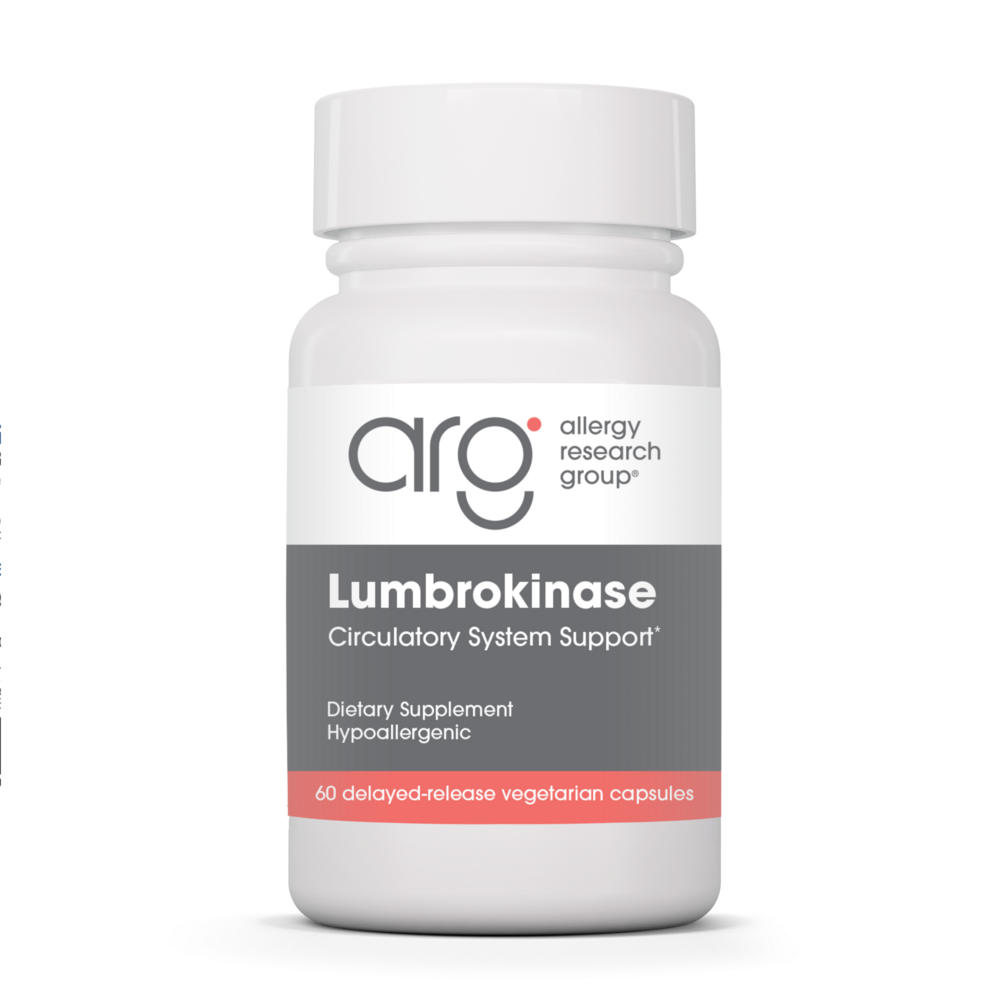
Lumbrokinase Circulatory Systemic Enzymes 32 mg by Allergy Research Group
60 capsules · 30-day supply
Support Healthy Circulation and Enzymatic Function for Overall Wellness$97.99
Purchase options
Practitioner-grade brand3rd-party testedFree shipping $50+
Gluten Free·Soy Free·Dairy Free·Egg Free·Tree Nut Free·Fish Free·
Allergy Research Group Lumbrokinase Circulatory Systemic Enzymes overview
People looking to improve blood flow without prescription drugs ask most about lumbrokinase dosage. This enzyme blend is a fit if your Fibrinogen (the clot-forming protein) runs high, your D-dimer (a fibrin breakdown fragment) stays elevated after illness or travel, or your hs-CRP (an inflammation marker) trends up with a sticky-blood pattern. It is not a replacement for anticoagulant medication, but some use it between long flights or during periods of low activity where sluggish circulation is a concern.
Lumbrokinase is a group of proteolytic enzymes from earthworms that helps degrade fibrin, the mesh that stabilizes clots. By promoting fibrin breakdown, it can modestly lower blood viscosity (how thick blood feels) and reduce platelet stickiness (platelets are the cell fragments that start clots). Compared with nattokinase or serrapeptase, clinicians reach for it when they specifically want fibrin-focused activity. It is a supplement, not a drug for treating active clots or chest pain.
The label suggests 1–2 capsules in the morning, 1–2 in the afternoon, and 2 at bedtime with 8–10 oz of water. Many start with 1 capsule daily for 3–5 days, then build to the intended dose. For a systemic effect, take it away from protein-rich meals when practical, though this formula can be taken with or without food. Recheck Fibrinogen or D-dimer within 4 to 12 weeks to gauge response.
Do not combine with blood thinners like warfarin, apixaban, rivaroxaban, dabigatran, edoxaban, or with antiplatelet drugs such as clopidogrel or high-dose aspirin unless your clinician agrees. Use caution with other blood-affecting supplements (high-dose fish oil, ginkgo, garlic, curcumin, nattokinase). Stop 7–10 days before surgery or dental work. Avoid in pregnancy, breastfeeding, active ulcers, bleeding disorders, or if you are allergic to earthworms.
Frequently asked questions
What is lumbrokinase used for?
It is a systemic enzyme used to promote fibrin breakdown and healthier blood flow. People track Fibrinogen, D-dimer, and sometimes hs-CRP to see if it is moving the needle over several weeks.
What is the best lumbrokinase dosage and timing?
Follow the label or your clinician. Many start low for a few days, then build to divided doses, with a larger dose at bedtime. Taking it away from protein-heavy meals is common for a systemic effect.
How long does lumbrokinase take to work?
If you are a responder, changes in Fibrinogen or D-dimer often show within 4 to 12 weeks. Subjective changes in leg heaviness or post-flight swelling can appear sooner, but confirm with labs.
Can I take lumbrokinase with blood thinners?
Do not take it with prescription anticoagulants or antiplatelet drugs without explicit medical supervision. The combination can raise bleeding risk and complicate dose management.
Should I take lumbrokinase with food or on an empty stomach?
You can take it with or without food per the label. Many clinicians prefer it 1 hour before or 2 hours after meals to emphasize systemic effects rather than digesting meal proteins.
Is lumbrokinase the same as nattokinase or serrapeptase?
They are different enzymes. All are proteolytic, but lumbrokinase is particularly fibrin-focused. Some people respond to one and not the others; lab tracking helps tailor choice.
What side effects should I watch for?
Easy bruising, nosebleeds, or longer bleeding times mean the dose is too high for you. Rarely, stomach upset occurs. Stop before surgery and seek care for any unusual bleeding.
Is lumbrokinase vegetarian or vegan?
No. It is derived from earthworms, so it is not suitable for vegetarians or vegans. If you avoid animal products, discuss alternatives like nattokinase with your clinician.
How to take it & ingredients
Suggested use: As a dietary supplement, 1 or 2 capsules in the morning, 1 or 2 capsules in the afternoon, and 2 capsules at bedtime, or as directed by a healthcare practitioner. Take with 8-10 oz of water, with or without food.
Active ingredients
2 capsules per serving · 30 servings
Lumbrokinase
32 mg
Other ingredients: Rice dextrin, Medium chain triglycerides, Hydroxypropyl methylcellulose, Water, Gellan gum
Certifications
Benefits
Warnings
Customers also considered
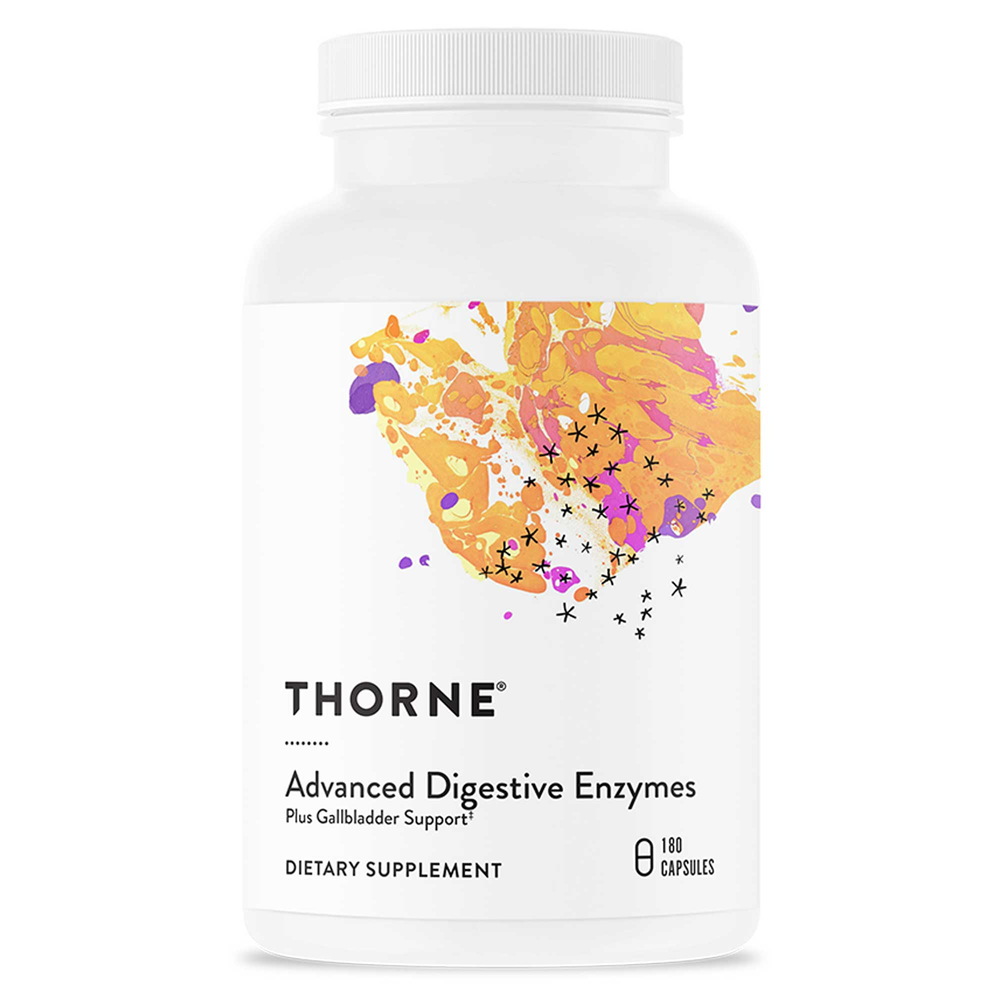
Advanced Digestive Enzymes
Thorne
180 capsules
$56.00$50.40 with Subscribe & Save
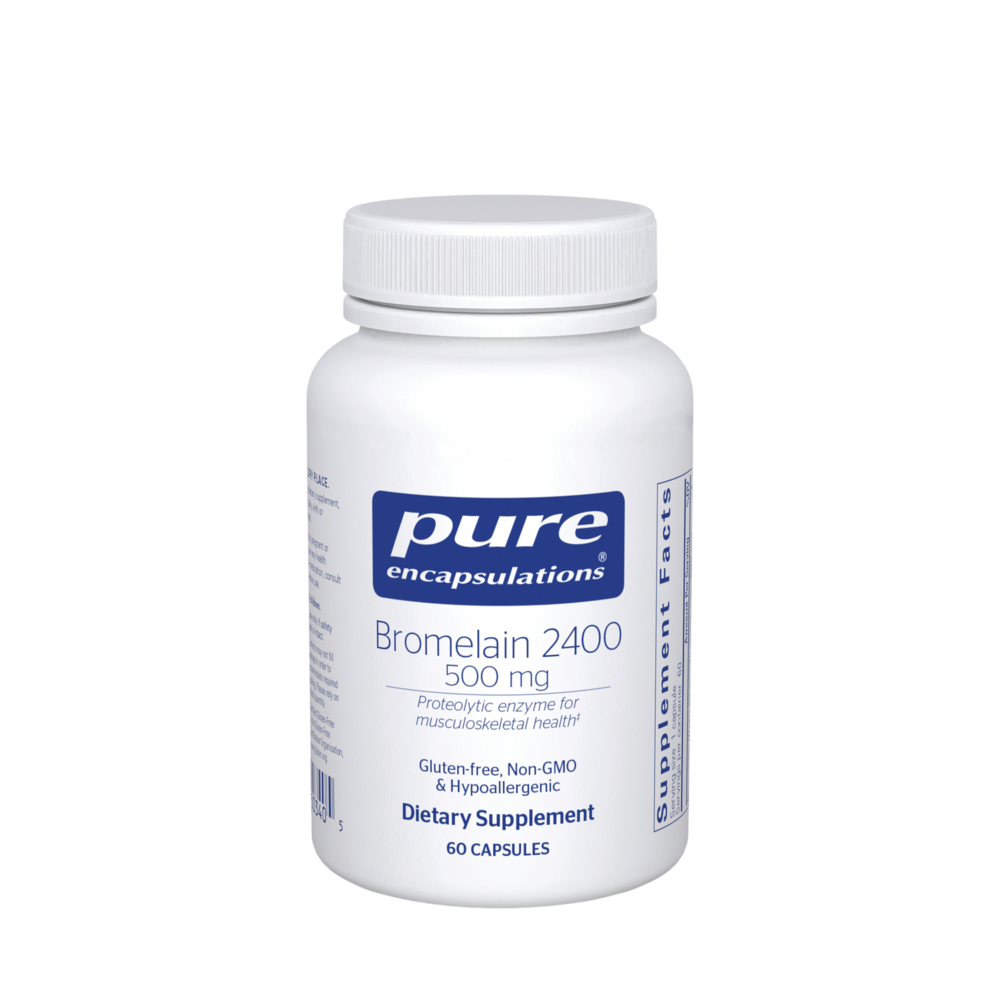
Bromelain 2400 500mg
Pure Encapsulations
60 capsules
$40.00$31.99 with Subscribe & Save
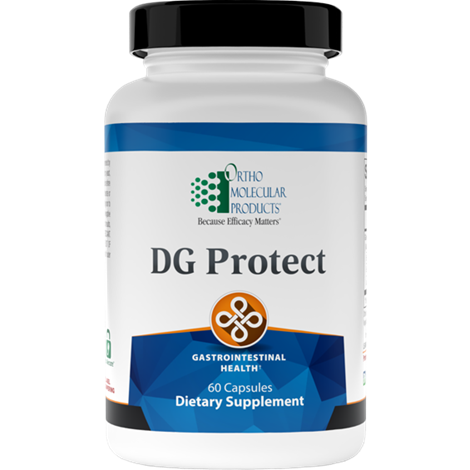
DG Protect
Ortho Molecular Products
60 capsules
$64.44$58.05 with Subscribe & Save
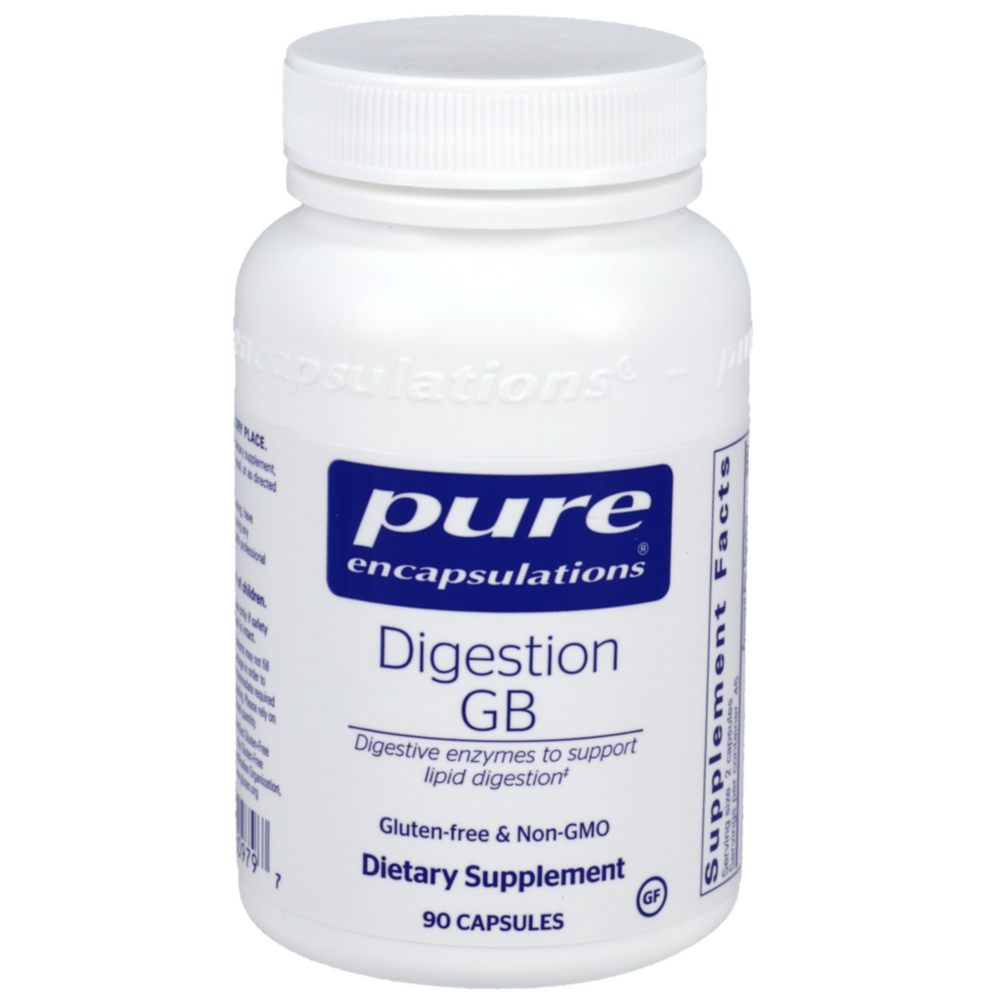
Digestion GB
Pure Encapsulations
90 capsules
$36.50$28.99 with Subscribe & Save