 Instalab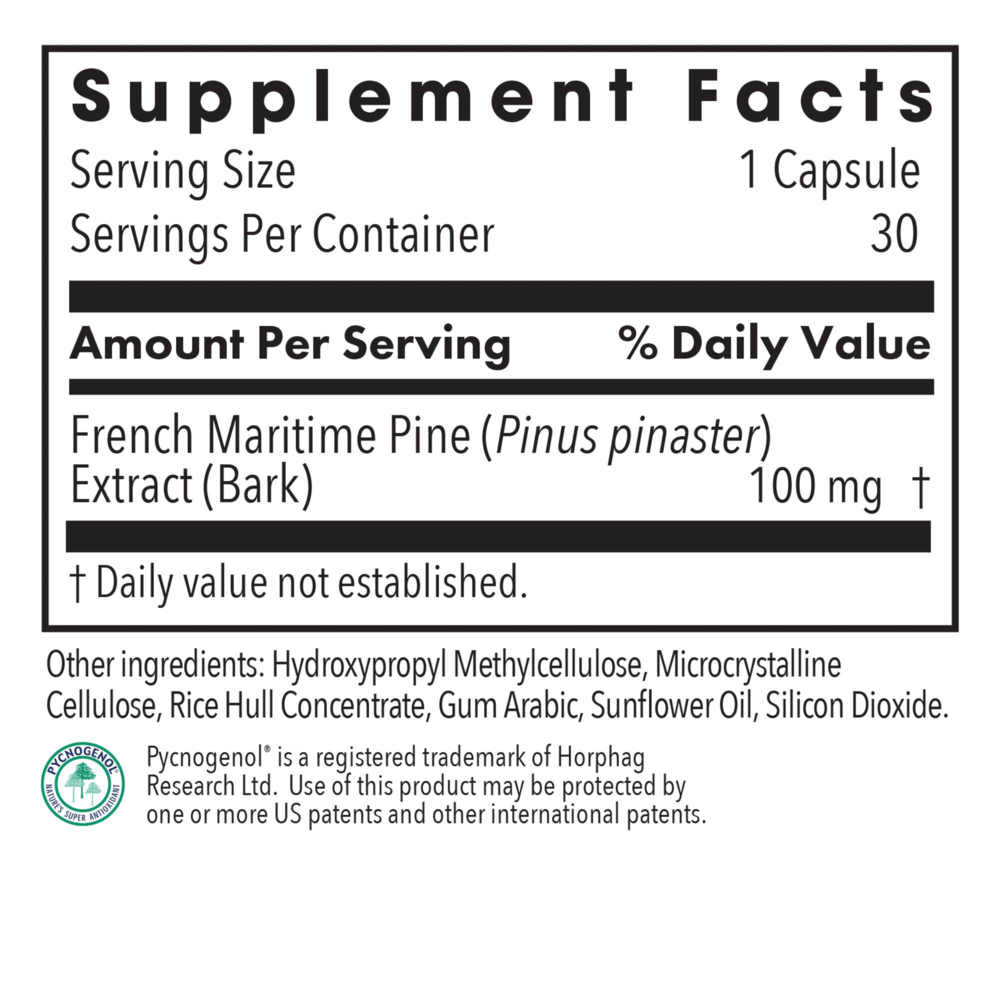
Allergy Research Group
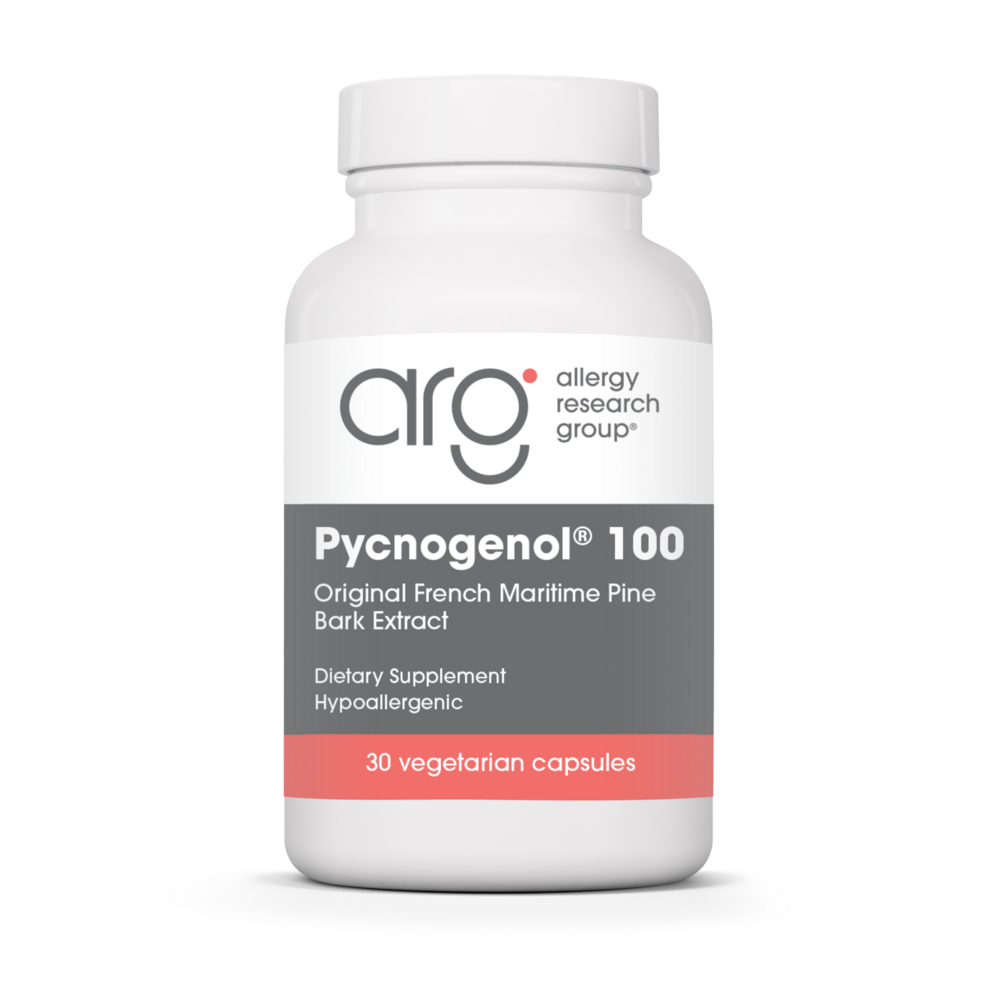
Pycnogenol 100 by Allergy Research Group
30 capsules · 30-day supply
Powerful Antioxidant Support for Vascular and Skin Health$64.99
Purchase options
Practitioner-grade brand3rd-party testedFree shipping $50+
Gluten Free·Soy Free·Dairy Free·Egg Free·Milk Free·Tree Nut Free·
Allergy Research Group Pycnogenol 100 overview
If your legs feel heavy after long days or flights, pycnogenol is one of the few botanicals with solid data for venous circulation. It also fits adults watching blood pressure at home who want a gentle adjunct, and those focused on skin hydration and photoprotection. A maintenance dose like this suits people with mild symptoms; trials in more pronounced venous insufficiency often used higher daily totals. If your hs-CRP (a general inflammation marker) runs high, modest improvements are reported in some responders.
Pycnogenol is a standardized French maritime pine bark extract rich in procyanidins and bioflavonoids. These compounds enhance nitric oxide (the gas your arteries use to relax), which can ease resistance in blood vessels, and they stabilize collagen and elastin in capillaries, which helps reduce leg swelling. They also temper platelet stickiness, shifting thromboxane signaling, and act as antioxidants that lower lipid peroxidation. Across trials, this translates to small blood pressure reductions and occasional drops in hs-CRP in 4 to 12 weeks.
Take one capsule once or twice daily, with or without food. Consistency matters more than timing. Skin and hydration outcomes usually need 6 to 12 weeks, circulation benefits 4 to 8 weeks. Many studies used 100 to 200 mg per day, so if your goals are leg swelling or blood pressure, clinicians often start at 100 mg and reassess; higher total daily dosing can be considered if response is incomplete.
Because pycnogenol can reduce platelet aggregation (platelet clumping that helps blood clot), use caution with blood thinners like warfarin and with antiplatelet drugs such as clopidogrel or daily aspirin; discuss with your clinician and monitor for bruising. It can slightly lower glucose, so if you track Fasting Glucose or HbA1c and use diabetes medications, watch for additive effects. Skip during pregnancy and breastfeeding due to limited data, and avoid if you have a known pine allergy.
Frequently asked questions
What is pycnogenol used for?
Primarily for venous leg symptoms like swelling and heaviness, modest support for blood pressure, and skin hydration/photoprotection. Some trials also show small reductions in hs-CRP in responders. It is not a replacement for compression, exercise, or blood pressure medications when those are indicated.
How long does pycnogenol take to work?
Circulation benefits are often noticeable within 4 to 8 weeks. Skin hydration and elasticity changes usually need 6 to 12 weeks. Give it at least one to two months of steady use before judging effect.
Can I take pycnogenol with blood thinners?
Use caution. Pycnogenol can decrease platelet stickiness, which may add to the effect of warfarin, clopidogrel, or daily aspirin. Speak with your clinician, watch for easy bruising or nosebleeds, and pause before surgeries as advised.
Does pycnogenol lower blood pressure?
It can lower blood pressure modestly in some adults, likely by improving nitric oxide–mediated vessel relaxation. Expect small changes, not drug-level effects. Keep monitoring at home and don’t stop prescribed therapy without medical guidance.
What dose of pycnogenol is best?
100 mg daily is a common starting dose. Trials for venous insufficiency and edema often use 100–200 mg per day in divided doses. If symptoms are significant, clinicians may titrate upward while monitoring response and tolerance.
Are there side effects with pycnogenol?
It’s generally well tolerated. Occasional headache, dizziness, or mild gastrointestinal upset can occur. Because it can affect platelets and glucose slightly, monitor if you bruise easily or use diabetes medications.
Is pycnogenol safe in pregnancy or breastfeeding?
Safety data are limited, so it’s best to avoid during pregnancy and breastfeeding. Discuss any circulation or skin concerns with your obstetric clinician for better-studied options.
Can I take pycnogenol with coffee or at night?
Yes. It doesn’t contain stimulants, and timing isn’t critical. Take it at the same times each day, with or without food, to make adherence easier and to judge response over several weeks.
How to take it & ingredients
Suggested use: As a dietary supplement, 1 capsule one or two times daily, or as directed by your healthcare professional. May be taken with or without food.
Active ingredients
1 capsule per serving · 30 servings
French Maritime Pine Extract
(Pinus pinaster)(Bark)
(Pinus pinaster)(Bark)
100 mg
Other ingredients: Hydroxypropyl Methylcellulose, Microcrystalline Cellulose, Rice Hull Concentrate, Gum Arabic, Sunflower Oil, Silicon Dioxide
Certifications
Benefits
Warnings