 Instalab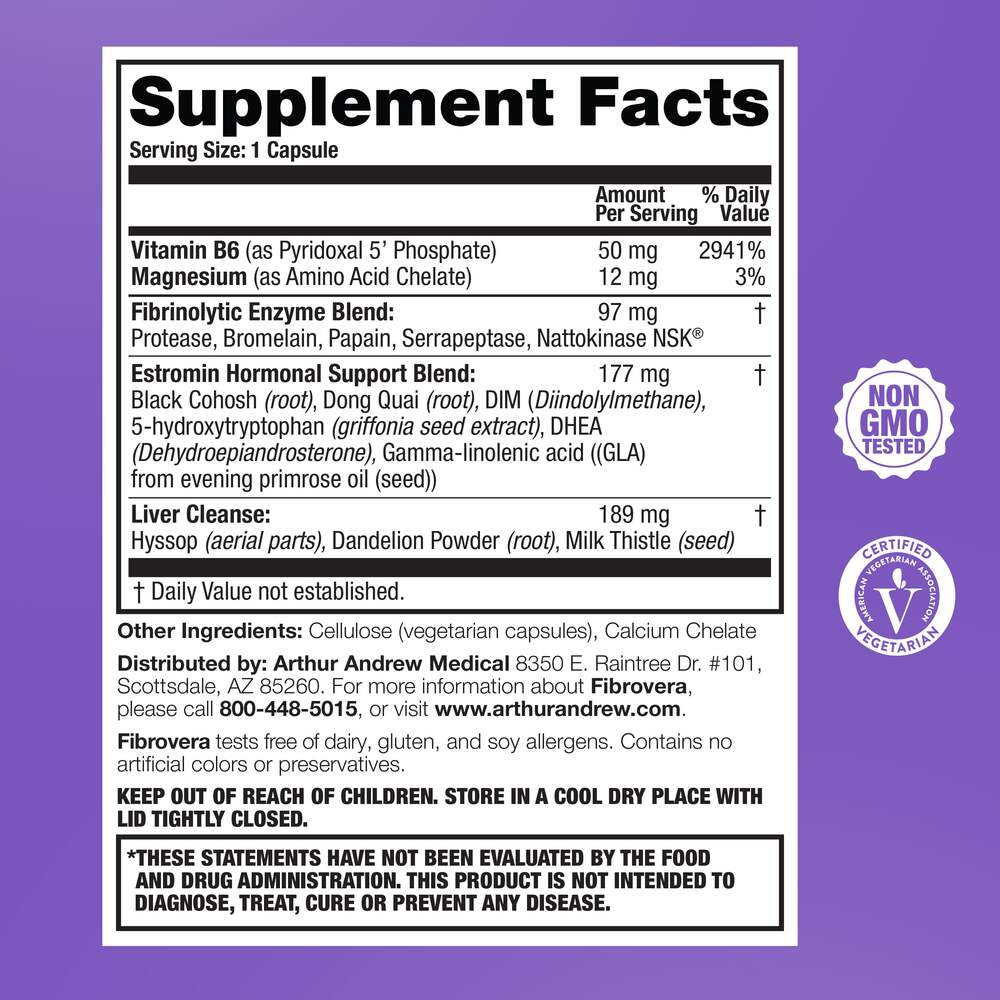


Arthur Andrew Medical
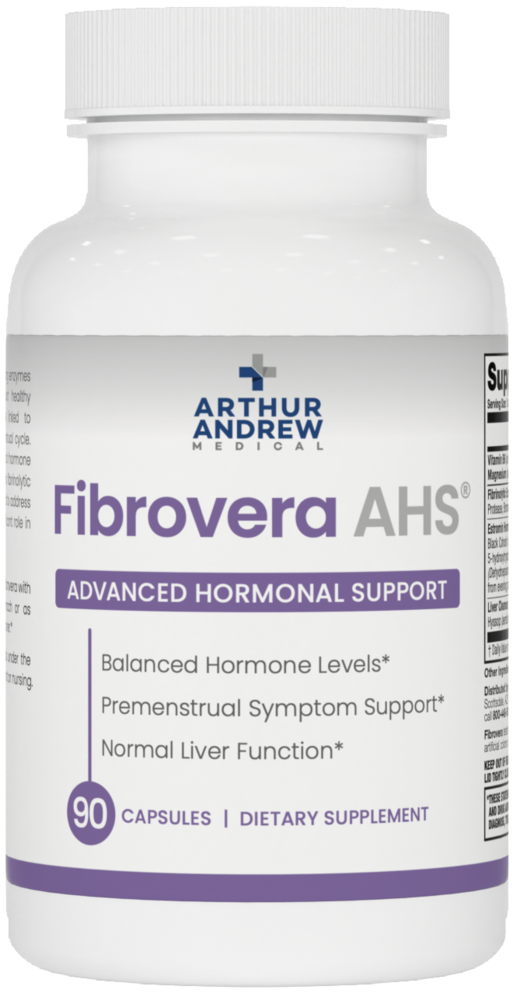
FibroVera by Arthur Andrew Medical
90 capsules · 90-day supply
Support Hormonal Balance and Women's Wellness Naturally$99.99
Purchase options
Practitioner-grade brand3rd-party testedFree shipping $50+
Vegetarian·Gluten Free·Soy Free·Dairy Free·Milk Free·Fish Free·
Arthur Andrew Medical FibroVera overview
If your periods are heavy, crampy, or come with breast tenderness and mood changes, this systemic enzymes and hormone balance blend is a pragmatic trial. It’s a fit if your Estradiol or Progesterone labs look imbalanced, your Ferritin (iron stores) is drifting down from heavy flow, or your fibrinogen (a clotting protein) tends to run high. It’s also relevant if hs-CRP (an inflammation marker) sits above your personal baseline. Expect to judge benefits over 1–3 cycles, not days.
The formula combines fibrinolytic enzymes (proteins that break down fibrin, the mesh in clots and scar-like tissue) with botanicals aimed at estrogen metabolism, plus Vitamin B6 as pyridoxal‑5‑phosphate (the active form) and a small amount of magnesium. Taken away from food, systemic enzymes are absorbed and can reduce excess fibrin and viscosity of menstrual debris, which some patients experience as less clotting and cramping. Active B6 can ease luteal‑phase mood and breast symptoms by acting as a cofactor in neurotransmitter pathways and steroid hormone metabolism.
Take one capsule with a full glass of water between meals, ideally 45–60 minutes before eating or 2 hours after. Food protein competes with enzyme absorption, so empty-stomach dosing matters. Many clinicians titrate systemic enzymes slowly over 1–2 weeks if more effect is needed, then reassess after 2–3 cycles. Track Ferritin, hs-CRP, and cycle symptoms rather than changing the dose week to week.
Skip systemic enzymes if you’re on blood thinners like warfarin, apixaban, rivaroxaban, or antiplatelets like clopidogrel, or if you have a bleeding disorder or upcoming surgery. Avoid in pregnancy, while trying to conceive, or while nursing. If you’re on hormonal contraception or hormone therapy, check with your clinician since botanicals that affect estrogen metabolism can alter how you respond. B6 at 50 mg is below most toxicity concerns, but long-term high-dose B6 can cause nerve symptoms; report tingling or numbness.
Frequently asked questions
Will systemic enzymes help with fibroids or endometriosis?
They aren’t a treatment for fibroids or endometriosis. Some people report less clotting and cramping, but high‑quality trials are limited. If you suspect either condition, get evaluated and use this only as adjunctive support under clinician guidance.
How long until I notice changes in period symptoms?
Most people evaluate results over 1–3 cycles. Enzyme effects on clotting and cramping may show within the first cycle, while hormone‑related breast or mood symptoms often need two cycles to judge.
Do fibrinolytic enzymes thin your blood?
They can increase bleeding tendency. Do not combine with anticoagulants (warfarin, apixaban, rivaroxaban), antiplatelets (clopidogrel), or before surgery. Stop and seek care if you notice unusual bruising, nosebleeds, or very heavy periods.
Can I take this with birth control pills or an IUD?
Check with your clinician. Botanicals that influence estrogen metabolism could change how you feel on hormonal contraception. Nonhormonal IUDs raise baseline bleeding; adding enzymes can further increase flow in some users.
Should I take systemic enzymes with food or on an empty stomach?
Empty stomach is best. Food proteins occupy the enzymes and reduce their systemic activity. Take with water at least 45–60 minutes before meals or 2 hours after.
What labs can I track while using this?
Ferritin for iron status if your periods are heavy, hs-CRP for inflammation trends, and fibrinogen for clotting protein levels. For cycle symptoms, Estradiol and Progesterone (timed to your cycle) can help frame expectations.
What side effects should I watch for?
Most tolerate it well. Possible issues include mild nausea on an empty stomach, looser stools, increased menstrual flow, or bruising. Rarely, high‑dose B6 over time can cause tingling or numbness—stop and seek care if that occurs.
How to take it & ingredients
Suggested use: Take 1 capsule with 8 oz. of water between meals or as directed by your healthcare practitioner.
Active ingredients
1 capsule per serving · 90 servings
Vitamin B6
As Pyridoxal 5' Phosphate
As Pyridoxal 5' Phosphate
50 mg
Magnesium
As amino acid chelate
As amino acid chelate
12 mg
Calcium
As caprylate
As caprylate
16 mg
▼
Proprietary Blend – Fibrovera AHS
490 mg
Serrapeptase
-
Protease
-
Bromelain
-
Papain
-
Nattokinase NSKR
-
GLA (Gamma Linolenic Acid)
-
DIM (Diindolylmethane)
-
5-HTP
-
DHEA (Dehydroepiandrosterone)
-
Black Cohosh Root
-
Dong Quai Root
Angelica sinensis
Angelica sinensis
-
Milk Thistle Seed
-
Dandelion Root
-
Hyssop Flowers
-
Other ingredients: Cellulose (Vegetarian Capsule), Calcium Chelate
Certifications
Benefits
Warnings
Customers also considered
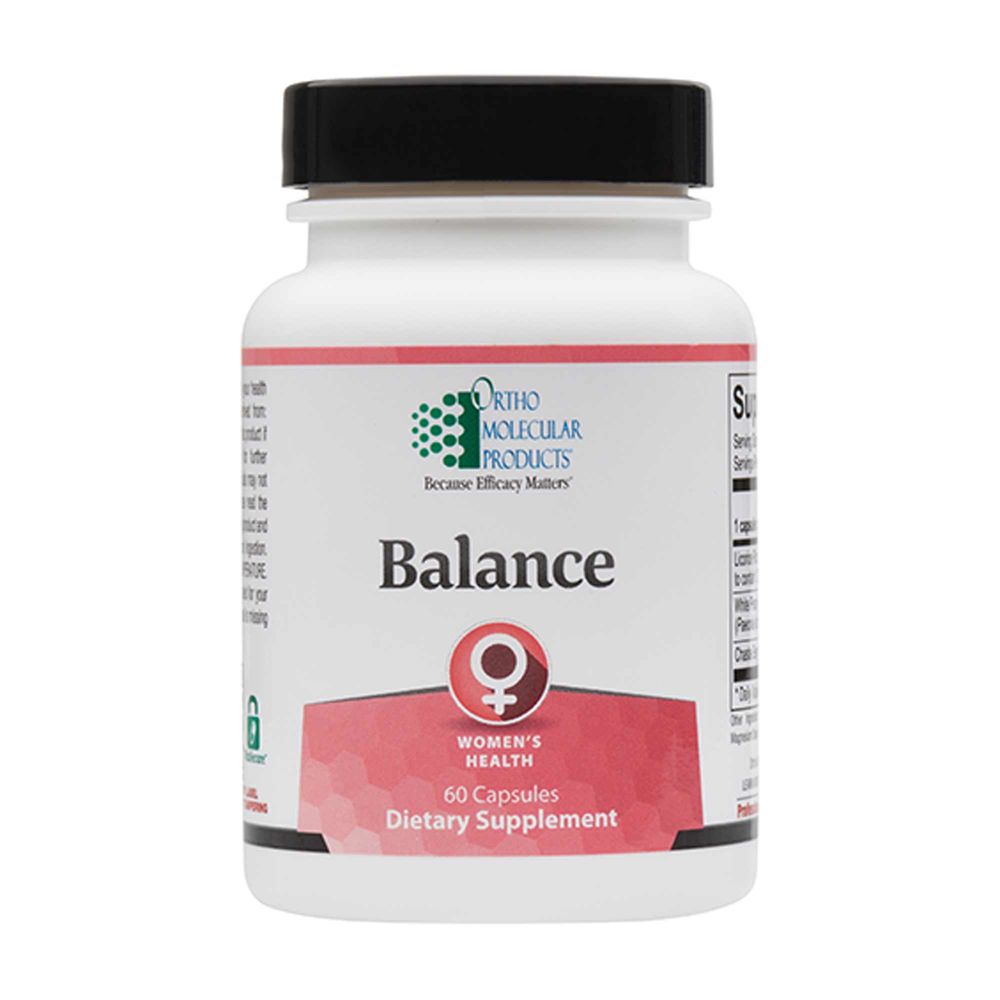
Balance
Ortho Molecular Products
60 capsules
$47.90$43.15 with Subscribe & Save
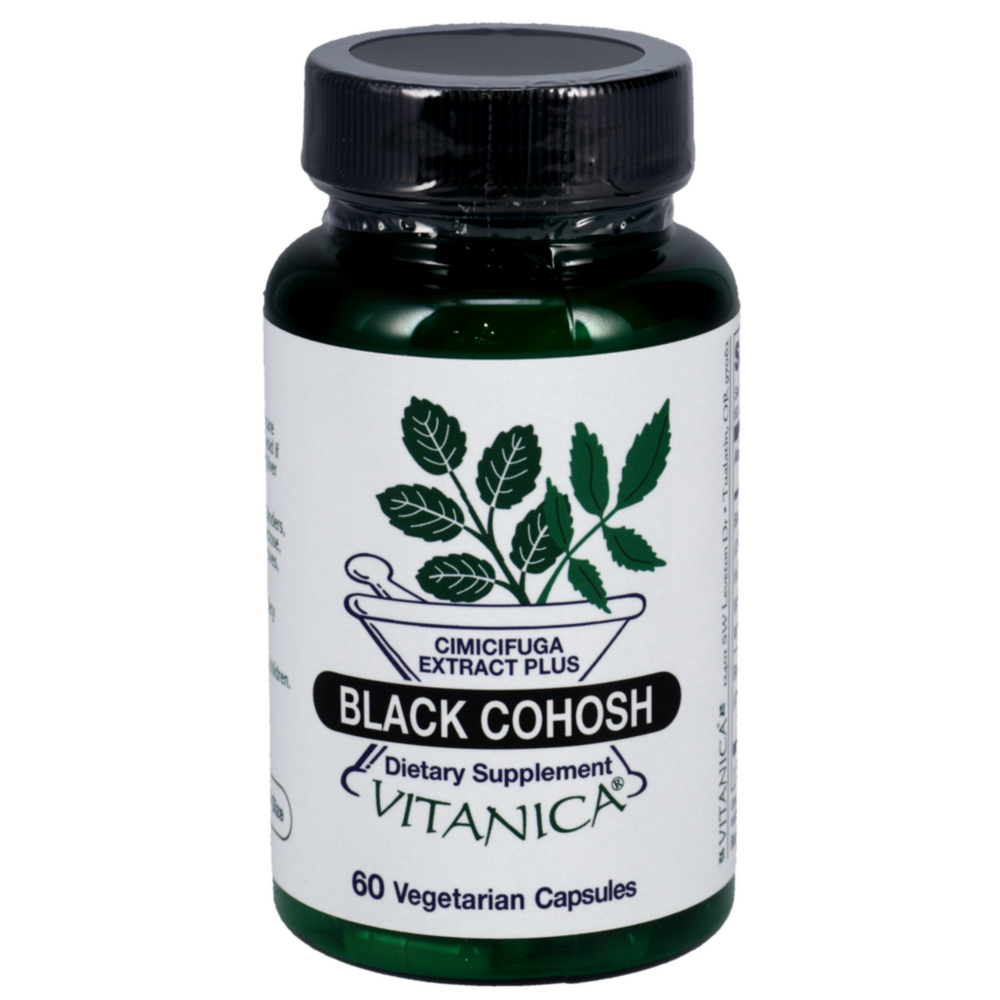
Black Cohosh
Vitanica
60 capsules
$17.99$13.99 with Subscribe & Save
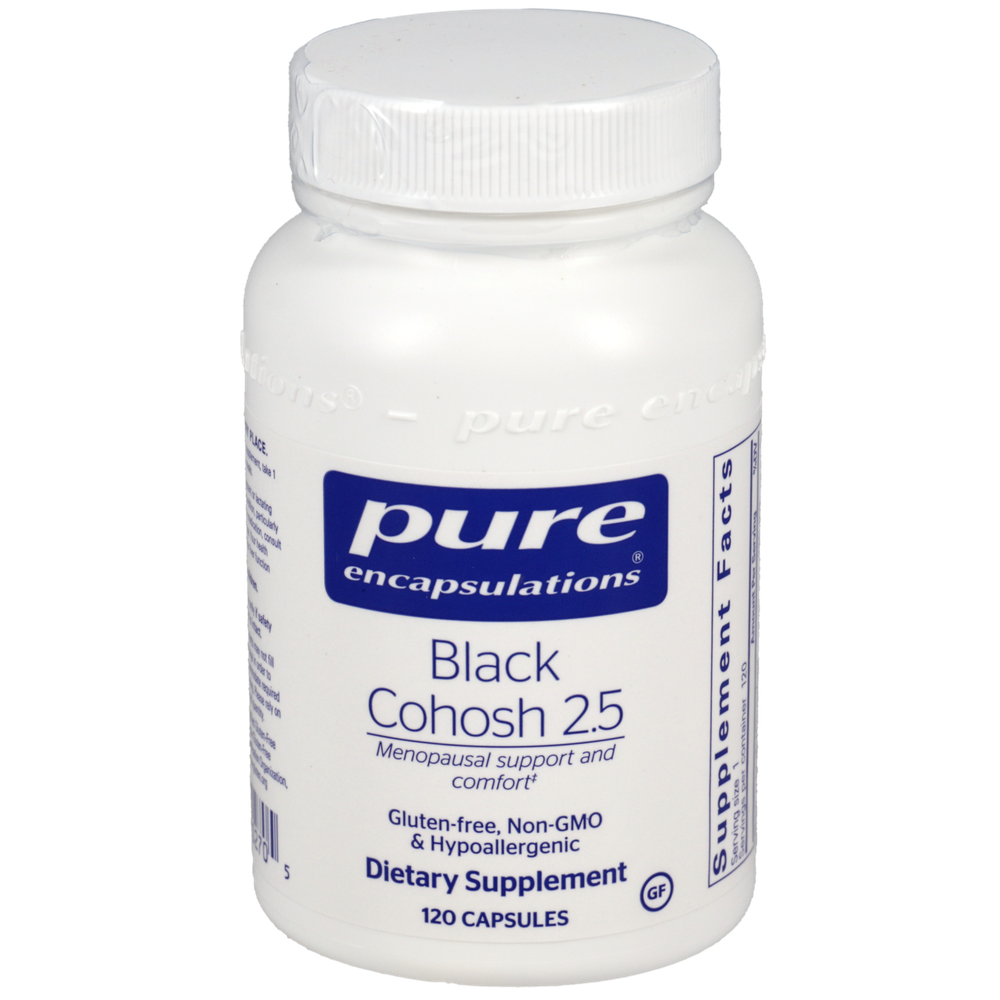
Black Cohosh 2.5
Pure Encapsulations
120 capsules
$53.00$41.99 with Subscribe & Save
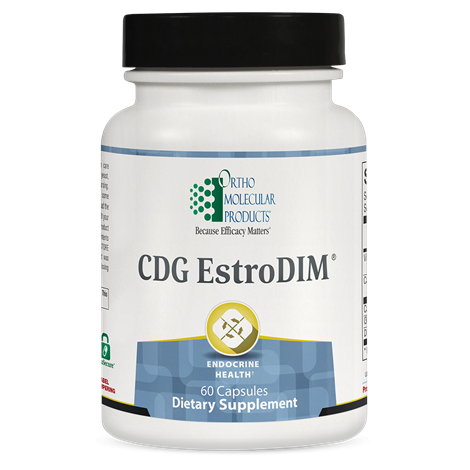
CDG EstroDIM
Ortho Molecular Products
60 capsules
$103.73$93.45 with Subscribe & Save