 Instalab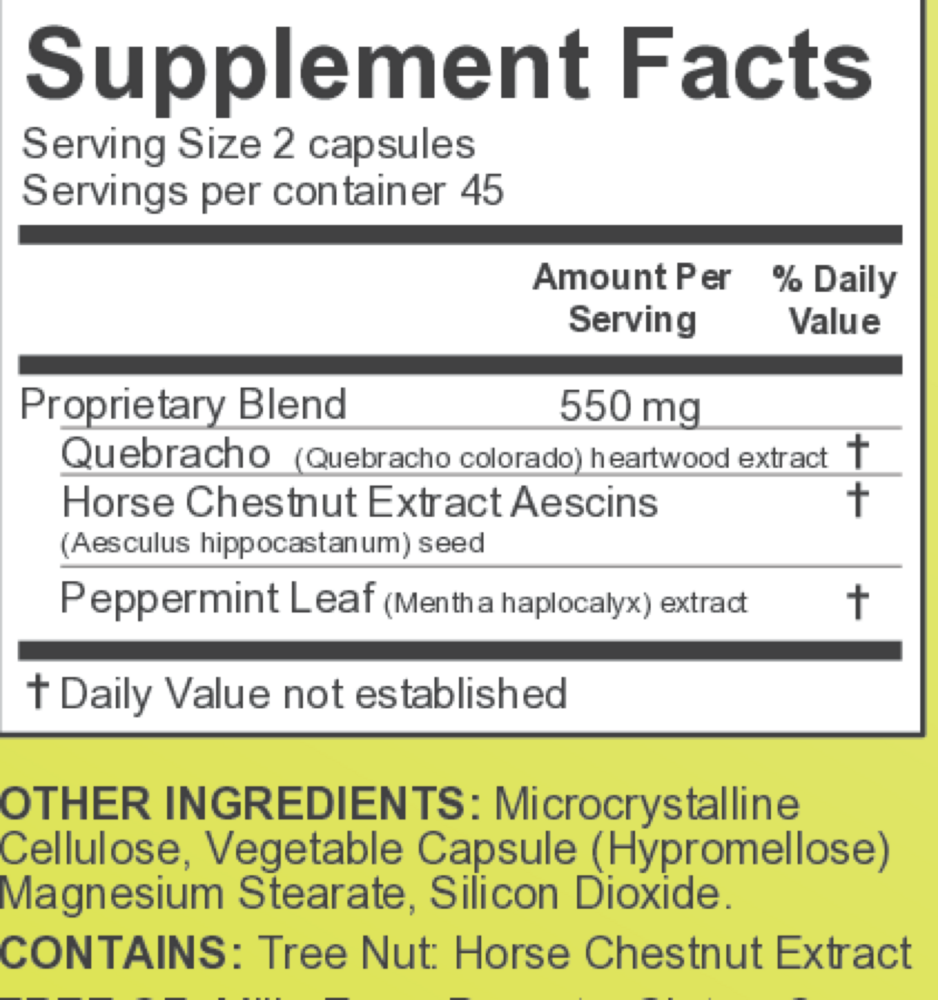

Atrantil
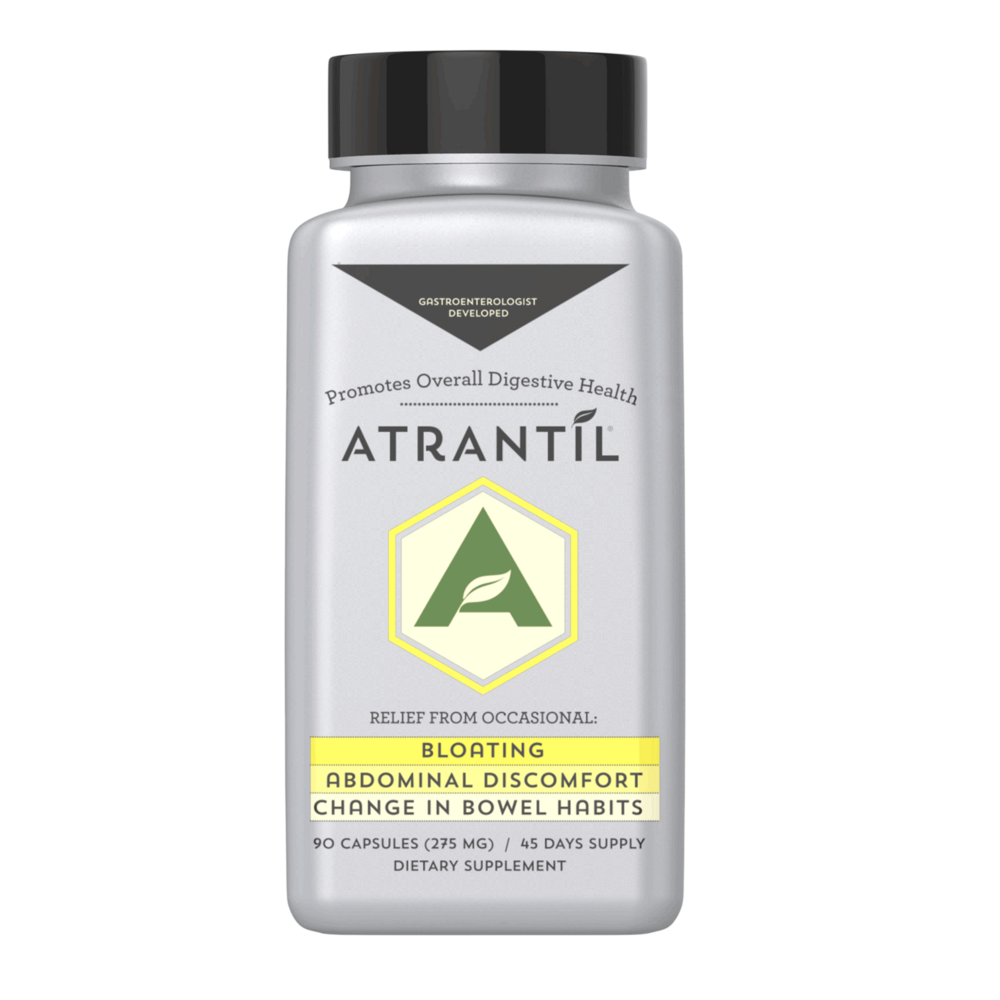
Atrantil 550 mg by Atrantil
90 capsules · 45-day supply
Targeted Support for Digestive Comfort and Bloating Relief$39.99
Purchase options
Practitioner-grade brand3rd-party testedFree shipping $50+
Gluten Free·Soy Free·Egg Free·Peanut Free·Crustacean Shellfish Free
Atrantil Atrantil overview
If your main issue is daily bloating with slow, constipated bowel habits, especially with a positive Hydrogen–Methane Breath Test (more methane than hydrogen), this polyphenol blend is the right lane. It’s built for methane-dominant overgrowth (now called intestinal methanogen overgrowth), not loose-stool flares. Many people who’ve cycled rifaximin or herbal antimicrobials use it between courses, or as a non-antibiotic first step. If your Calprotectin is elevated or you have red-flag symptoms, get evaluated before self-treating.
Quebracho tannins (plant compounds that bind proteins) and horse chestnut saponins (detergent-like molecules from the seed) act in the small bowel to disrupt archaea, the methane-producing microbes that slow gut transit. Less methane means less gas trapping and easier motility within 1 to 3 weeks. Peppermint leaf calms smooth muscle in the intestinal wall, which helps cramping. Because these polyphenols mostly stay in the gut, the effect is local rather than systemic.
Follow the loading phase: two capsules with each meal for about two weeks, then switch to two capsules daily for maintenance. Take with food to keep the actives where they work and reduce reflux from peppermint. Most responders notice less bloating pressure within 7 to 14 days; tougher cases take 3 to 4 weeks. If nothing changes by week 4, reassess your diagnosis and diet triggers.
Skip this if you’re pregnant or breastfeeding, have known horse chestnut allergy, or significant liver or kidney disease. Use caution with blood thinners, aspirin, or other agents that affect clotting, since horse chestnut can add bleeding risk. Peppermint can relax the lower esophageal sphincter (the valve above the stomach), so those with frequent reflux should start with food and stop if heartburn worsens.
Frequently asked questions
How long does Atrantil take to work?
Most people who respond notice less bloating within 7–14 days on the loading phase. If you’re still unchanged at 3–4 weeks, it’s reasonable to stop and revisit testing, diet, or other causes.
Can I take Atrantil with rifaximin or other antibiotics?
Yes, many clinicians pair or alternate it with rifaximin-based regimens, especially for methane-dominant overgrowth. Separate doses by a few hours and review the plan with your prescriber.
Does Atrantil help diarrhea-predominant IBS?
It’s aimed at methane-related constipation and bloating. If loose stools are your main issue, this is less likely to help, and a hydrogen-dominant strategy may fit better.
What side effects should I expect?
Transient gas changes, darker stools from tannins, mild cramping, or heartburn can occur, usually early. Taking with meals and adequate water helps. Stop if you notice rash, swelling, or persistent pain.
Is Atrantil safe long term?
Data beyond a few months are limited, but many use a lower maintenance dose after symptoms settle. Reassess every 8–12 weeks and avoid indefinite use without a clear benefit.
Can I drink alcohol while taking Atrantil?
Occasional alcohol is unlikely to interact, but alcohol can aggravate bloating and reflux. If symptoms flare, minimize alcohol during the loading phase.
Do I need a special diet with Atrantil?
You don’t need a strict plan, but moderating fermentable carbs (a light low-FODMAP approach) during the first 2–3 weeks can reduce gas load and speed relief.
What labs or tests pair well with Atrantil?
A Hydrogen–Methane Breath Test helps confirm methane-dominant overgrowth. If symptoms persist, consider Calprotectin to screen for inflammation and basic labs for anemia or thyroid issues.
How to take it & ingredients
Suggested use: 2 capsules 3 times daily for 15 days, thereafter start 2 capsules daily for maintenance.
Active ingredients
2 capsules per serving · 45 servings
▼
Proprietary Blend
550 mg
Quebracho (Quebracho colorado) heartwood extract
-
Horse Chestnut Extract Aescins (Aesculus hippocastanum) seed
-
Peppermint Leaf (Mentha haplocalyx) extract
-
Other ingredients: Microcrystalline Cellulose, Vegetable Capsules (Hypromellose), Magnesium Stearate, Silicon Dioxide
Certifications
Benefits
Warnings
Customers also considered
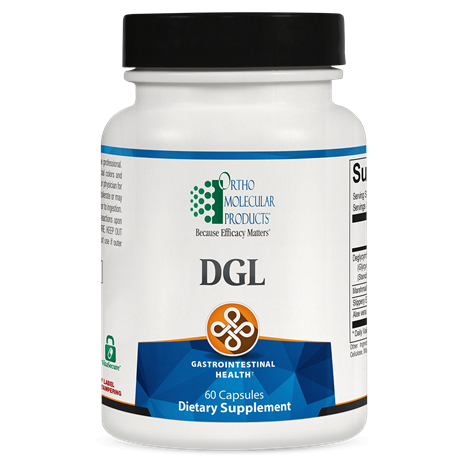
DGL
Ortho Molecular Products
60 capsules
$33.47$30.15 with Subscribe & Save
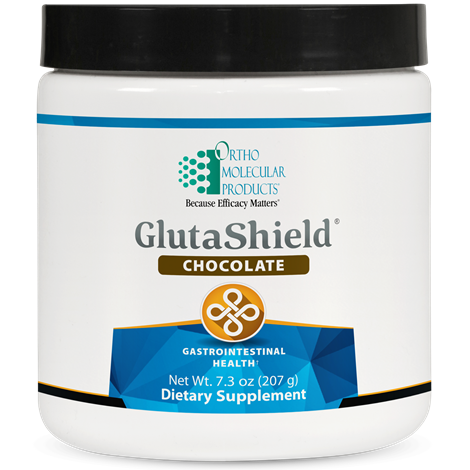
GlutaShield® Chocolate
Ortho Molecular Products
207 grams
$66.10$59.55 with Subscribe & Save
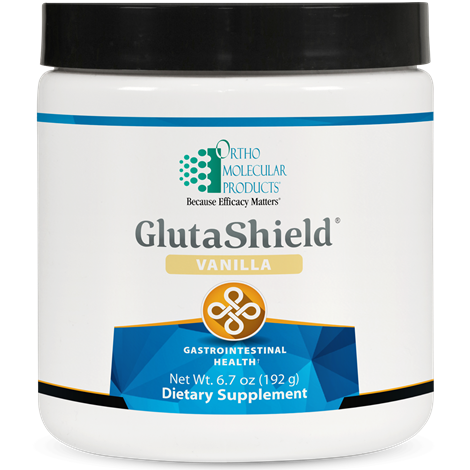
GlutaShield® Vanilla
Ortho Molecular Products
192 grams
$66.10$59.55 with Subscribe & Save
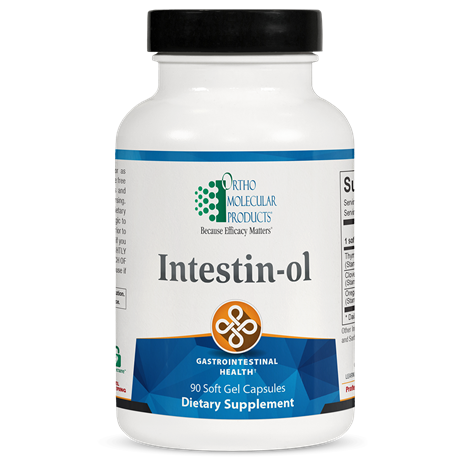
Intestin-ol
Ortho Molecular Products
90 capsules
$81.53$73.45 with Subscribe & Save