 Instalab
Gut Support
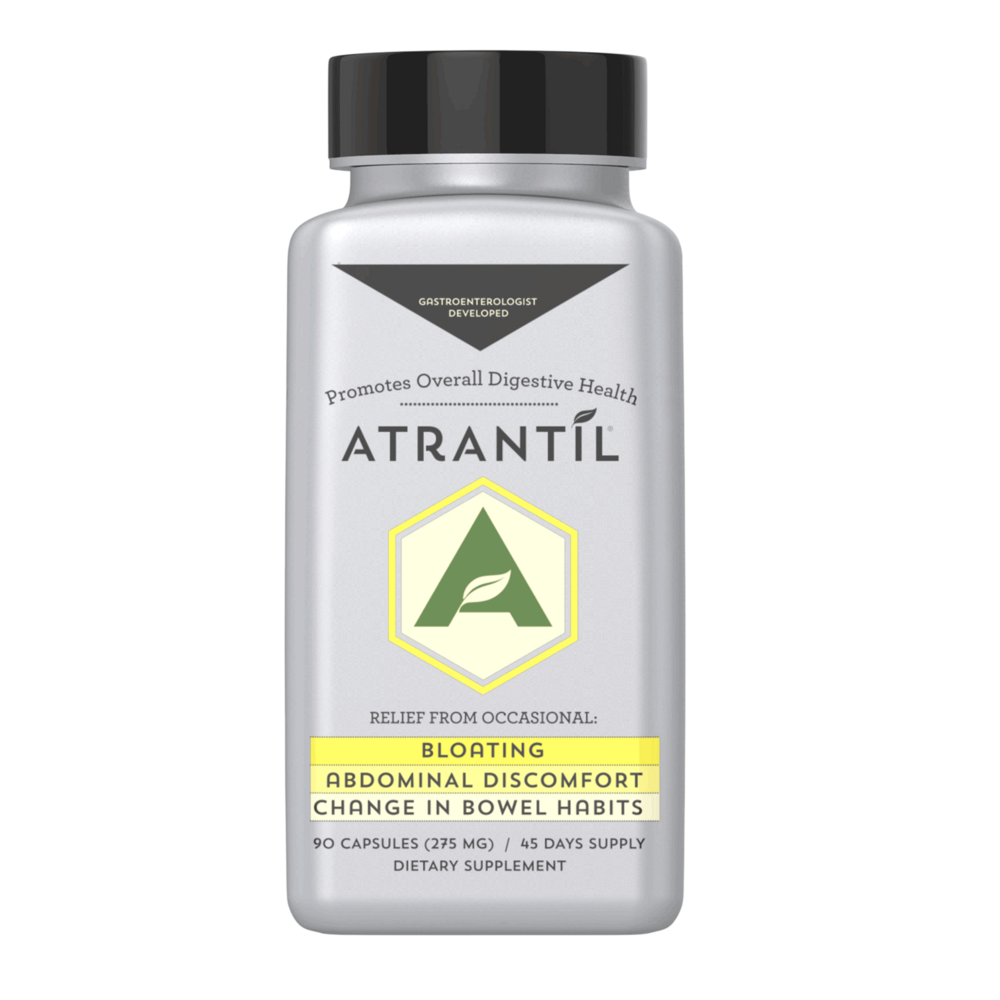
Gut support formulas combine glutamine, demulcent herbs, and digestive aids to soothe and rebuild the gut lining.
Our vetting standard
Every gut support formula here clears the same bar.
- Clinically studied, effective doses
- Bioavailable, well-absorbed forms
- Practitioner-grade, trusted brands
- Third-party tested for identity and potency
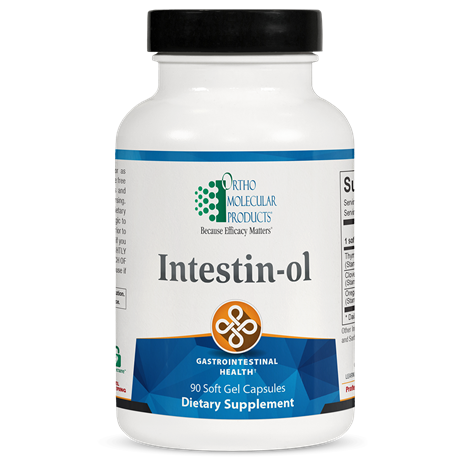
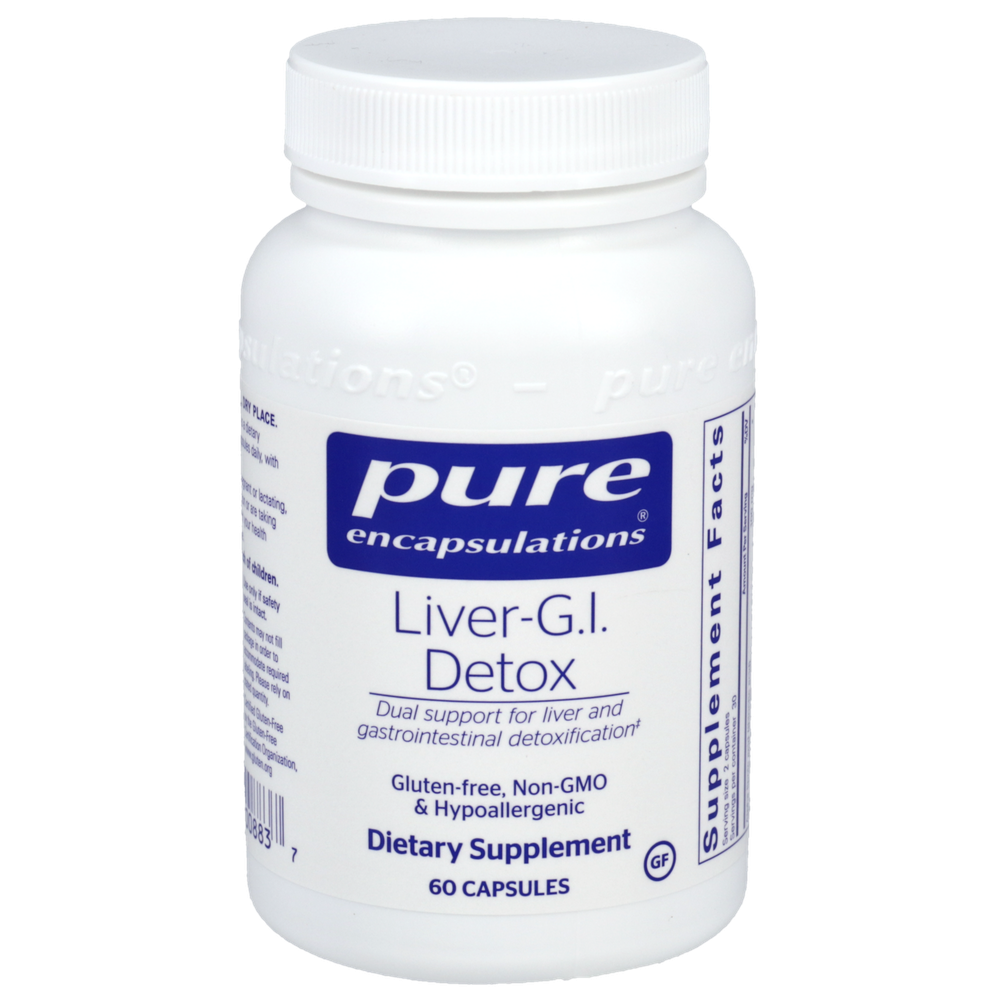
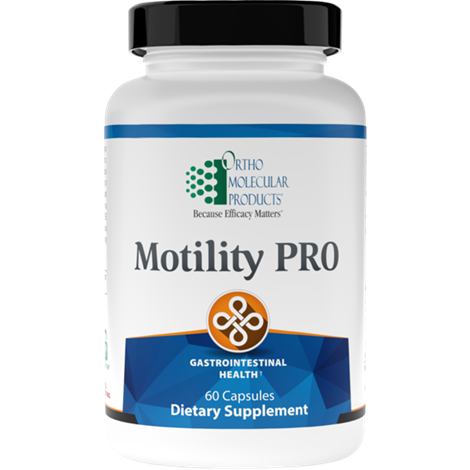
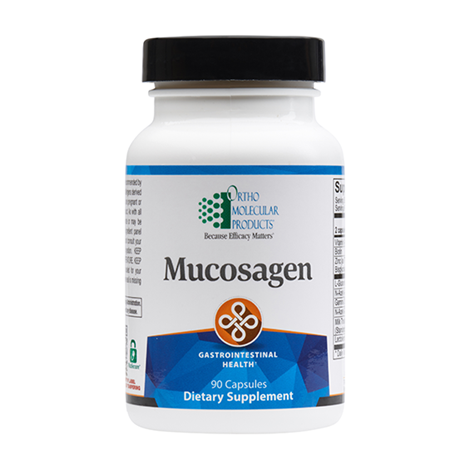
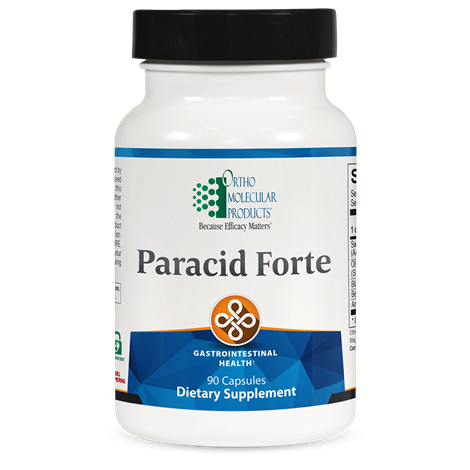
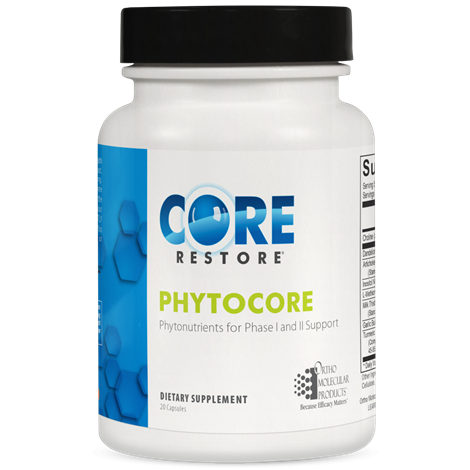
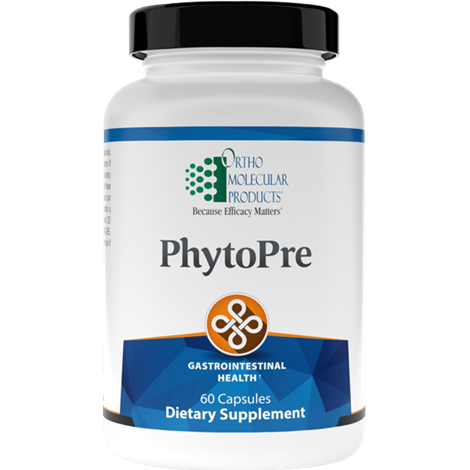
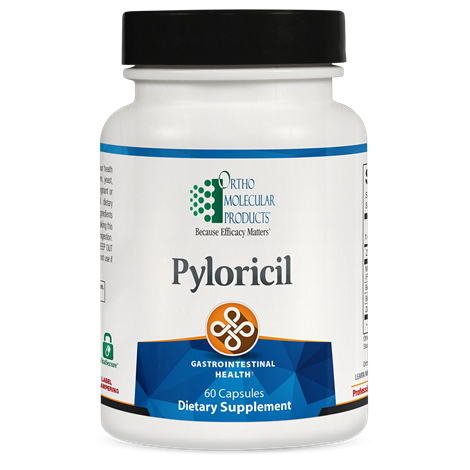
See if it's actually working
Calprotectin is the marker that distinguishes real inflammation from functional symptoms, and it is the one that should fall if the protocol is working; low elastase points at the pancreas instead.
Gut Support FAQs
What's in a gut support formula?
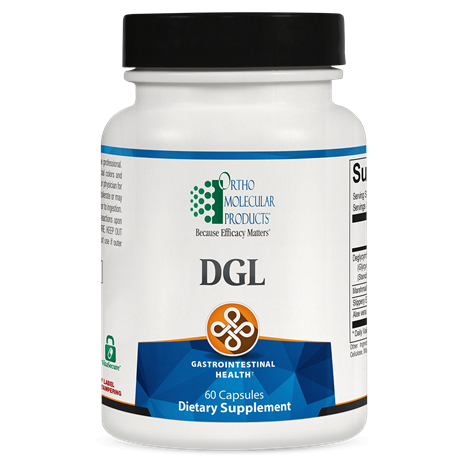
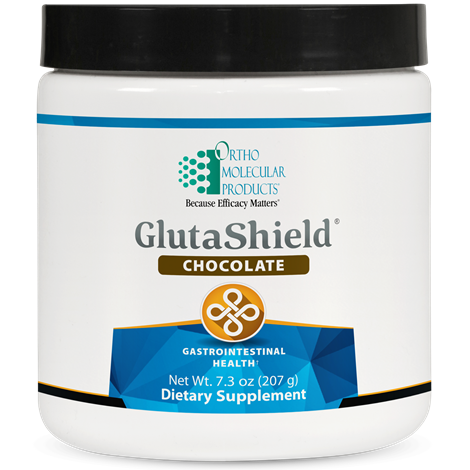
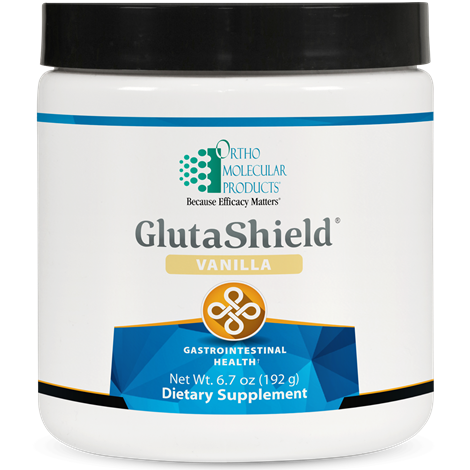
Typically L-glutamine, zinc carnosine, slippery elm, marshmallow root, deglycyrrhizinated licorice (DGL), N-acetyl glucosamine, and quercetin. These soothe the lining, support mucosal repair, and modulate the gut immune response.
How long should I take gut support?
4–12 weeks for noticeable change in symptoms. Pair with diet adjustments (removing common triggers, adequate fiber, fermented foods) for best results. Long-term use is fine if symptoms keep recurring without it.
Should I take gut support with food?
Most are best taken on an empty stomach (15–30 min before meals) so the soothing herbs coat the lining. Read your specific product's instructions.
Gut support vs. probiotics — what's the difference?
Probiotics add bacteria; gut support formulas focus on the gut lining itself. The two are complementary — heal the lining first with gut support, then build flora with probiotics. Some products combine both, but separating them allows better dose tailoring.
Will gut support help with leaky gut?
'Leaky gut' (intestinal permeability) is real and is what these formulas target. L-glutamine, zinc carnosine, and demulcent herbs have evidence for tightening junctions and reducing inflammation. Results show up over 4–12 weeks alongside dietary triggers being removed.
Can I take gut support with reflux or ulcers?
Yes — DGL and zinc carnosine specifically have evidence for soothing reflux and supporting ulcer healing. Slippery elm and marshmallow root coat irritated tissue. Many people find these gentler than long-term acid blockers.
How is this different from digestive enzymes?
Digestive enzymes help you break down food during meals (taken with food). Gut support formulas heal and protect the lining (taken between meals). Both can be used together if you have both maldigestion and lining damage.
Should I do gut support before or after a probiotic protocol?
Generally before, or simultaneously. Probiotics work better in a less inflamed gut. Functional medicine often follows a 5R approach — Remove, Replace, Reinoculate, Repair, Rebalance — where 'Repair' (gut support) precedes deeper microbiome work.