 Instalab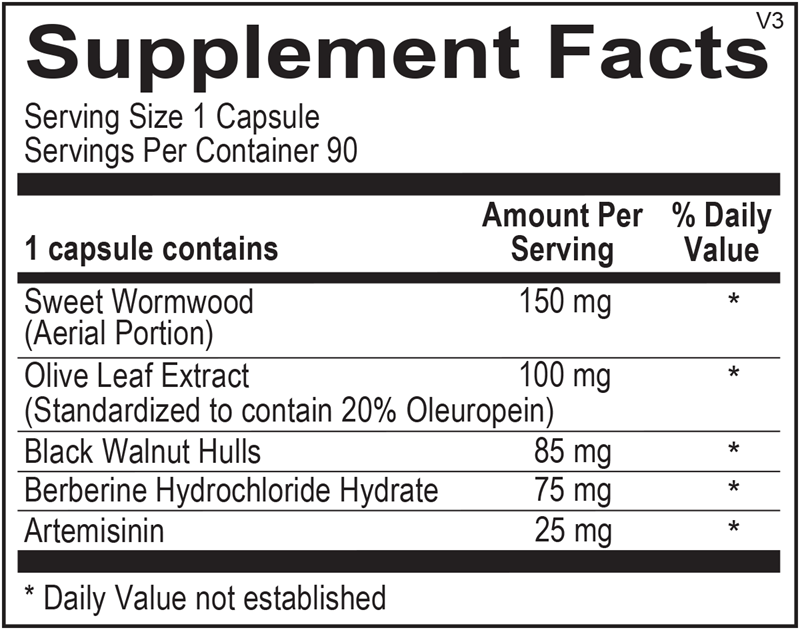
Ortho Molecular Products
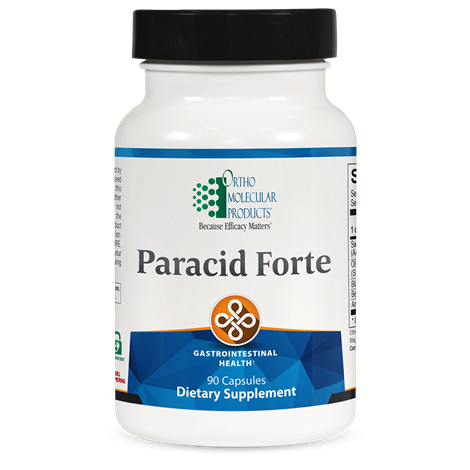
Paracid Forte by Ortho Molecular Products
90 capsules · 90-day supply
Comprehensive Gut Support with Herbal Ingredients for Digestive Balance$93.85
Purchase options
Practitioner-grade brand3rd-party testedFree shipping $50+
Gluten Free·Yeast Free·Artificial Color Free·Artificial Flavor Free
Ortho Molecular Products Paracid Forte overview
This blend fits adults working on gut dysbiosis with a clinician, including those using herbal antimicrobials for SIBO (small intestinal bacterial overgrowth) or after travel when stool testing shows imbalance. It’s most useful when your Comprehensive Stool Analysis, Ova and Parasite exam, or an H. pylori Antigen test suggests overgrowth, or when a lactulose breath test points to excess small‑bowel bacteria. If your Calprotectin is high, rule out inflammatory bowel disease before using killing protocols.
Berberine (from barberry) disrupts bacterial enzymes and biofilms (the protective layers microbes build), and it concentrates in the gut with minimal systemic absorption. Artemisinin from sweet wormwood creates short‑lived free radicals inside susceptible microbes and parasites. Olive leaf extract, standardized for oleuropein, adds antibacterial and antifungal pressure, while black walnut hulls provide tannins that make the intestinal environment less hospitable. Together, these herbal antimicrobials help lower overgrowth so beneficial flora can reestablish.
Use 1 capsule three times daily with meals to limit nausea. Most protocols run 4 to 8 weeks, then reassess symptoms and labs. If you feel “die‑off” (temporarily worse bloating, fatigue, or headaches), cut the dose in half for a few days. Separate from probiotics by 2–3 hours, or use probiotics after the antimicrobial phase. For courses longer than 8 weeks, check liver enzymes (ALT, AST) with your clinician.
Berberine can lower blood sugar and enhance diabetes drugs, and it can raise levels of cyclosporine and other medications moved by P‑glycoprotein or CYP3A4 (ask your prescriber to review). Olive leaf may add to blood pressure medications. Black walnut is a tree nut; avoid if allergic. Artemisinin and berberine can alter how the liver processes drugs, so space this 2 hours from prescriptions and monitor if you’re on narrow‑therapeutic‑index meds.
Avoid in pregnancy or breastfeeding, in children, with active liver disease, or if you have a walnut allergy. If you have unexplained weight loss, fever, blood in stool, or very high Calprotectin, get evaluated instead of self‑treating. Stop and seek care if you develop jaundice, dark urine, or severe abdominal pain. For known parasitic infections, confirm clearance with repeat stool testing rather than assuming symptoms mean success.
Frequently asked questions
Will this kill parasites?
These herbs have antiparasitic activity, but no supplement guarantees eradication. If a stool Ova and Parasite exam is positive, treat under clinician guidance and confirm clearance with follow‑up testing.
Can herbal antimicrobials work for SIBO?
They can, and some studies suggest similar efficacy to rifaximin in selected patients. Use a breath test to guide treatment and length, and retest or track symptoms to avoid over‑treating.
How long before I notice changes?
Bloating and stool changes often shift within 2 to 4 weeks. Full reassessment is typical at 4 to 8 weeks with symptom tracking and, when relevant, repeat stool or breath testing.
Can I take this with probiotics?
Yes, but separate by 2–3 hours so the herbs don’t inactivate the bacteria. Many clinicians add probiotics after the antimicrobial phase to help maintain balance.
Does berberine lower blood sugar?
It can modestly lower fasting glucose and A1C. If you use insulin or diabetes pills, monitor closely and discuss dose adjustments to avoid hypoglycemia.
Are there common side effects?
Mild nausea, loose stools, constipation, or a transient “die‑off” headache can occur. Taking with food and reducing the dose usually helps. Persistent pain, jaundice, or rash are reasons to stop and seek care.
Is it safe with blood pressure or immune drugs?
Olive leaf may add to blood pressure lowering. Berberine can raise levels of drugs like cyclosporine. Have your prescriber review interactions and consider drug‑level or blood pressure checks.
Should I avoid alcohol while taking this?
It’s wise to limit alcohol, since these herbs are processed by the liver. If you’re using them for several weeks, consider checking ALT and AST, especially if you drink.
How to take it & ingredients
Suggested use: 1 capsule three times per day or as recommended by your health care professional.
Active ingredients
1 capsule per serving · 90 servings
Sweet Wormwood
Aerial Portion
Aerial Portion
150 mg
Olive Leaf Extract
Standardized to contain 20% Oleuropein
Standardized to contain 20% Oleuropein
100 mg
Black Walnut Hulls
85 mg
Berberine
Hydrochloride Hydrate
Hydrochloride Hydrate
75 mg
Artemisinin
25 mg
Certifications
Benefits
Warnings
Customers also considered
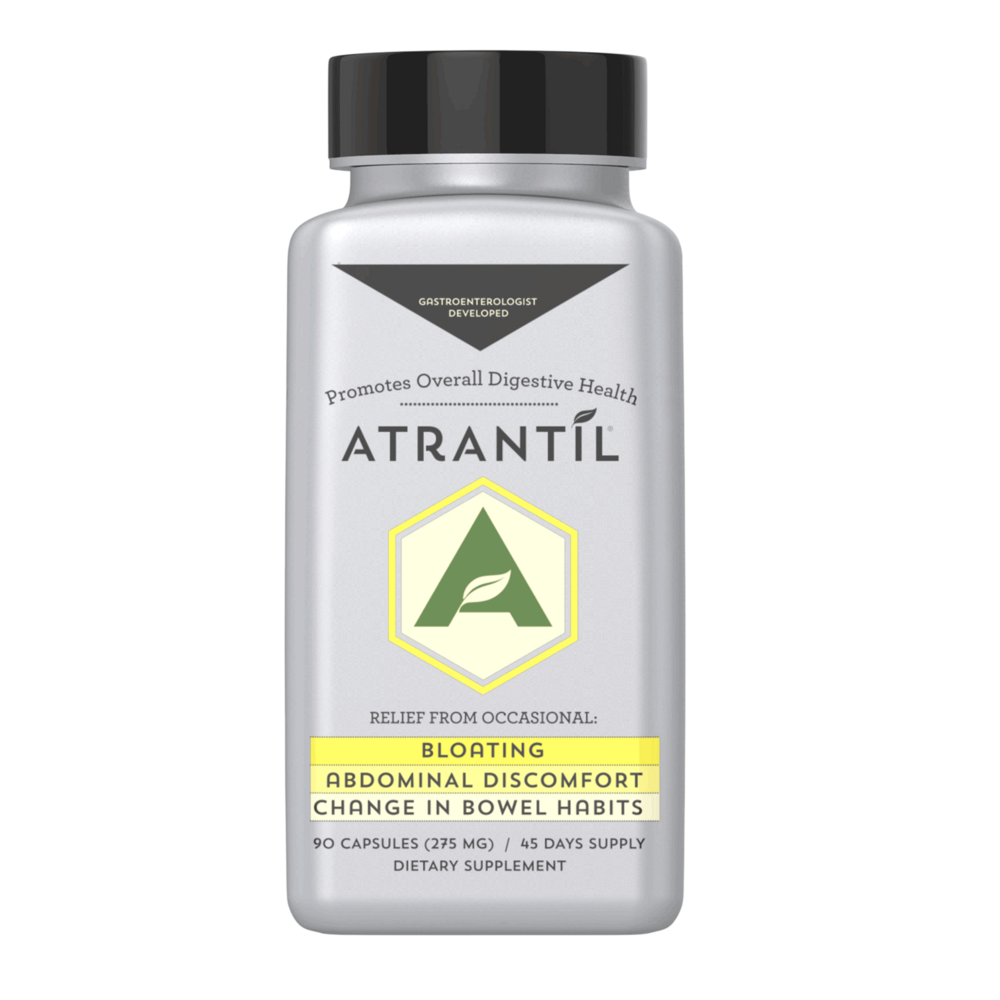
Atrantil
Atrantil
90 capsules
$39.99$31.99 with Subscribe & Save
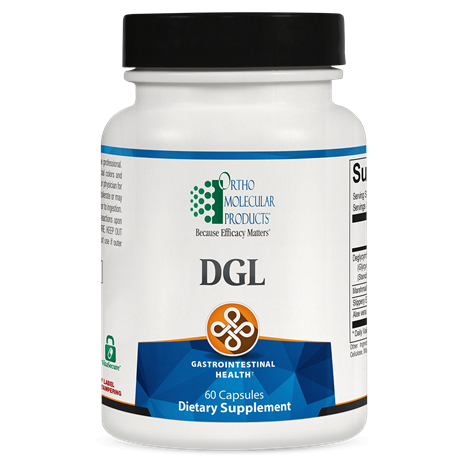
DGL
Ortho Molecular Products
60 capsules
$33.47$30.15 with Subscribe & Save
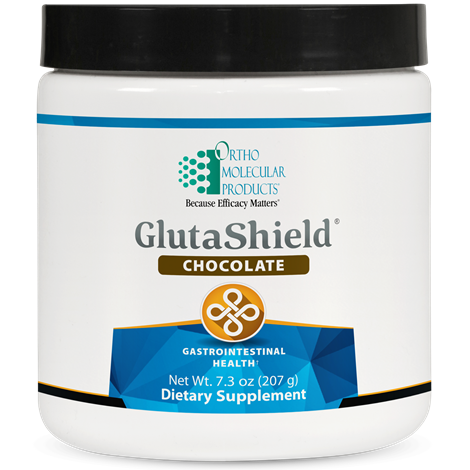
GlutaShield® Chocolate
Ortho Molecular Products
207 grams
$66.10$59.55 with Subscribe & Save
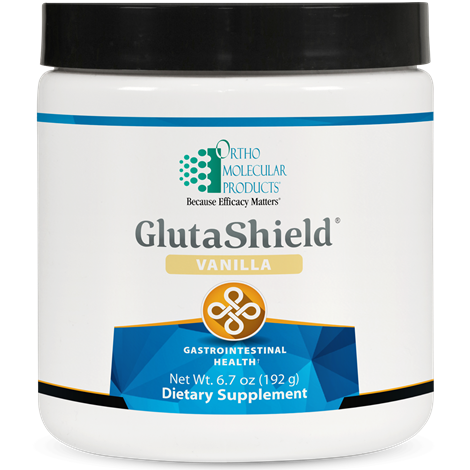
GlutaShield® Vanilla
Ortho Molecular Products
192 grams
$66.10$59.55 with Subscribe & Save