 Instalab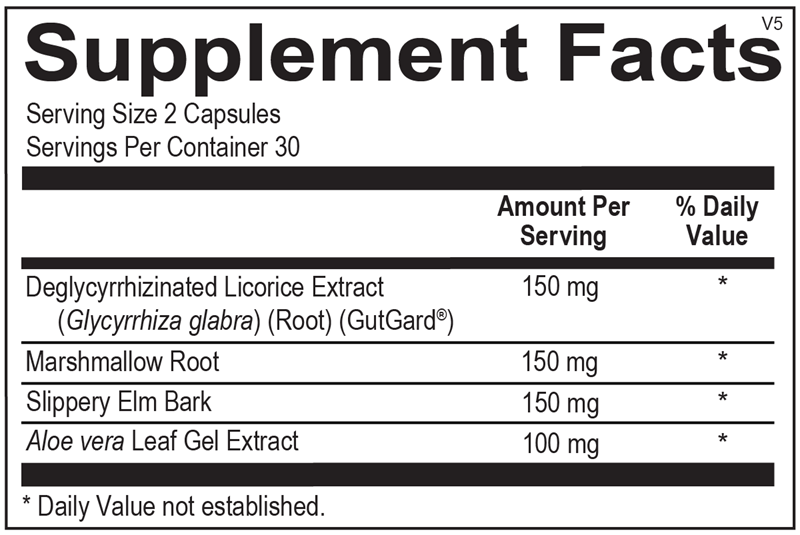

Ortho Molecular Products
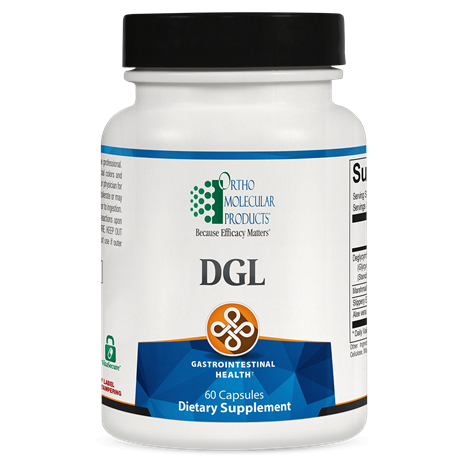
DGL by Ortho Molecular Products
60 capsules · 30-day supply
Soothing Gut Support with Natural Herbal Ingredients$33.47
Purchase options
Practitioner-grade brand3rd-party testedFree shipping $50+
Gluten Free·Yeast Free·Artificial Color Free·Artificial Flavor Free
Ortho Molecular Products DGL overview
If you get meal‑related heartburn or a sore, irritated throat after reflux, DGL licorice for heartburn is a practical first step. It also fits people with frequent NSAID use who want extra mucosal protection. If symptoms persist, ask your clinician about testing for Helicobacter pylori (urea breath or stool antigen) and consider checking a Complete Blood Count or Ferritin if you’ve had black stools or anemia signs.
Deglycyrrhizinated licorice removes glycyrrhizin, the blood-pressure–raising component of whole licorice, but keeps protective flavonoids. These compounds increase mucus secretion that shields the esophagus and stomach from acid and bile, and they nudge prostaglandins (local signals that maintain the stomach’s barrier) upward. Marshmallow root and slippery elm provide mucilage, a gel-like coating that physically soothes irritated tissue. Aloe vera leaf gel extract adds a gentle demulcent effect; gel forms are decolorized to minimize laxative anthraquinones.
Take 2 capsules daily, ideally 15–30 minutes before meals when you expect symptoms. Chewable DGL is often used for quick throat/esophageal coating; capsules are better for steady day-to-day support. Expect symptom easing within 1–2 weeks, with fuller benefit by 4 weeks. If you need faster on-demand relief, you can pair this with an alginate or short-acting antacid as directed by your clinician.
DGL is far less likely than whole licorice to raise blood pressure or lower potassium, but discuss use if you have uncontrolled hypertension, chronic kidney disease, or take diuretics or corticosteroids. Slippery elm and marshmallow can reduce absorption of medicines; separate all oral drugs (including levothyroxine and antibiotics) by 2 hours. Pregnancy and breastfeeding: safety data are limited, so avoid unless your obstetric clinician agrees. New or alarm symptoms like trouble swallowing, unintentional weight loss, vomiting blood, or black stools need evaluation, not supplements.
Frequently asked questions
Does DGL licorice really help heartburn?
Often, yes. DGL increases protective mucus and, with demulcents like slippery elm and marshmallow, coats irritated tissue. Many people feel relief within 1–2 weeks and fuller benefit by 4 weeks. Persistent or severe reflux warrants medical evaluation.
How is DGL different from regular licorice?
DGL has the glycyrrhizin removed. Glycyrrhizin is the part that can raise blood pressure and lower potassium. With DGL, you keep the soothing flavonoids for the stomach and esophagus while greatly reducing mineralocorticoid-like side effects.
When should I take DGL for best results?
Take it before meals—about 15–30 minutes prior—so the demulcents can coat tissue ahead of irritation. Capsules are good for daily use. If you need quick, on-the-spot relief, chewable DGL or an alginate product can help in the moment.
Can I take DGL with proton pump inhibitors or H2 blockers?
Yes, they can be used together. DGL and demulcents coat and protect, while PPIs/H2 blockers lower acid. Separate by 1–2 hours to avoid minor absorption issues. If you’re tapering acid suppressants, do so with your clinician.
Does slippery elm affect medication absorption?
It can. The mucilage gel may slow or reduce absorption of oral drugs. Take medicines at least 2 hours before or after this formula, including thyroid medication, antibiotics, and iron.
Is DGL safe if I have high blood pressure?
DGL is much safer than whole licorice for blood pressure, but if your hypertension is uncontrolled or you use diuretics, ACE inhibitors, or corticosteroids, talk to your clinician and monitor pressure and potassium as advised.
Can DGL help with H. pylori?
Licorice flavonoids show anti–H. pylori activity in lab and small clinical studies, but eradication requires guideline-based antibiotics when infection is confirmed. Ask about a urea breath test or stool antigen if symptoms persist.
Any side effects I should watch for?
Most report mild bloating or changes in bowel habits. Aloe gel can loosen stools in sensitive people. Stop and seek care for allergic reactions, ongoing pain, vomiting blood, or black stools.
How to take it & ingredients
Suggested use: 2 capsules per day or as recommended by your health care professional.
Active ingredients
2 capsules per serving · 30 servings
Deglycyrrhizinated Licorice Extract
Glycyrrhiza glabra (Root) (GutGard®)
Glycyrrhiza glabra (Root) (GutGard®)
150 mg
Marshmallow Root
150 mg
Slippery Elm Bark
150 mg
Aloe vera Leaf Gel Extract
100 mg
Other ingredients: Hypromellose (Natural Vegetable Capsules), Microcrystalline Cellulose, Magnesium Stearate, Stearic Acid, Silicon Dioxide
Certifications
Benefits
Warnings
Customers also considered
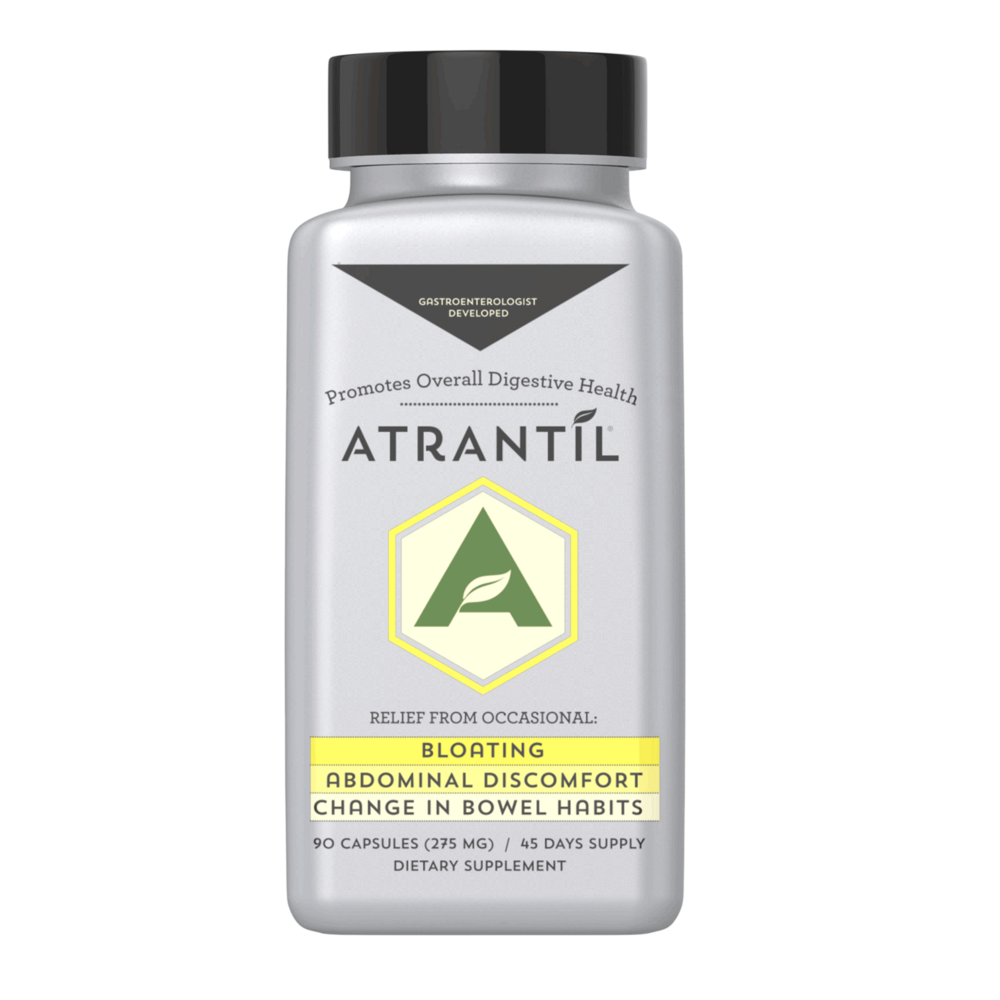
Atrantil
Atrantil
90 capsules
$39.99$31.99 with Subscribe & Save
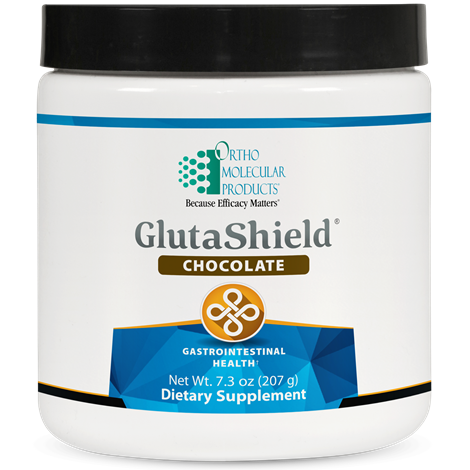
GlutaShield® Chocolate
Ortho Molecular Products
207 grams
$66.10$59.55 with Subscribe & Save
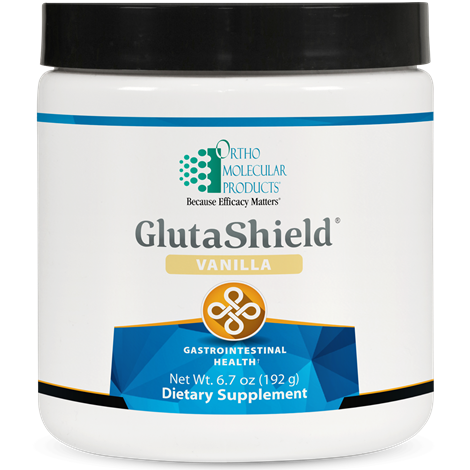
GlutaShield® Vanilla
Ortho Molecular Products
192 grams
$66.10$59.55 with Subscribe & Save
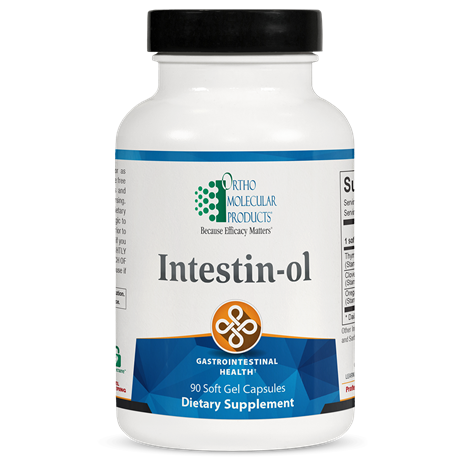
Intestin-ol
Ortho Molecular Products
90 capsules
$81.53$73.45 with Subscribe & Save