 Instalab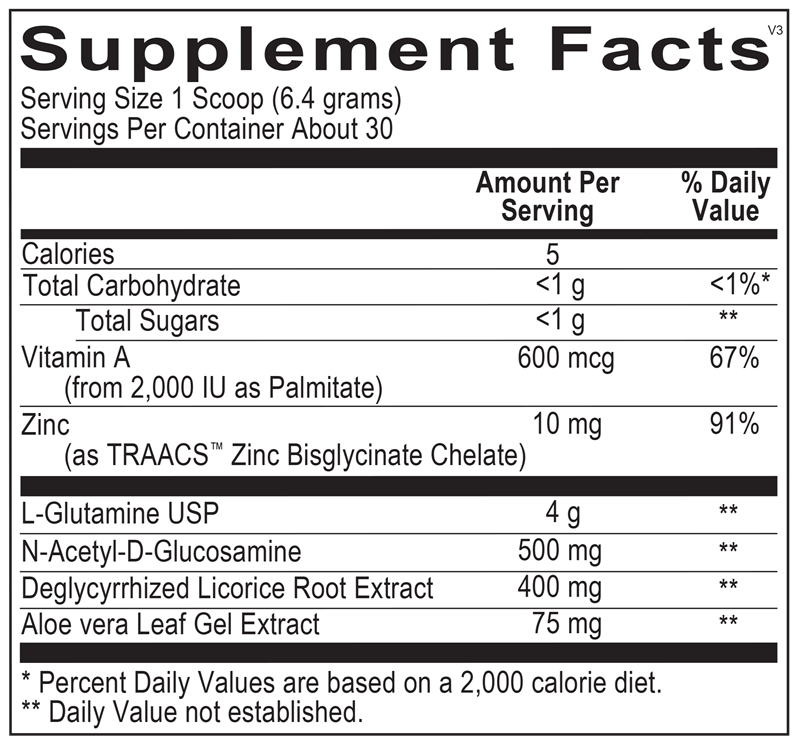
Ortho Molecular Products
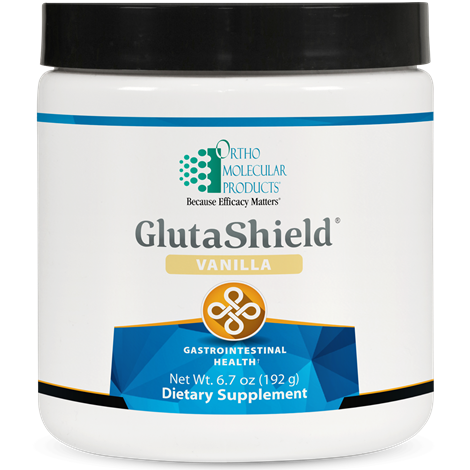
GlutaShield® Vanilla by Ortho Molecular Products
192 grams · 30-day supply
Comprehensive Gut Support with L-Glutamine and Essential Nutrients$66.10
Purchase options
Practitioner-grade brand3rd-party testedFree shipping $50+
Gluten Free·Crustacean Shellfish Free·Yeast Free·Artificial Color Free·Artificial Flavor Free
Ortho Molecular Products GlutaShield® Vanilla overview
Frequent heartburn, a touchy stomach after NSAIDs, or loose stools after antibiotics are the real-world reasons people reach for glutamine for gut healing. The 4 g L-glutamine here fits those aiming to calm irritation and maintain the gut lining, especially if stool tests like fecal calprotectin (an inflammation signal in the gut) are normal or only mildly elevated. It’s also a fit during higher stress or travel when reflux flares. For severe inflammatory bowel disease, work with a clinician.
L-glutamine is the preferred fuel for enterocytes (the cells that line your intestine), helping them tighten junctions and maintain the barrier. Zinc bisglycinate provides zinc, a cofactor for tissue repair and immune defense in the gut. N‑acetyl‑D‑glucosamine supplies building blocks for mucin (the protective mucus layer). DGL licorice increases mucus without the blood pressure effect of regular licorice. Aloe gel polysaccharides soothe irritated tissue. Vitamin A supports epithelial integrity and secretory IgA (front‑line immune antibodies) in the gut.
Mix one scoop in water or a non-acidic beverage once daily. Take with or without food; sensitive stomachs often prefer it with a small snack. Clinical protocols for active flares often use higher total glutamine (5–15 g/day), sometimes split twice daily, so if you need a bigger push, discuss short-term up‑titration. Expect symptom changes within 1–2 weeks and steadier results by 4–8 weeks. If you track hs-CRP (a general inflammation marker), check it after 8–12 weeks.
Avoid if you have a shellfish allergy unless you confirm the N‑acetyl‑D‑glucosamine source is non‑shellfish. DGL is deglycyrrhizinated, but if you’ve had licorice‑related high blood pressure in the past, discuss with your clinician. Aloe gel extract can loosen stools in some people. Significant liver disease with prior encephalopathy (confusion from high ammonia) is a reason to avoid high‑dose glutamine. Separate zinc from quinolone or tetracycline antibiotics and levothyroxine by at least 2–4 hours to prevent absorption issues.
Frequently asked questions
How long does glutamine for gut healing take to work?
Most people notice calmer digestion within 1–2 weeks, with fuller benefit by 4–8 weeks. If nothing changes by week 4, reassess dose, timing, or the diagnosis with your clinician.
Should I take glutamine with or without food?
Either is fine. Absorption is good with or without food, though people with sensitive stomachs often tolerate it better with a small snack or after a meal.
Does DGL licorice raise blood pressure?
No. DGL has the glycyrrhizin removed, which is the compound that can raise blood pressure and lower potassium. If you’ve reacted to licorice before, discuss DGL with your clinician.
Is N-acetyl-D-glucosamine safe with a shellfish allergy?
Often it’s derived from shellfish. If you have a shellfish allergy, confirm a non‑shellfish source with the manufacturer or choose a different product to avoid risk.
Can aloe in this cause diarrhea?
This uses aloe gel extract, not latex, and is gentler. Even so, a minority get looser stools. Reduce to half a scoop or stop if this occurs.
Can I take this with antibiotics or thyroid medication?
Yes, but separate from quinolone or tetracycline antibiotics and from levothyroxine by 2–4 hours. The zinc can bind these drugs and reduce absorption.
Is glutamine helpful for IBS or leaky gut?
Some people with IBS report symptom relief, but trials are mixed. Evidence is strongest for soothing irritated mucosa after stressors like NSAIDs or chemo/radiation. Use it as a trial, then reassess.
How long can I take this daily?
Use daily for 4–12 weeks, then reassess symptoms and labs like fecal calprotectin or hs-CRP with your clinician. Long-term use is generally well tolerated at this dose.
How to take it & ingredients
Suggested use: Mix 1 scoop of GlutaShield with water or beverage of your choice, once daily or as recommended by your health care professional.
Active ingredients
6.4 grams = 1 scoop per serving · 30 servings
Vitamin A
From 2,000 IU as Palmitate
From 2,000 IU as Palmitate
600 mcg, 2000 IU
Zinc
As Albion Zinc Bisglycinate Chelate
As Albion Zinc Bisglycinate Chelate
10 mg
L-Glutamine USP
4 g
N-Acetyl-D-Glucosamine
500 mg
Deglycyrrhized Licorice Root Extract
DGL
DGL
400 mg
Aloe vera Leaf Gel Extract
75 mg
Other ingredients: Natural Flavors, Rebaudioside A (Organic), Silicon Dioxide
Certifications
Benefits
Warnings
Customers also considered
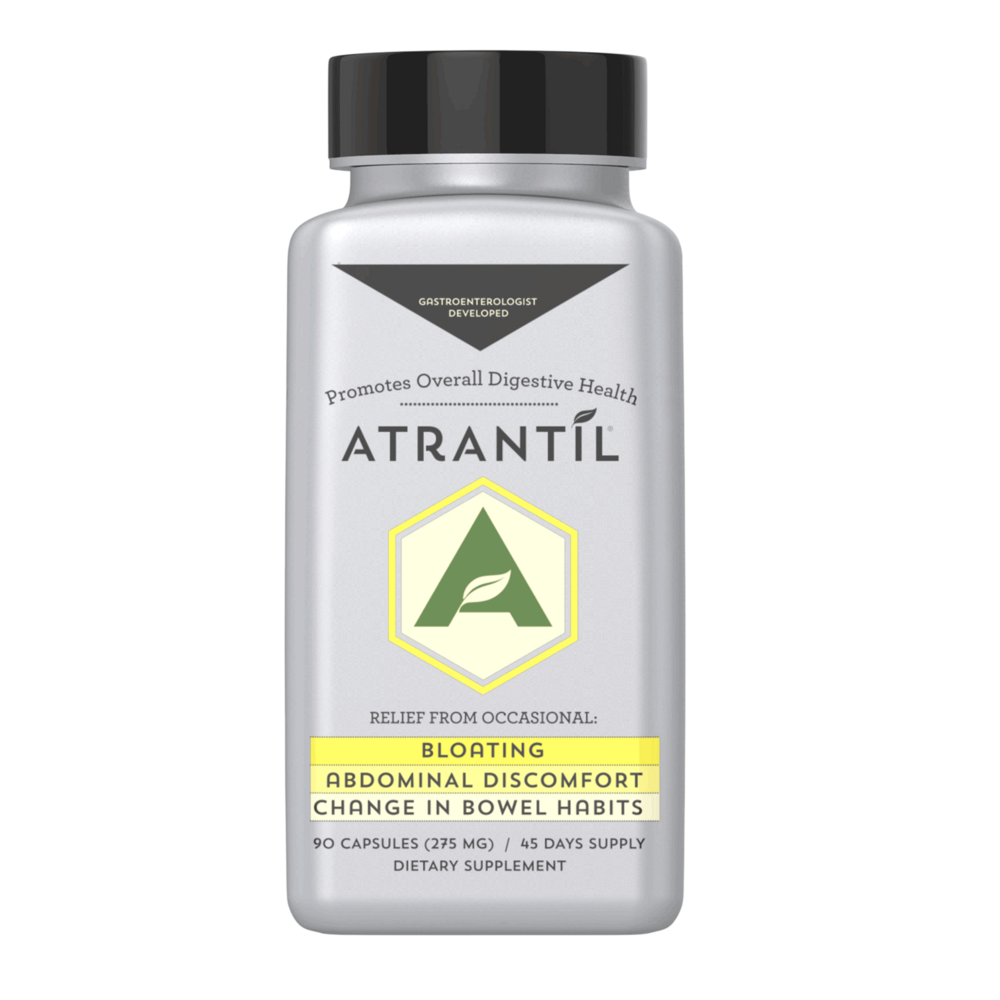
Atrantil
Atrantil
90 capsules
$39.99$31.99 with Subscribe & Save
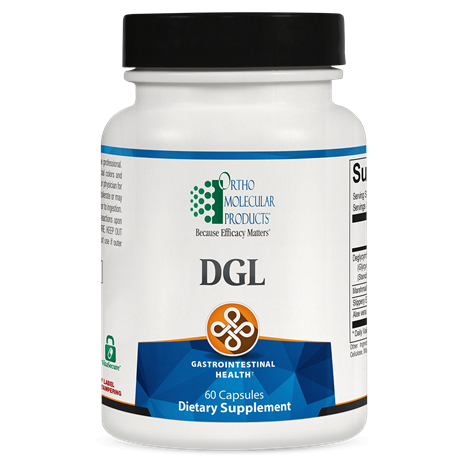
DGL
Ortho Molecular Products
60 capsules
$33.47$30.15 with Subscribe & Save
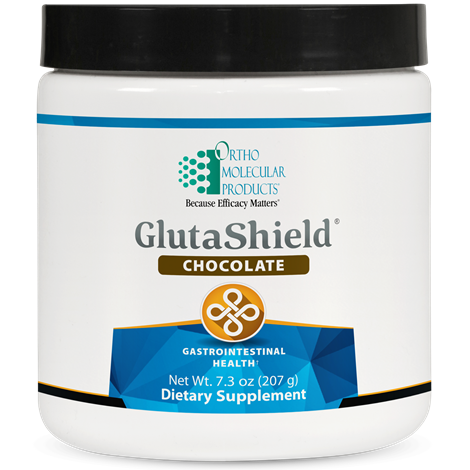
GlutaShield® Chocolate
Ortho Molecular Products
207 grams
$66.10$59.55 with Subscribe & Save
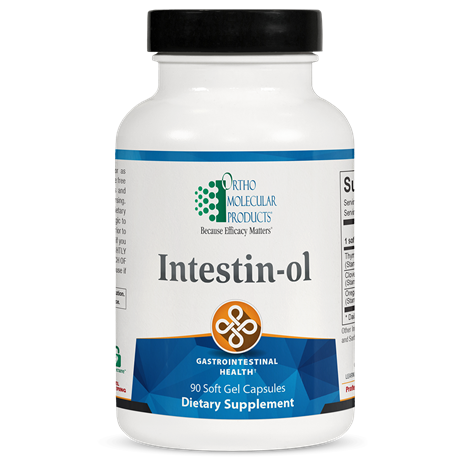
Intestin-ol
Ortho Molecular Products
90 capsules
$81.53$73.45 with Subscribe & Save