 Instalab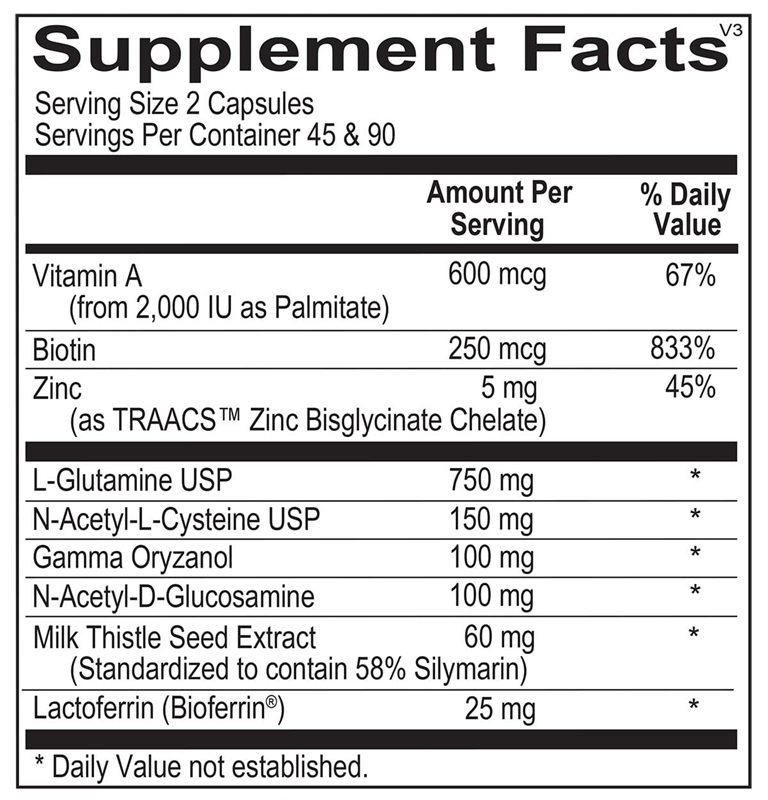
Ortho Molecular Products
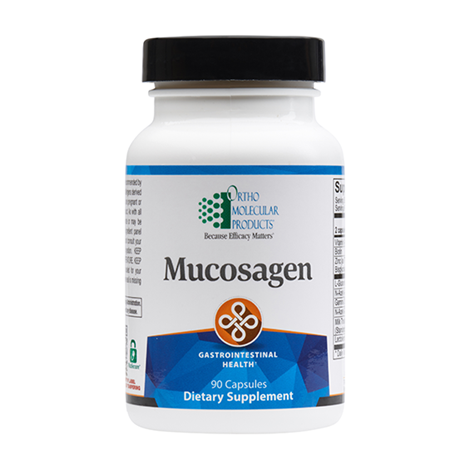
Mucosagen by Ortho Molecular Products
90 capsules · 45-day supply
Comprehensive Gut Support for Digestive Health and Nutrient Absorption$77.76
Purchase options
Practitioner-grade brand3rd-party testedFree shipping $50+
Gluten Free·Yeast Free·Artificial Color Free·Artificial Flavor Free
Ortho Molecular Products Mucosagen overview
If you’re looking for glutamine for gut lining recovery after antibiotics, frequent NSAID use, or a tough GI infection, this blend is built for that job. It also fits endurance athletes with exercise‑related gut upset and people with reactive digestion when certain foods hit. If your stool test shows elevated fecal calprotectin (an intestinal inflammation marker) or low secretory IgA (your gut’s antibody), you’re the profile that tends to notice steadier digestion within 2 to 4 weeks.
Glutamine is the preferred fuel for enterocytes, the cells that line your small intestine, so a steady supply helps them repair and maintain tight junctions (the seals that decide what gets through). Zinc bisglycinate supports those junctions and tissue healing, and N‑acetyl‑D‑glucosamine provides building blocks for the mucus layer that protects the lining. NAC (N‑acetylcysteine) raises glutathione, the liver’s main antioxidant, which can lower oxidative stress in the gut-liver axis. Lactoferrin binds free iron so fewer opportunistic bacteria can use it, while milk thistle (standardized silymarin) supports normal liver enzymes like ALT and GGT during recovery. Vitamin A and biotin round out epithelial integrity and immune signaling in the gut.
The suggested use is 2 capsules three times daily. Start with 2 capsules once daily for 3 to 4 days, then add a second, then third dose as tolerated. Take with meals if you’re prone to nausea. Consistency matters here; most notice smoother digestion or fewer trigger reactions within 2 to 4 weeks. If you already take a separate zinc supplement, consider pausing it to avoid doubling up.
NAC can amplify the effects of nitroglycerin, causing headaches and low blood pressure, so avoid that combo. Zinc reduces absorption of tetracycline and quinolone antibiotics; separate by at least 2 hours. N‑acetyl‑D‑glucosamine is often sourced from shellfish, so skip if you’re shellfish‑allergic. Lactoferrin is a milk‑derived protein; avoid with true dairy protein allergy. Because it contains preformed vitamin A, use caution in pregnancy and discuss with your clinician first.
Frequently asked questions
Does glutamine actually help a “leaky gut”?
Yes for many people with irritated intestines. Glutamine fuels the cells that maintain tight junctions (the gut’s seals). In practice, improvements show up as less food reactivity or urgency within 2–4 weeks, especially when paired with zinc and N‑acetyl‑D‑glucosamine.
How long before I notice results?
Most responders notice steadier digestion within 2–4 weeks of daily use. Give it 6–8 weeks if your stool calprotectin has been high or your symptoms have been long‑standing, and recheck markers like fecal calprotectin or secretory IgA if you track labs.
Can I take this with antibiotics?
You can, but separate doses. Zinc interferes with tetracycline and quinolone antibiotics, so take this at least 2 hours apart. Consider adding a probiotic and plan to reassess digestion 1–2 weeks after antibiotics finish.
Is NAC safe to take every day?
For most adults, daily NAC is well tolerated at these amounts. It can cause mild nausea or reflux in some. Do not combine with nitroglycerin, and check in if you have severe asthma or take multiple blood pressure medicines.
Is this dairy‑ or shellfish‑free?
It contains lactoferrin, a milk‑derived protein, and N‑acetyl‑D‑glucosamine, commonly sourced from shellfish. Avoid if you have milk protein or shellfish allergies. Lactose intolerance is different and is usually not an issue.
What labs are useful to track progress?
For gut inflammation and barrier health, track fecal calprotectin and secretory IgA. For liver cross‑talk, follow ALT, AST, and GGT. If you supplement zinc separately, a Zinc, Serum or Plasma test helps avoid excess.
Can I open the capsules?
Yes, the contents can be mixed into a small amount of cool food or drink. The taste is mildly bitter due to NAC. Take promptly after mixing and avoid hot liquids to preserve ingredient integrity.
How to take it & ingredients
Suggested use: 2 capsules three times per day or as recommended by your health care professional.
Active ingredients
2 capsules per serving · 45 servings
Vitamin A
From 2,000 IU as Palmitate
From 2,000 IU as Palmitate
600 mcg
Biotin
250 mcg
Zinc
As TRAACS™ Zinc Bisglycinate Chelate
As TRAACS™ Zinc Bisglycinate Chelate
5 mg
L-Glutamine
USP
USP
750 mg
N-Acetyl-L-Cysteine
USP
USP
150 mg
Gamma Oryzanol
100 mg
N-Acetyl-D-Glucosamine
100 mg
Milk Thistle Seed Extract
Standardized to contain 58% Silymarin
Standardized to contain 58% Silymarin
60 mg
Lactoferrin
Bioferrin®
Bioferrin®
25 mg
Certifications
Benefits
Warnings
Customers also considered
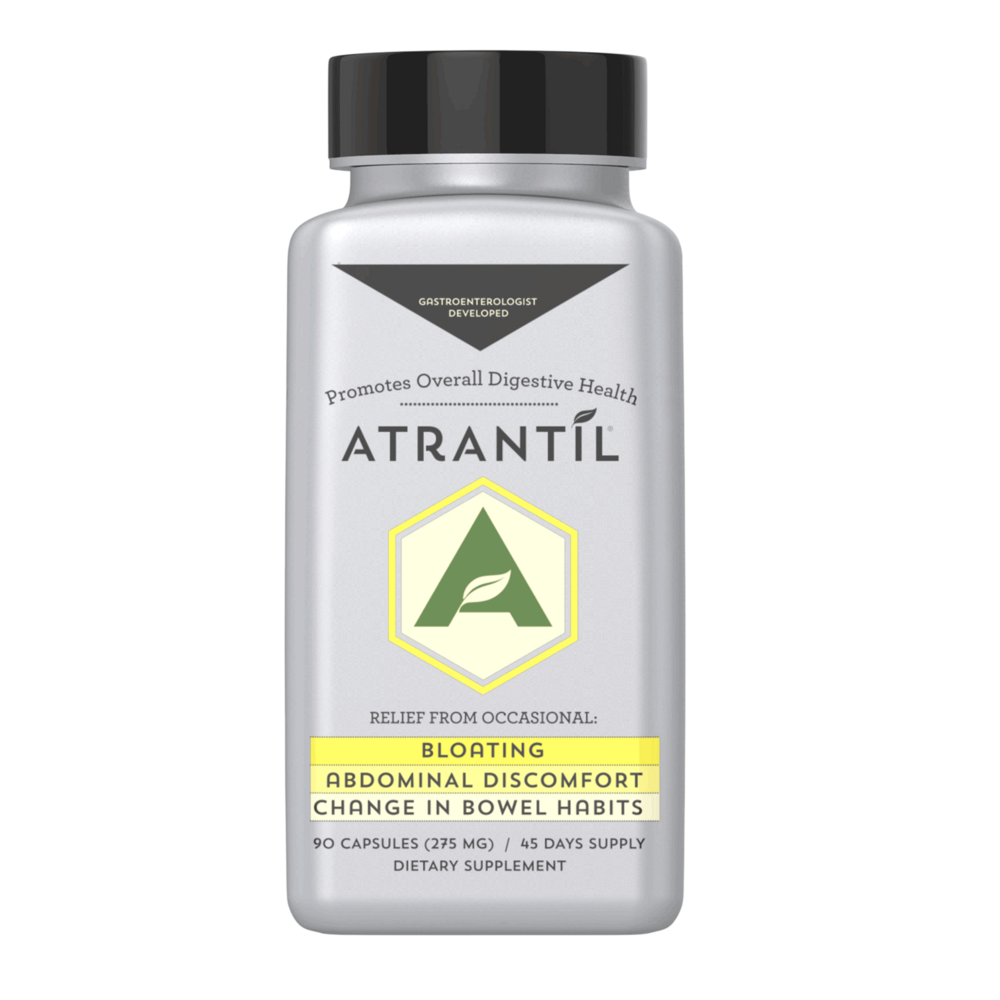
Atrantil
Atrantil
90 capsules
$39.99$31.99 with Subscribe & Save
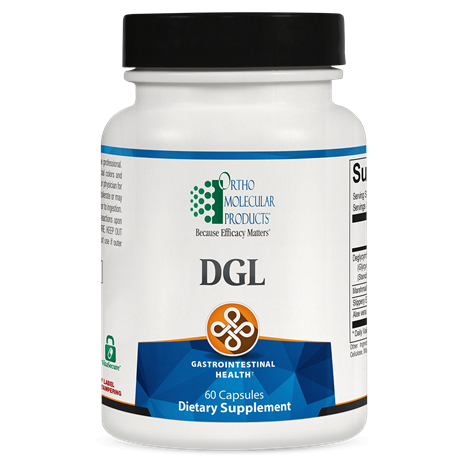
DGL
Ortho Molecular Products
60 capsules
$33.47$30.15 with Subscribe & Save
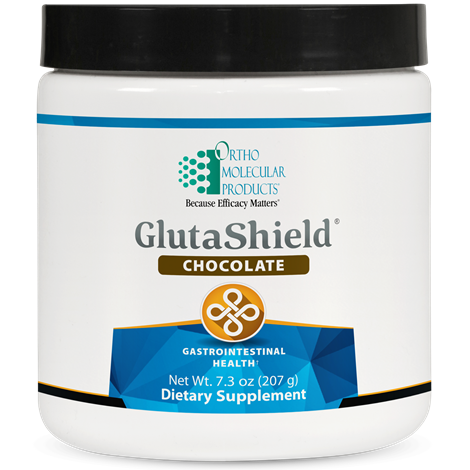
GlutaShield® Chocolate
Ortho Molecular Products
207 grams
$66.10$59.55 with Subscribe & Save
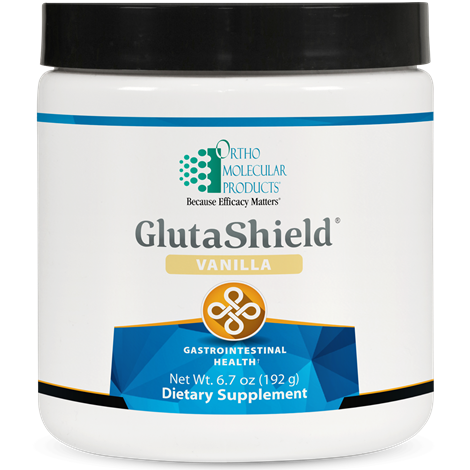
GlutaShield® Vanilla
Ortho Molecular Products
192 grams
$66.10$59.55 with Subscribe & Save