 Instalab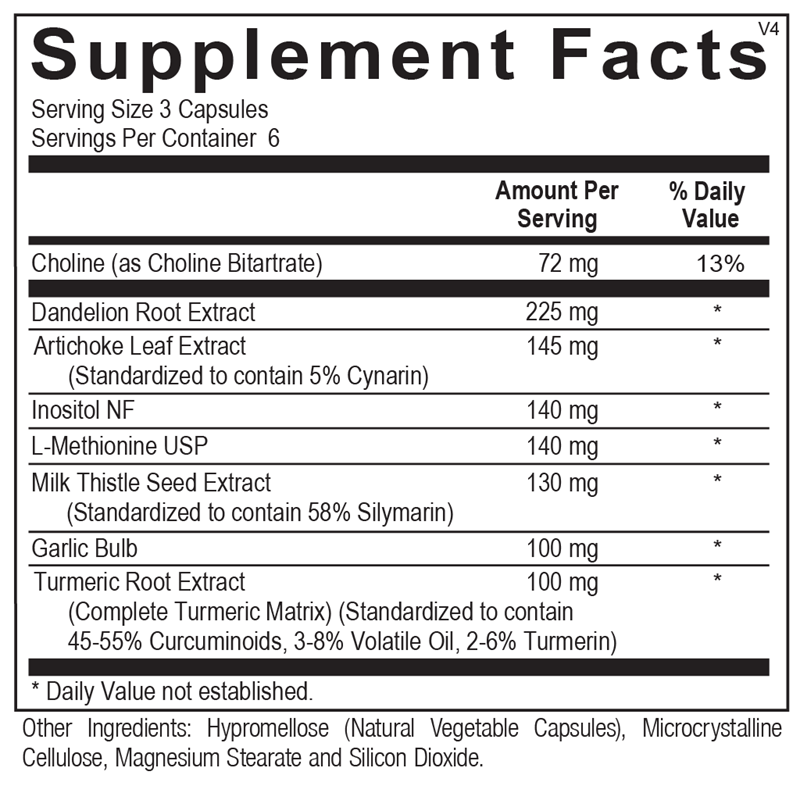
Ortho Molecular Products
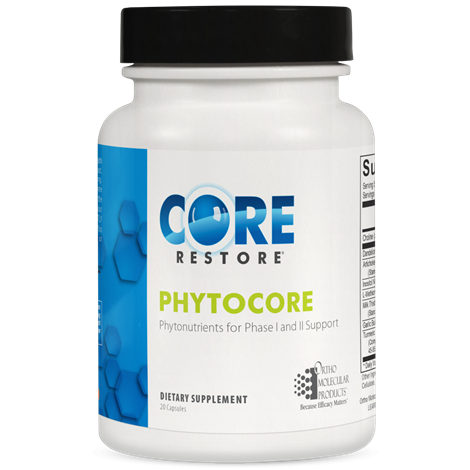
PhytoCore by Ortho Molecular Products
20 capsules · 6-day supply
Comprehensive Gut Support with Herbal and Nutritional Ingredients$27.58
Purchase options
Practitioner-grade brand3rd-party testedFree shipping $50+
Gluten Free·Yeast Free·Artificial Color Free·Artificial Flavor Free
Ortho Molecular Products PhytoCore overview
This is for adults with sluggish digestion after fatty meals, a low-choline diet (common in vegans and light egg eaters), or mildly elevated liver enzymes like ALT, AST, or GGT on recent labs. If you’re working on liver health with your clinician, this blend pairs bile-stimulating herbs with choline and methionine and includes bile-moving herbs can complement weight loss and reduced alcohol. It’s not a fix for heavy drinking or active hepatitis, and severe enzyme elevations need medical evaluation first.
Artichoke and dandelion increase bile flow, which helps the liver move waste into the gut and can ease fat-related indigestion. Milk thistle’s silymarin acts as an antioxidant inside hepatocytes (the liver’s working cells). Turmeric helps dial down inflammatory signaling, which is why some people see small drops in hs-CRP (a general inflammation marker). Choline, inositol, and L‑methionine help build phosphatidylcholine so the liver can export fat in VLDL particles (the form your liver packages fat into for transport), relevant for fat transport from the liver.
Take 2–3 capsules twice daily with meals to limit nausea and to pair bile-stimulating herbs with food. Most people notice digestive changes within 1–2 weeks; recheck ALT, AST, and GGT after 4–8 weeks to gauge effect. If your choline intake is low, keep one dose with your largest meal. Hydrate well, limit alcohol, and avoid unnecessary acetaminophen. If you need higher-intensity choline repletion, eggs or a separate choline supplement can be more efficient.
Skip if you have gallstones, bile duct obstruction, or right‑upper‑quadrant pain unless cleared by your clinician—bile stimulants can trigger attacks. Avoid in pregnancy and while breastfeeding. Use caution with blood thinners (warfarin, apixaban, rivaroxaban) or antiplatelets (clopidogrel) because turmeric and garlic can increase bleeding risk. Allergy to ragweed family plants (artichoke, dandelion) is a red flag. If you’re on chemotherapy or strong immunosuppressants, review with your specialist.
Frequently asked questions
How long does a liver detox supplement take to work?
Digestive comfort often improves within 1–2 weeks. For lab changes, recheck ALT, AST, and GGT after 4–8 weeks alongside diet and alcohol moderation. Bigger shifts usually track with weight loss and choline intake.
Can I take this with a statin or other liver-metabolized drugs?
Often yes, but review with your prescriber. Turmeric and garlic can affect drug metabolism and bleeding risk. Get baseline and follow-up liver enzymes, and separate dosing by a few hours if you have a sensitive stomach.
Does milk thistle really help the liver?
Evidence is mixed. Silymarin shows antioxidant and membrane-stabilizing effects, with modest enzyme improvements in some studies. It’s reasonable as adjunctive care, but it’s not a treatment for active hepatitis or heavy alcohol use.
Is this safe if I have gallstones or biliary sludge?
No. Herbs that increase bile flow, like artichoke and dandelion, can provoke pain or obstruction. Get imaging and a plan with your clinician before using any choleretic formulas.
Can I drink alcohol while taking liver support supplements?
You can, but it undercuts the goal. Limit or avoid alcohol while you’re aiming to improve ALT, AST, and GGT, then reassess after 4–8 weeks. Spacing doses from drinks doesn’t offset alcohol’s liver load.
What side effects should I watch for?
Most are digestive: nausea, loose stools, or bitter taste. Rarely, increased right‑upper‑quadrant pain can signal gallbladder irritation. Easy bruising or nosebleeds suggest a bleeding interaction—stop and contact your clinician.
Do I need extra choline if I’m plant-based?
Often, yes. Choline is lower on vegan diets. This blend supplies some, but eggs or a dedicated choline supplement are more efficient if your intake is low or if you’re working on liver health with your clinician.
How to take it & ingredients
Suggested use: 2-3 capsules two times per day or as recommended by your health care professional.
Active ingredients
3 capsules per serving · 7 servings
Choline
As Choline Bitartrate
As Choline Bitartrate
72 mg
Dandelion Root Extract
225 mg
Artichoke Leaf Extract
Standardized to contain 5% Cynarin
Standardized to contain 5% Cynarin
145 mg
Inositol
NF
NF
140 mg
L-Methionine
USP
USP
140 mg
Milk Thistle Seed Extract
Standardized to contain 58% Silymarin
Standardized to contain 58% Silymarin
130 mg
Garlic Bulb
100 mg
Turmeric Root Extract
Complete Turmeric Matrix (Standardized to contain 45-55% Curcuminoids, 3-8% Volatile Oil, 2-6% Turmerin)
Complete Turmeric Matrix (Standardized to contain 45-55% Curcuminoids, 3-8% Volatile Oil, 2-6% Turmerin)
100 mg
Other ingredients: Hypromellose (Natural Vegetable Capsules), Microcrystalline Cellulose, Magnesium Stearate, Silicon Dioxide
Certifications
Benefits
Warnings
Customers also considered
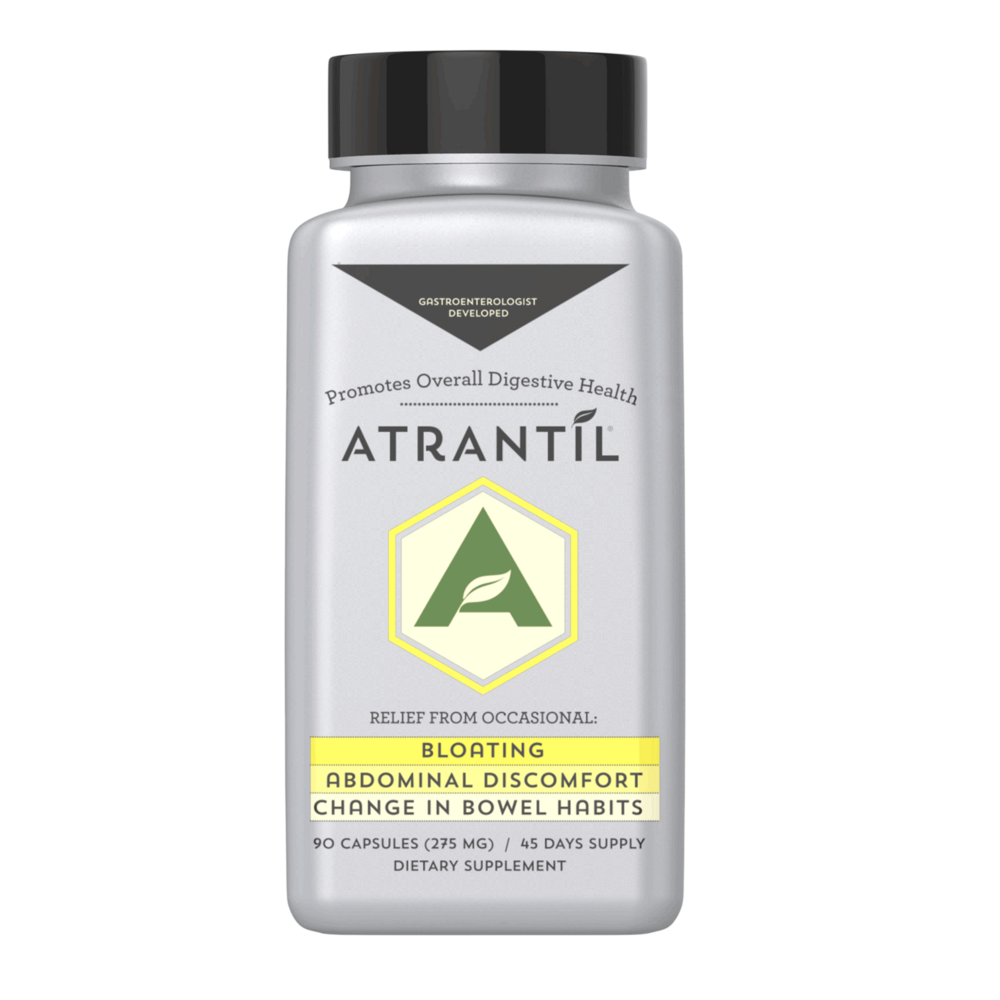
Atrantil
Atrantil
90 capsules
$39.99$31.99 with Subscribe & Save
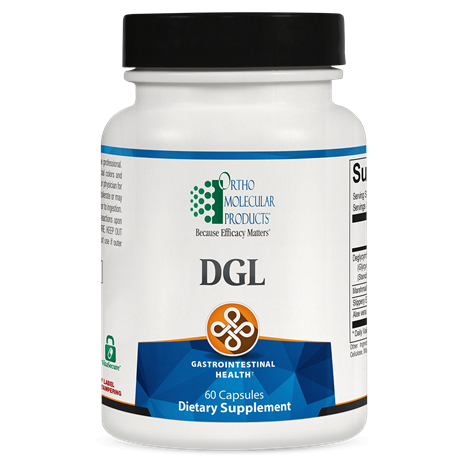
DGL
Ortho Molecular Products
60 capsules
$33.47$30.15 with Subscribe & Save
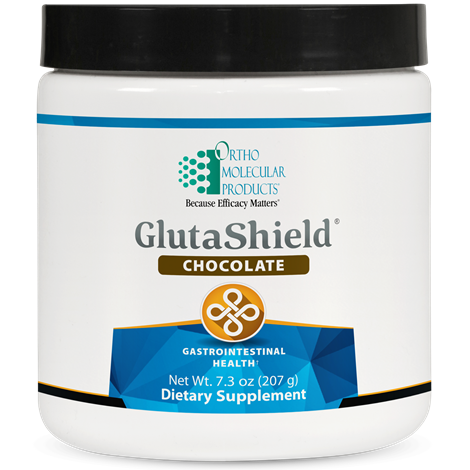
GlutaShield® Chocolate
Ortho Molecular Products
207 grams
$66.10$59.55 with Subscribe & Save
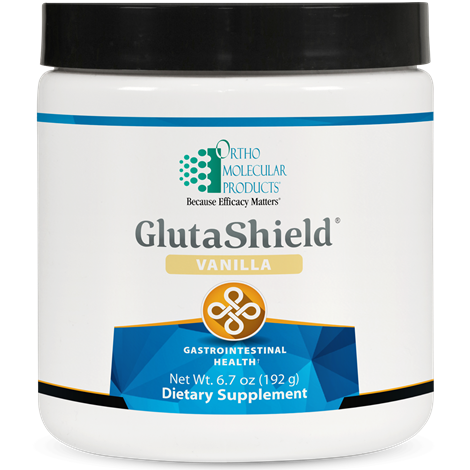
GlutaShield® Vanilla
Ortho Molecular Products
192 grams
$66.10$59.55 with Subscribe & Save