 Instalab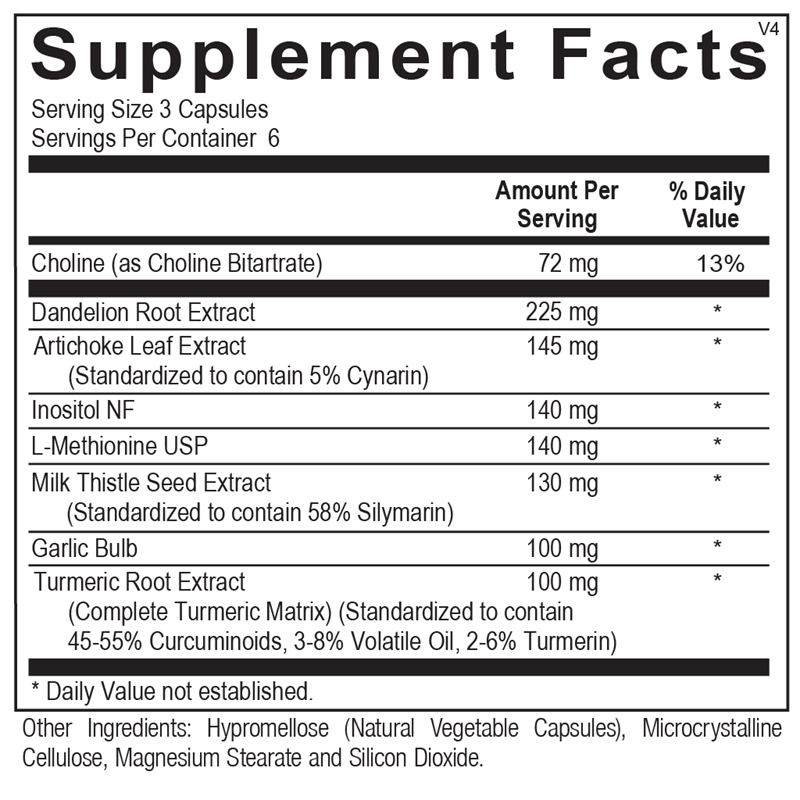
Ortho Molecular Products
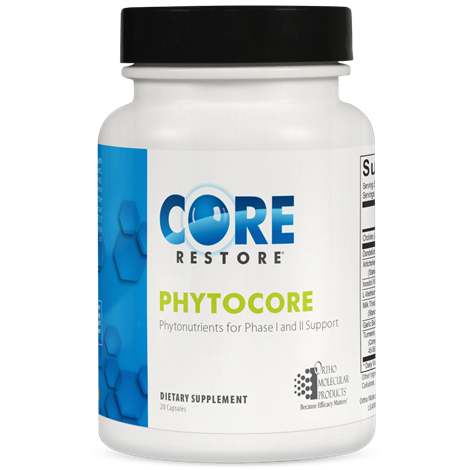
PhytoCore by Ortho Molecular Products
120 capsules · 40-day supply
Comprehensive Gut Support for Digestive Health and Detoxification$74.76
Purchase options
Practitioner-grade brand3rd-party testedFree shipping $50+
Gluten Free·Yeast Free·Artificial Color Free·Artificial Flavor Free
Ortho Molecular Products PhytoCore overview
If fatty meals leave you bloated or you’ve been told your liver enzymes like ALT or AST (proteins that leak from stressed liver cells) are edging up, this liver detox supplement is a practical adjunct while you address diet, alcohol, and weight. It also fits low‑choline eaters—people who rarely eat eggs or meat—and adults with low Omega-3 Index who struggle with fat digestion. Use it as a 4 to 12 week reset, then reassess labs such as ALT, AST, GGT, and hs-CRP (an inflammation marker).
Milk thistle’s silymarin (an antioxidant complex) helps stabilize liver cell membranes and reduce oxidative stress. Artichoke and dandelion are choleretics, meaning they increase bile flow, which can ease fat-related indigestion and help carry waste out through the gut. Turmeric curcuminoids temper inflammatory signaling, with modest hs-CRP reductions in some users. Choline and inositol help the liver package fat into VLDL particles (the form your liver ships fat out), while L‑methionine donates methyl groups (chemical tags used in detox reactions). A touch of garlic rounds out bile stimulation.
Take 2–3 capsules twice daily with meals that contain some fat, which pairs with the bile‑support ingredients. Most people run it for 4 to 12 weeks, then taper and retest ALT, AST, and GGT. If using methionine longer term, ensure you’re meeting B6, B12, and folate needs, since these B vitamins help keep homocysteine (a sulfur amino acid) in a healthy range.
Skip if you have gallstones causing symptoms or any bile duct obstruction, since artichoke and dandelion increase bile flow. Use caution with blood thinners or antiplatelets (warfarin, apixaban, clopidogrel, higher-dose aspirin), as turmeric and garlic can add a mild blood‑thinning effect. Allergic to ragweed family plants? Dandelion and milk thistle may cross-react. Pregnancy and breastfeeding: avoid unless your clinician agrees.
Turmeric and milk thistle can nudge drug‑metabolism pathways, so check with your prescriber if you take narrow‑therapeutic‑window meds like tacrolimus or cyclosporine. If your baseline choline intake is low, this formula pairs well with an Omega-3 like fish oil. Track ALT, AST, GGT, bilirubin, and hs-CRP within 4 to 12 weeks to see if it’s pulling its weight.
Frequently asked questions
How long until a liver detox supplement shows results?
Most people who respond see changes in digestion within 1–2 weeks and shifts in labs like ALT, AST, or GGT within 4–12 weeks. Recheck labs after a full bottle cycle, alongside diet, alcohol, and weight changes.
Can I take this with alcohol?
Don’t use it to offset active drinking. The useful approach is to reduce or pause alcohol while you take it for 4–12 weeks, then retest ALT, AST, and GGT. If you choose to drink, keep it light and infrequent.
Is milk thistle actually good for liver enzymes?
Evidence is mixed but reasonable: some trials show small improvements in ALT and AST in people with liver stress. It’s not a cure, but it’s a low-risk adjunct while you fix root causes like alcohol, excess calories, or medications.
Does turmeric thin your blood?
Turmeric has a mild blood‑thinning effect. If you’re on anticoagulants or antiplatelets (warfarin, apixaban, clopidogrel, higher-dose aspirin), talk to your clinician and consider additional monitoring for bruising or bleeding.
Is this safe with gallstones?
If you have symptomatic gallstones or any bile duct blockage, avoid choleretics like artichoke and dandelion. They can increase bile flow and provoke pain. Get evaluated first and follow your clinician’s guidance.
Do I need extra B vitamins with methionine?
If you use methionine for more than a few weeks, ensure adequate folate, B6, and B12 through diet or a multivitamin. These B vitamins help process homocysteine, which can rise with higher methionine intake.
Which labs should I track while using this?
Track ALT, AST, GGT, and bilirubin for liver function, and hs-CRP for inflammation. If fat metabolism is a concern, add a lipid panel. Recheck in 4–12 weeks to decide whether to continue or taper.
How to take it & ingredients
Suggested use: 2-3 capsules two times per day or as recommended by your health care professional.
Active ingredients
3 capsules per serving · 40 servings
Choline
As Choline Bitartrate
As Choline Bitartrate
72 mg
Dandelion Root Extract
225 mg
Artichoke Leaf Extract
Standardized to contain 5% Cynarin
Standardized to contain 5% Cynarin
145 mg
Inositol
NF
NF
140 mg
L-Methionine
USP
USP
140 mg
Milk Thistle Seed Extract
Standardized to contain 58% Silymarin
Standardized to contain 58% Silymarin
130 mg
Garlic Bulb
100 mg
Turmeric Root Extract
Complete Turmeric Matrix (Standardized to contain 45-55% Curcuminoids, 3-8% Volatile Oil, 2-6% Turmerin)
Complete Turmeric Matrix (Standardized to contain 45-55% Curcuminoids, 3-8% Volatile Oil, 2-6% Turmerin)
100 mg
Other ingredients: Hypromellose (Natural Vegetable Capsules), Microcrystalline Cellulose, Magnesium Stearate, Silicon Dioxide
Certifications
Benefits
Warnings
Customers also considered
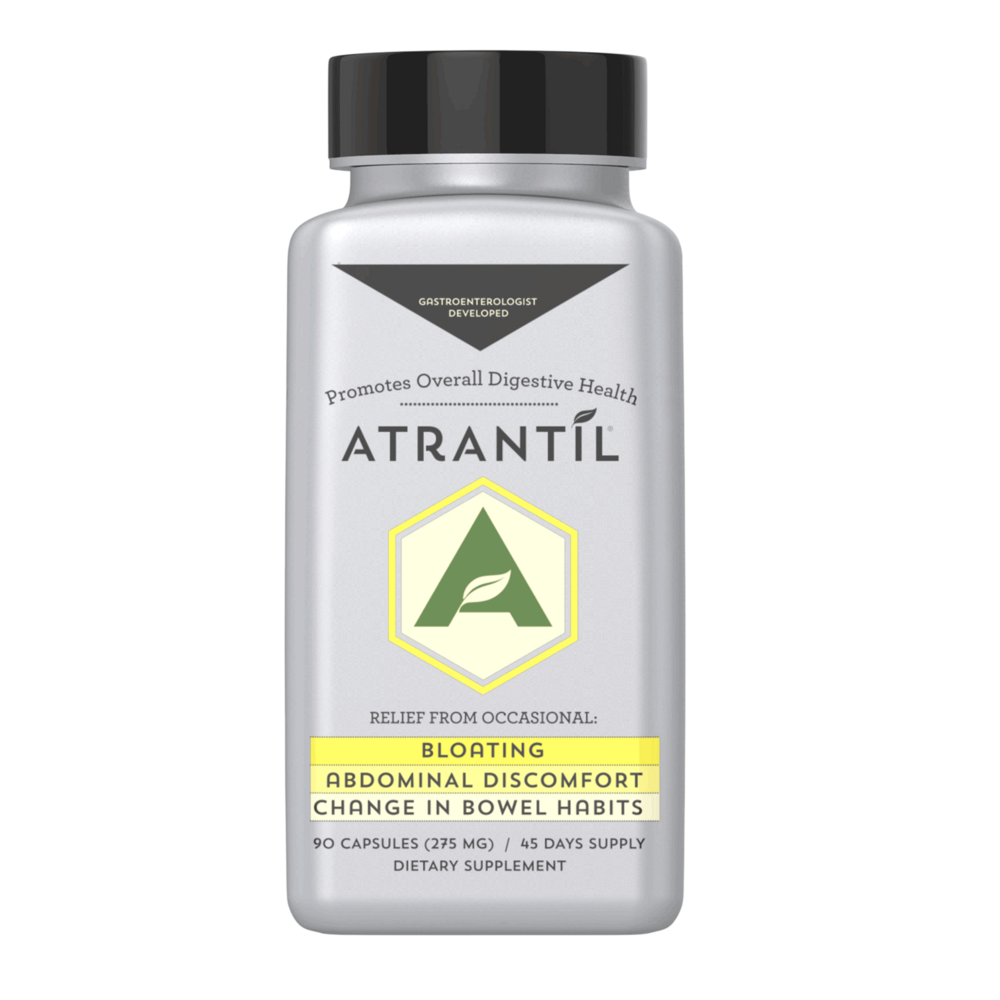
Atrantil
Atrantil
90 capsules
$39.99$31.99 with Subscribe & Save
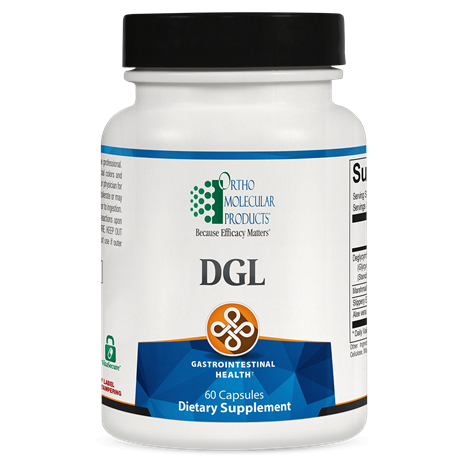
DGL
Ortho Molecular Products
60 capsules
$33.47$30.15 with Subscribe & Save
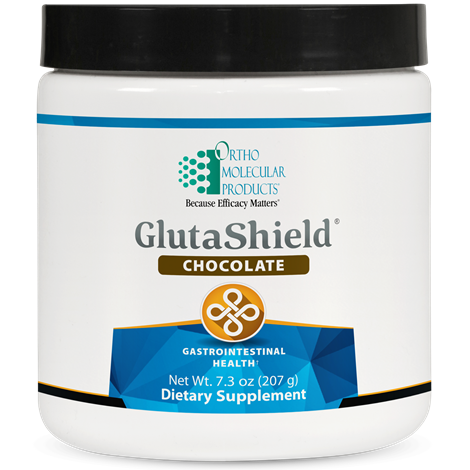
GlutaShield® Chocolate
Ortho Molecular Products
207 grams
$66.10$59.55 with Subscribe & Save
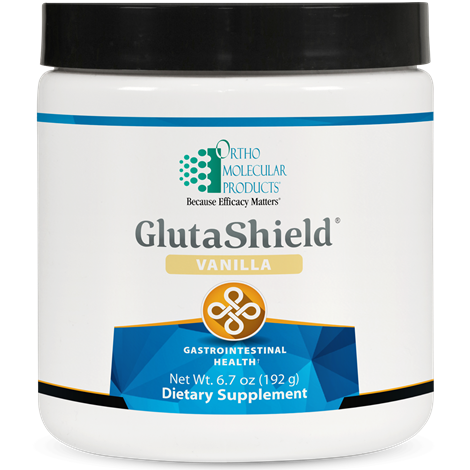
GlutaShield® Vanilla
Ortho Molecular Products
192 grams
$66.10$59.55 with Subscribe & Save