 Instalab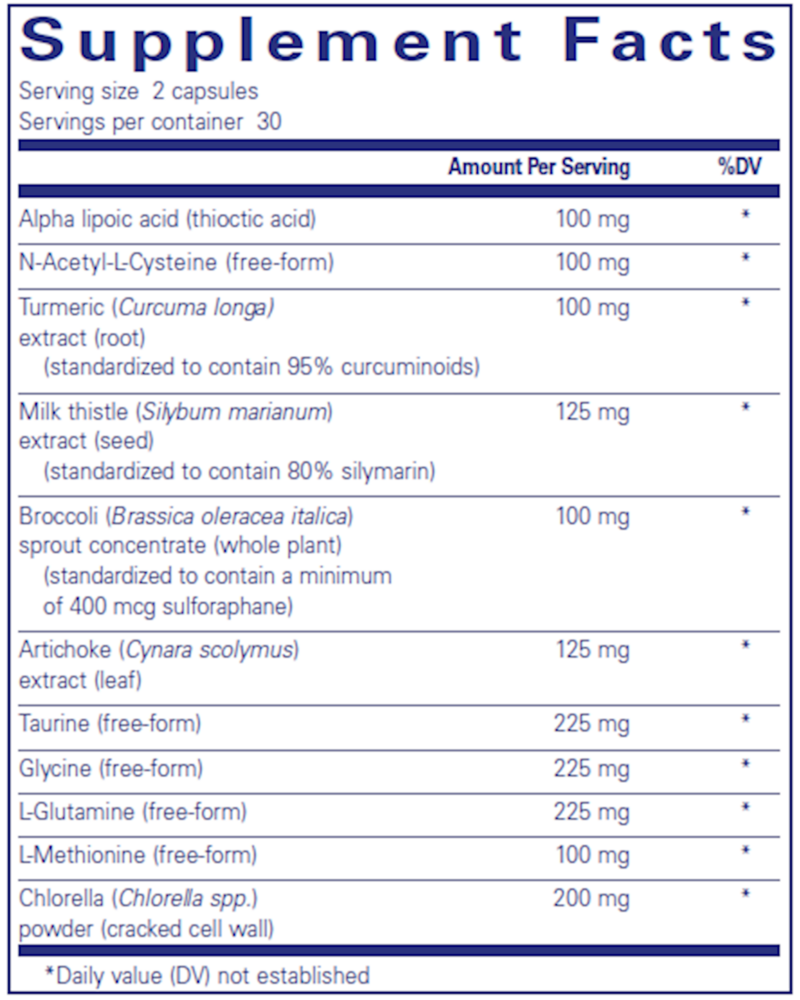
Pure Encapsulations
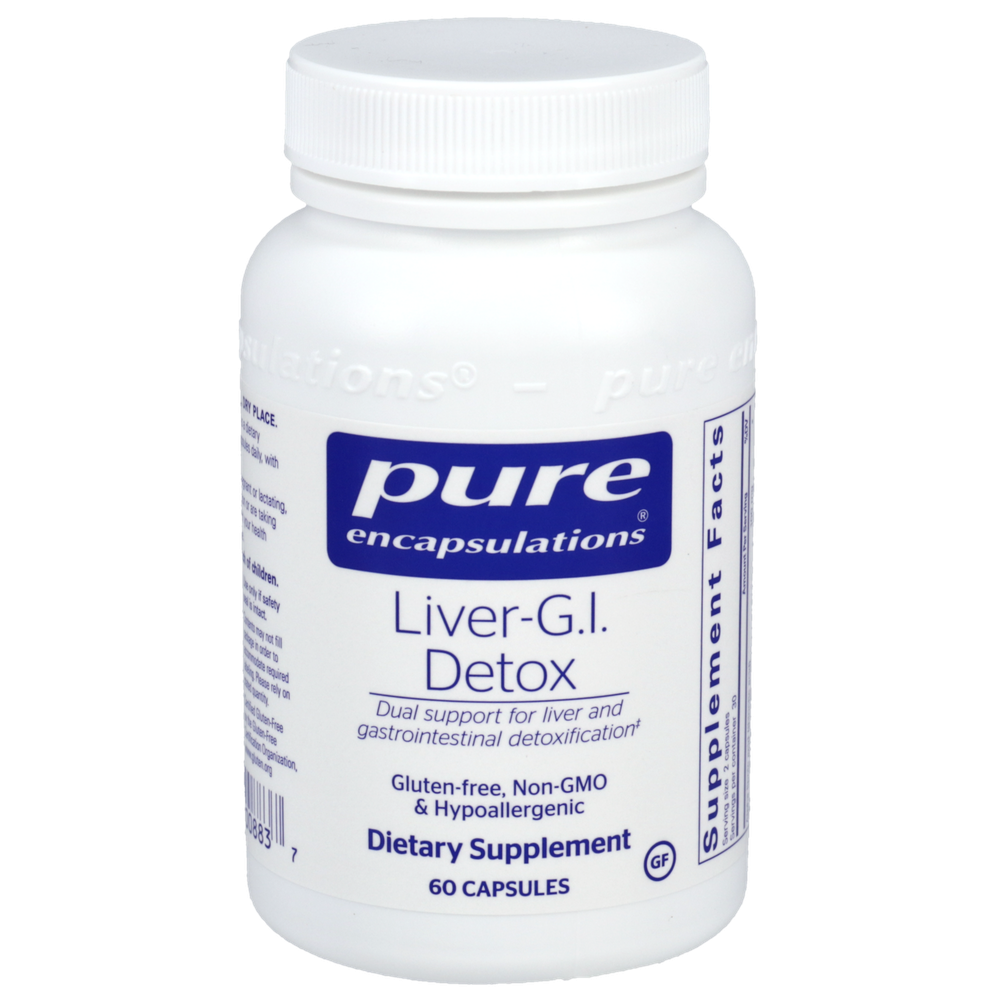
Liver-G.I. Detox* by Pure Encapsulations
60 capsules · 30-day supply
Comprehensive Support for Liver Health and Detoxification$35.00
Purchase options
Practitioner-grade brand3rd-party testedFree shipping $50+
Gluten Free
Pure Encapsulations Liver-G.I. Detox* overview
If your liver markers (ALT, AST, GGT on a comprehensive metabolic or hepatic panel) run high-normal or mildly elevated, a liver detox supplement like this is a reasonable trial. It fits people with low seafood intake, regular alcohol use, fatty-liver risk from central weight gain, or multiple medications that tax bile flow. It’s also useful if stool fat is an issue or your hs-CRP (a general inflammation marker) runs up. Expect any lab shifts to show within 4 to 12 weeks.
N‑acetylcysteine and glycine feed glutathione, the liver’s main detox molecule that tags chemicals for removal. Alpha‑lipoic acid helps recycle glutathione and vitamin C. Milk thistle (silymarin) and turmeric (curcuminoids) provide antioxidant and cell-membrane support. Broccoli sprout sulforaphane turns on Phase II enzymes (the liver’s conjugation machinery). Taurine and methionine aid bile acid conjugation, while artichoke supports bile flow. Glutamine helps the gut lining, and chlorella binds some compounds in the intestinal tract so they exit in stool.
Take 2 capsules daily with a meal, ideally one that contains some fat to aid absorption of turmeric and milk thistle. You can split the dose across breakfast and dinner if you’re sensitive. Hydrate well, target daily fiber, and keep protein adequate to supply sulfur amino acids. Recheck ALT, AST, GGT, and hs-CRP after 8 to 12 weeks. If alcohol intake or fasting insulin is high, addressing those usually moves labs more than any supplement.
Skip during pregnancy or breastfeeding, with active gallstones or biliary obstruction, or if you’ve had reactions to turmeric, milk thistle (ragweed family), or chlorella. Turmeric can amplify bleeding risk with warfarin or direct oral anticoagulants. NAC can intensify nitroglycerin, causing headache or low blood pressure. If you’re on chemotherapy or strong immunosuppressants, clear any antioxidant or botanical formula with your oncologist or prescribing team first.
Frequently asked questions
How long before I see changes in ALT or GGT?
If it’s going to help, liver enzymes like ALT and GGT often improve within 4–12 weeks alongside diet changes and reduced alcohol. Recheck labs after that window. If numbers don’t budge, revisit the plan with your clinician.
Should I take this liver detox with food or on an empty stomach?
Take it with a meal. A little dietary fat helps absorb turmeric and milk thistle. Taking with food also reduces nausea that some people get from NAC or alpha‑lipoic acid.
Does turmeric in this thin your blood?
Turmeric can increase bleeding tendency, especially with blood thinners like warfarin or apixaban. If you use anticoagulants or high‑dose NSAIDs, avoid this or clear it with your prescriber and monitor closely.
Is this good for fatty liver?
It can help as part of a plan that targets weight, alcohol, and insulin resistance. NAC, milk thistle, and sulforaphane support liver defenses, but diet, exercise, and alcohol reduction drive the biggest changes in liver fat and labs.
Can I take this with my prescriptions?
Some ingredients interact. Turmeric may affect anticoagulants. Milk thistle can influence drug-metabolizing enzymes. NAC can potentiate nitroglycerin. Bring the full label to your clinician or pharmacist for a check.
Any common side effects I should know about?
Mild nausea, loose stools, greenish stool color (chlorella), or headache can occur. Splitting the dose with meals and staying hydrated helps. Stop if you develop rash, right‑upper‑abdominal pain, or persistent GI symptoms.
Can I open the capsules?
Yes, you can open them and mix into a smoothie or soft food. The taste is herbal and slightly sulfurous. Still take with food to minimize stomach upset and to improve absorption of the botanicals.
Do I need to take this forever?
No. Use for 8–12 weeks, track ALT, AST, GGT, and hs-CRP, then reassess. Many people cycle it during higher exposure periods and focus on diet, fiber, and alcohol moderation for ongoing liver health.
How to take it & ingredients
Suggested use: As a dietary supplement, take 2 capsules daily, with a meal.
Active ingredients
2 capsules per serving · 30 servings
Alpha Lipoic Acid
Thioctic acid
Thioctic acid
100 mg
N-Acetyl-L-Cysteine
Free-form
Free-form
100 mg
Turmeric Extract
Curcuma longa, root, standardized to contain 95% curcuminoids
Curcuma longa, root, standardized to contain 95% curcuminoids
100 mg
Milk Thistle Extract
Silybum marianum, seed, standardized to contain 80% silymarin
Silybum marianum, seed, standardized to contain 80% silymarin
125 mg
Broccoli Sprout Concentrate
Brassica oleracea italica, whole plant, standardized to contain a minimum of 400 mcg sulforaphane
Brassica oleracea italica, whole plant, standardized to contain a minimum of 400 mcg sulforaphane
100 mg
Artichoke Extract
Cynara scolymus l., leaf
Cynara scolymus l., leaf
100 mg
Taurine
Free-form
Free-form
225 mg
Glycine
Free-form
Free-form
225 mg
L-Glutamine
Free-form
Free-form
225 mg
L-Methionine
Free-form
Free-form
100 mg
Chlorella Powder
Chlorella pyrenoidosa, cracked cell wall
Chlorella pyrenoidosa, cracked cell wall
200 mg
Other ingredients: Ascorbyl palmitate, Vegetarian capsule (cellulose, water)
Certifications
Benefits
Warnings
Customers also considered
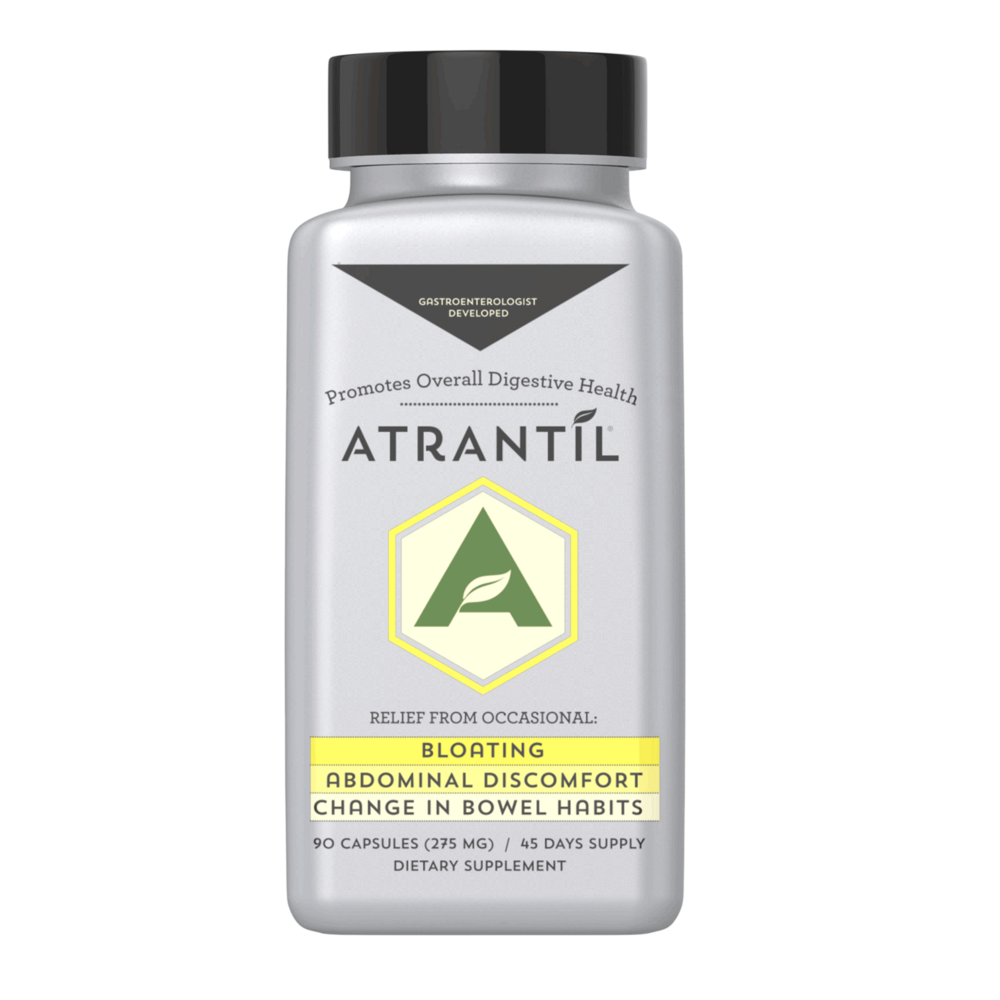
Atrantil
Atrantil
90 capsules
$39.99$31.99 with Subscribe & Save
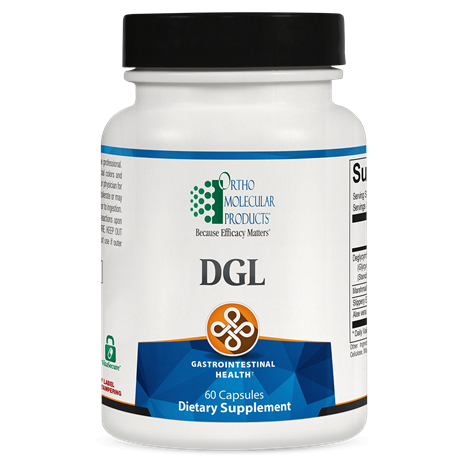
DGL
Ortho Molecular Products
60 capsules
$33.47$30.15 with Subscribe & Save
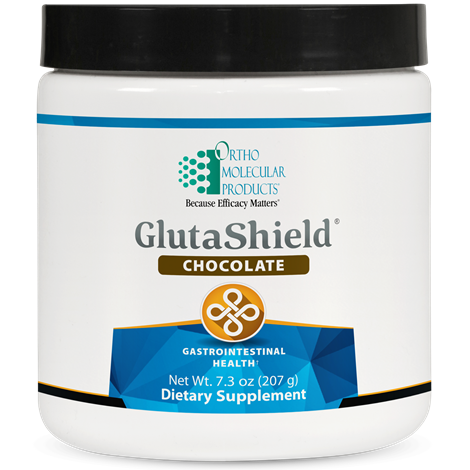
GlutaShield® Chocolate
Ortho Molecular Products
207 grams
$66.10$59.55 with Subscribe & Save
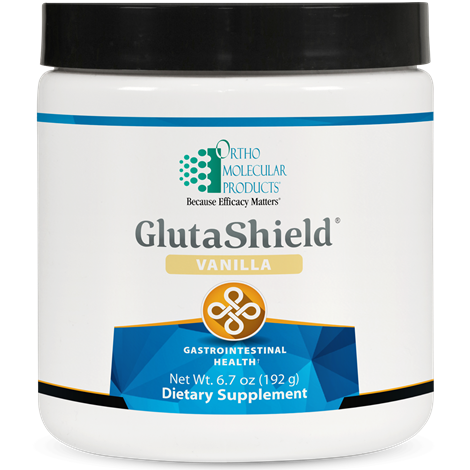
GlutaShield® Vanilla
Ortho Molecular Products
192 grams
$66.10$59.55 with Subscribe & Save