 Instalab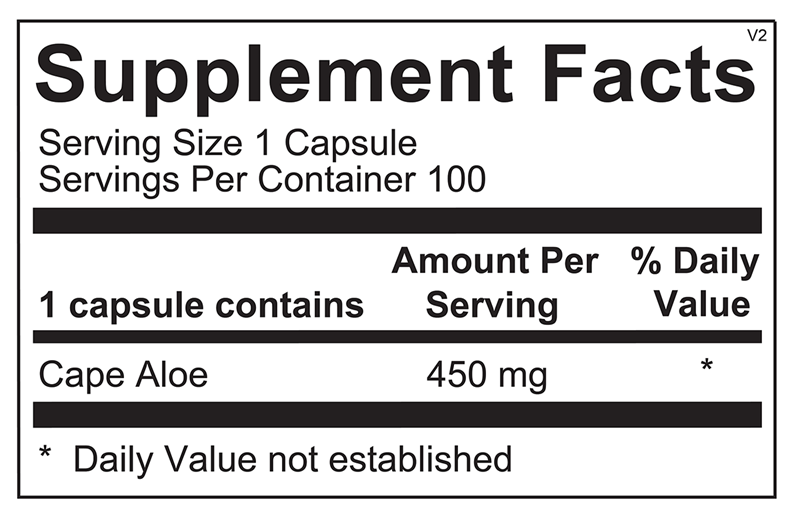

Ortho Molecular Products
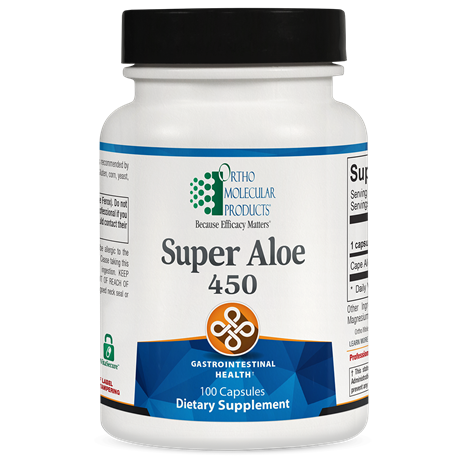
Super Aloe 450 by Ortho Molecular Products
100 capsules · 100-day supply
Natural Support for Digestive Health and Regularity$39.24
Purchase options
Practitioner-grade brand3rd-party testedFree shipping $50+
Gluten Free·Wheat Free·Yeast Free·Artificial Color Free·Artificial Flavor Free
Ortho Molecular Products Super Aloe 450 overview
Occasional constipation from travel, low-fiber days, or post-op opioid use is where cape aloe shines. If stools are hard despite hydration and fiber, this gives a nudge overnight without relying on harsh osmotic laxatives like polyethylene glycol. It’s not a fix for chronic constipation from slow thyroid or pelvic floor issues; use it briefly while you work on fiber, fluids, movement, and medication review with your clinician.
Cape aloe (Aloe ferox) contains anthraquinone glycosides that gut bacteria convert into active compounds. These increase chloride secretion into the colon, pulling water into stool, and stimulate peristalsis, the wave-like muscle contractions that move stool along. That combo is why most people see an effect within 6–24 hours. Cramping can happen with any stimulant laxative; many find cape aloe gentler than senna, but the mechanism is similar.
Take one capsule at bedtime, then wait a full day before deciding on another dose as Ortho Molecular Products suggests. Start low and use the smallest amount that produces a soft, formed stool. Keep drinking water and add daytime fiber such as psyllium. For ongoing needs beyond a few days, rotate strategies (fiber, magnesium citrate, prune/kiwi) and address causes rather than taking cape aloe nightly.
Avoid cape aloe in pregnancy or while nursing, with unexplained abdominal pain, blood in stool, known bowel obstruction, or during inflammatory bowel disease flares. If you have kidney disease or a history of low potassium (the mineral that keeps heart rhythm steady), talk to your clinician first. Be careful if you take a thiazide diuretic (a blood pressure water pill), loop diuretics, corticosteroids, or digoxin, since extra potassium loss raises risks.
Frequently asked questions
How fast does cape aloe work?
Most people have a bowel movement within 6–24 hours after a bedtime dose. If nothing happens after a full day, reassess fluids and fiber before considering another dose.
Can I take cape aloe every day?
Use it short-term for occasional constipation, not as a daily habit. Long-term use of stimulant laxatives can cause electrolyte shifts and reliance. Fix diet, fluids, and meds instead.
What are common cape aloe side effects?
Cramping, loose stools, and urgency are the most common. With frequent use, low potassium can occur, which can affect heart rhythm. Stop if you see blood or persistent pain.
Is cape aloe safe in pregnancy or breastfeeding?
No. Skip stimulant laxatives like cape aloe during pregnancy and breastfeeding. Talk with your obstetric clinician about bulk-forming fiber and stool softeners instead.
Can I combine cape aloe with magnesium or fiber?
Yes, pairing with daytime fiber like psyllium helps consistency. Avoid taking it the same night as high-dose magnesium citrate to reduce the chance of diarrhea and cramping.
Does cape aloe interact with medications?
Be cautious with diuretics, corticosteroids, and digoxin; extra potassium loss can be risky. If you’re on these, or on multiple meds, check with your clinician first.
How does cape aloe compare to senna or cascara?
All are stimulant laxatives that act within a day. Some people report less cramping with cape aloe, but responses vary. If one causes cramps, try a lower dose or a different class.
How to take it & ingredients
Suggested use: 1 capsule at bedtime (allow 24 hours before redosing) or as recommended by your health care professional.
Active ingredients
1 capsule per serving · 100 servings
Cape Aloe
Aloe ferox (solid residue from evaporated liquid aloe)
Aloe ferox (solid residue from evaporated liquid aloe)
450 mg
Other ingredients: Hypromellose (Natural Vegetable Capsule), Microcrystalline Cellulose, Magnesium Stearate, Silicon Dioxide
Certifications
Benefits
Warnings
Customers also considered
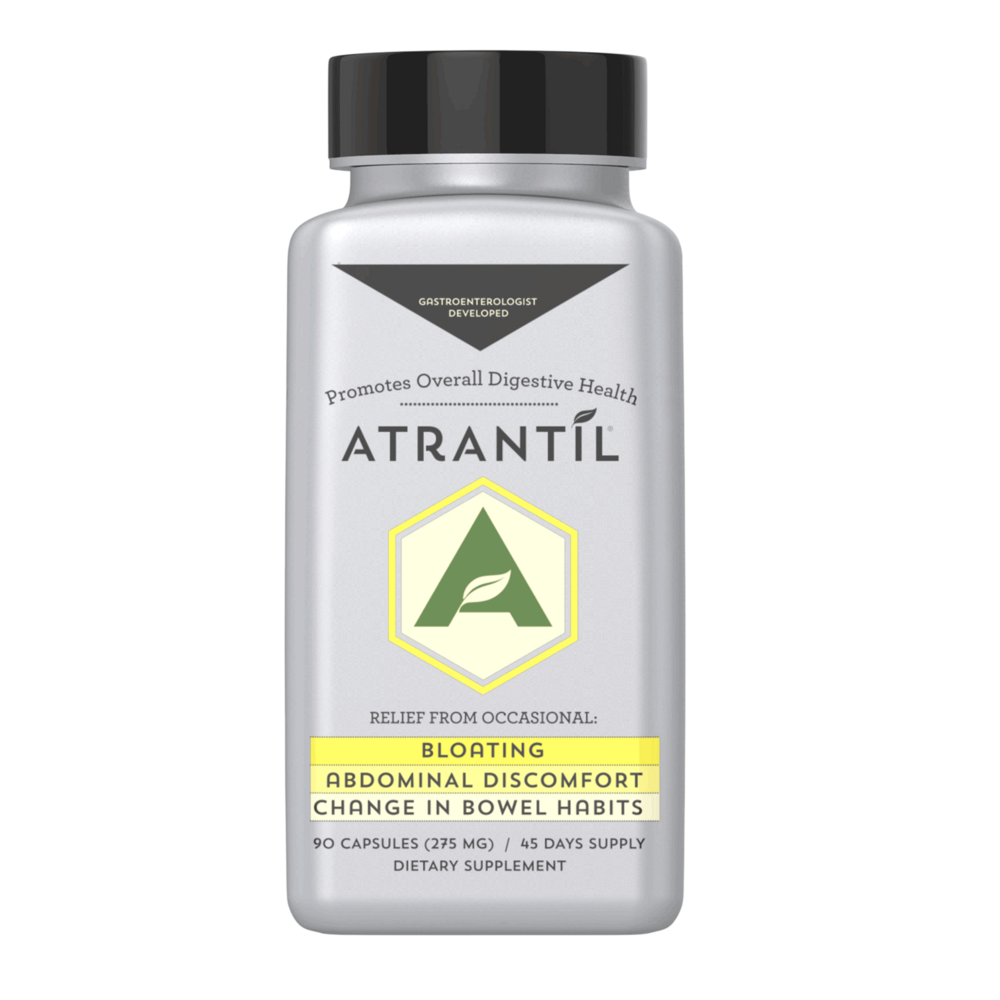
Atrantil
Atrantil
90 capsules
$39.99$31.99 with Subscribe & Save
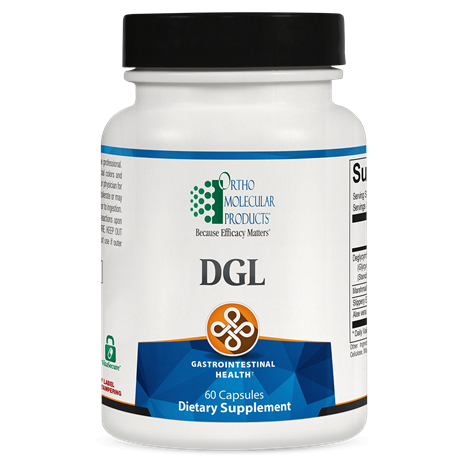
DGL
Ortho Molecular Products
60 capsules
$33.47$30.15 with Subscribe & Save
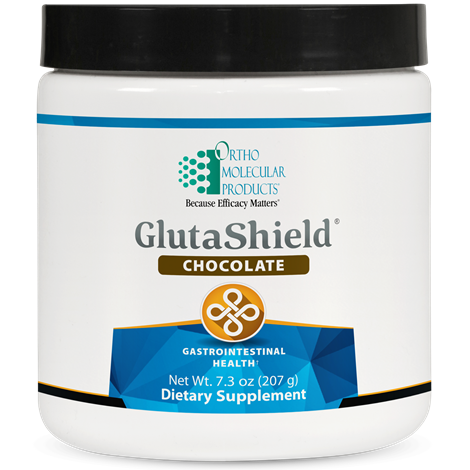
GlutaShield® Chocolate
Ortho Molecular Products
207 grams
$66.10$59.55 with Subscribe & Save
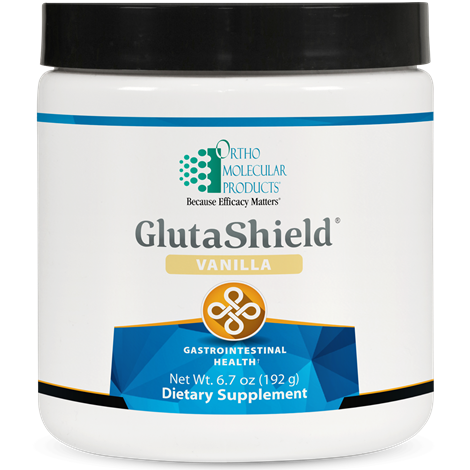
GlutaShield® Vanilla
Ortho Molecular Products
192 grams
$66.10$59.55 with Subscribe & Save