 Instalab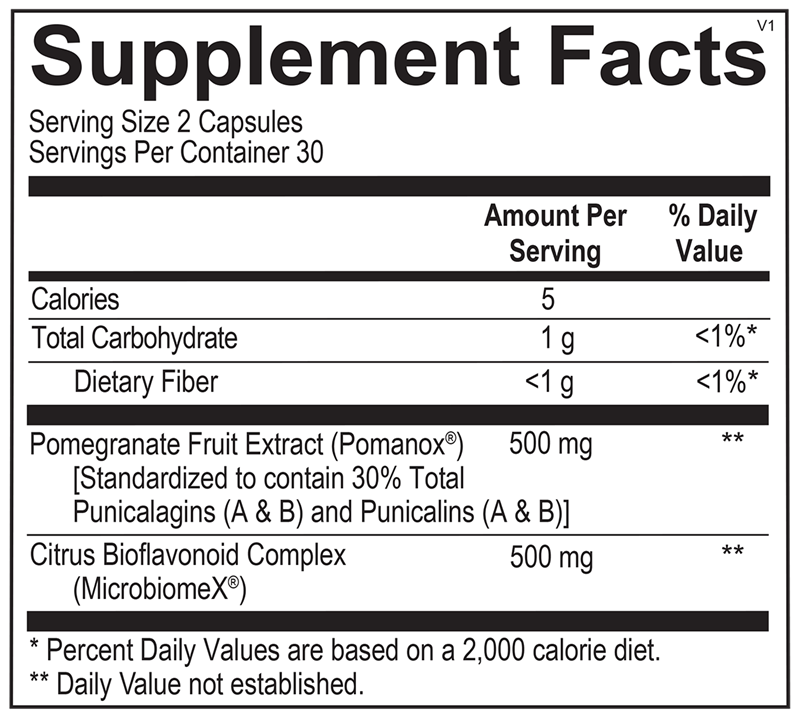

Ortho Molecular Products
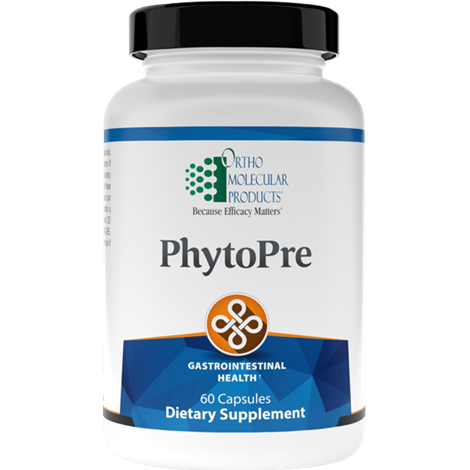
PhytoPre by Ortho Molecular Products
60 capsules · 30-day supply
Powerful Gut Support with Pomegranate and Citrus Bioflavonoids$57.66
Purchase options
Practitioner-grade brand3rd-party testedFree shipping $50+
Gluten Free·Soy Free·Wheat Free·Corn Free·Artificial Color Free
Ortho Molecular Products PhytoPre overview
Bloating that flares with fiber is the classic SIBO scenario. A non-fiber, polyphenol prebiotic fits people who react to inulin or FOS but still want to feed the gut lining and shape the microbiome. It’s a good trial if your Hydrogen–Methane Breath Test suggests SIBO, you’re on a low-FODMAP plan, or you’re rebuilding after antibiotics. If Fecal Calprotectin (a stool inflammation marker) or hs-CRP (blood inflammation marker) are elevated, polyphenols are a reasonable add-on while you address root causes.
Pomegranate extract (rich in punicalagins) and citrus bioflavonoids reach the colon largely intact, where microbes convert them into small phenols like urolithins that favor beneficial species and increase production of butyrate, the fuel your colon cells run on. Unlike fiber, these compounds don’t ferment into gas, so they’re gentler for SIBO. Citrus bioflavonoids also blunt bacterial quorum sensing (their “group chat” for overgrowth) and support gut-barrier integrity, which reduces passage of LPS (bacterial fragments) into the bloodstream and can modestly lower inflammation in responders.
Take 2 capsules daily with food; many prefer breakfast. If you’re sensitive, start with 1 capsule for a week, then increase. Most notice less bloating or more predictable stools within 1–3 weeks, with microbiome and inflammation changes building over 4–8 weeks. You can pair this with a probiotic or digestive protocol; separate from other supplements only if your stomach is touchy.
Avoid if you have a citrus allergy. Citrus and pomegranate polyphenols can interact with drug metabolism. If you take warfarin or other blood thinners, or statins like simvastatin or atorvastatin, check with your clinician first. During pregnancy or breastfeeding, use only with professional guidance. If symptoms worsen after a week, stop and reassess for active infection, constipation, or inadequate SIBO management.
Frequently asked questions
Is a polyphenol prebiotic good for SIBO?
Yes. Polyphenol prebiotics are non-fiber, so they don’t ferment into gas. They can modulate overgrowth and support the gut lining without the bloating many get from fiber-based prebiotics.
How long does it take to feel a difference?
Most notice less bloating or more regular stools within 1–3 weeks. Deeper shifts in the microbiome and inflammation often need 4–8 weeks of steady use.
Can I take this with a probiotic?
Yes. They work through different mechanisms and are commonly paired. If you’re sensitive, start one at a time for a week so you can attribute any reaction.
Will this prebiotic cause gas or diarrhea?
It’s unlikely. Because it’s non-fiber, it doesn’t ferment into gas. A minority notice looser stools the first few days; taking it with meals and hydrating usually settles this.
Can I use it while on antibiotics or antimicrobials?
Generally yes, but space doses by a few hours. Many clinicians use polyphenols alongside gut protocols to support the barrier and microbiome resilience.
Any medication interactions to know about?
Citrus and pomegranate extracts can affect drug-metabolizing enzymes. If you’re on warfarin, other anticoagulants, or statins like simvastatin/atorvastatin, ask your prescriber first.
Is it safe in pregnancy or breastfeeding?
These are food-derived compounds, but in supplement doses you should use them only with clinician guidance during pregnancy or nursing.
Which labs can I track with this?
Symptoms lead, but you can follow Hydrogen–Methane Breath Test for SIBO, Fecal Calprotectin for gut inflammation, and hs-CRP for systemic inflammation over 4–8 weeks.
How to take it & ingredients
Suggested use: 2 capsules daily or as recommended by your health care professional.
Active ingredients
2 capsules per serving · 30 servings
Pomegranate Fruit Extract
Pomanox® (Standardized to contain 30% Total Punicalagins (A & B) and Punicalins (A & B))
Pomanox® (Standardized to contain 30% Total Punicalagins (A & B) and Punicalins (A & B))
500 mg
Citrus Bioflavonoid Complex
MicrobiomeX®
MicrobiomeX®
500 mg
Certifications
Benefits
Warnings
Customers also considered
Atrantil
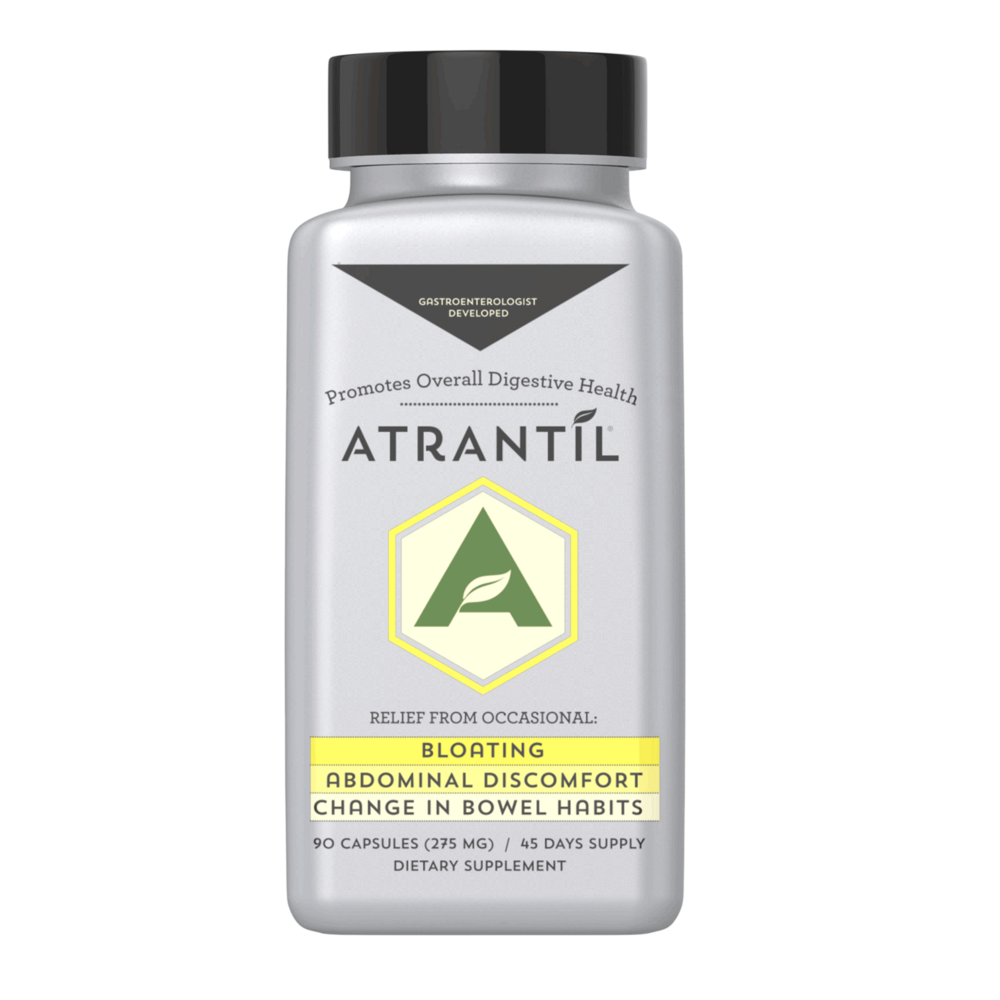
Atrantil
90 capsules
$39.99$31.99 with Subscribe & Save
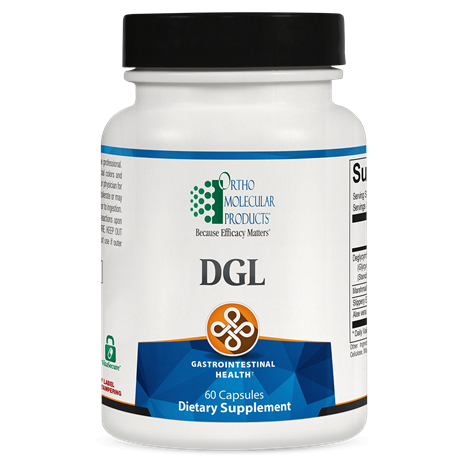
DGL
Ortho Molecular Products
60 capsules
$33.47$30.15 with Subscribe & Save
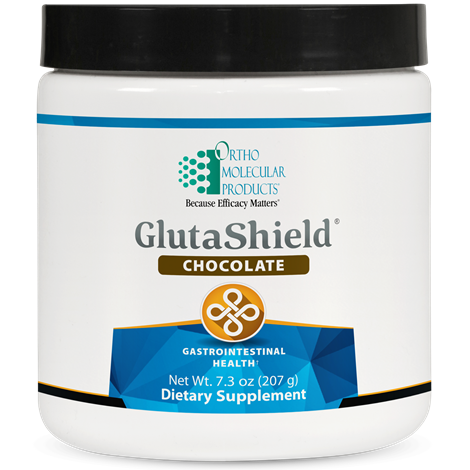
GlutaShield® Chocolate
Ortho Molecular Products
207 grams
$66.10$59.55 with Subscribe & Save
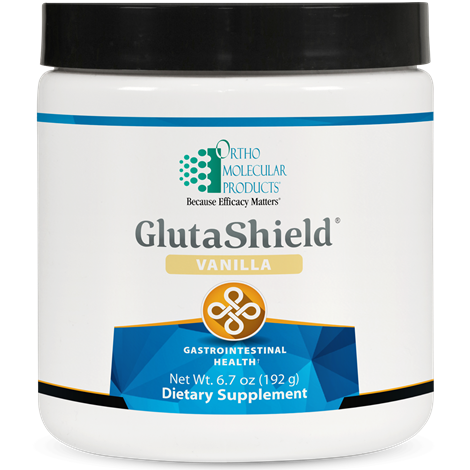
GlutaShield® Vanilla
Ortho Molecular Products
192 grams
$66.10$59.55 with Subscribe & Save