 Instalab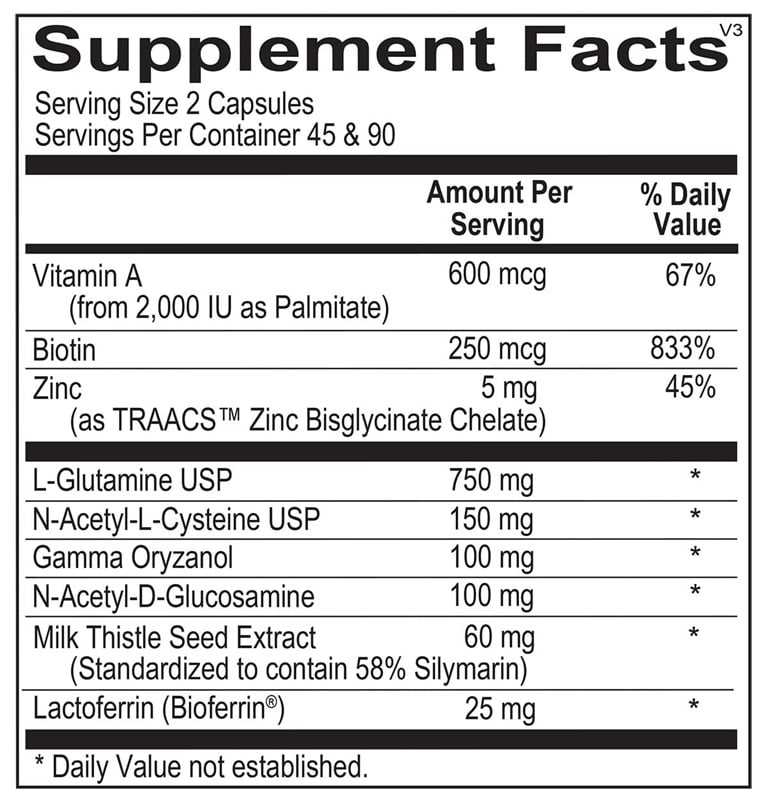
Ortho Molecular Products
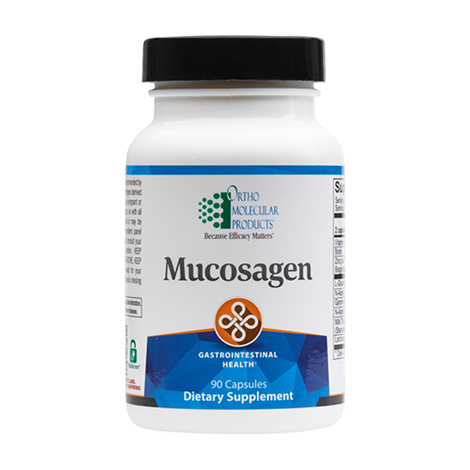
Mucosagen by Ortho Molecular Products
180 capsules · 90-day supply
Comprehensive Gut Support for Digestive Health and Wellness$129.59
Purchase options
Practitioner-grade brand3rd-party testedFree shipping $50+
Gluten Free·Yeast Free·Artificial Color Free·Artificial Flavor Free
Ortho Molecular Products Mucosagen overview
If meals leave you with gut irritation or you’re rebuilding after a rough patch of NSAIDs or alcohol, this gut lining supplement is a practical first step. It fits endurance athletes with exercise‑related GI upset, frequent travelers with unpredictable food, and anyone with a low-fiber diet trying to restore regularity. If your Omega-3 Index and Vitamin D, 25-Hydroxy are fine but your digestion still feels off, a mucosal formula like this can be the missing piece. Mild liver enzyme bumps (ALT or AST) and an elevated hs-CRP can also nudge you toward this blend.
L-glutamine is the preferred fuel for enterocytes, the cells that line your intestine, so adequate intake helps them repair and tighten junctions that control what gets through. N-acetylcysteine (NAC) replenishes glutathione, the liver’s main antioxidant, and thins thick mucus so it’s protective without being sticky. N-acetyl-D-glucosamine provides building blocks for the mucus layer, while gamma oryzanol from rice bran calms local irritation. Zinc bisglycinate supports tissue repair, vitamin A keeps mucous membranes healthy, milk thistle’s silymarin can ease ALT and AST in some patients, and lactoferrin (an iron-binding immune protein) helps modulate the gut-immune interface.
Use two capsules three times daily as directed. Most people do best with meals to limit nausea and get steadier absorption. At full dose, you’re in the range often used in studies for L-glutamine and NAC, so expect digestive changes within 2 to 4 weeks and lab shifts like ALT, AST, or hs-CRP over 4 to 12 weeks. Once symptoms settle, many step down to twice daily for maintenance.
Separate the zinc in this capsule from antibiotics in the quinolone or tetracycline families by at least 2 hours. NAC can amplify nitroglycerin, causing headache or lightheadedness—don’t combine without clinician guidance. N-acetyl-D-glucosamine is commonly sourced from shellfish; avoid if you have a shellfish allergy. Lactoferrin is a milk-derived protein; skip if you’re dairy-allergic. The vitamin A here is preformed, so if you’re pregnant or planning, review total vitamin A intake with your clinician before starting.
Frequently asked questions
How long does a gut lining supplement take to work?
Most people notice digestive changes in 2–4 weeks. Liver-related markers like ALT or AST, or inflammation markers like hs-CRP, tend to shift over 4–12 weeks if this formula is a match.
Should I take this with food or on an empty stomach?
With food is easiest on the stomach and helps you remember daytime doses. If you’re prone to reflux or nausea, avoid taking all capsules at once on an empty stomach.
Is N-acetylcysteine safe to take daily?
For most adults, yes at typical doses used here. It can interact with nitroglycerin and rarely causes nausea. If you have asthma or are on multiple heart meds, check with your clinician.
Does zinc in this interact with antibiotics?
Yes. Zinc reduces absorption of quinolone and tetracycline antibiotics. Take this at least 2 hours before or 4 hours after those medications to avoid interference.
Is this okay if I’m allergic to shellfish or dairy?
Avoid if you have shellfish allergy (due to N-acetyl-D-glucosamine sourcing) or dairy allergy (lactoferrin is milk-derived). Lactose intolerance is different and usually not an issue.
Can I take this alongside glutamine powder?
You can, but it’s usually unnecessary at the full capsule dose. If you add powder, track total daily glutamine and taper once symptoms improve to a maintenance plan.
What labs pair well with this regimen?
Consider ALT and AST for liver, hs-CRP for inflammation, and a stool test with Calprotectin if gut irritation is suspected. Recheck 4–12 weeks after consistent use.
How to take it & ingredients
Suggested use: 2 capsules three times per day or as recommended by your health care professional.
Active ingredients
2 capsules per serving · 90 servings
Vitamin A
From 2,000 IU as Palmitate
From 2,000 IU as Palmitate
600 mcg
Biotin
250 mcg
Zinc
As TRAACS™ Zinc Bisglycinate Chelate
As TRAACS™ Zinc Bisglycinate Chelate
5 mg
L-Glutamine
USP
USP
750 mg
N-Acetyl-L-Cysteine
USP
USP
150 mg
Gamma Oryzanol
100 mg
N-Acetyl-D-Glucosamine
100 mg
Milk Thistle Seed Extract
Standardized to contain 58% Silymarin
Standardized to contain 58% Silymarin
60 mg
Lactoferrin
Bioferrin®
Bioferrin®
25 mg
Certifications
Benefits
Warnings
Customers also considered
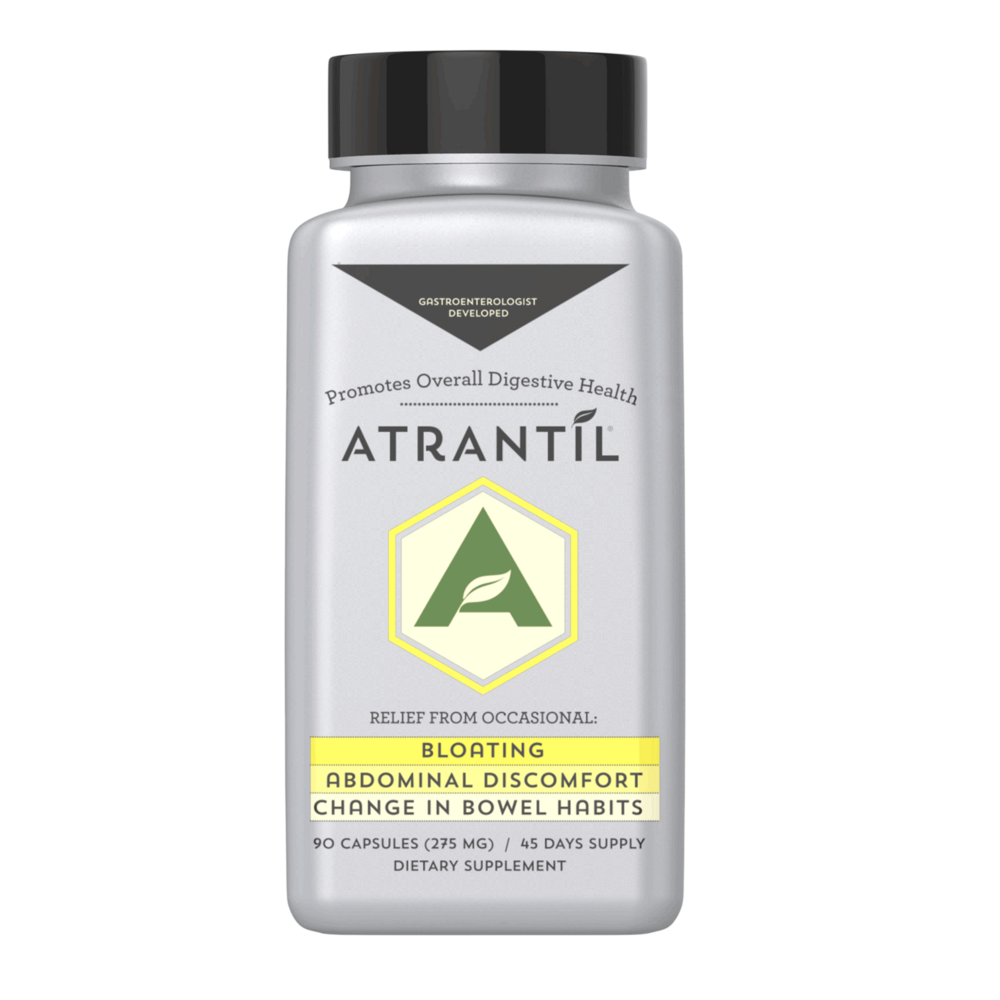
Atrantil
Atrantil
90 capsules
$39.99$31.99 with Subscribe & Save
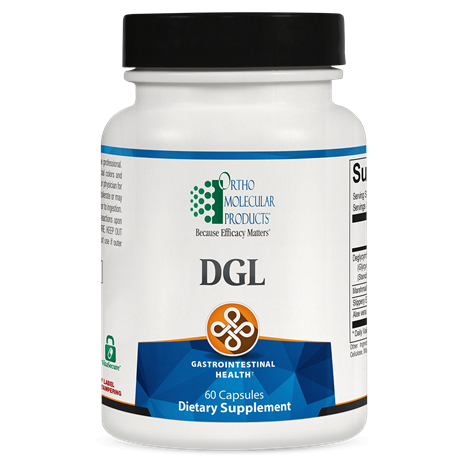
DGL
Ortho Molecular Products
60 capsules
$33.47$30.15 with Subscribe & Save
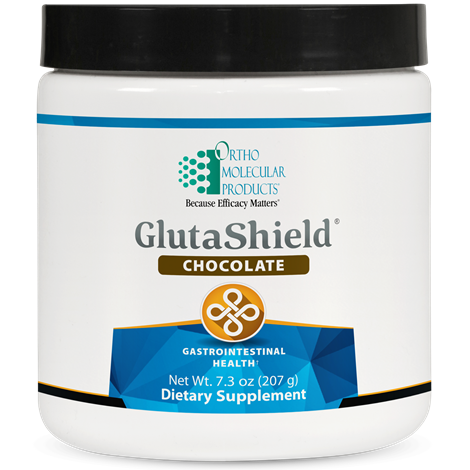
GlutaShield® Chocolate
Ortho Molecular Products
207 grams
$66.10$59.55 with Subscribe & Save
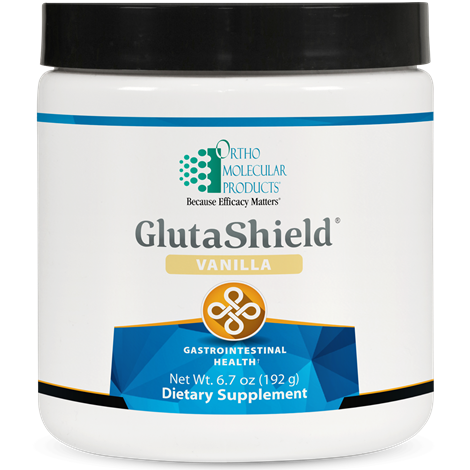
GlutaShield® Vanilla
Ortho Molecular Products
192 grams
$66.10$59.55 with Subscribe & Save