 Instalab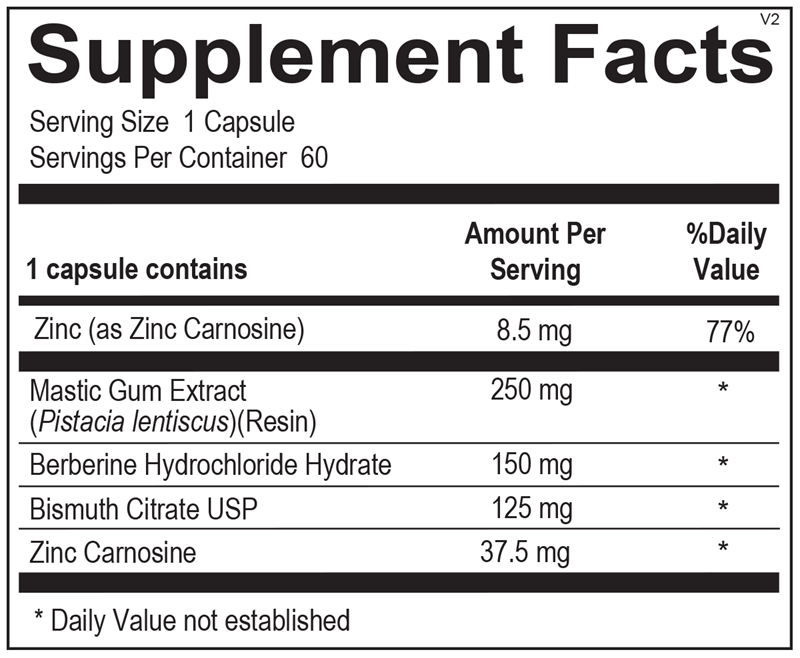
Ortho Molecular Products
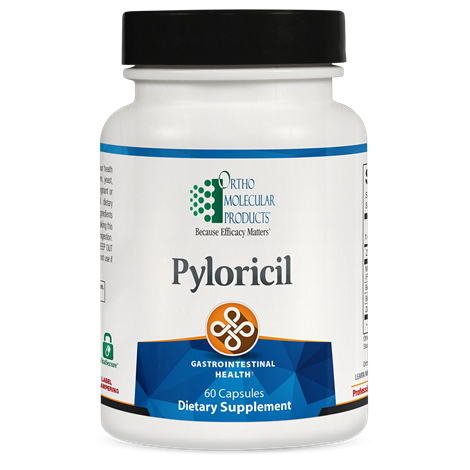
Pyloricil by Ortho Molecular Products
60 capsules · 60-day supply
Comprehensive Gut Support for Digestive Health and Comfort$84.53
Purchase options
Practitioner-grade brand3rd-party testedFree shipping $50+
Gluten Free·Wheat Free·Yeast Free·Artificial Color Free·Artificial Flavor Free
Ortho Molecular Products Pyloricil overview
If you’re considering H. pylori natural treatment, this formula fits adults with dyspepsia (upper‑abdominal discomfort), bloating, or a history of Helicobacter pylori (the stomach bacterium linked to ulcers) who want adjunct support alongside, or after, standard care. It’s also reasonable during NSAID use when the stomach lining needs extra protection. Track with the H. pylori Stool Antigen or Urea Breath Test, and consider Ferritin and Vitamin B12 if long-standing gastritis has affected nutrient absorption. Not a substitute for antibiotics when they’re indicated.
Zinc carnosine complexes with the stomach lining, helping it hold moisture and repair, and it tempers acid-induced irritation. Mastic gum resin has antimicrobial activity against H. pylori and reduces local inflammation. Bismuth citrate coats the stomach surface and directly stresses bacterial cell walls, which is why bismuth appears in prescription H. pylori regimens. Berberine (from botanicals like Berberis) further pressures microbial growth and can calm loose stools. Together, these target both the bug and the mucosa so symptoms often ease within 2 to 6 weeks.
Take 1 capsule twice daily with meals to minimize nausea. A practical trial is 4 to 8 weeks, then reassess symptoms and, if relevant, re-test with the H. pylori Stool Antigen or Urea Breath Test. If you’re on prescription eradication therapy, you can time doses away from antibiotics by at least 2 to 3 hours. Probiotics are fine, but separate them by a few hours from berberine and bismuth. Long-term daily use isn’t the goal; cycle and re-evaluate.
Berberine can lower blood sugar; use caution if you take insulin or metformin and monitor glucose. Zinc and bismuth can reduce absorption of doxycycline, tetracycline, certain quinolones, and levothyroxine—separate by 4 hours. Avoid in pregnancy or breastfeeding. Skip if you have significant kidney impairment due to bismuth retention. Dark stool or a black tongue can occur with bismuth; this is benign, but if you also feel weak or dizzy, rule out bleeding. Liver transplant or calcineurin inhibitor users should discuss berberine with their specialist.
Frequently asked questions
Does this cure H. pylori?
No. It’s adjunctive support, not a stand-alone cure. Some people use it with or after prescription therapy. Confirm eradication with an H. pylori Stool Antigen or Urea Breath Test rather than judging by symptoms alone.
How long before I feel better?
Many notice less burning, bloating, or belching within 2 to 6 weeks. If symptoms persist beyond 8 weeks, or you have weight loss, vomiting, or bleeding, seek medical evaluation and testing.
Can I take it with omeprazole or antibiotics?
Yes, but separate from antibiotics by at least 2–3 hours to reduce binding. Proton pump inhibitors like omeprazole are fine. Re-testing for H. pylori is best done off PPIs for accuracy; ask your clinician.
What side effects should I expect?
Temporary dark stools or a black tongue from bismuth, mild constipation, or nausea can occur. Taking with food and staying hydrated helps. Stop and get care if you see persistent tarry stools with weakness or dizziness.
Is berberine safe if I have diabetes?
Use caution. Berberine can lower blood sugar and may add to the effect of metformin, insulin, or sulfonylureas. Monitor closely and coordinate any medication adjustments with your clinician.
Should I add a probiotic during H. pylori treatment?
Often yes. Certain Lactobacillus and Saccharomyces strains can reduce antibiotic-related side effects. Take probiotics at a different time of day from this blend. They don’t replace testing for eradication.
Can this help NSAID-related stomach irritation?
It can. Zinc carnosine and bismuth both help the stomach lining tolerate irritants. If you must stay on NSAIDs, discuss protective strategies with your clinician and consider monitoring with a fecal occult blood test.
How to take it & ingredients
Suggested use: 1 capsule two times per day or as recommended by your health care professional.
Active ingredients
1 capsule per serving · 60 servings
Zinc
As Zinc Carnosine
As Zinc Carnosine
8.5 mg
Zinc Carnosine
37.5 mg
Mastic Gum Extract
From Pistacia lentiscus (Resin)
From Pistacia lentiscus (Resin)
250 mg
Berberine
As Berberine Hydrochloride Hydrate
As Berberine Hydrochloride Hydrate
150 mg
Bismuth Citrate
USP
USP
125 mg
Certifications
Benefits
Warnings
Customers also considered
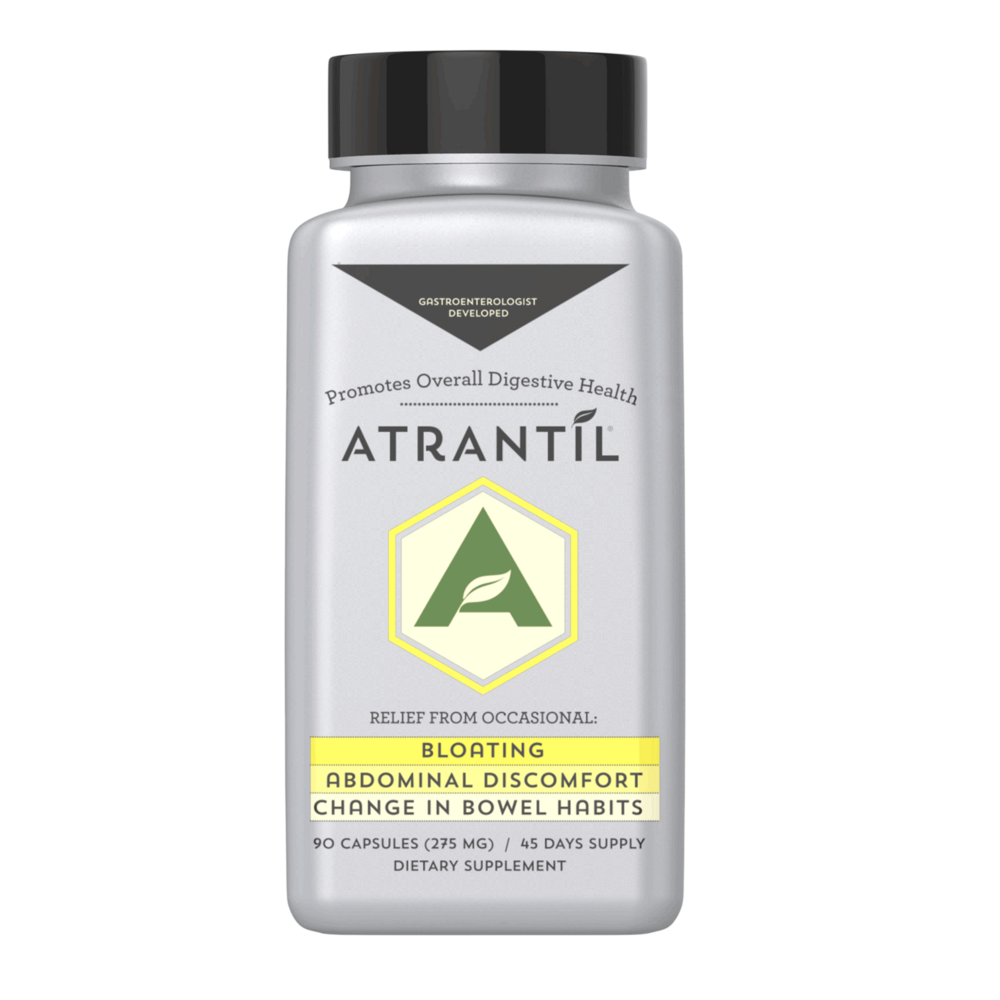
Atrantil
Atrantil
90 capsules
$39.99$31.99 with Subscribe & Save
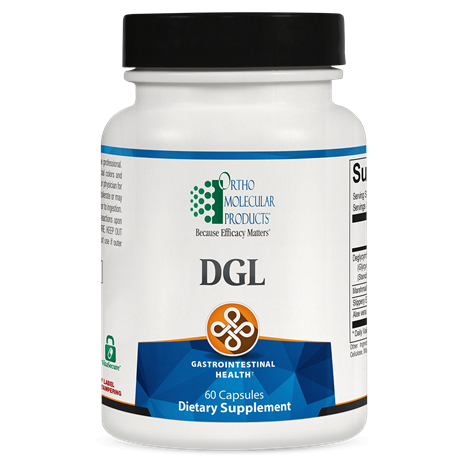
DGL
Ortho Molecular Products
60 capsules
$33.47$30.15 with Subscribe & Save
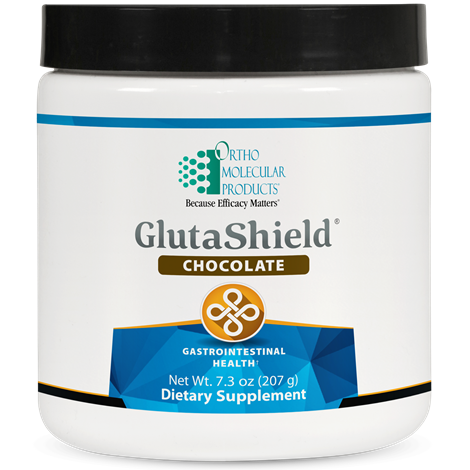
GlutaShield® Chocolate
Ortho Molecular Products
207 grams
$66.10$59.55 with Subscribe & Save
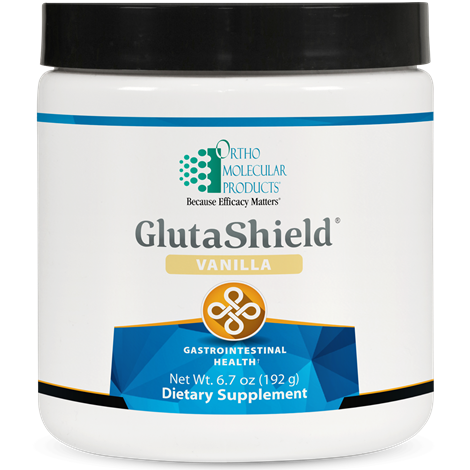
GlutaShield® Vanilla
Ortho Molecular Products
192 grams
$66.10$59.55 with Subscribe & Save