 Instalab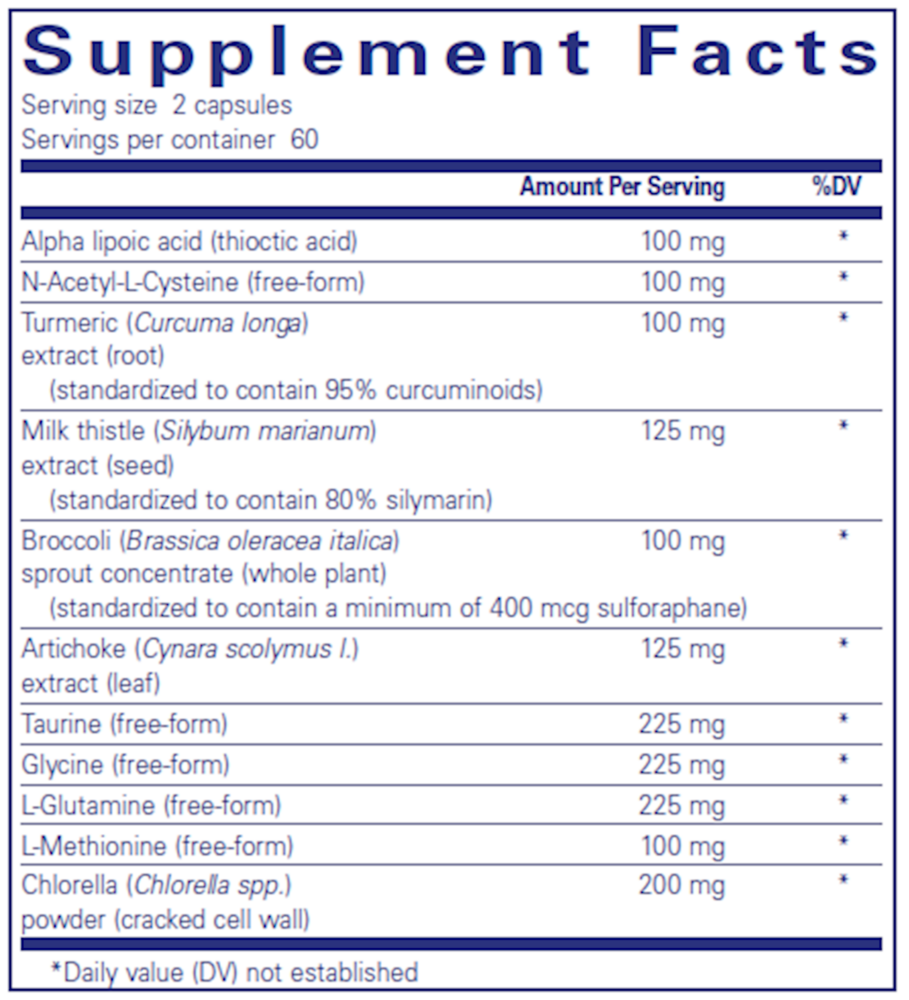
Pure Encapsulations
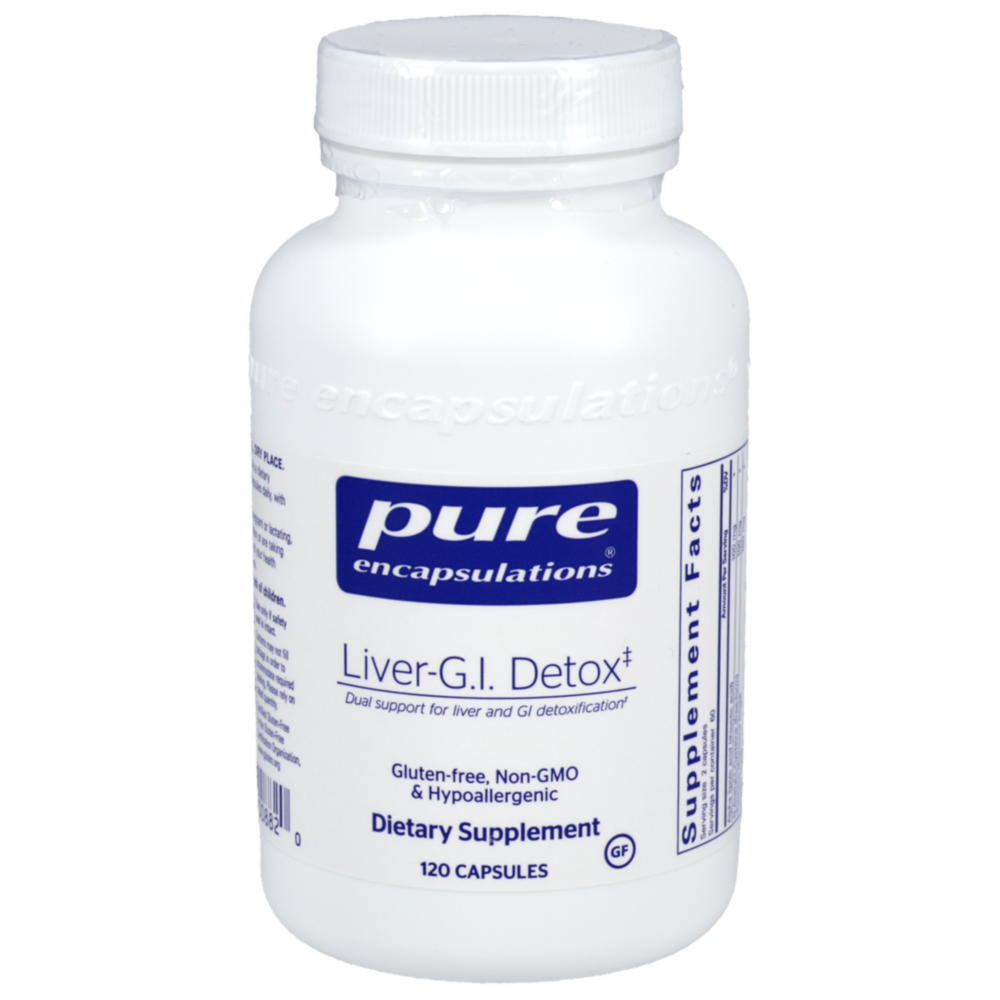
Liver-G.I. Detox* by Pure Encapsulations
120 capsules · 60-day supply
Comprehensive Support for Liver Health and Digestive Detoxification$62.00
Purchase options
Practitioner-grade brand3rd-party testedFree shipping $50+
Gluten Free
Pure Encapsulations Liver-G.I. Detox* overview
If your ALT, AST, or GGT (liver enzymes on a standard blood panel) run high-normal or mildly elevated, this liver detox supplement is a pragmatic add-on while you dial in diet and alcohol. It’s a fit if you eat few cruciferous vegetables, use acetaminophen regularly, or have metabolic risk like central weight gain. This is a maintenance-level approach; meaningful enzyme elevations or suspected liver disease warrant clinician guidance and broader workup, not supplements alone.
NAC and glycine supply building blocks for glutathione (the liver’s main antioxidant), while alpha lipoic acid helps recycle used antioxidants back to an active state. Milk thistle (silymarin) and turmeric extract (curcuminoids) provide anti-inflammatory signals and can modestly lower hs-CRP (a blood marker of inflammation) in responders. Broccoli sprout sulforaphane turns on Nrf2 (a cell stress sensor that activates detox genes), which enhances phase II conjugation, the add-a-handle steps that tag toxins for removal. Taurine and methionine aid bile acid conjugation, and artichoke supports bile flow. Glutamine helps gut barrier “tight junctions” (the seals between intestinal cells), reducing backflow of irritants. Chlorella binds certain compounds in the gut, though human evidence for heavy-metal “detox” is limited.
Take two capsules with a meal, ideally one that includes some fat to match the bile-stimulating herbs. Most people tolerate morning or midday best. Expect any change in ALT, AST, or GGT within 4 to 12 weeks if it’s going to help, especially alongside less alcohol, lower fructose, and weight loss. Track hs-CRP if inflammation is a goal. If you need higher-dose single agents (for example, NAC alone), discuss that strategy rather than simply doubling this blend.
Curcumin and milk thistle can interact with blood thinners like warfarin and apixaban. Chlorella contains vitamin K, which opposes warfarin. Turmeric, artichoke, and taurine stimulate bile; avoid if you have gallstones or bile duct obstruction unless cleared by your clinician. Alpha lipoic acid can lower blood sugar, so monitor if you use diabetes medications. NAC can amplify nitroglycerin effects. Pregnancy and breastfeeding: avoid multi-herb liver detox formulas, and use single-ingredient choices only with medical advice.
Frequently asked questions
Do liver detox supplements actually work?
They can help if they supply bottlenecks your liver needs, like NAC and glycine for glutathione or sulforaphane for detox enzymes. Expect modest changes, not miracles, and pair with alcohol reduction, weight loss, and better diet for real impact.
How long until liver enzymes improve?
If you’re a responder, ALT, AST, or GGT often shift within 4–12 weeks. Recheck labs after 8 weeks while also addressing alcohol intake and metabolic factors, which typically drive larger improvements than supplements alone.
Can I take this if I drink alcohol?
Yes, but it’s not a shield. Take with food, avoid taking it as a license to drink more, and prioritize alcohol-free days. If enzymes remain elevated, get evaluated rather than escalating supplements.
Is turmeric in this safe with blood thinners?
Use caution. Curcumin and milk thistle can increase bleeding risk or alter drug levels with warfarin, apixaban, and similar agents. If you’re on anticoagulants or antiplatelets, clear this formula with your prescriber.
Can this cause side effects?
Mild nausea, loose stools, or reflux can occur, especially if taken without food. Bitter herbs may worsen gallbladder pain. Rarely, allergic reactions occur with milk thistle or artichoke in those sensitive to the daisy family.
Is this safe with gallstones or bile duct issues?
Avoid unless your clinician says otherwise. Ingredients that increase bile flow, like artichoke and turmeric, can aggravate biliary pain or obstruction.
What labs should I track while using a liver detox supplement?
Track ALT, AST, and GGT for liver strain, and hs-CRP if inflammation is a goal. Some also follow fasting insulin and Triglycerides to gauge metabolic drivers of fatty liver.
How to take it & ingredients
Suggested use: As a dietary supplement, take 2 capsules daily, with a meal.
Active ingredients
2 capsules per serving · 60 servings
Alpha Lipoic Acid
Thioctic acid
Thioctic acid
100 mg
N-Acetyl-L-Cysteine
Free-form
Free-form
100 mg
Turmeric Extract
Curcuma longa, root, standardized to contain 95% curcuminoids
Curcuma longa, root, standardized to contain 95% curcuminoids
100 mg
Milk Thistle Extract
Silybum marianum, seed, standardized to contain 80% silymarin
Silybum marianum, seed, standardized to contain 80% silymarin
125 mg
Broccoli Sprout Concentrate
Brassica oleracea italica, whole plant, standardized to contain a minimum of 400 mcg sulforaphane
Brassica oleracea italica, whole plant, standardized to contain a minimum of 400 mcg sulforaphane
100 mg
Artichoke Extract
Cynara scolymus l., leaf
Cynara scolymus l., leaf
100 mg
Taurine
Free-form
Free-form
225 mg
Glycine
Free-form
Free-form
225 mg
L-Glutamine
Free-form
Free-form
225 mg
L-Methionine
Free-form
Free-form
100 mg
Chlorella Powder
Chlorella pyrenoidosa, cracked cell wall
Chlorella pyrenoidosa, cracked cell wall
200 mg
Other ingredients: Ascorbyl palmitate, Vegetarian capsule (cellulose, water)
Certifications
Benefits
Warnings
Customers also considered
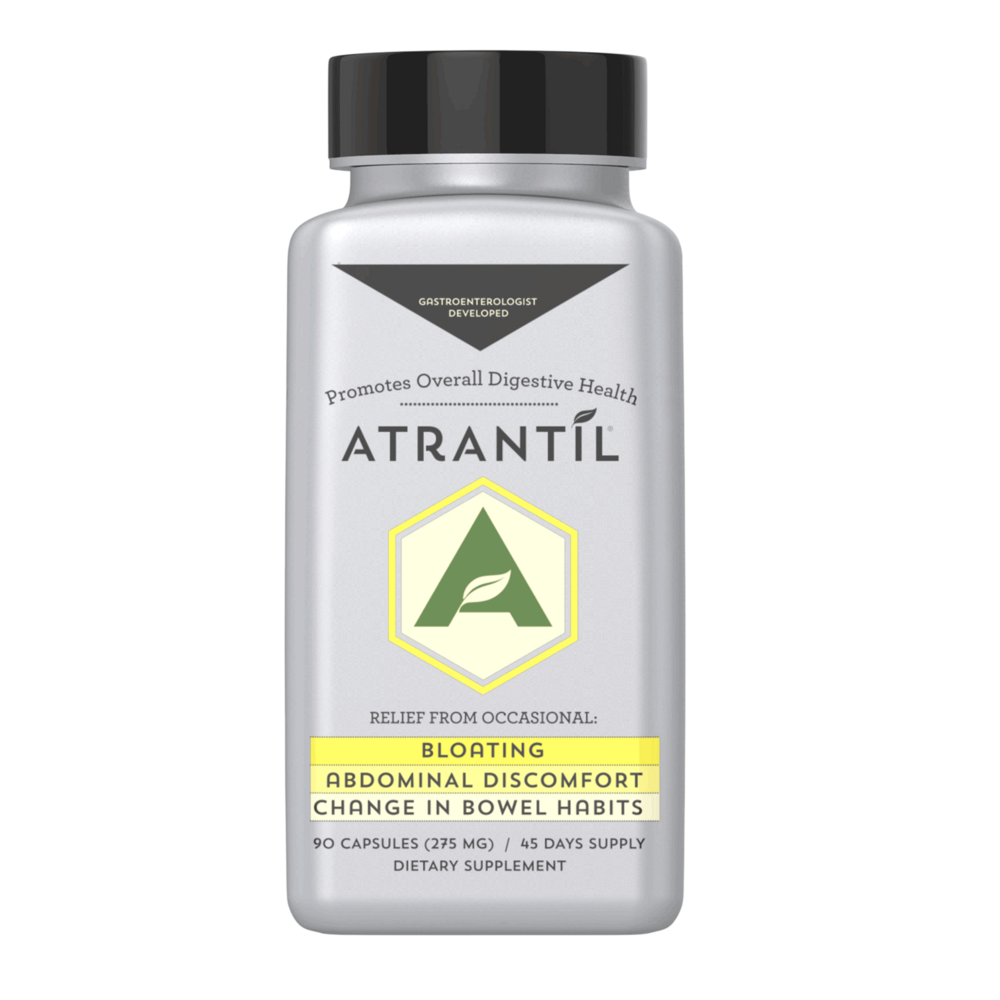
Atrantil
Atrantil
90 capsules
$39.99$31.99 with Subscribe & Save
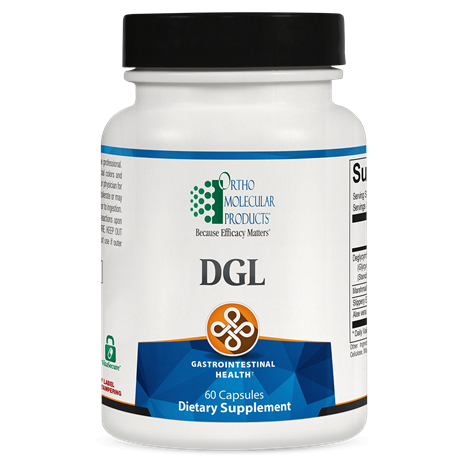
DGL
Ortho Molecular Products
60 capsules
$33.47$30.15 with Subscribe & Save
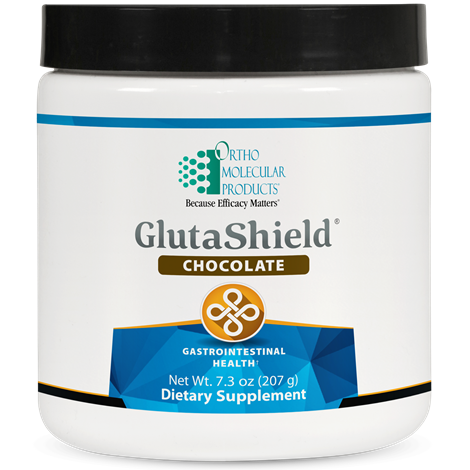
GlutaShield® Chocolate
Ortho Molecular Products
207 grams
$66.10$59.55 with Subscribe & Save
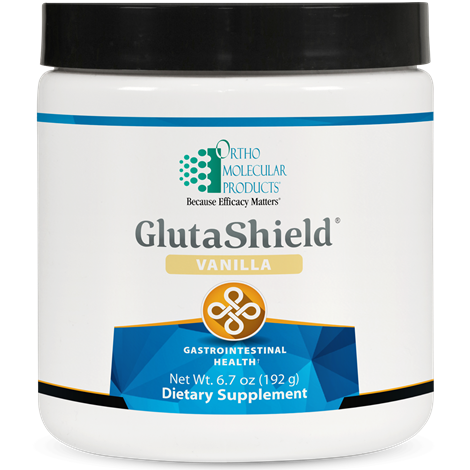
GlutaShield® Vanilla
Ortho Molecular Products
192 grams
$66.10$59.55 with Subscribe & Save