 Instalab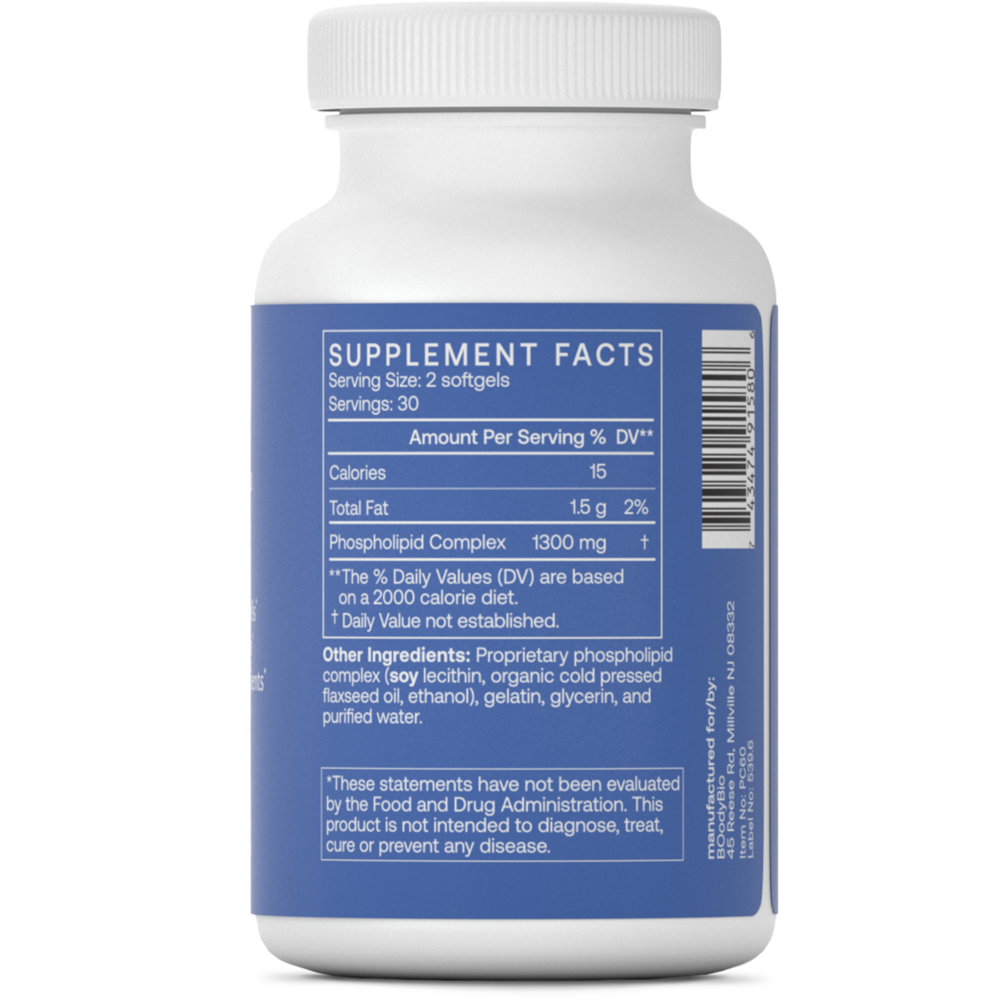
Body Bio
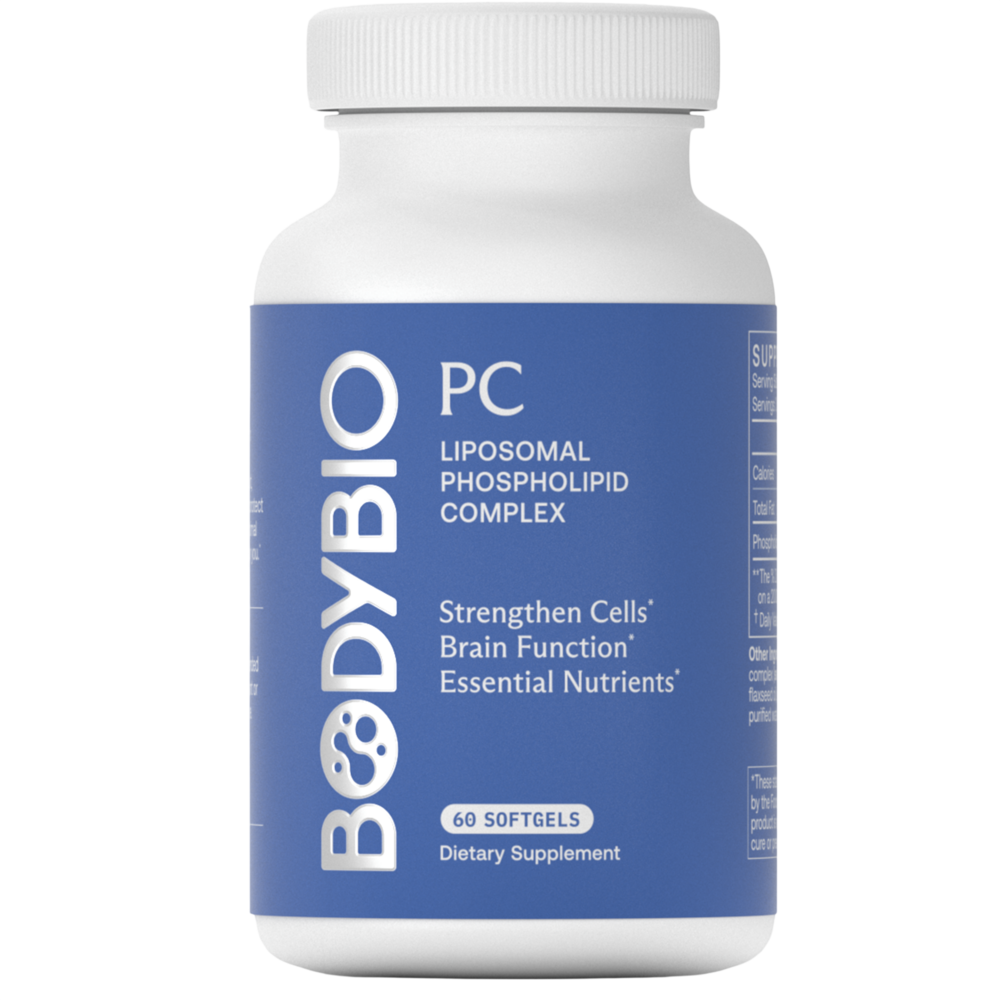
BodyBio PC 1300 mg by Body Bio
60 softgels · 30-day supply
Support Cellular Function and Brain Health with Phospholipid Complex$60.99
Purchase options
Practitioner-grade brand3rd-party testedFree shipping $50+
Gluten Free
Body Bio BodyBio PC overview
This phosphatidylcholine supplement fits adults chasing better mental clarity during heavy cognitive work, and those watching liver labs. If your ALT and AST (enzymes that rise with liver stress) run high, clinicians often trial PC for 8–12 weeks to see if they ease. It’s also relevant if Homocysteine (an amino acid tied to methylation and vascular risk) runs high and you want a choline source many tolerate better than choline salts. If your Omega-3 Index is low, pair PC with fish oil rather than using it alone.
PC, PE, PS, and PI are phospholipids, the main building blocks of cell membranes. Taken with food, they’re absorbed and incorporated into your membranes, which can improve fluidity and signaling in brain and liver cells. PC also delivers choline to make acetylcholine (the memory neurotransmitter) and to generate bile that moves fat and cholesterol. In liver trials, polyunsaturated PC has produced modest drops in ALT, AST, and hs-CRP (an inflammation marker) in responders.
Take 2 softgels or 1/2 teaspoon with food, once daily. If you’re sensitive to choline, start with half the dose for a week, then move up. Cognitive effects, when they occur, are usually noticed within 2–4 weeks. For liver enzymes, give it 8–12 weeks before re-checking ALT, AST, and hs-CRP. For membrane health long term, combine PC with adequate DHA/EPA and avoid heavy alcohol.
Skip or discuss with your clinician if you have a soy allergy (most PC is soy-derived), trimethylaminuria (a metabolic condition that causes fishy odor), or a history of major depression that worsens with choline. Pregnancy and breastfeeding: choline needs are higher, but use this specific formula only with OB guidance. If your main goal is high triglycerides, fish oil is a better first-line tool.
Frequently asked questions
Is phosphatidylcholine the same as choline?
No. Phosphatidylcholine (PC) is a membrane fat that carries choline. It delivers choline more steadily and is often gentler on the gut than choline salts like choline bitartrate.
How long does phosphatidylcholine take to work?
For focus or mental clarity, expect 2–4 weeks of daily use. For liver labs, plan 8–12 weeks before re-checking ALT, AST, and hs-CRP with your clinician.
Can I take phosphatidylcholine with fish oil?
Yes, and it’s a sensible combo. Phospholipids form the membrane, while EPA/DHA from fish oil shape membrane function. If your Omega-3 Index is low, add fish oil rather than relying on PC alone.
Does phosphatidylcholine raise TMAO?
TMAO (a metabolite from gut bacteria processing choline) can rise in some people. Clinical relevance is debated. If you’re concerned, emphasize fish, fiber, and check overall cardiovascular risk markers.
What side effects should I watch for?
Most tolerate PC well. Possible effects include mild nausea, loose stools, sweating, or a fishy odor. Reducing the dose or taking with a fuller meal usually helps.
Is phosphatidylcholine safe in pregnancy?
Choline is essential in pregnancy, but use this specific product only under OB guidance. Your clinician may prefer a prenatal with defined choline content.
Does phosphatidylcholine interact with medications?
Meaningful drug interactions are uncommon. If you use cholinesterase inhibitors, anticholinergics, or bile acid sequestrants, check with your clinician to align timing and dosing.
Is it soy-free?
Most PC supplements are soy-derived. If you have a soy allergy, confirm the source on the label or choose a verified non-soy phosphatidylcholine.
How to take it & ingredients
Suggested use: Take 2 softgels or 1/2 teaspoon with food, unless otherwise suggested by your Healthcare Professional.
Active ingredients
2 softgels per serving · 30 servings
▼
Phospholipid Complex
1300 mg
Phosphatidylcholine (PC)
-
Phosphatidylethanolamine (PE)
-
Phosphatidylinositol (PI)
-
Phosphatidylserine (PS)
-
Other ingredients: Proprietary phospholipid complex, Minor glycolipids, Essential fatty acids, Flaxseed oil, Ethanol, Gelatin, Glycerin, Water
Certifications
Benefits
Warnings