 Instalab
Phospholpids
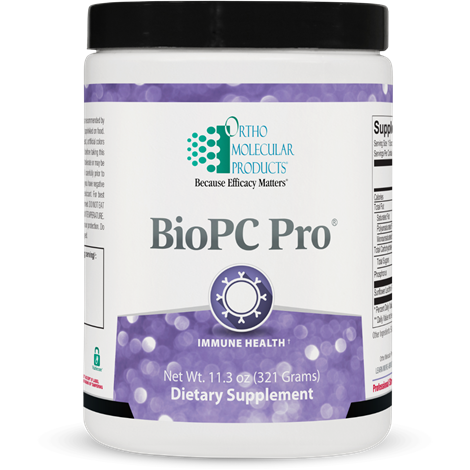
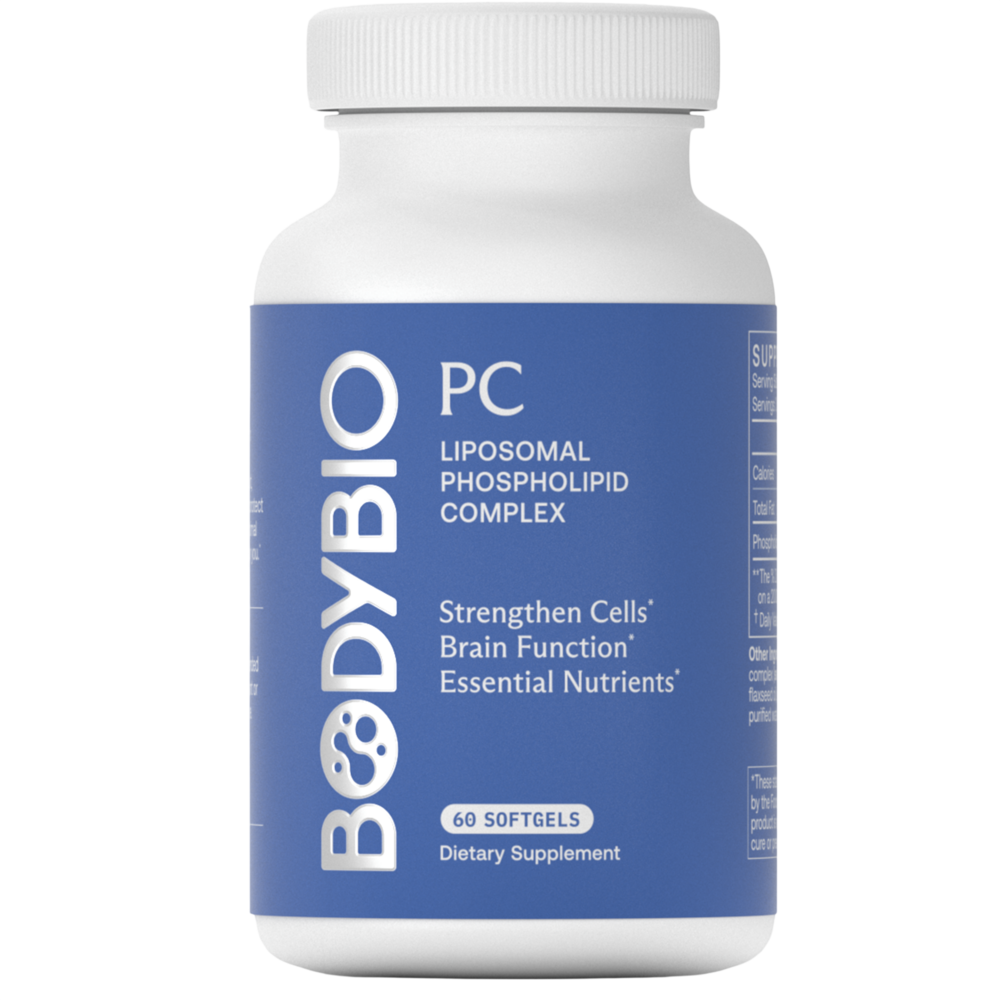
Phospholipid blends (PC, PS, PE) support cell membrane integrity and brain function.
Our vetting standard
Every phospholpids formula here clears the same bar.
- Clinically studied, effective doses
- Bioavailable, well-absorbed forms
- Practitioner-grade, trusted brands
- Third-party tested for identity and potency
See if it's actually working
Phospholipid complexes are taken for membrane and liver support, so a falling ALT with a rising Omega-3 Index is the combination that suggests it landed.
Phospholpids FAQs
What are phospholipids?
Phospholipids are the structural building blocks of cell membranes — phosphatidylcholine (PC), phosphatidylserine (PS), phosphatidylethanolamine (PE), and phosphatidylinositol (PI). They support cell membrane fluidity, brain function, and liver health.
Who benefits from phospholipid supplementation?
People with neurological concerns, fatty liver, post-viral conditions affecting cell membranes, or aging-related cognitive decline. Phospholipids are also part of clinical protocols for environmental toxin recovery.
Phospholipids vs. krill oil — what's the difference?
Krill oil delivers omega-3s already bound to phospholipids, which improves absorption and brain delivery. Standalone phospholipid blends deliver more total phospholipids without the omega-3 component. Some people use both — krill oil for omega-3s and a phospholipid blend for membrane support.
Will phospholipids help with fatty liver?
Yes, particularly phosphatidylcholine. Studies show PC at 1,800–2,700 mg/day reduces liver fat and inflammation markers in NAFLD over 8–12 weeks. It supports VLDL packaging and bile flow, helping the liver export fat.
Are phospholipids useful for long COVID or post-viral recovery?
Some functional medicine practitioners use phospholipid IV or oral protocols for post-viral fatigue and cognitive issues. Evidence is largely anecdotal but mechanistically plausible — viruses disrupt cell membranes. A 12-week trial is reasonable for chronic post-viral symptoms.
What foods are highest in phospholipids?
Egg yolks (especially), liver, fatty fish, soybeans, sunflower seeds, and dairy. Two egg yolks provide about 500 mg of phosphatidylcholine. The 'don't eat egg yolks' advice is outdated — yolks are nutrient-dense and support brain and liver health.
How long until I notice effects?
Membrane fluidity changes are gradual. Expect 4–8 weeks for cognitive effects, 8–12 weeks for liver markers. Subjective effects (mental clarity, energy) sometimes appear faster, especially in people with prior deficits.
Are phospholipids safe during pregnancy?
Phosphatidylcholine and choline-providing phospholipids are essential for fetal brain development and supplementation is supported in pregnancy at typical doses. Confirm with your OB. Many prenatals include choline; few include therapeutic phospholipid doses.