 Instalab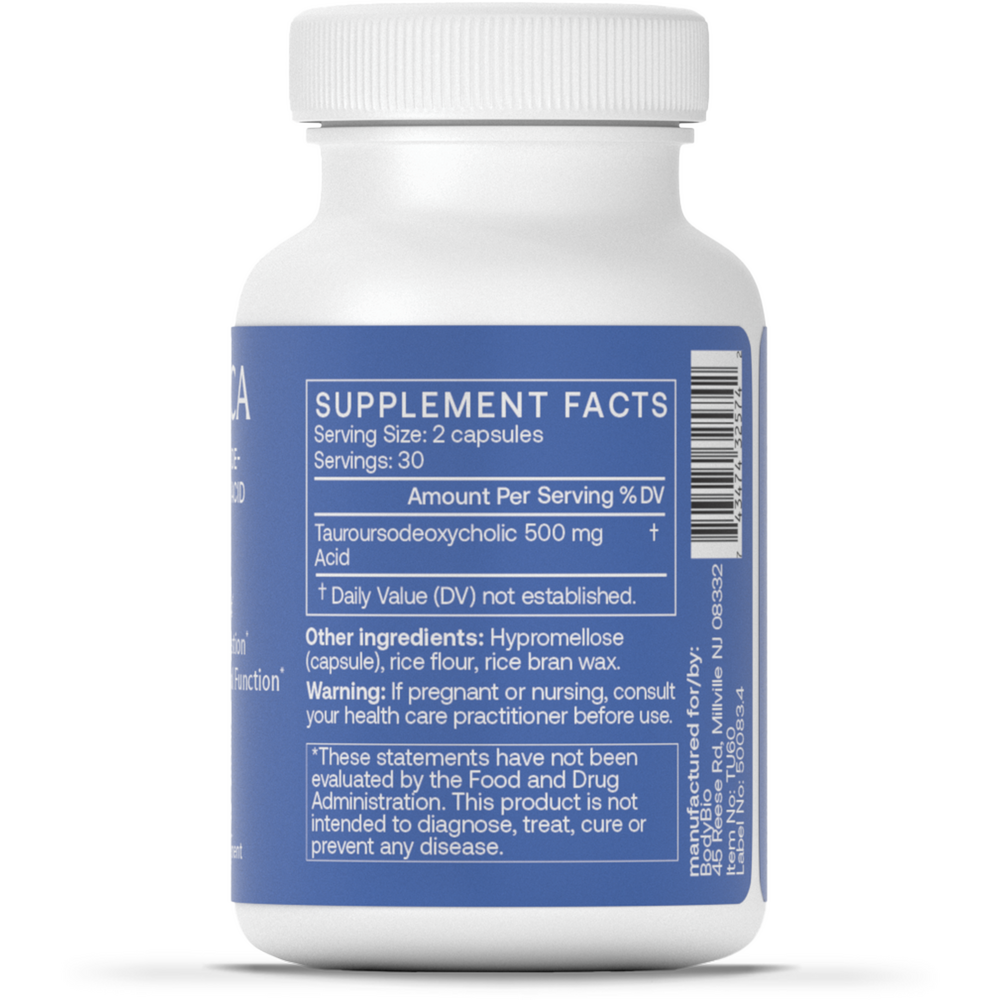
Body Bio
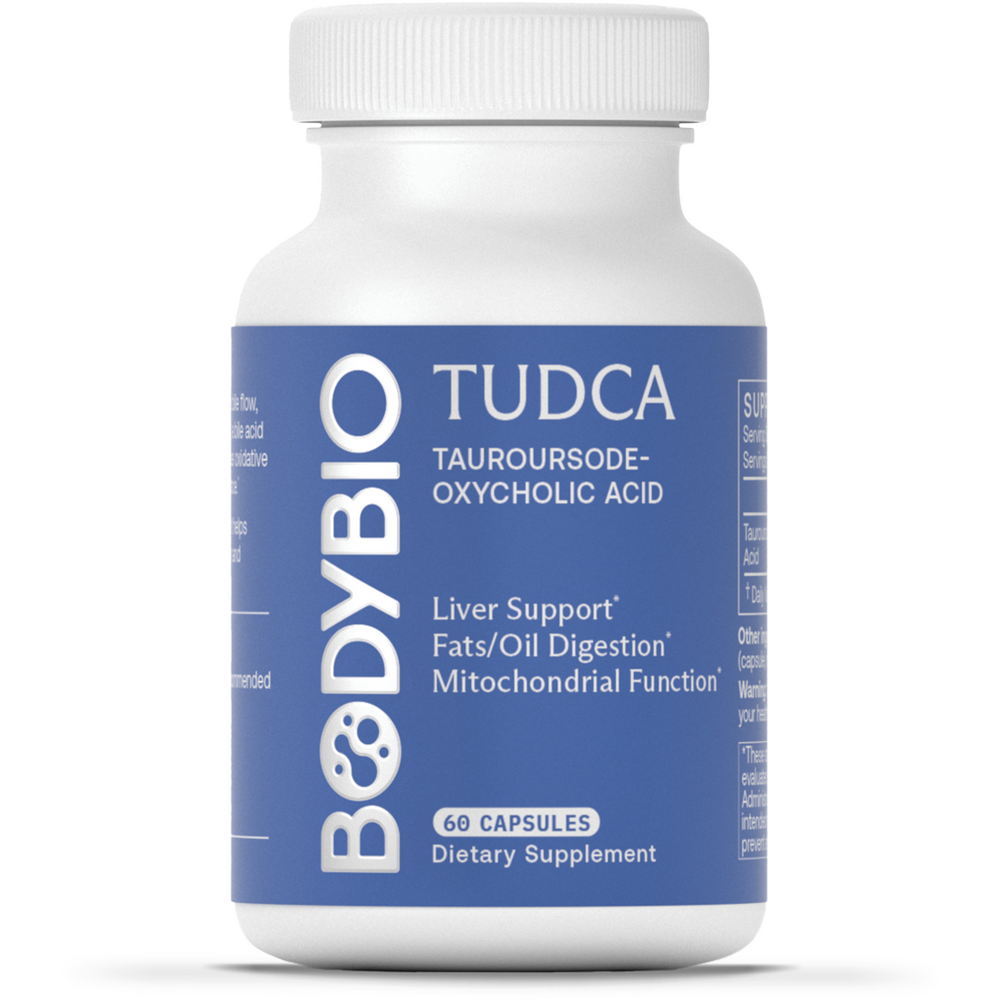
Tudca 500 mg by Body Bio
60 capsules · 30-day supply
Support Liver Health and Bile Flow with Tauroursodeoxycholic Acid$59.99
Purchase options
Practitioner-grade brand3rd-party testedFree shipping $50+
Vegan·Vegetarian
Body Bio Tudca overview
If your liver enzymes (ALT, AST, GGT) run high from fatty liver after a medical workup, a TUDCA supplement is a reasonable trial alongside diet and weight loss. It also makes sense when bile flow is sluggish—post-meal fullness with fatty foods, pale stools, or a history of low bile after gallbladder removal. Track changes on a Comprehensive Metabolic Panel plus GGT within 4 to 12 weeks to see if it’s doing anything meaningful.
Tauroursodeoxycholic acid (TUDCA) is a water‑loving bile acid that thins bile and helps it flow, which can ease fat digestion and take pressure off bile ducts. In liver cells it reduces endoplasmic reticulum stress (the backlog when proteins misfold) and stabilizes mitochondria (your energy factories), which is why some patients see ALT and AST drift down. Evidence for neuro or “detox” claims is early; take it primarily for bile flow and liver enzyme support.
The suggested use is two capsules daily with food. Food triggers bile release and tends to cut down on nausea or loose stools. Many clinicians start at one capsule for a week, then increase if tolerated. Typical supplemental ranges are 250 to 1,000 mg per day; two capsules here land at the higher end, so reassess labs (ALT, AST, ALP, bilirubin, GGT) after 1 to 3 months before stretching the timeline.
Skip a TUDCA supplement if you have acute right‑upper‑abdominal pain, fever, or jaundice—those need urgent evaluation for obstruction or infection. Avoid if you’ve had a bile duct blockage or active gallstone complications unless your clinician is on board. Pregnancy and breastfeeding data are limited. Bile acid sequestrants like cholestyramine can bind TUDCA; separate them by at least 4 hours.
Frequently asked questions
What does TUDCA do for the liver?
It’s a bile acid that improves bile flow and reduces cellular stress in liver cells. In responders, that can translate to lower ALT, AST, and GGT over 4–12 weeks. It’s an adjunct to diet, alcohol moderation, and weight loss, not a replacement.
How long does TUDCA take to work?
Most people who respond notice changes in digestion within 1–2 weeks and see liver enzymes shift on labs within 4–12 weeks. Recheck a Comprehensive Metabolic Panel and GGT to confirm benefit before continuing long term.
Is TUDCA the same as UDCA (ursodiol)?
Related, not identical. UDCA (ursodiol) is a prescription bile acid; TUDCA is its taurine‑conjugated form found in supplements. Both improve bile flow. Prescription UDCA is used for specific liver diseases under medical care.
Can I take TUDCA without a gallbladder?
Yes. Many people without a gallbladder use it to thin bile and aid fat digestion. Start with a lower dose and take with meals to limit diarrhea or cramping, and track symptoms and liver enzymes.
Does TUDCA dissolve gallstones?
Don’t count on supplements for that. Gallstone management is a medical decision. If you have biliary colic, jaundice, or fever, seek care. Do not self‑treat suspected stones with TUDCA.
What are common TUDCA side effects?
Loose stools, nausea, or cramping are the most common, especially if taken without food or at higher doses. Cutting back to one capsule, taking with meals, or spacing doses usually helps.
Can I combine TUDCA with milk thistle or NAC?
Usually yes. They work through different pathways. The key is to track outcomes with labs (ALT, AST, GGT) so you know what’s helping rather than stacking blindly.
Do any medications interact with TUDCA?
Bile acid binders like cholestyramine or colesevelam can reduce absorption—separate by 4 hours. If you’re on prescription ursodiol, ask your clinician before adding TUDCA.
How to take it & ingredients
Suggested use: Take 2 capsules per day with food or as recommended by your healthcare practitioner.
Active ingredients
2 capsules per serving · 30 servings
Tauroursodeoxycholic Acid
500 mg
Other ingredients: Hypromellose (vegetable capsule), Rice flour, Rice bran wax
Certifications
Benefits
Warnings