 Instalab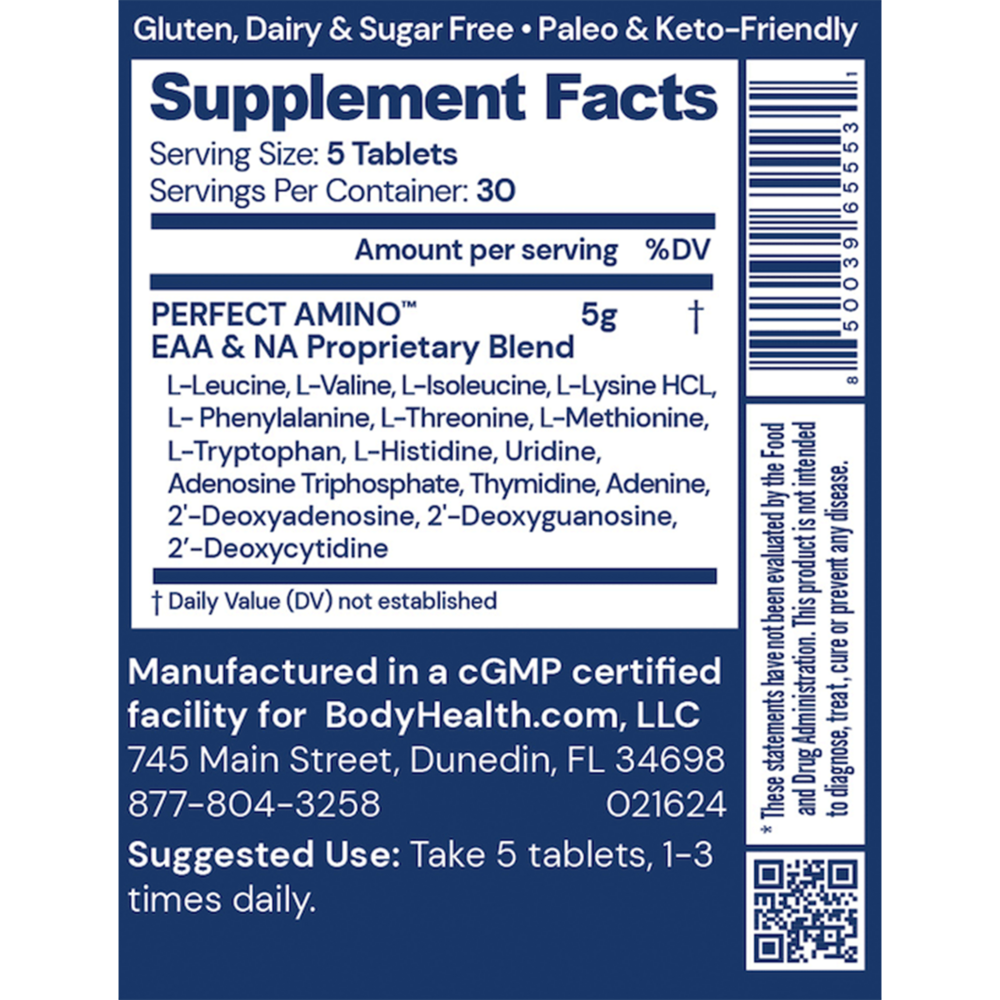

BodyHealth
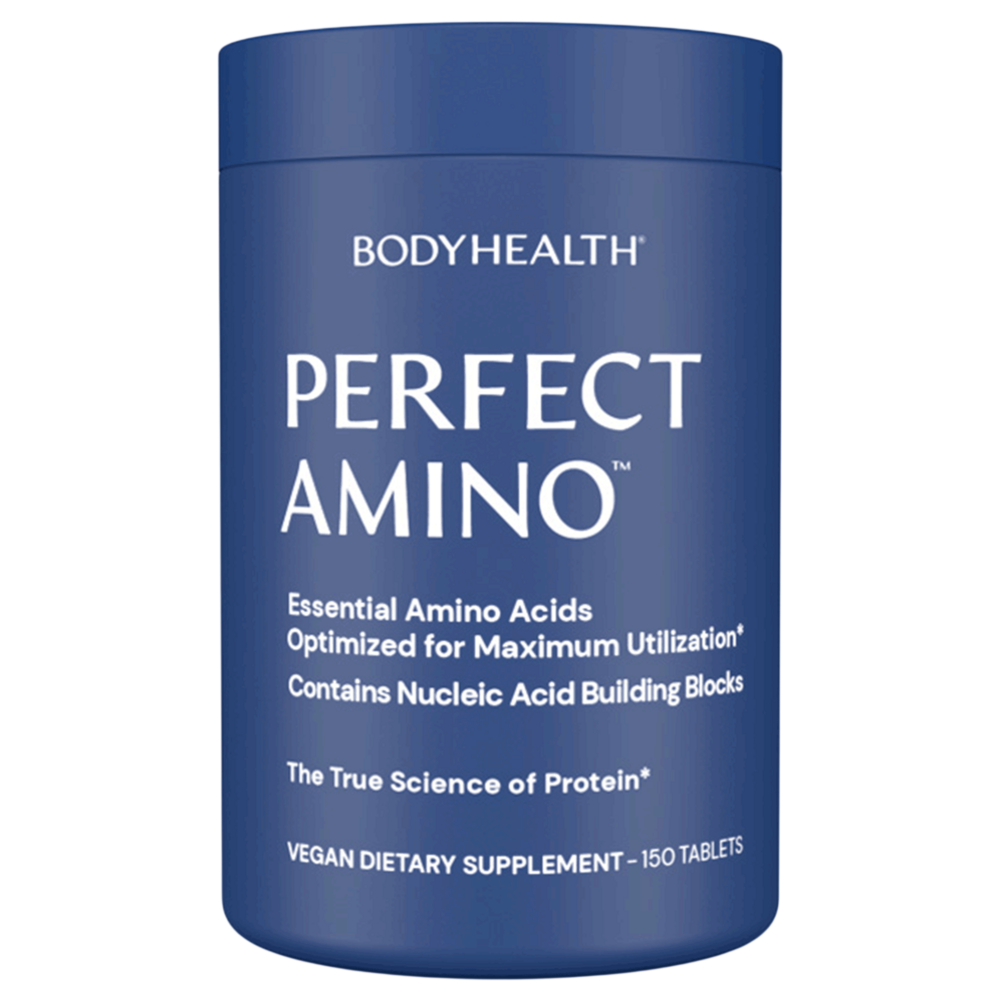
PerfectAmino 5 g by BodyHealth
150 tablets · 30-day supply
Essential Amino Acids for Optimal Muscle Performance and Recovery$XX.XX$44.99retail
Purchase option
20% below MSRP3rd-party tested for purity & potencyFree shipping $50+
Gluten Free·Dairy Free·Sugar Free
BodyHealth PerfectAmino overview
Cutting calories, training fasted, or struggling with dairy protein are the real use-cases for an essential amino acids supplement. Free-form EAAs help if you want muscle maintenance with minimal calories, if you’re vegan and your lysine intake is light, or during recovery after dental work or surgery when chewing is hard. If your body composition isn’t changing, add EAAs around training and track progress over 4 to 12 weeks.
Essential amino acids are the building blocks your body can’t make. Taken in free form, they absorb quickly and raise blood amino acid levels, which turns on mTOR (the cell’s growth on/off switch) to start muscle protein synthesis. Leucine leads that signal, but BCAAs alone are incomplete; you need all EAAs to actually build tissue. A 5 g EAA dose gives a strong anabolic signal with far fewer calories than a typical protein shake.
Use 5 tablets once to three times daily as the label suggests. Best timing is 20–30 minutes before training, or between meals when protein is light. Pair with a normal-protein meal later; you don’t need to stack this on top of a large whey shake. As a rule of thumb, 5–6 g EAAs produces an anabolic response similar to roughly 15–20 g whey. Hydrate, and reassess after 4–8 weeks.
Kidney or significant liver disease needs individualized protein dosing, so speak with your clinician and monitor BUN (blood urea nitrogen) and Creatinine if you use amino acids. Separate from levodopa for Parkinson’s by a couple of hours to avoid absorption competition. Phenylketonuria or maple syrup urine disease requires specialized medical formulas. Pregnancy and breastfeeding: treat this as a protein source and clear dosing with your obstetric clinician.
Frequently asked questions
Are essential amino acids better than BCAAs?
Yes for building muscle. BCAAs are only three amino acids; actual tissue building requires all eight essentials. EAAs reliably stimulate muscle protein synthesis, while BCAAs alone give a weaker, incomplete response.
Do essential amino acids break a fast?
Yes in a metabolic sense. EAAs trigger mTOR (growth signaling) and insulin to a small degree, which ends a muscle fast. Many athletes still use them before fasted training to protect muscle with minimal calories.
How many calories are in 5 grams of EAAs?
Roughly 20 calories. That is far lower than most protein shakes of meaningful dose, which are typically 100–150 calories. This is why EAAs are popular during cutting phases.
How long until I notice results?
Acute recovery benefits show in hours, but measurable changes in lean mass or strength usually take 4–12 weeks with consistent training and adequate total protein. Track with performance logs or periodic DEXA.
Can I take EAAs with whey protein?
You can, but it’s often redundant. Use EAAs when a meal is light on protein or pre-workout. If you already hit your daily protein target with food or whey, extra EAAs add little.
Are essential amino acids safe for kidneys?
Healthy kidneys handle this dose without issue. If you have chronic kidney disease, talk to your clinician first and monitor BUN and Creatinine. Protein and amino targets are individualized in CKD.
Any side effects from EAAs?
Occasional nausea or stomach upset can occur, especially on an empty stomach. Start with a smaller dose and sip water. If symptoms persist, take with a small snack or discontinue.
Do EAAs interact with medications?
Separate from levodopa by a couple of hours to avoid absorption competition. No known issues with most other drugs at typical doses, but check with your pharmacist for your specific regimen.
How to take it & ingredients
Suggested use: Take 5 tablets, 1-3 times daily or as needed.
Active ingredients
5 tablets per serving · 30 servings
▼
PERFECT AMINO™ EAA & NA Proprietary Blend
5 g
L-Leucine
-
L-Valine
-
L-Isoleucine
-
L-Lysine HCL
-
L-Phenylalanine
-
L-Threonine
-
L-Methionine
-
L-Tryptophan
-
L-Histidine
-
Uridine
-
Adenosine Triphosphate
-
Thymidine
-
Adenine
-
2'-Deoxyadenosine
-
2'-Deoxyguanosine
-
2'-Deoxycytidine
-
Certifications
Benefits
Warnings
Customers also considered
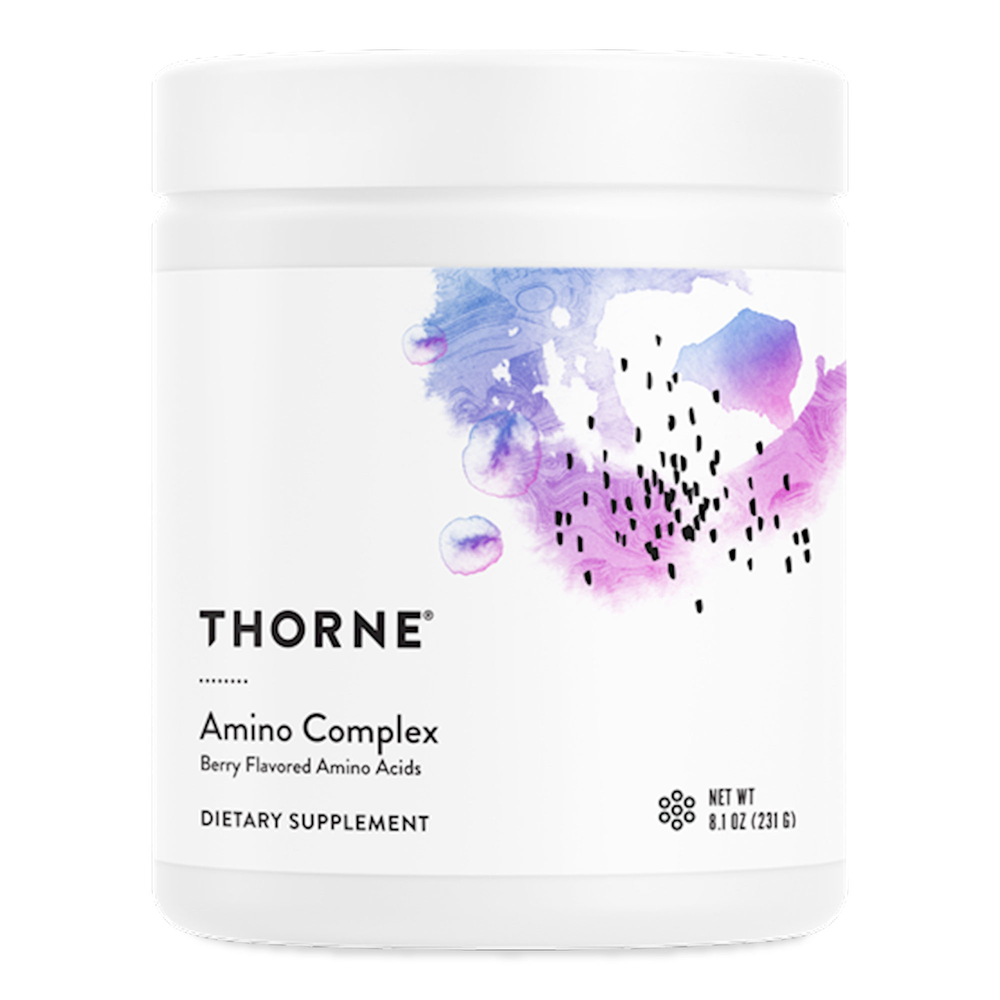
Thorne
Amino Complex Berry Powder
231 grams
$XX.XX$52.00retail
Add to cart to see your price
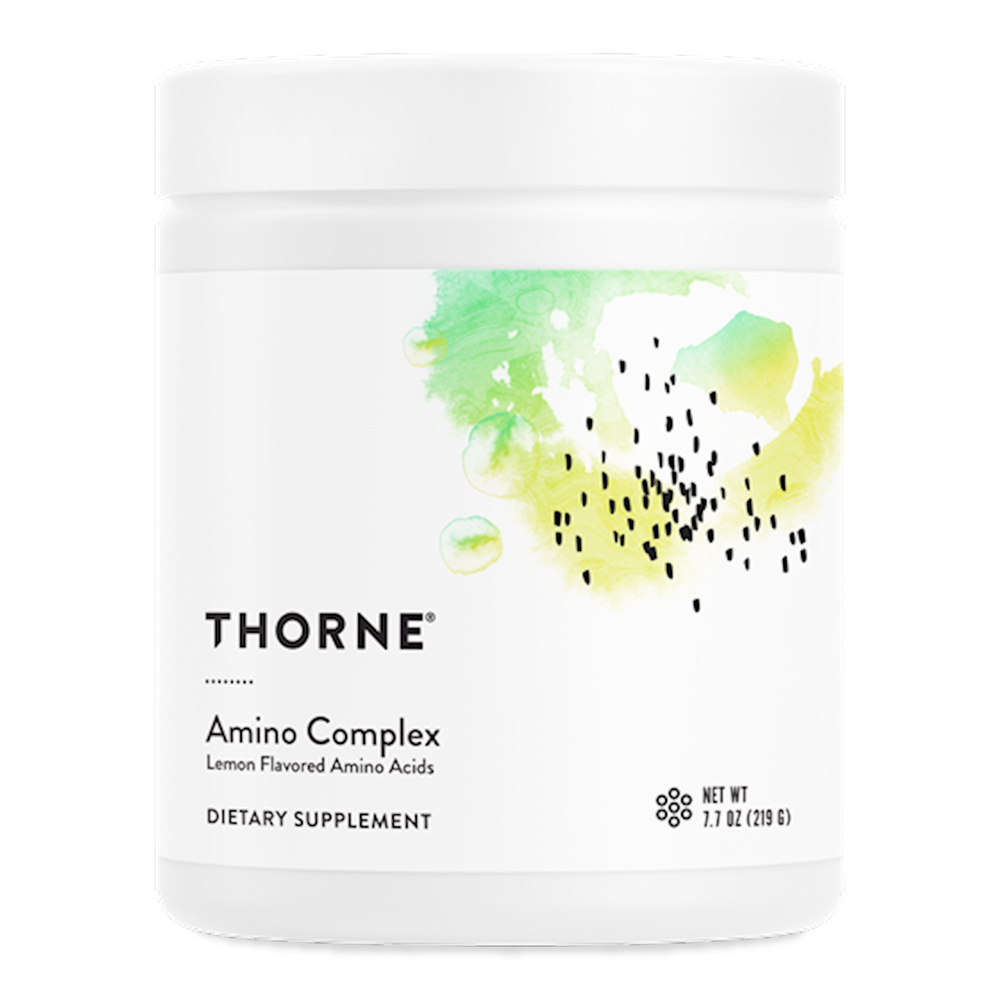
Thorne
Amino Complex Lemon
231 grams
$XX.XX$52.00retail
Add to cart to see your price
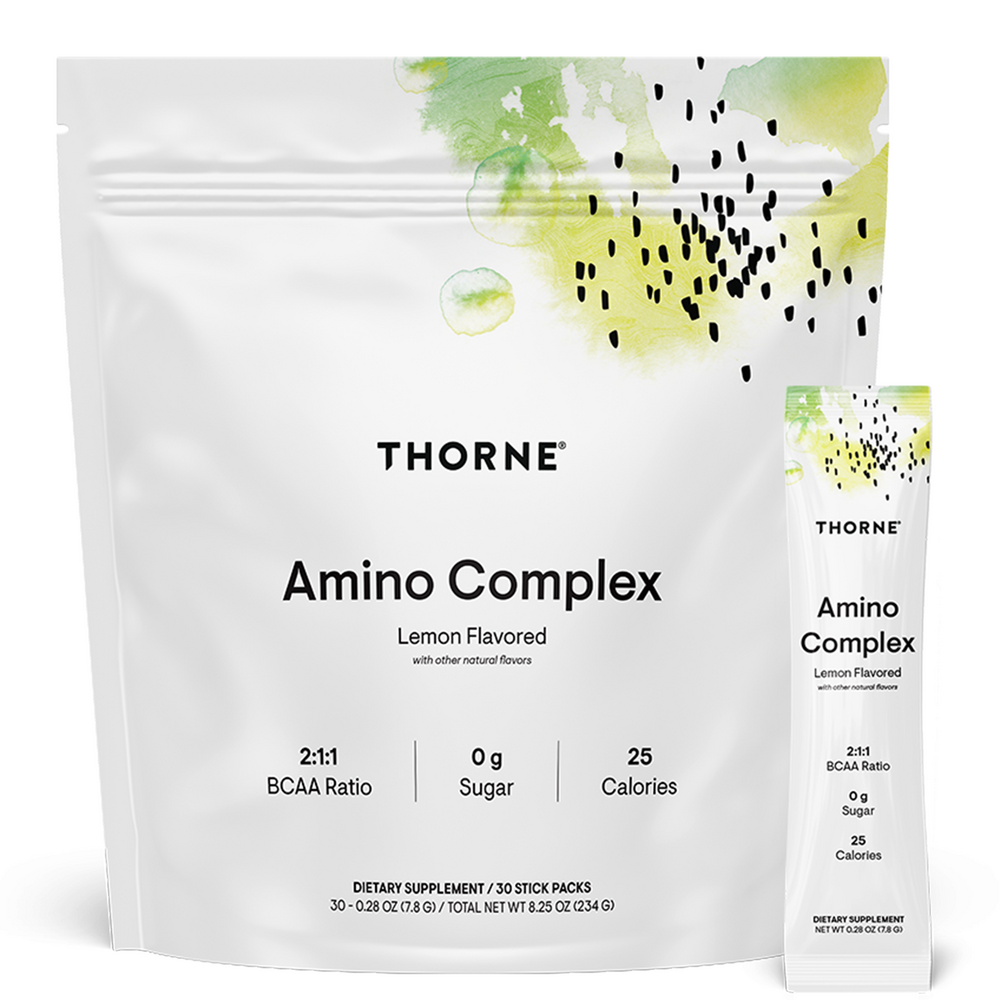
Thorne
Amino Complex Lemon Stick Pack
30 packets
$XX.XX$56.00retail
Add to cart to see your price
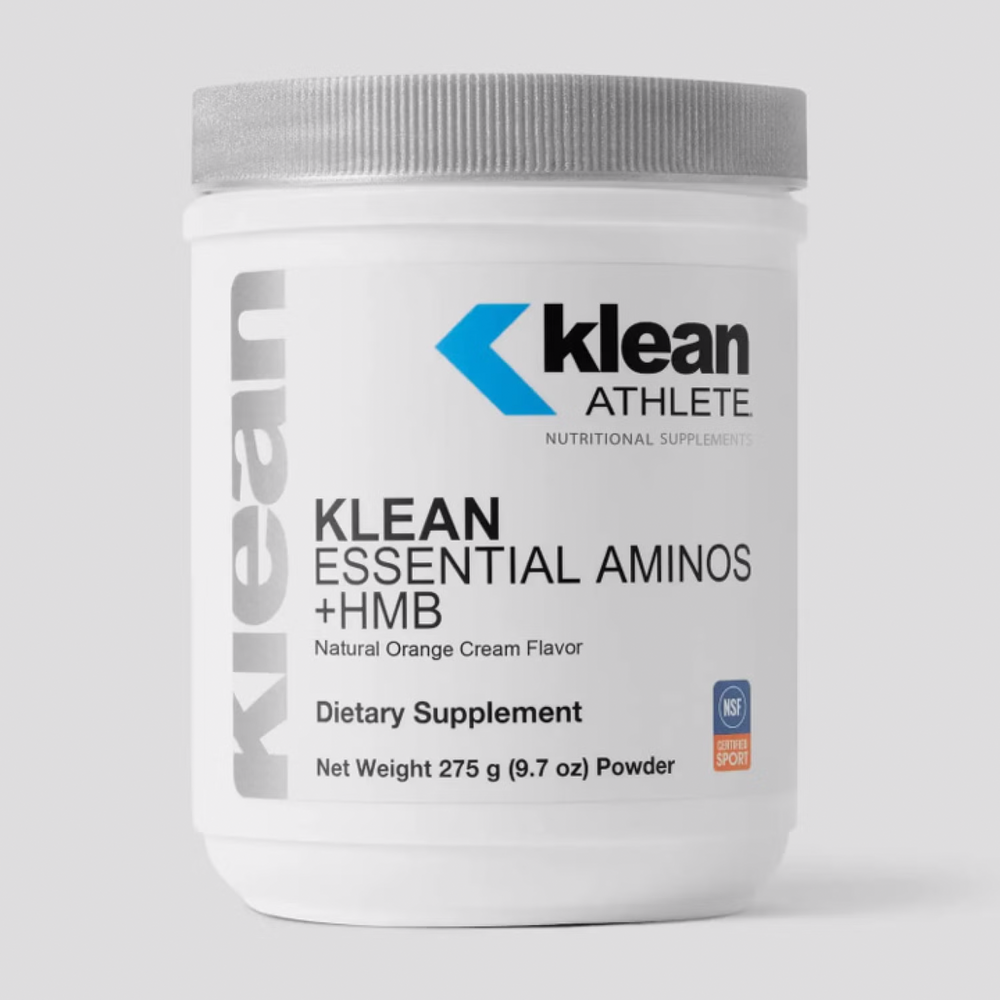
Klean Athlete
Klean Essential Aminos + HMB
275 grams
$XX.XX$78.00retail
Add to cart to see your price