 Instalab
BodyHealth
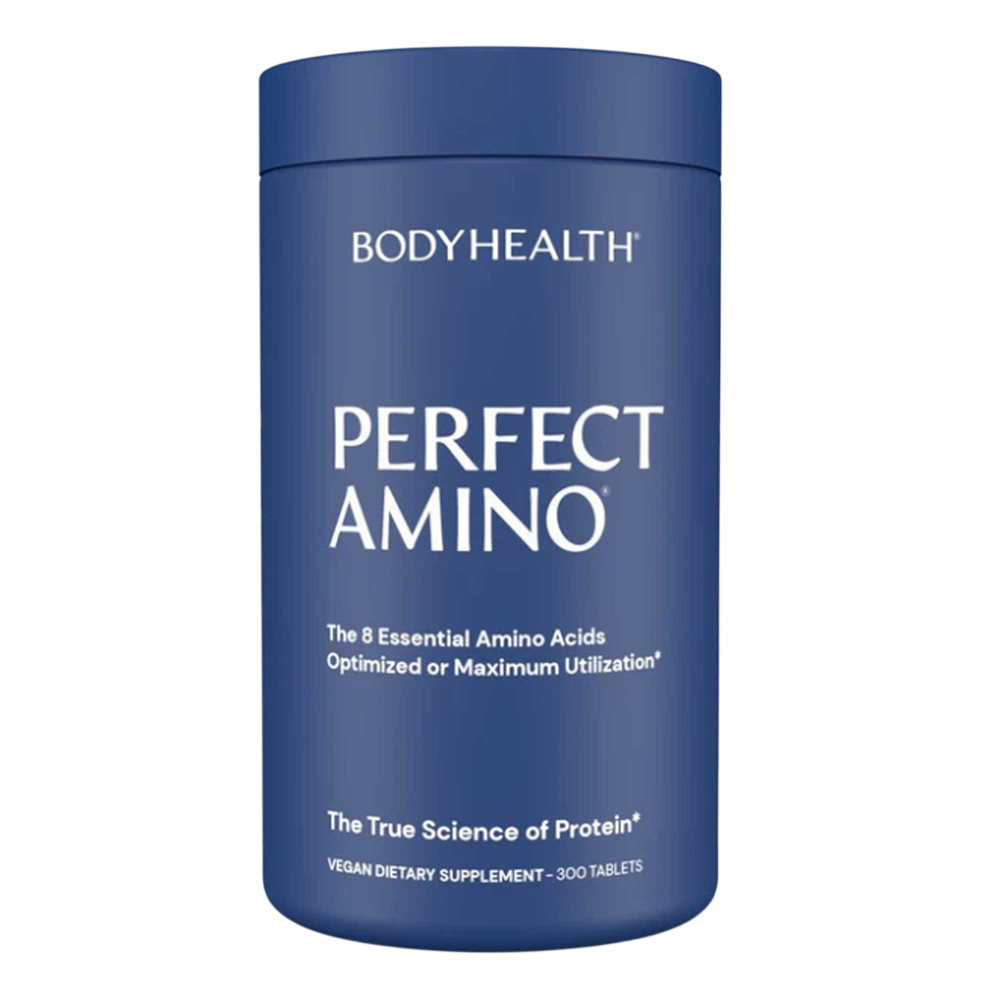
PerfectAmino 5 g by BodyHealth
300 tablets · 60-day supply
Essential Amino Acids for Optimal Muscle Performance and Recovery$XX.XX$79.99retail
Purchase option
20% below MSRP3rd-party tested for purity & potencyFree shipping $50+
Gluten Free·Dairy Free·Sugar Free
BodyHealth PerfectAmino overview
If you train hard but struggle to hit daily protein, an essential amino acids supplement fills the gap without a shake’s calories. It suits plant-based eaters, athletes training fasted, and adults cutting calories who want to keep lean mass. Older adults with "anabolic resistance" (a weaker muscle-building response to meals) also benefit. If you rely on BCAAs alone, you’ll get less muscle protein synthesis because they lack the other required essentials.
All nine essentials are required to build new protein; supplying them together is what drives muscle protein synthesis. Leucine is the trigger that switches on the muscle-building signal in cells, and the other essentials provide the bricks. Compared with BCAAs, a complete EAA blend produces a stronger and longer protein-building response. Because only amino acids are provided, you get this effect with far fewer calories than a 20–30 g whey shake.
The suggested use is 5 tablets, 1 to 3 times daily. For training, take one serving 20–30 minutes before or within an hour after. Between meals is useful during calorie cuts to protect lean mass. You can take it with or without food, but an empty stomach absorbs faster. If you need a larger protein dose, a complete protein like whey or soy around meals remains more practical.
If you have advanced kidney disease, review your eGFR (estimated kidney filtration) and talk with your clinician before using concentrated amino acids. Known inborn errors like phenylketonuria (trouble processing phenylalanine) or maple syrup urine disease are contraindications. If you take levodopa for Parkinson’s, separate amino acids from your dose by a few hours to avoid absorption interference.
Frequently asked questions
EAA vs BCAA: which is better for muscle?
EAAs are better. Leucine starts the signal, but all the essential amino acids are required to build new muscle protein. BCAAs lack the other essentials, so the effect is smaller and shorter.
When should I take essential amino acids for best results?
Take 20–30 minutes before training or within an hour after. On rest days, use between meals to stimulate muscle protein synthesis without adding many calories.
How long until I notice a difference?
Recovery and soreness often improve within 1–2 weeks. Measurable strength or body-composition changes typically require consistent training plus EAAs for 8–12 weeks.
Do essential amino acids break a fast?
Yes. They are calorie-containing and raise insulin modestly, so they break a metabolic fast. They are still useful during time-restricted eating if your goal is muscle retention.
Are essential amino acids safe for kidneys?
In healthy adults, typical doses are well tolerated. If you have kidney disease, discuss with your clinician and monitor eGFR and BUN, since nitrogen handling can be an issue.
Can I take essential amino acids with creatine or protein powder?
Yes. Creatine pairs well with EAAs around training. If you already eat a high-protein meal or shake, you likely don’t need an additional EAA serving at that time.
Any side effects with essential amino acid tablets?
Some people notice mild nausea if taken on a very empty stomach. Start with a half serving and a small amount of water, then increase as tolerated.
Is this better than whey for building muscle?
EAAs are efficient per calorie and convenient between meals. For total daily protein needs, whey or food protein is still the backbone; combine strategies based on your targets.
How to take it & ingredients
Suggested use: Take 5 tablets, 1-3 times daily or as needed.
Active ingredients
5 tablets per serving · 60 servings
▼
PERFECT AMINO™ EAA & NA Proprietary Blend
5 g
L-Leucine
-
L-Valine
-
L-Isoleucine
-
L-Lysine HCL
-
L-Phenylalanine
-
L-Threonine
-
L-Methionine
-
L-Tryptophan
-
L-Histidine
-
Uridine
-
Adenosine Triphosphate
-
Thymidine
-
Adenine
-
2'-Deoxyadenosine
-
2'-Deoxyguanosine
-
2'-Deoxycytidine
-
Certifications
Benefits
Warnings
Customers also considered
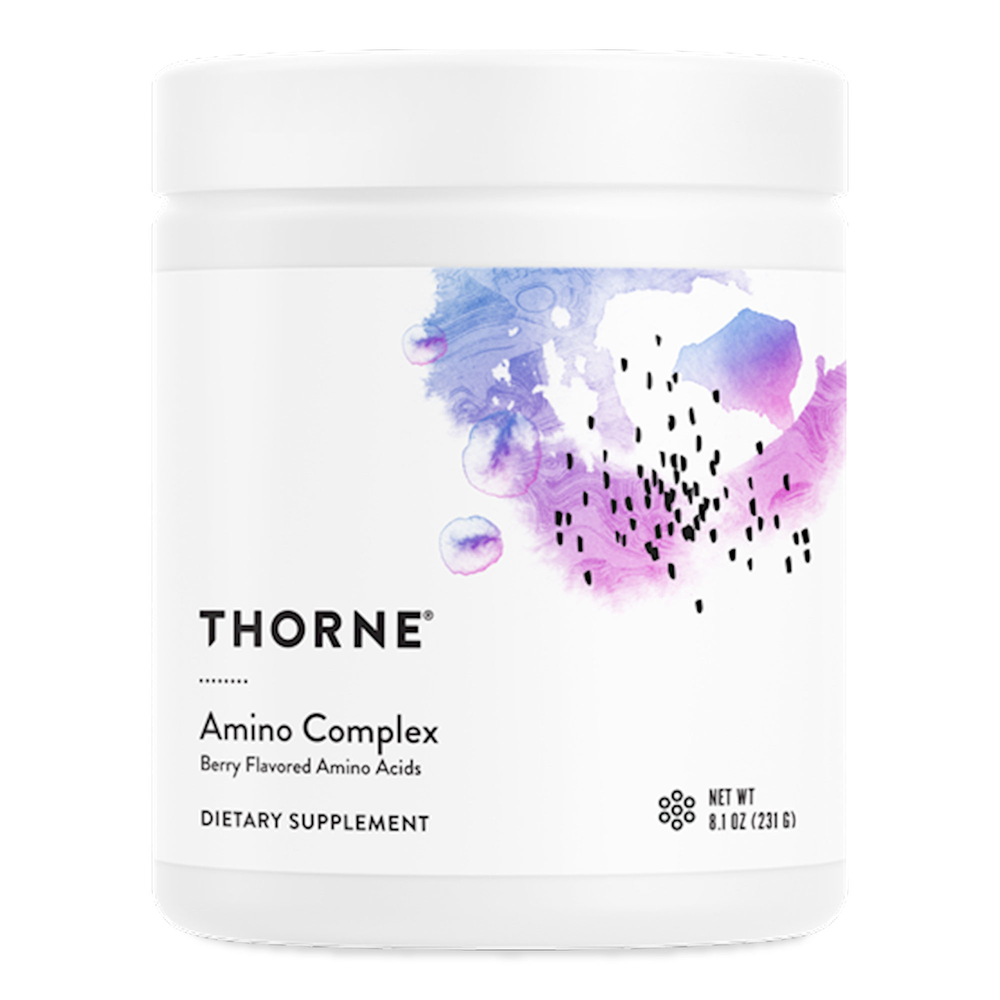
Thorne
Amino Complex Berry Powder
231 grams
$XX.XX$52.00retail
Add to cart to see your price
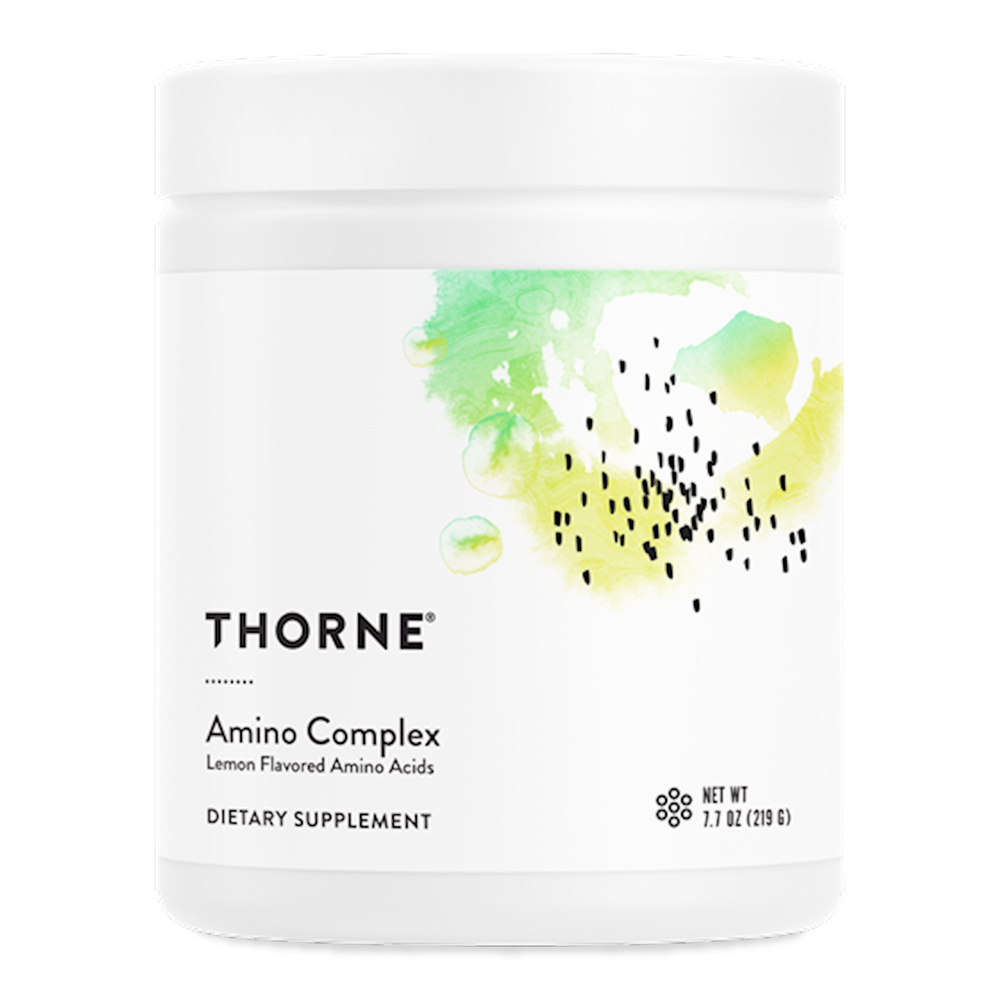
Thorne
Amino Complex Lemon
231 grams
$XX.XX$52.00retail
Add to cart to see your price
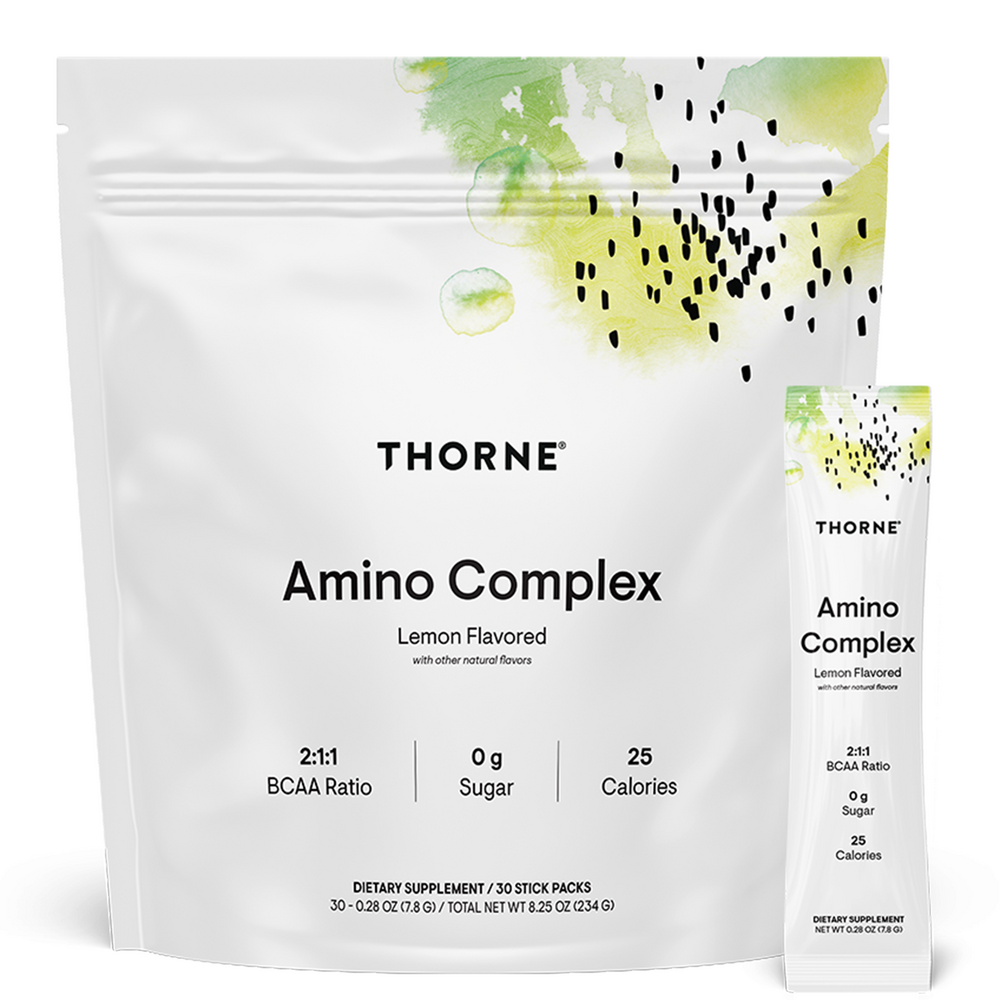
Thorne
Amino Complex Lemon Stick Pack
30 packets
$XX.XX$56.00retail
Add to cart to see your price
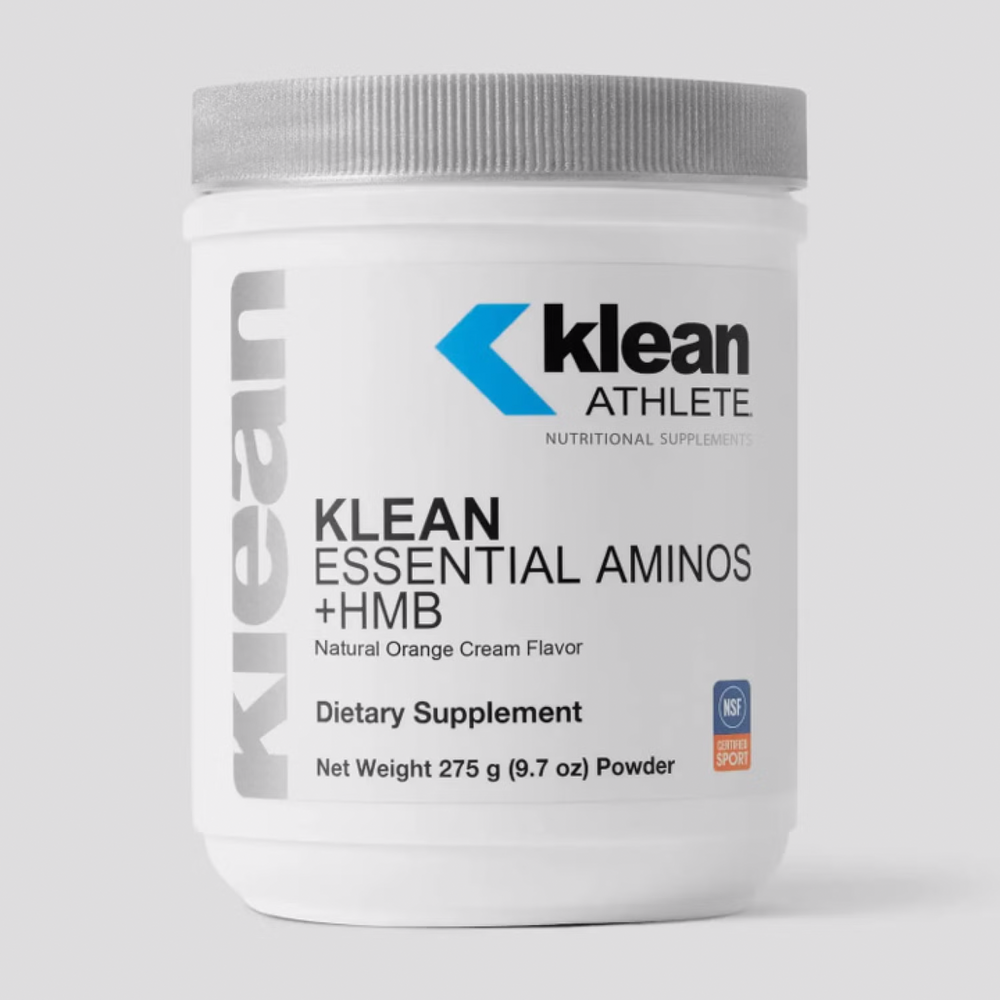
Klean Athlete
Klean Essential Aminos + HMB
275 grams
$XX.XX$78.00retail
Add to cart to see your price