 Instalab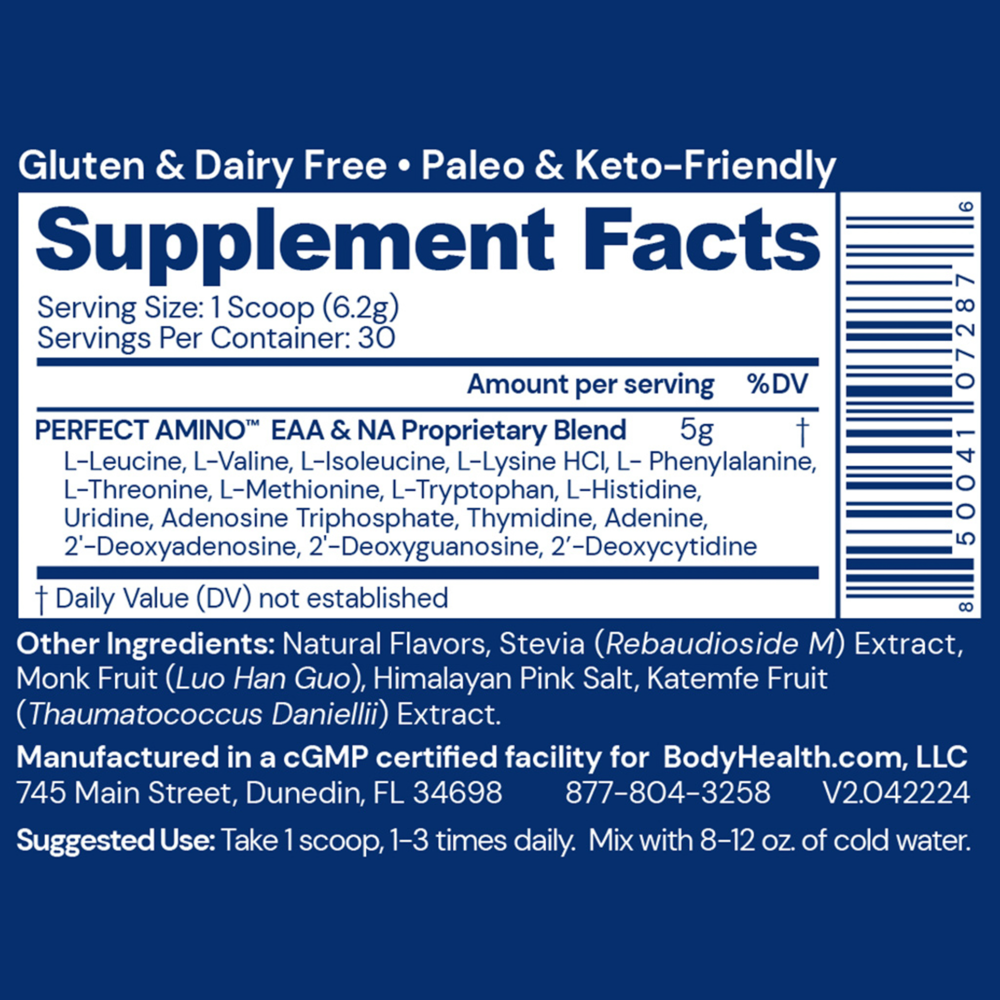


BodyHealth
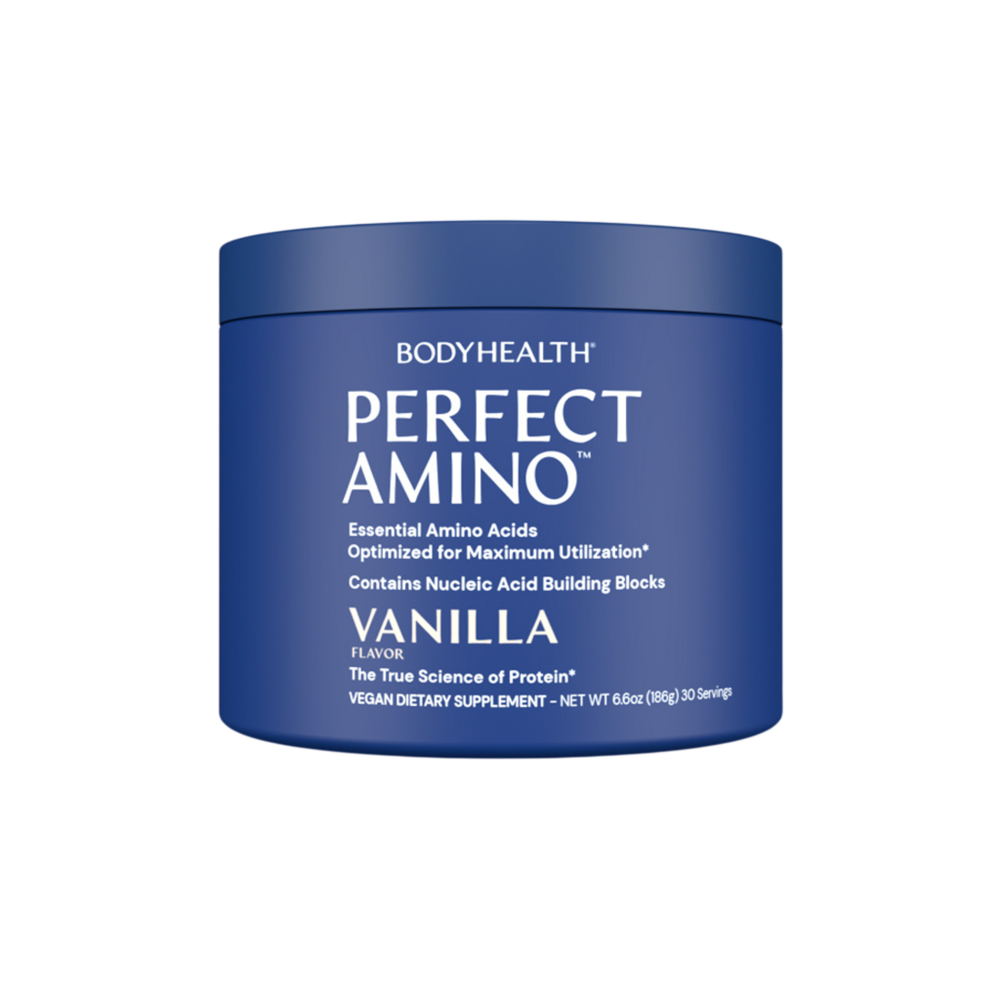
PerfectAmino Electrolytes Vanilla 5 g by BodyHealth
186 grams
Essential Amino Acids and Electrolytes for Optimal Hydration and Recovery$XX.XX$45.99retail
Purchase option
20% below MSRP3rd-party tested for purity & potencyFree shipping $50+
Gluten Free·Dairy Free·Keto Friendly·Paleo Friendly
BodyHealth PerfectAmino Electrolytes Vanilla overview
Fasted morning training is where essential amino acids shine. If you lift or do intervals before breakfast and want muscle protein synthesis without a full shake, this fits. It also helps plant‑forward eaters with low protein at meals, older adults who struggle to hit total protein, and athletes who get stomach upset from whey. Track outcomes with Creatine Kinase after hard sessions for muscle damage and with body composition, not just scale weight.
Essential amino acids, especially leucine (the trigger for muscle-building signaling), turn on muscle protein synthesis quickly when they hit the bloodstream. A complete EAA mix outperforms BCAAs alone because your muscles need all nine essentials to build new protein. The added electrolytes replace sodium and potassium lost in sweat, which helps maintain fluid balance and steady effort. This blend also includes nucleotides (the building blocks of DNA and RNA), a niche add-on with emerging but limited adult exercise data.
Use 1 scoop mixed in water 15–30 minutes pre‑workout, or between meals, up to 2–3 times daily per the label. One scoop (5 g EAAs) is a light, maintenance-level dose; to match a full protein serving, most people need either 10–15 g EAAs or 20–30 g of a complete protein like whey. If your goal is hydration during long sessions, pair with water volume that matches sweat loss. Expect recovery and soreness differences within 1–2 weeks.
If you have kidney or significant liver disease, use amino acid supplements only with clinician guidance and review your eGFR (kidney filtration) periodically. People with phenylketonuria should avoid phenylalanine-containing products. If you take levodopa for Parkinson’s, separate amino acids from dosing because large neutral amino acids can compete for absorption. Pregnancy or breastfeeding: safety data for proprietary EAA-electrolyte blends are limited, so stick to food-based protein unless advised otherwise.
Frequently asked questions
Are essential amino acids better than BCAAs?
Yes for muscle building. BCAAs lack the other six essentials your muscles need to assemble new protein. Complete essential amino acids reliably stimulate muscle protein synthesis, especially when leucine is included at an effective amount.
Will essential amino acids break a fast?
They contain minimal calories and typically cause only a small insulin response, but they do end a strict water-only fast. Many athletes still use EAAs during fasted training to protect muscle while keeping digestion light.
When should I take essential amino acids?
Take them 15–30 minutes before training, during long sessions, or between meals when protein intake is light. If you already eat 25–40 g of high-quality protein per meal, adding EAAs around that meal offers little extra benefit.
How long until I notice results?
Protein synthesis increases within hours, but practical changes—less next-day soreness, better session quality, or steadier hydration—usually show up within 1–2 weeks. Body composition shifts take longer and depend on total protein and training.
Can essential amino acids replace a protein shake?
Not fully. EAAs are efficient triggers but lack the nonessential amino acids and calories a meal provides. For a true meal replacement, use 20–30 g of complete protein. Use EAAs when you want light digestion or fasted training support.
Any side effects with essential amino acids and electrolytes?
They’re generally well tolerated. Possible issues include mild nausea if taken on an empty stomach, or bloating if mixed too concentrated. If you’re salt-sensitive or on diuretics, check the sodium content and adjust your total daily intake.
Can I take essential amino acids with creatine or whey?
Yes. Creatine pairs well. If you’re already using 20–30 g of whey around a workout, the extra EAAs are usually redundant. Use EAAs when you skip the shake or want something lighter on the stomach.
How to take it & ingredients
Suggested use: 1 scoop 2-3 times a day.
Active ingredients
1 scoop per serving
▼
Perfect Amino EEAA & NA Proprietary Blend
5 g
L-leucine
-
l-Valine
-
L-Isoleucine
-
L-Lysine HCL
-
L-Phenylalanine
-
L-Threonine
-
L-Methionine
-
L-Tryptophan
-
L-Histidine
-
Uridine
-
Adenosine Triphosphate
-
Thymidine
-
Adenine
-
2'-Deoxyadenosine
-
2'-Deoxyguanosine
-
2'-Deoxycytidine
-
Other ingredients: Natural Flavors, Citric Acid (from Cassava), L-Malic Acid, Stevia Extract, Monk Fruit (Luo Han Guo), Himalayan Pink Salt, Katemfe Fruit (Thaumatococcus Daniellii) extract
Certifications
Benefits
Warnings
Customers also considered
Thorne
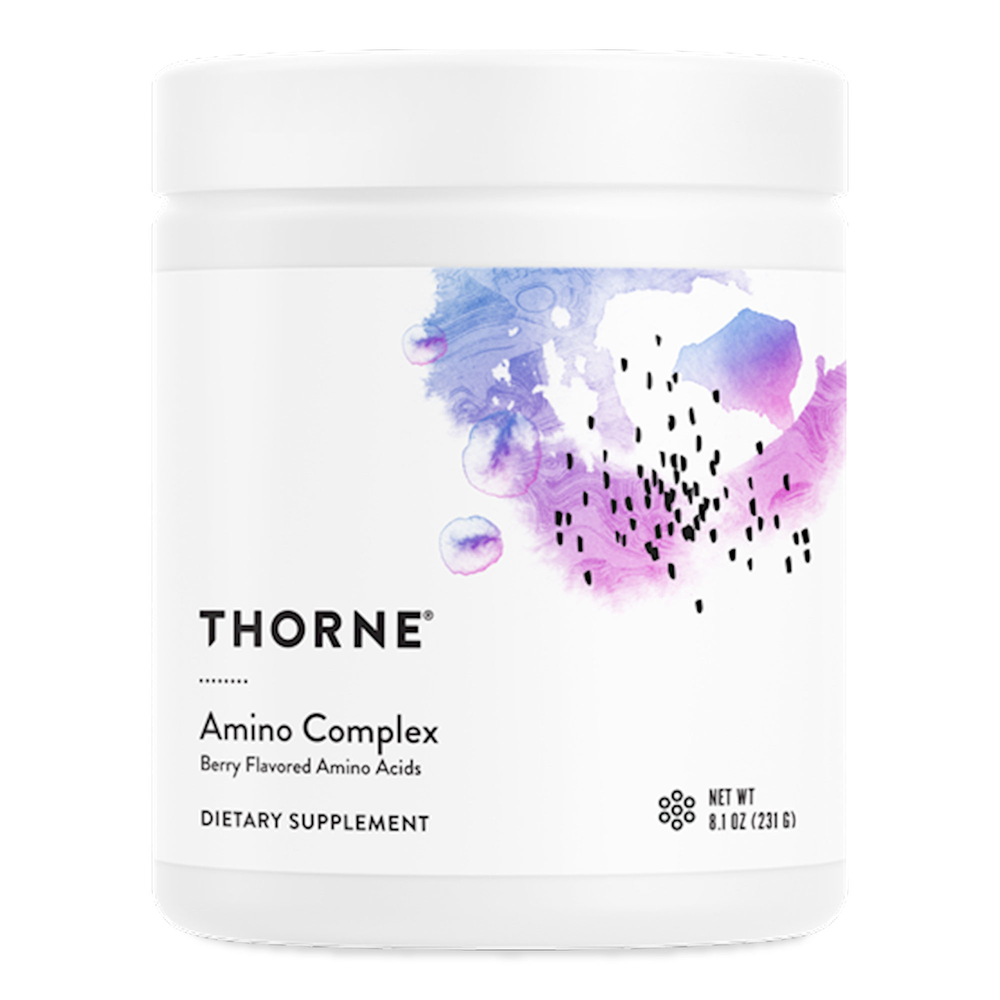
Amino Complex Berry Powder
231 grams
$XX.XX$52.00retail
Add to cart to see your price
Thorne
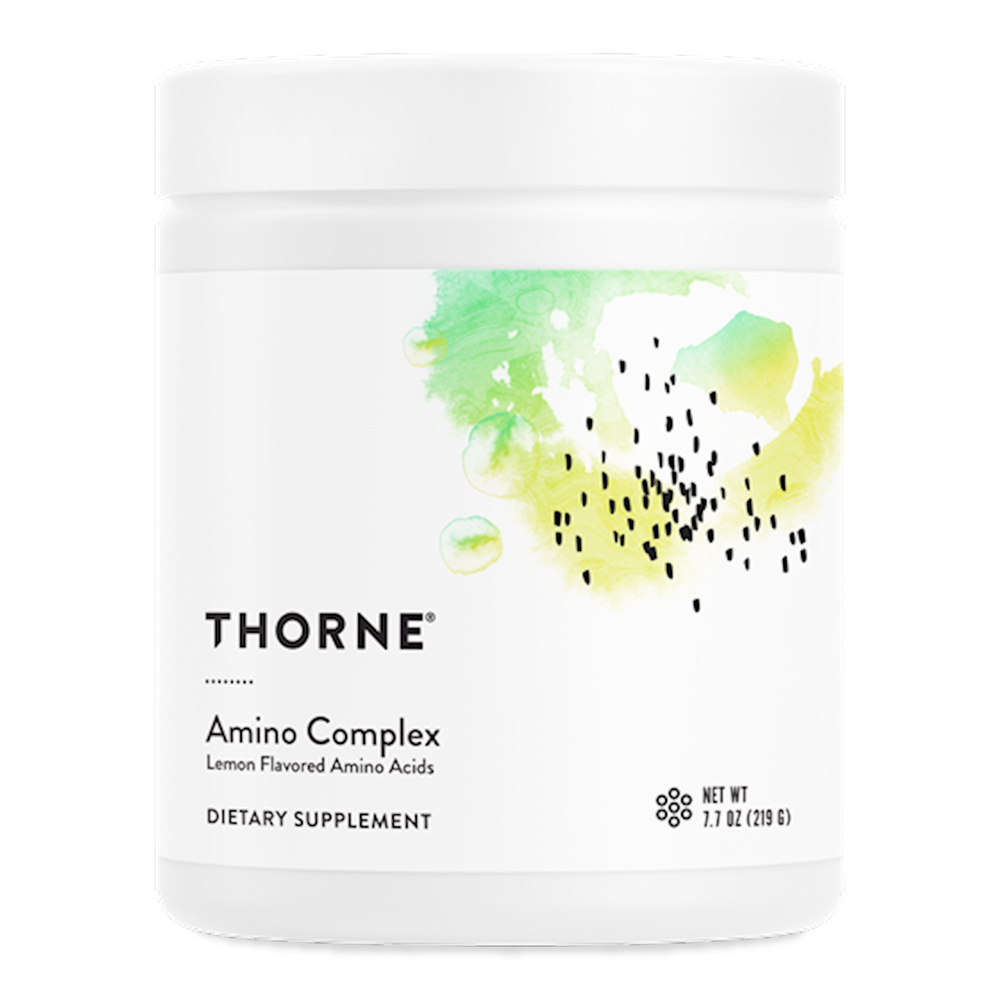
Amino Complex Lemon
231 grams
$XX.XX$52.00retail
Add to cart to see your price
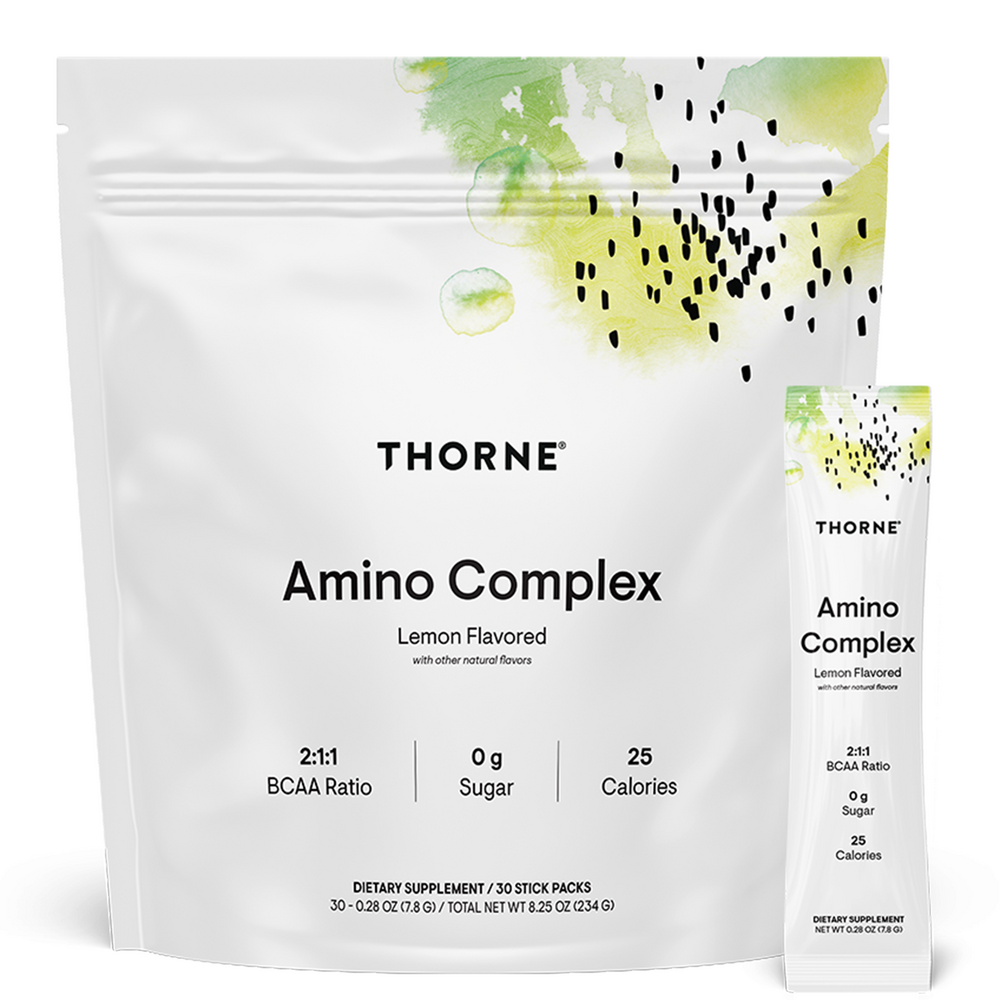
Thorne
Amino Complex Lemon Stick Pack
30 packets
$XX.XX$56.00retail
Add to cart to see your price
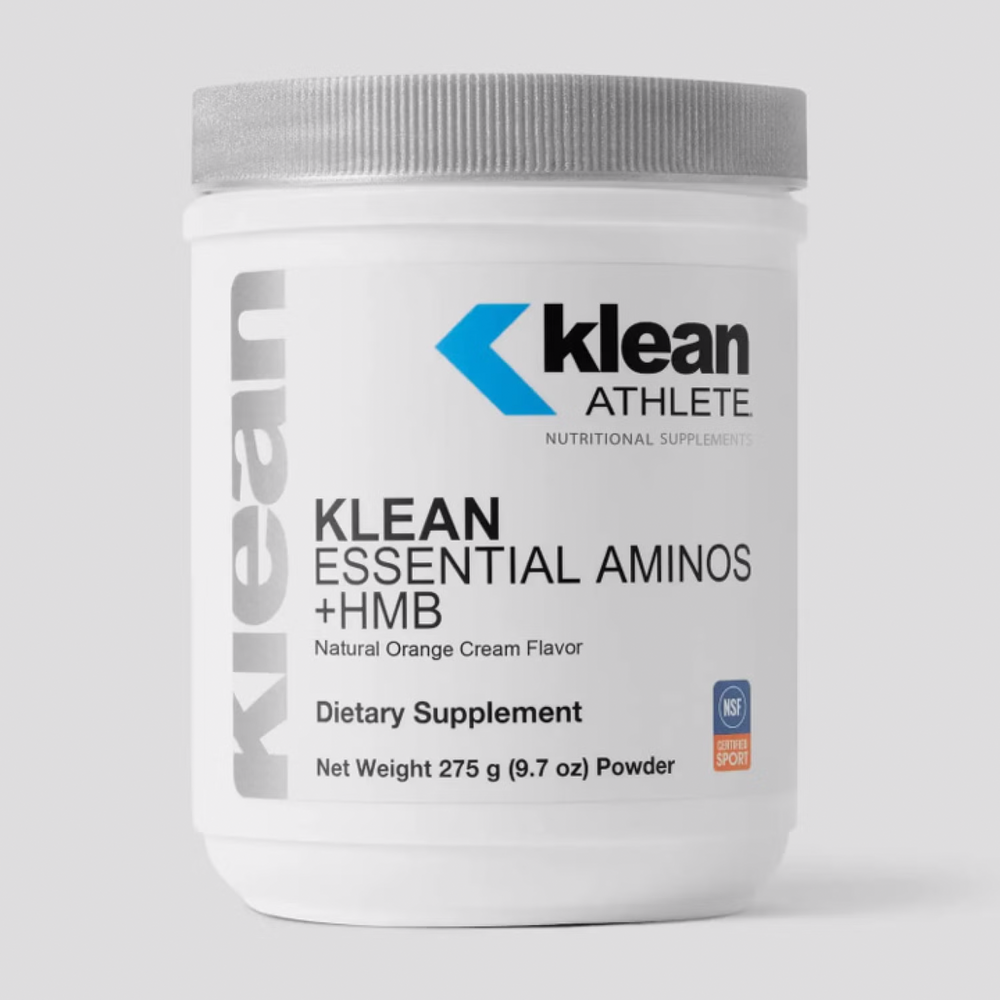
Klean Athlete
Klean Essential Aminos + HMB
275 grams
$XX.XX$78.00retail
Add to cart to see your price