 Instalab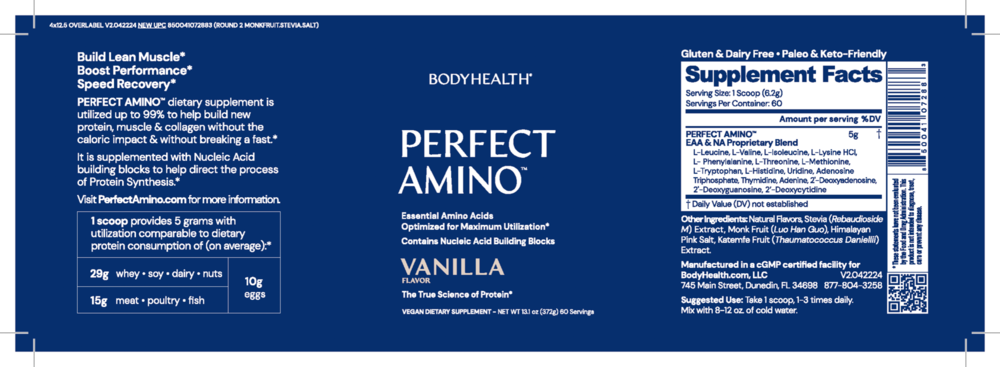


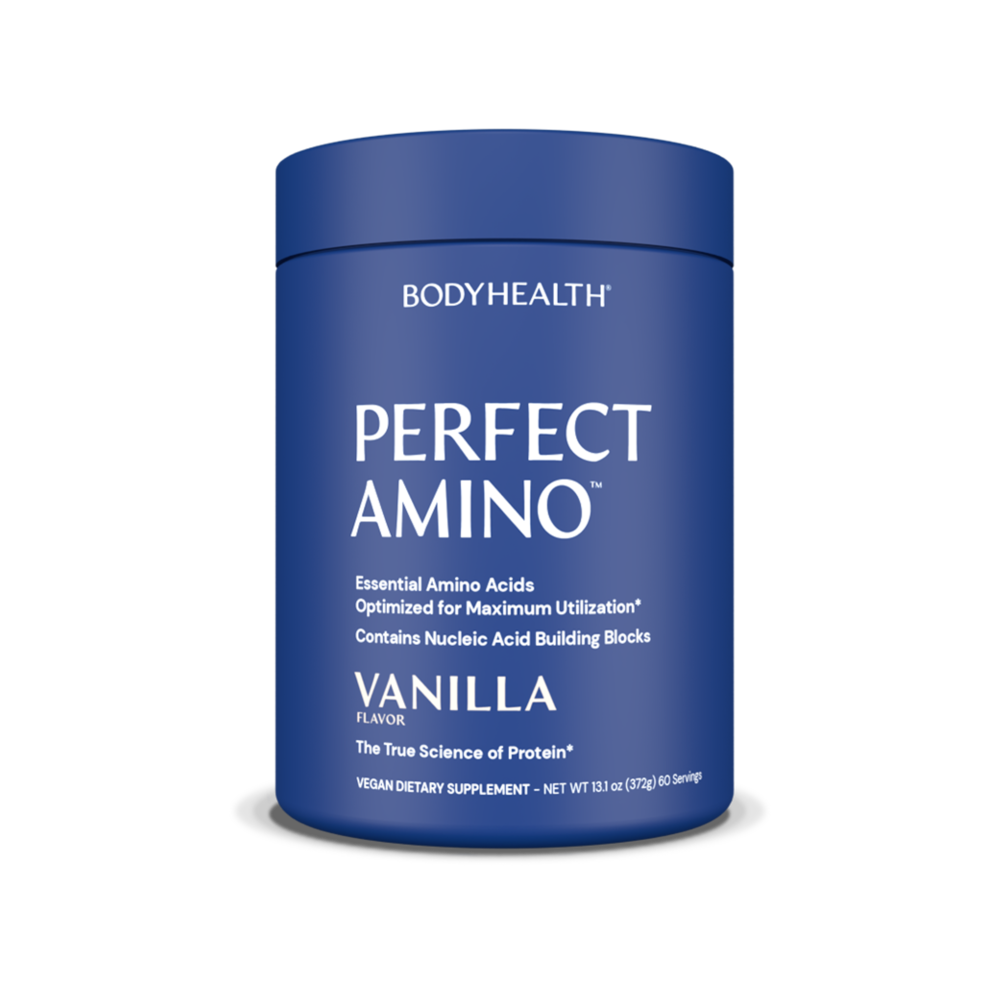
BodyHealth
PerfectAmino Electrolytes Vanilla 5 g by BodyHealth
372 grams
Essential Amino Acids and Electrolytes for Optimal Hydration and Performance$XX.XX$83.99retail
Purchase option
20% below MSRP3rd-party tested for purity & potencyFree shipping $50+
Gluten Free·Dairy Free·Keto Friendly·Paleo Friendly
BodyHealth PerfectAmino Electrolytes Vanilla overview
If you train hard but don’t hit your daily protein target, essential amino acids with electrolytes are a practical bridge. They suit fasted morning workouts, endurance sessions in heat when fluids matter, and plant‑forward eaters who struggle to get enough leucine-rich protein. One scoop is a light dose for muscle repair; lifters and runners usually pair 1 scoop before and 1 after training. If you already eat ample protein, the benefit is smaller but convenience still helps.
EAAs (the nine amino acids your body can’t make) trigger muscle protein synthesis, the repair-and-build process after training. A balanced EAA mix outperforms BCAAs alone because muscles need all nine, not just leucine, isoleucine, and valine. Compared with a full protein shake, EAAs deliver the critical signaling with very few calories. Added electrolytes like sodium, potassium, and magnesium help maintain fluid balance and nerve-muscle firing, which reduces cramping risk during long or sweaty sessions.
Mix 1 scoop in water 2–3 times daily as directed. For training, use 1 scoop 15–30 minutes pre-workout and another within an hour after. On rest days, 1 scoop between meals can backfill low-protein meals. If you need a bigger effect on muscle building, consider 2 scoops at once or pair a scoop with a protein snack to reach an effective leucine threshold. Electrolytes are best with at least 8–16 oz water per scoop.
Skip or use only with clinician guidance if you have kidney disease, advanced liver disease, or phenylketonuria (EAAs include phenylalanine). Separate by at least 1–2 hours from levodopa for Parkinson’s or thyroid hormone, since amino acids can compete for absorption. Strict fasting: amino acids do count as protein and will break a fast aimed at avoiding mTOR (the growth signal); they’re fine for low-calorie hydration windows but not for true water fasting.
Frequently asked questions
Do essential amino acids break a fast?
Yes. EAAs count as protein and activate the body’s growth signaling, so they break a strict fast. They are very low calorie, so they fit time-restricted eating if your goal is convenience and training, not pure water fasting.
EAAs vs BCAAs: which is better for muscle?
EAAs are better. Muscles need all nine essential amino acids to build new protein. BCAAs provide the spark (especially leucine) but without the other six essentials, synthesis stalls and results are weaker.
When should I take essential amino acids for workouts?
Take a serving 15–30 minutes before training and another within 60 minutes after. That timing supplies the signal and building blocks when blood flow to muscle is highest. For long endurance sessions, sip during with water.
Can I use EAAs instead of a protein shake?
For calorie-conscious peri-workout use, yes. For daily nutrition, no. EAAs trigger muscle building but lack the total nitrogen, calories, and other nutrients a full protein source provides. Use them to complement, not replace, protein foods.
How long until I feel a difference?
Soreness and session-to-session recovery often feel better within a week. Visible changes in lean mass require consistent training and protein intake; expect measurable progress over 4–8 weeks, tracked by performance or body composition.
Are essential amino acids safe every day?
For healthy adults with normal kidney and liver function, daily use is generally well tolerated. Mild nausea can occur if taken on an empty stomach; add more water or take smaller sips. If you have kidney or liver disease, speak with your clinician.
Do electrolytes here replace my sports drink?
For short or moderate sessions, often yes when mixed in enough water. In heavy heat or multi-hour training, you may still need additional sodium and fluids. Adjust based on sweat rate, cramping, and body weight changes during sessions.
How to take it & ingredients
Suggested use: 1 scoop 2-3 times a day.
Active ingredients
1 scoop per serving
▼
Perfect Amino EEAA & NA Proprietary Blend
5 g
L-leucine
-
l-Valine
-
L-Isoleucine
-
L-Lysine HCL
-
L-Phenylalanine
-
L-Threonine
-
L-Methionine
-
L-Tryptophan
-
L-Histidine
-
Uridine
-
Adenosine Triphosphate
-
Thymidine
-
Adenine
-
2'-Deoxyadenosine
-
2'-Deoxyguanosine
-
2'-Deoxycytidine
-
Other ingredients: Natural Flavors, Citric Acid (from Cassava), L-Malic Acid, Stevia Extract, Monk Fruit (Luo Han Guo), Himalayan Pink Salt, Katemfe Fruit (Thaumatococcus Daniellii) extract
Certifications
Benefits
Warnings
Customers also considered
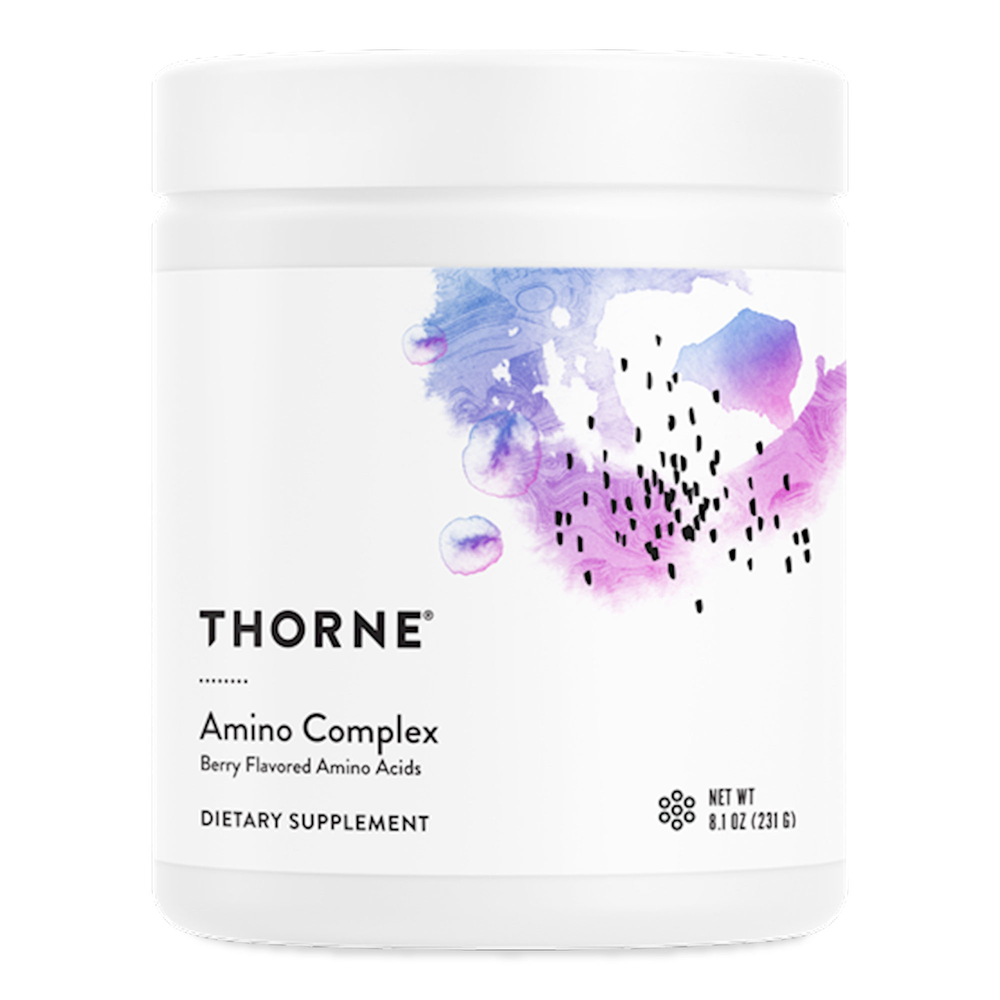
Thorne
Amino Complex Berry Powder
231 grams
$XX.XX$52.00retail
Add to cart to see your price
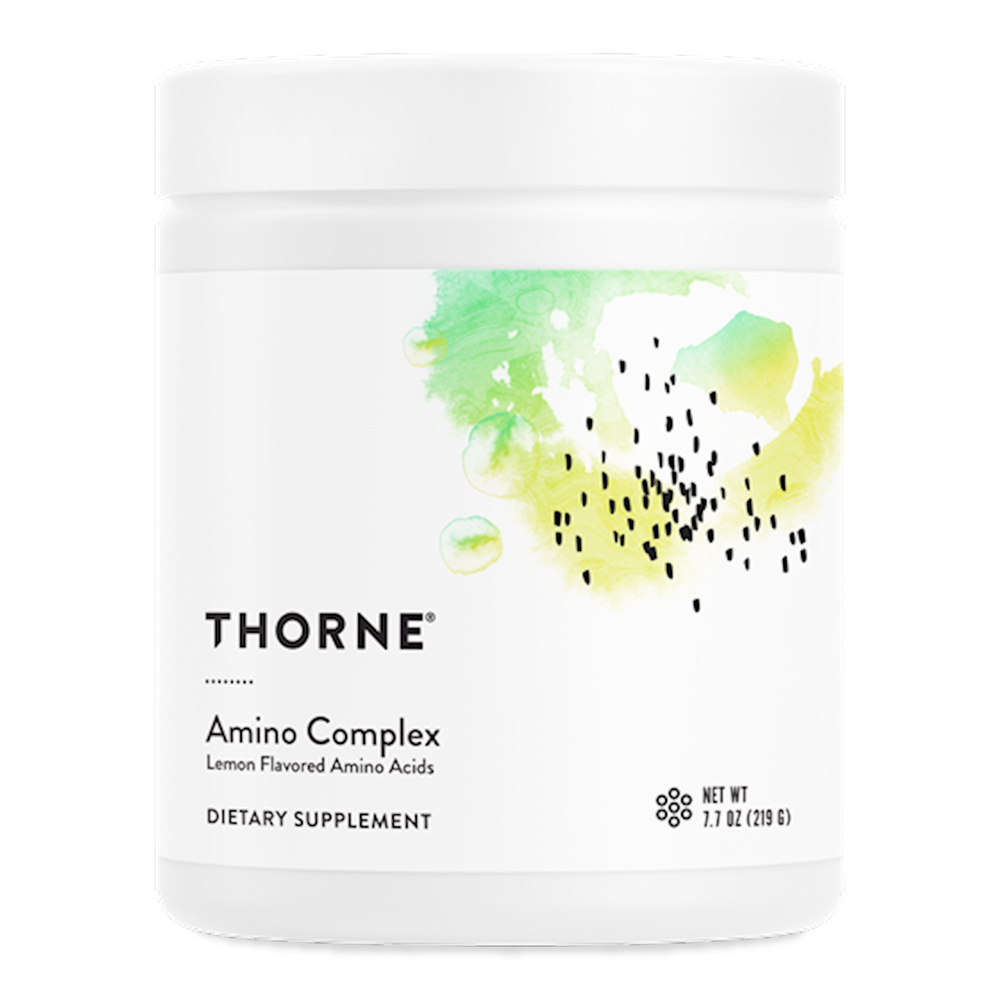
Thorne
Amino Complex Lemon
231 grams
$XX.XX$52.00retail
Add to cart to see your price
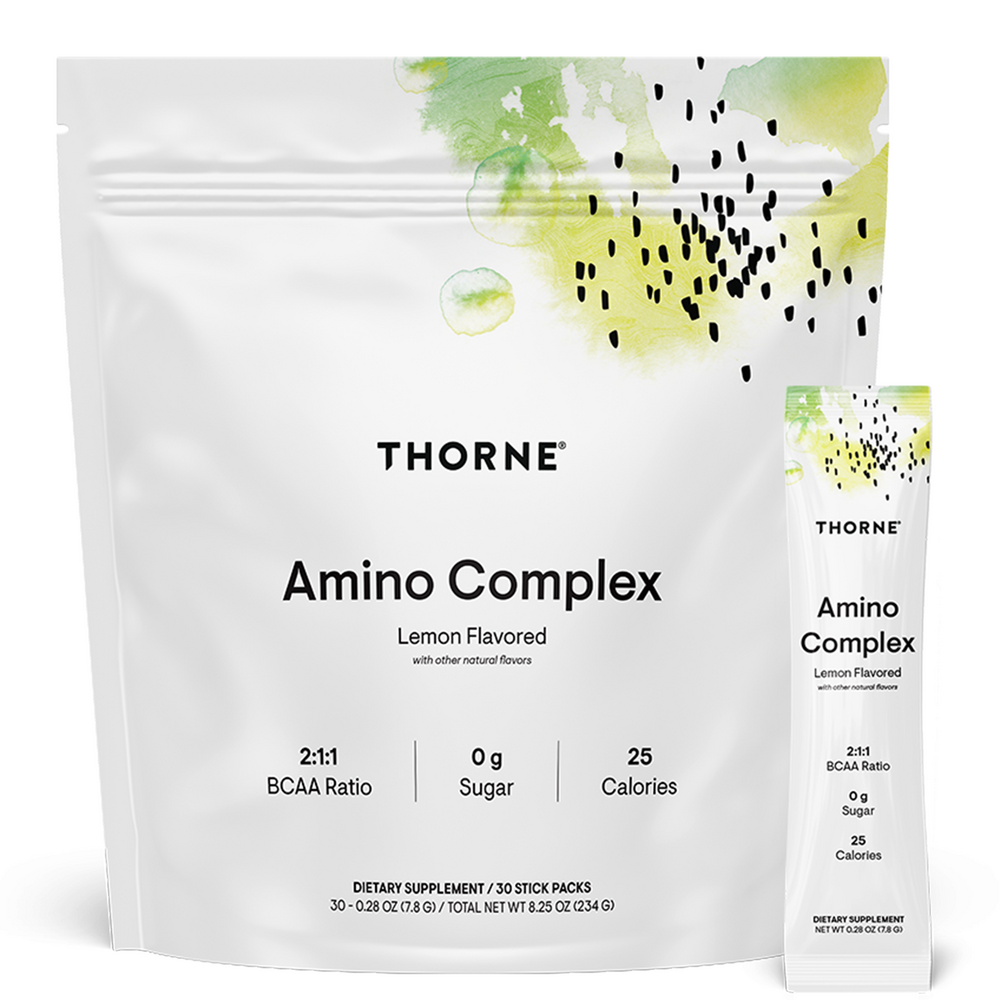
Thorne
Amino Complex Lemon Stick Pack
30 packets
$XX.XX$56.00retail
Add to cart to see your price
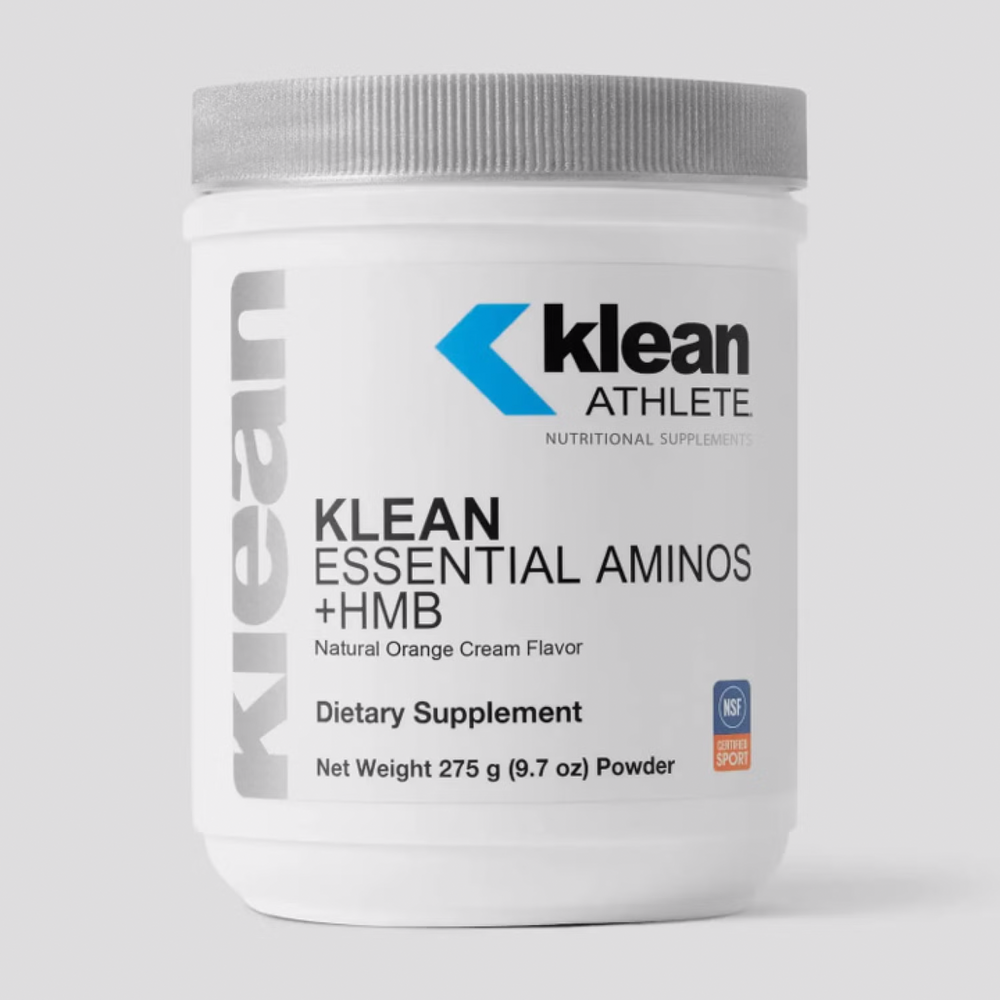
Klean Athlete
Klean Essential Aminos + HMB
275 grams
$XX.XX$78.00retail
Add to cart to see your price