 Instalab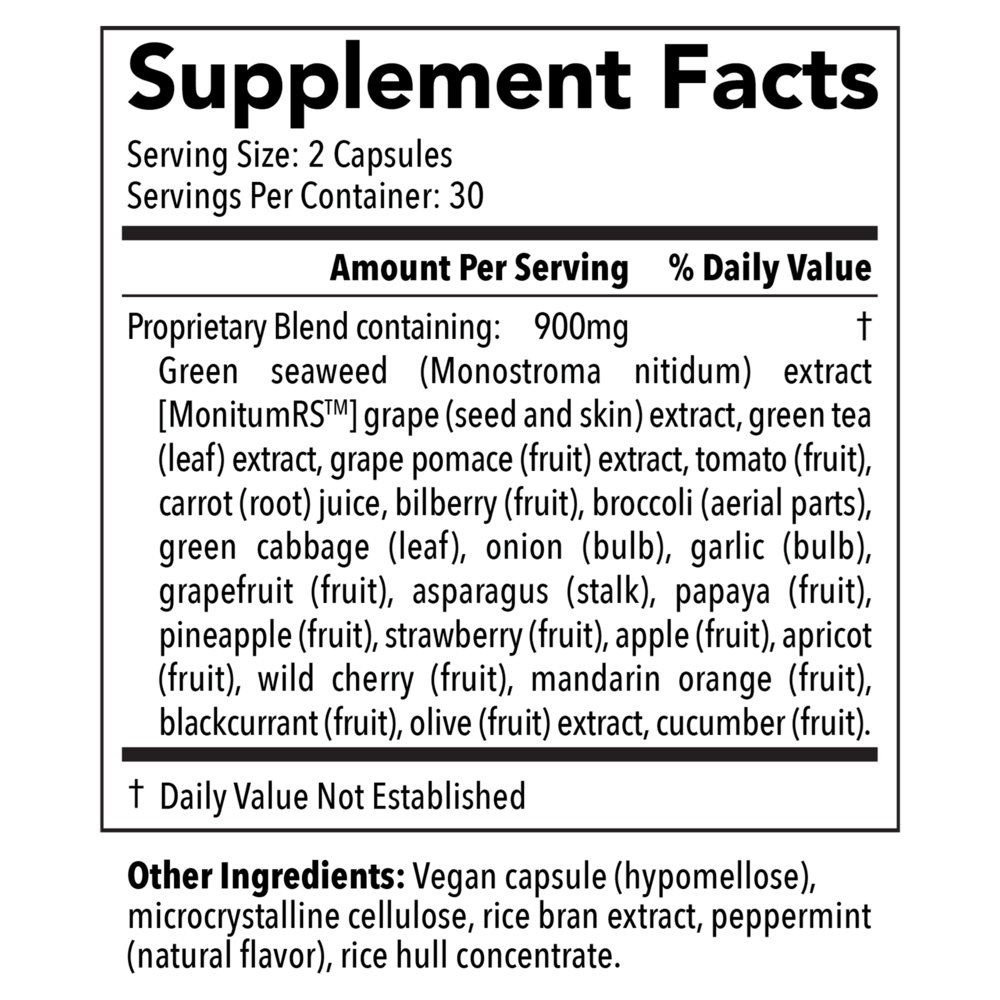
Calroy Health Sciences
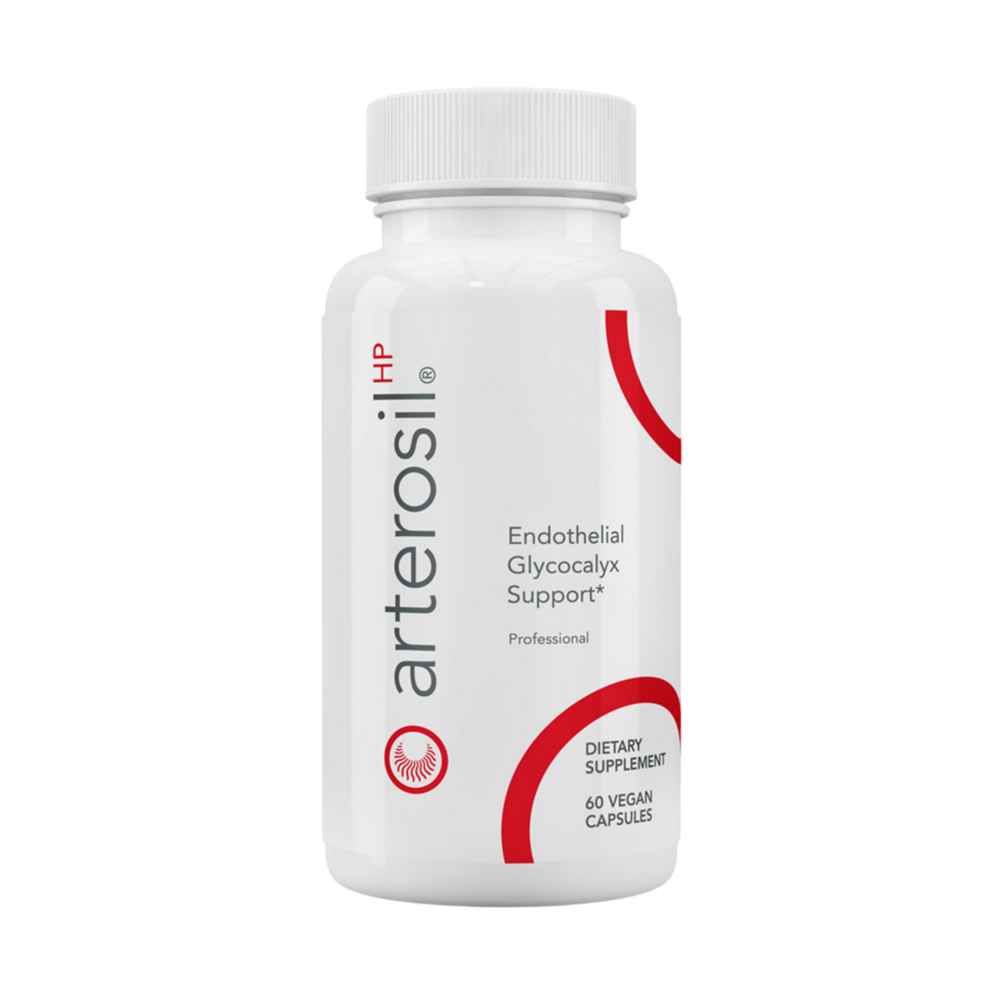
Arterosil HP 900 mg by Calroy Health Sciences
60 capsules · 30-day supply
Support Healthy Circulation and Vascular Function with Arterosil HP$99.99
Purchase options
Practitioner-grade brand3rd-party testedFree shipping $50+
Gluten Free·Soy Free·Dairy Free·Egg Free·Milk Free·Tree Nut Free·
Calroy Health Sciences Arterosil HP overview
If you’re looking for an endothelial glycocalyx supplement because your clinician flagged endothelial function or vascular risk, this is the niche it serves. The endothelial glycocalyx is the gel-like sugar coat that lines blood vessels and helps regulate blood flow. It’s most relevant if you have risk factors like high blood pressure, diabetes or prediabetes, elevated hs-CRP (an inflammation marker), low nitric oxide–related symptoms like cold hands or erectile issues, or if your training loads are high and you want vascular recovery. Use it as an add-on to statins, blood pressure meds, and lifestyle, not a replacement.
This formula centers on seaweed-derived rhamnan sulfate, a sulfated polysaccharide that resembles parts of the natural endothelial glycocalyx. The glycocalyx acts as a barrier that limits LDL particles (the form your liver packages fat into for transport) from entering the vessel wall and as a sensor that triggers nitric oxide (the gas that relaxes arteries). Early human studies on rhamnan sulfate blends show improvements in noninvasive endothelial tests, often within 4 to 12 weeks. The proposed actions are shielding the glycocalyx from oxidative damage and providing building blocks for renewal, which can translate to smoother blood flow and better shear sensing.
Take two capsules daily with meals, ideally one in the morning and one in the evening for steady exposure. Food helps tolerance of seaweed concentrates. Stick with a daily routine for at least 8 to 12 weeks before judging effect; endothelial measures change gradually. If you track labs, pair use with hs-CRP and standard lipids, and consider repeating an endothelial test your clinician uses, such as flow‑mediated dilation (an ultrasound measure of artery widening).
Seaweed-derived sulfated polysaccharides can have mild blood-thinning effects. If you take anticoagulants or antiplatelets like warfarin, apixaban, rivaroxaban, clopidogrel, or aspirin, involve your clinician and monitor for bruising or bleeding. Pause before surgery as directed. Seaweed concentrates may contain trace iodine; those with thyroid disease requiring tight iodine control should confirm compatibility. Safety in pregnancy and nursing isn’t established, so avoid unless your obstetric clinician advises otherwise. For shellfish allergy specifically, this plant-based extract is not shellfish, but verify the facility’s allergen practices if you’re highly sensitive.
Frequently asked questions
What is the endothelial glycocalyx, in plain English?
It’s a microscopic, gel-like sugar layer that coats the inside of your blood vessels. It helps your arteries sense blood flow, release nitric oxide to relax, and keep unwanted particles from sticking to the vessel wall.
How long does Arterosil-type rhamnan sulfate take to work?
Expect a slow build. Early studies report changes in endothelial function tests within 4–12 weeks, with fuller effects over several months. It’s not a quick pump like beetroot; consistency matters.
Does this thin your blood?
It can have mild blood-thinning activity. Most healthy users do fine, but if you’re on warfarin, apixaban, rivaroxaban, clopidogrel, or daily aspirin, talk to your clinician and watch for easy bruising or nosebleeds.
Can I take it with statins or blood pressure medicine?
Yes, it’s typically used alongside standard therapy, not instead of it. There’s no known adverse interaction with statins or common antihypertensives, but coordinate changes with your prescriber.
What labs or tests should I track while using it?
Track hs-CRP for inflammation and your usual lipid panel. If available, repeat an endothelial measure your clinician trusts, such as flow‑mediated dilation or a validated microvascular test.
Is there iodine in seaweed-derived glycocalyx supplements?
Seaweed extracts can contain trace iodine. Amounts are generally low, but if you must tightly limit iodine for thyroid reasons, confirm suitability with your clinician and the manufacturer.
Any common side effects?
Most people tolerate it well. Occasional users report mild GI upset when taken on an empty stomach. Take with food, split morning and evening, and stop if you notice unusual bleeding.
How is this different from nitric oxide boosters like beetroot?
Beetroot increases nitric oxide directly for short-term vessel relaxation. Glycocalyx support aims upstream, maintaining the vessel’s protective surface that helps regulate nitric oxide over time.
How to take it & ingredients
Suggested use: Take 2 capsules daily, preferably one in the morning and one in the evening, with a meal, or as directed by your healthcare practitioner.
Active ingredients
2 capsules per serving · 30 servings
▼
Proprietary Blend
900 mg
MonitumRS™ green seaweed (Monostroma sp.) extract
-
Grape (seed and skin) extract
-
Green tea (leaf) extract
-
Grape pomace (fruit) extract
-
Tomato (fruit), carrot (root) juice, bilberry (fruit), broccoli (aerial parts), green cabbage (leaf), onion (bulb), garlic (bulb), grapefruit (fruit), asparagus (stalk), papaya (fruit), pineapple (fruit), strawberry (fruit), apple (fruit), apricot (fruit), cherry (fruit), orange (fruit), blackcurrant (fruit), olive (fruit) extract, cucumber (fruit)
-
Other ingredients: Vegan capsule (hypromellose), Microcrystalline cellulose, Rice bran extract, Peppermint (natural flavor), Rice hull concentrate
Certifications
Benefits
Warnings
Customers also considered
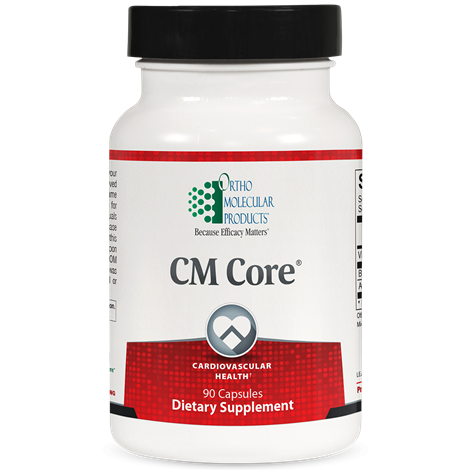
CM Core
Ortho Molecular Products
90 capsules
$70.32$63.35 with Subscribe & Save
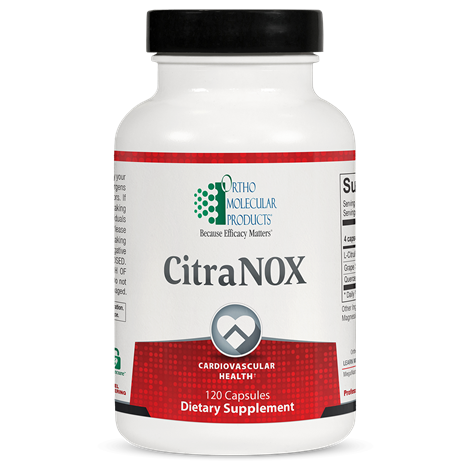
CitraNOX
Ortho Molecular Products
120 capsules
$70.32$63.35 with Subscribe & Save
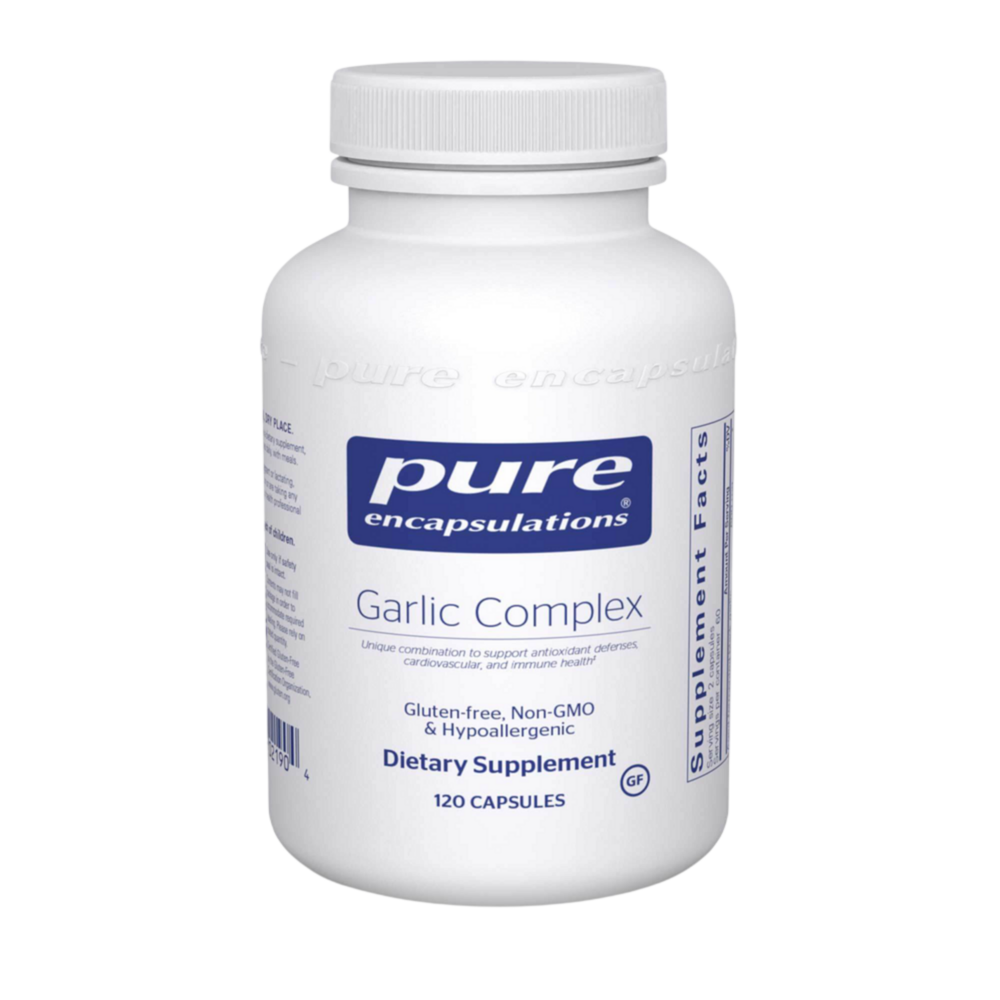
Garlic Complex
Pure Encapsulations
120 capsules
$59.50$47.99 with Subscribe & Save
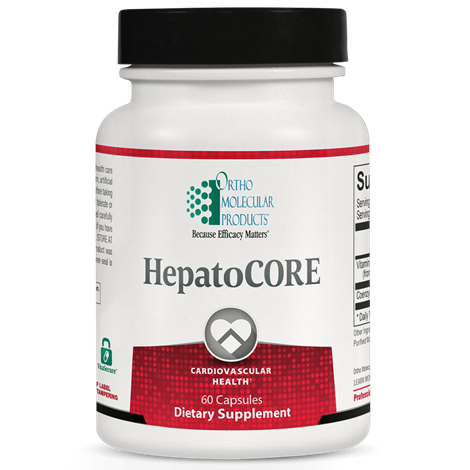
HepatoCORE
Ortho Molecular Products
60 capsules
$69.32$62.45 with Subscribe & Save