 Instalab
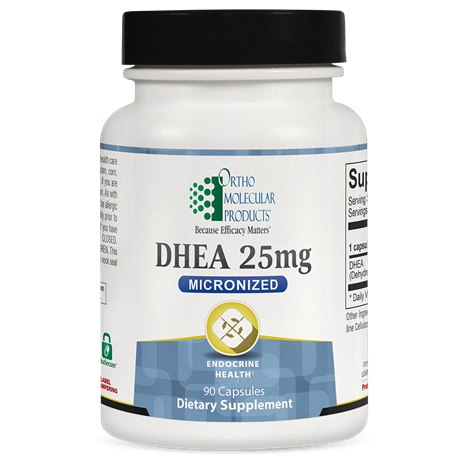
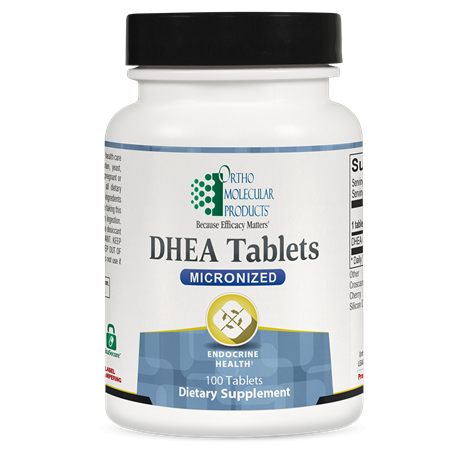
DHEA
DHEA is a precursor to estrogen and testosterone that declines with age.
Our vetting standard
Every dhea formula here clears the same bar.
- Clinically studied, effective doses
- Bioavailable, well-absorbed forms
- Practitioner-grade, trusted brands
- Third-party tested for identity and potency
See if it's actually working
DHEA-S should land in the upper half of the age range, not above it; testosterone and estradiol are there to catch over-conversion downstream.
DHEA FAQs
What is DHEA used for?
DHEA is an adrenal hormone that converts to testosterone and estrogen. It's used to support hormone balance in adults over 40, fertility (especially in women with diminished ovarian reserve), bone density, and energy.
How much DHEA should I take?
Doses depend on goal and lab levels. General support: 5–25 mg/day for women, 25–50 mg/day for men. Fertility protocols use 25–75 mg/day. Always test DHEA-S before and during use to avoid overshooting.
Should I get my DHEA-S level tested first?
Yes. DHEA-S is the storage form measured in blood and gives a clear picture of where you stand. Optimal ranges (typically the upper third of age-adjusted normal) guide whether you need supplementation. Retest at 6–12 weeks to dial in dose.
Does DHEA improve fertility in women?
In women with diminished ovarian reserve, 25 mg three times daily for 8–12 weeks before IVF improved egg quality, fertilization rates, and live birth rates in multiple trials. It works by raising follicular DHEA and supporting androgen-dependent ovarian function.
Will DHEA boost testosterone in men?
Modestly. DHEA can raise total and free testosterone by 5–15% in older men with low baseline levels. Effects are smaller in men with normal testosterone. It's not a primary testosterone replacement therapy — coordinate with an endocrinologist for any hypogonadism management.
When is the best time to take DHEA?
Mornings, ideally with breakfast. DHEA naturally peaks in the morning, so morning dosing matches the body's rhythm. Take with food for better absorption. Avoid evening dosing — it can disrupt sleep in some people.
Is 7-keto DHEA different from regular DHEA?
Yes. 7-keto DHEA is a metabolite that doesn't convert to estrogen or testosterone, making it useful for people who want metabolic and immune effects without sex hormone changes. It's often marketed for fat loss and metabolism, with modest evidence.
Should men or postmenopausal women take DHEA?
Postmenopausal women may benefit from low-dose DHEA (5–25 mg) for libido, vaginal symptoms, and bone density. Men over 40 may benefit if DHEA-S is low. In both cases, lab-guided dosing prevents side effects.
Does DHEA help with mood and depression?
Some trials show DHEA at 30–90 mg/day improves mood in midlife depression, particularly in those with low DHEA-S. Effects are modest and most pronounced in adrenal insufficiency. It's not first-line for depression but a reasonable adjunct under medical guidance.
Is DHEA safe during pregnancy?
No. DHEA is contraindicated during pregnancy and breastfeeding due to its hormonal effects on the fetus. Women who use DHEA for fertility should stop once pregnancy is confirmed.
Who should not take DHEA?
People with hormone-sensitive cancers (breast, prostate, ovarian, uterine), pregnant or breastfeeding women, people on hormone therapy, those with PCOS or already-elevated androgens, and people with bipolar disorder or severe liver disease.