 Instalab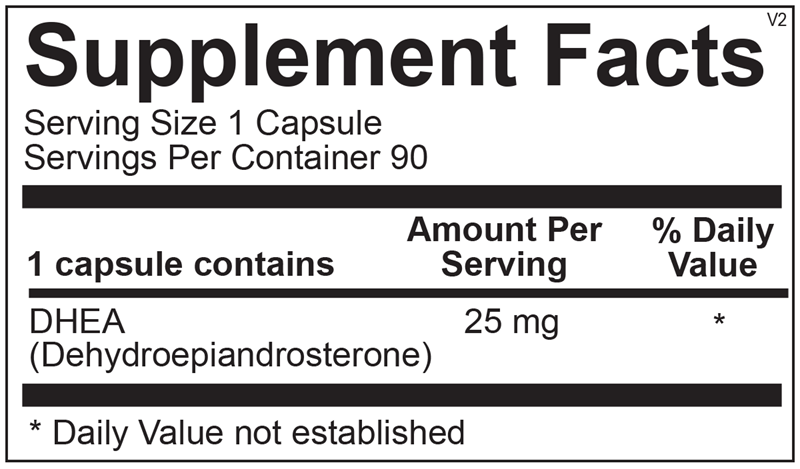

Ortho Molecular Products
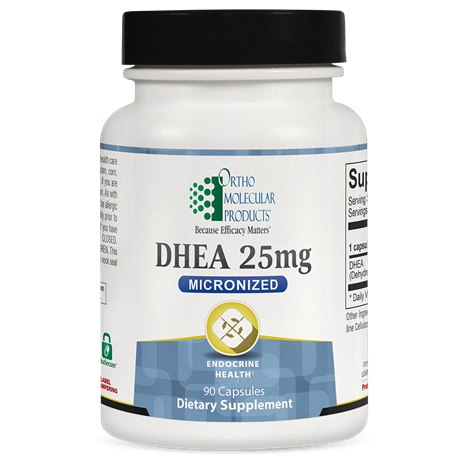
DHEA 25 mg by Ortho Molecular Products
90 capsules · 90-day supply
Support Hormonal Balance and Healthy Aging with DHEA$36.24
Purchase options
Practitioner-grade brand3rd-party testedFree shipping $50+
Gluten Free·Yeast Free·Artificial Color Free·Artificial Flavor Free
Ortho Molecular Products DHEA 25 mg overview
DHEA 25 mg makes sense if your DHEA-S (the stable blood marker for DHEA status) is low on labs and you want a monitored trial. Levels often fall with age, chronic stress, and in long-term steroid users. It can help some perimenopausal women with low DHEA-S and men with low-normal androgens when conversion pathways are intact. If your hormones are already robust, or you break out easily, this dose is usually too much; many women do better starting at 5–10 mg and titrating from there.
DHEA (dehydroepiandrosterone) is an adrenal precursor that your body converts into androgens and estrogens (the sex hormones). It declines steadily from your 20s. Restoring low DHEA-S can nudge testosterone and estradiol upward, which is why some people notice better energy or libido, and others notice acne or hair changes. DHEA also counterbalances cortisol (the main stress hormone) in tissues, which may blunt muscle breakdown and improve recovery, though effects are modest and vary person to person.
Take one capsule in the morning with food to align with natural hormone rhythm. If you’ve never used DHEA, consider starting lower (5–10 mg) and rechecking DHEA-S in 6–8 weeks, then adjust. This 25 mg strength is mid-range: often closer to a repletion dose for men, and on the higher side for many women. Re-test DHEA-S, total testosterone, estradiol, and consider SHBG (sex hormone–binding globulin, the carrier protein) to see where the dose is taking you.
Avoid if pregnant, trying to conceive, or breastfeeding. Skip if you have a history of hormone-sensitive cancers (breast, prostate), high estradiol or testosterone, significant acne, hair loss, or enlarged prostate. Use clinician oversight if you have PCOS (polycystic ovary syndrome), mood instability, liver disease, or if you’re on hormone therapy or fertility treatment. Athletes: DHEA is banned by WADA/USADA. Monitor Lipid Panel and ALT (a liver enzyme) alongside DHEA-S during longer trials.
Frequently asked questions
What does DHEA 25 mg do?
It raises low DHEA-S and can increase downstream androgens and estrogens. Some people notice better energy or libido in 4–8 weeks. Others get acne or oily skin, signaling the dose is too high.
Is 25 mg of DHEA too much for women?
Often yes as a starting dose. Many women start at 5–10 mg, recheck DHEA-S after 6–8 weeks, then adjust. 25 mg can overshoot and cause acne, hair growth, or mood changes in sensitive users.
Should I take DHEA in the morning or at night?
Morning with food is preferred to match natural adrenal rhythm. Night dosing can disrupt sleep in some people. Keep the timing consistent day to day.
How long does DHEA take to work?
Blood levels (DHEA-S) usually respond within 4–8 weeks. Symptom changes, if they occur, follow the same timeline. Re-test labs and adjust the dose rather than guessing.
What labs should I monitor on DHEA?
Check DHEA-S to guide dosing. Consider total testosterone, estradiol, SHBG, a Lipid Panel, and ALT for broader safety. Test at baseline and again after 6–8 weeks.
Does DHEA cause acne or hair loss?
It can, especially at higher doses, because it raises androgens. If acne, oily skin, or shedding starts, lower the dose or stop and recheck labs.
Can I take DHEA with birth control or HRT?
Not without clinician guidance. Adding DHEA to oral contraceptives or hormone therapy can unpredictably shift testosterone and estradiol. Monitor labs closely if combined.
Is DHEA allowed in sports drug testing?
No. DHEA is prohibited by WADA/USADA. Athletes subject to testing should avoid it to prevent violations.
How to take it & ingredients
Suggested use: 1 capsule per day or as recommended by your health care professional.
Active ingredients
1 capsule per serving · 90 servings
DHEA
Dehydroepiandrosterone
Dehydroepiandrosterone
25 mg
Other ingredients: Hypromellose (Natural Vegetable Capsule), Microcrystalline Cellulose, Magnesium Stearate, Silicon Dioxide
Certifications
Benefits
Warnings