 Instalab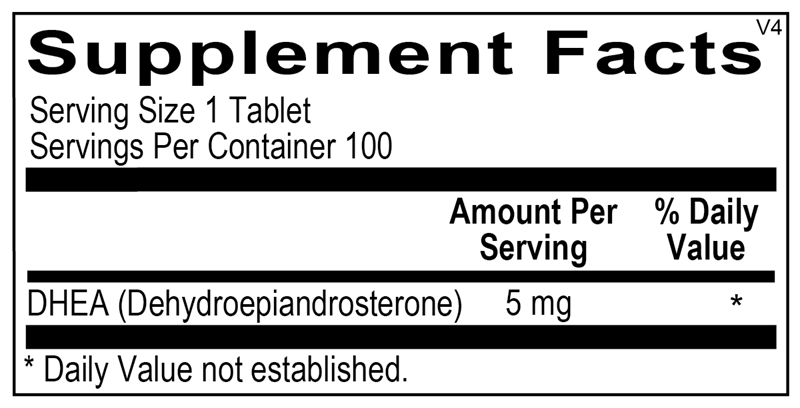

Ortho Molecular Products
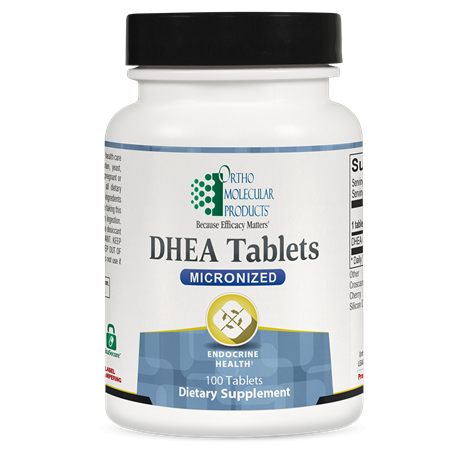
DHEA 5mg by Ortho Molecular Products
100 capsules
Supports Hormonal Balance and Healthy Aging with DHEA$27.81
Purchase options
Practitioner-grade brand3rd-party testedFree shipping $50+
Gluten Free·Yeast Free·Artificial Color Free·Artificial Flavor Free
Ortho Molecular Products DHEA 5mg overview
DHEA 5 mg fits adults with low DHEA-Sulfate (DHEA-S, the storage form measured on labs) who want a cautious, low dose. It’s useful if you’re in your 30s to 60s and your level has drifted low, you feel flat on energy or libido, or you’re a woman sensitive to higher androgen doses. It’s also a rational trial after long-term steroid use when DHEA-S is low. If your DHEA-S is very low, men often need higher than 5 mg and women sometimes need 10–15 mg under clinician guidance.
DHEA is a precursor steroid made by your adrenals that locally converts into testosterone and estradiol (the main estrogen) in tissues. Levels peak in your 20s, then steadily fall, which is why low labs are common with aging. A small daily dose can modestly raise downstream sex hormones, nudge IGF-1 (a growth signal) upward, and counter some cortisol effects when DHEA-S is low. Benefits are usually modest and lab-driven, not a stimulant effect you feel overnight.
Take one tablet in the morning to align with your natural daily rhythm. Recheck DHEA-S in 6–8 weeks and adjust. Women typically land between 5 and 15 mg daily, men between 10 and 50 mg, depending on labs and symptoms. Pair follow-up testing with total and free testosterone, estradiol, SHBG (the carrier protein for sex hormones), and a lipid panel to watch HDL cholesterol if you increase the dose.
Avoid DHEA if you’re pregnant or breastfeeding, have a history of hormone-sensitive cancers (breast, uterine, prostate), or active prostate issues. Women with PCOS (polycystic ovary syndrome) or troublesome acne or hair growth often get worse on androgens. Competitive athletes should know DHEA appears on many anti-doping lists. If you use hormone therapy, fertility meds, finasteride, or aromatase inhibitors, coordinate with your clinician and monitor labs.
Frequently asked questions
How long does DHEA 5 mg take to work?
Expect measurable changes in DHEA-S within 4–8 weeks. Symptom changes (energy, libido, mood) track your labs and are usually modest. Recheck labs at 6–8 weeks before adjusting the dose.
Is 5 mg of DHEA enough for women or men?
For many women, 5 mg is a sensible starting or maintenance dose. Some need 10–15 mg if DHEA-S stays low. Most men need more than 5 mg to shift labs meaningfully; dosing should follow repeat testing.
Should I take DHEA in the morning or at night?
Morning is best. Your body naturally makes more DHEA earlier in the day, so a morning dose better matches your rhythm and reduces the chance of sleep disruption.
What labs should I check with DHEA?
Start with DHEA-S. On follow-up, include total and free testosterone, estradiol, SHBG, and a lipid panel to track HDL. If fatigue or stress is a concern, add a morning cortisol for context.
What are common side effects of low-dose DHEA?
At 5 mg, side effects are uncommon but can include acne, oily skin, hair shedding, irritability, or mild insomnia. Higher doses are more likely to lower HDL cholesterol, so monitor lipids if you titrate up.
Does DHEA help fertility?
The evidence is mixed. Some clinics use DHEA in women with low ovarian reserve, but results vary and dosing is individualized. If trying to conceive, use only with a fertility specialist and close lab follow-up.
Is DHEA banned in sports?
Yes. DHEA is prohibited by many sports bodies, including WADA. Athletes subject to testing should avoid it to prevent adverse findings.
Can I take DHEA with birth control or testosterone therapy?
It’s possible but not ideal without supervision. Hormonal contraceptives and testosterone therapy already shift sex hormone balance; adding DHEA can overshoot. Coordinate dosing and monitor DHEA-S and sex hormones.
How to take it & ingredients
Suggested use: 1 tablet per day or as recommended by your health care professional.
Active ingredients
1 tablet per serving
DHEA
Dehydroepiandrosterone
Dehydroepiandrosterone
5 mg
Other ingredients: Isomalt, Natural Cane Sugar, Croscarmellose Sodium, Potassium Bicarbonate, Natural Cherry Flavor, Sodium Stearyl Fumarate, Stearic Acid, Turmeric (color), Silicon Dioxide
Certifications
Benefits
Warnings