 Instalab
Eye Promise
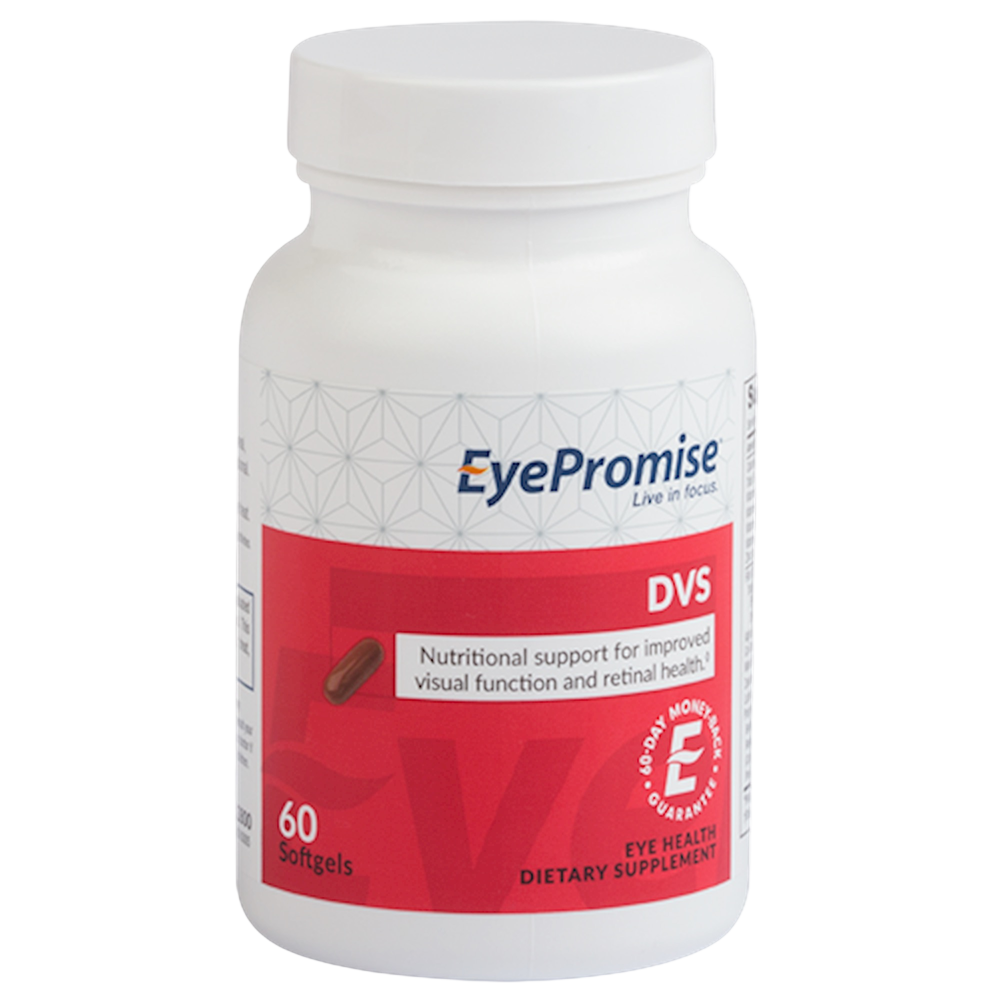
EyePromise DVS by Eye Promise
60 softgels · 30-day supply
Nutritional Support for Visual Function and Retinal Health$45.99
Purchase options
Practitioner-grade brand3rd-party testedFree shipping $50+
Gluten Free
Eye Promise EyePromise DVS overview
EyePromise DVS suits adults who want broad nutritional support for visual function and retinal health. The high zeaxanthin and lutein content fits adults whose diet is light on leafy greens, corn, or eggs.
Each two-softgel serving delivers 8 mg of zeaxanthin and 4 mg of lutein, two carotenoids that concentrate in the macula and contribute to macular pigment. The formula also provides 150 mg of alpha lipoic acid, 20 mg of CoQ10, vitamin E with mixed tocotrienols and tocopherols, vitamin C, vitamin D, vitamin B12, and zinc, alongside fish oil that supplies EPA and DHA for cell membrane support. A botanical antioxidant blend with grape seed extract, resveratrol, turmeric root extract, green tea leaf extract, benfotiamine, N-acetyl-L-cysteine, and Pycnogenol rounds out the antioxidant coverage.
Take two softgels with a meal once a day, ideally one that contains some fat so the carotenoids and the fat-soluble vitamins absorb well. Carotenoid effects on macular pigment build gradually, so plan on daily use over several months rather than a few weeks.
If you have a fish or soy allergy, take prescription medications including blood thinners, are pregnant or breastfeeding, or are receiving care from a clinician, talk to your care team before starting and review the warnings below.
Frequently asked questions
How long until I notice a change?
Carotenoid effects on macular pigment build gradually, so plan on 8 to 24 weeks of daily use.
Should I take this with food?
Yes. Take both softgels with a meal that contains some fat. The carotenoids, vitamin D, vitamin E, and fish oil absorb better with dietary fat, and the zinc is gentler on the stomach with food.
Where does the zeaxanthin come from?
EyePromise sources the zeaxanthin from paprika peppers grown in Texas, and the lutein from marigold flowers. Both are common dietary sources of these carotenoids.
Is the formula third-party tested?
Yes. EyePromise lists DVS as NSF Contents Tested and Certified, which independently verifies the ingredients and amounts match what is on the label.
Can I take this with a multivitamin?
Adults sometimes do, but watch total zinc and total vitamin E across all your supplements so the combined daily totals stay within typical ranges. If you are unsure, ask your eye care professional.
Does this replace eye exams?
No. This is a dietary supplement that supports visual function and retinal health nutritionally. Continue your regular eye exams and follow your eye care professional's guidance.
How to take it & ingredients
Suggested use: Adults take 2 softgels per day with a meal, or as directed by your eye care professional.
Active ingredients
2 softgels per serving · 30 servings
Vitamin C
As Ascorbic Acid
As Ascorbic Acid
60 mg
Vitamin D
As Cholecalciferol
As Cholecalciferol
50 mcg
Vitamin E
As d-Alpha Tocopherol
As d-Alpha Tocopherol
40 mg
Vitamin B12
As Cyanocobalamin
As Cyanocobalamin
6 mcg
Zinc
As Zinc Oxide
As Zinc Oxide
15 mg
▼
Fish Oil 70%
320 mg
▼
Total Omega-3 Fatty Acids
As EE
As EE
240 mg
EPA 40%
Eicosapentaenoic Acid
Eicosapentaenoic Acid
128 mg
DHA 30%
Docosahexaenoic Acid
Docosahexaenoic Acid
96 mg
Alpha Lipoic Acid
150 mg
Co-Enzyme Q-10
20 mg
Mixed Tocotrienol/Tocopherol
20 mg
Zeaxanthin
8 mg
Lutein
4 mg
▼
Proprietary Blend
530 mg
Benfotiamine
-
N-Acetyl-L-Cysteine
-
Grape Seed Extract
-
Resveratrol
Polygonum Cuspidatum
Polygonum Cuspidatum
-
Turmeric Root Extract
Curcuminoids
Curcuminoids
-
Green Tea Leaf Extract
-
Pycnogenol® (French Maritime Pine Bark Extract)
-
Other ingredients: Gelatin Capsule (Gelatin, Glycerin, Purified Water, Annatto, Titanium Dioxide), Soybean Oil, Yellow Beeswax, Soy Lecithin
Certifications
Benefits
Warnings
Customers also considered
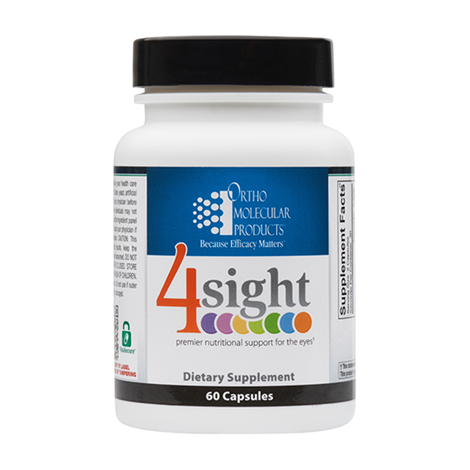
4sight
Ortho Molecular Products
60 capsules
$106.95$96.35 with Subscribe & Save
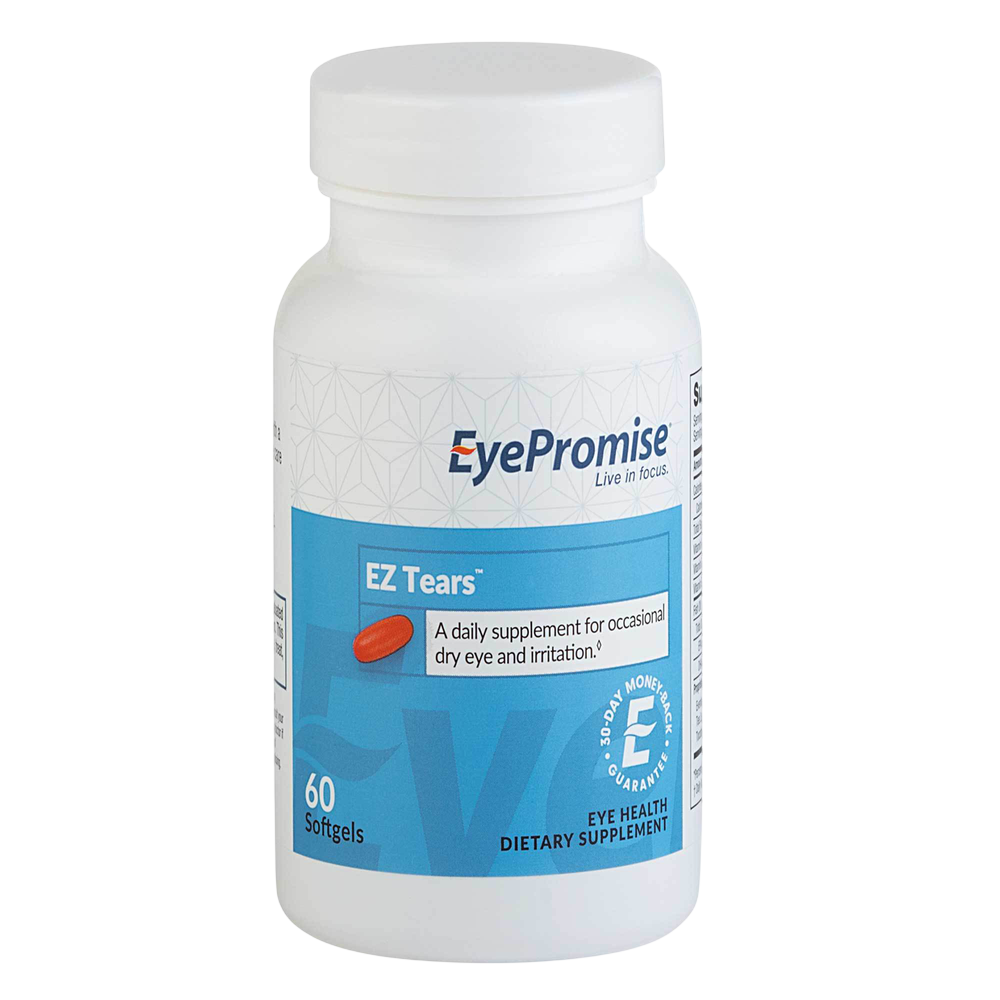
EyePromise EZ Tears
Eye Promise
60 softgels
$42.99$33.99 with Subscribe & Save
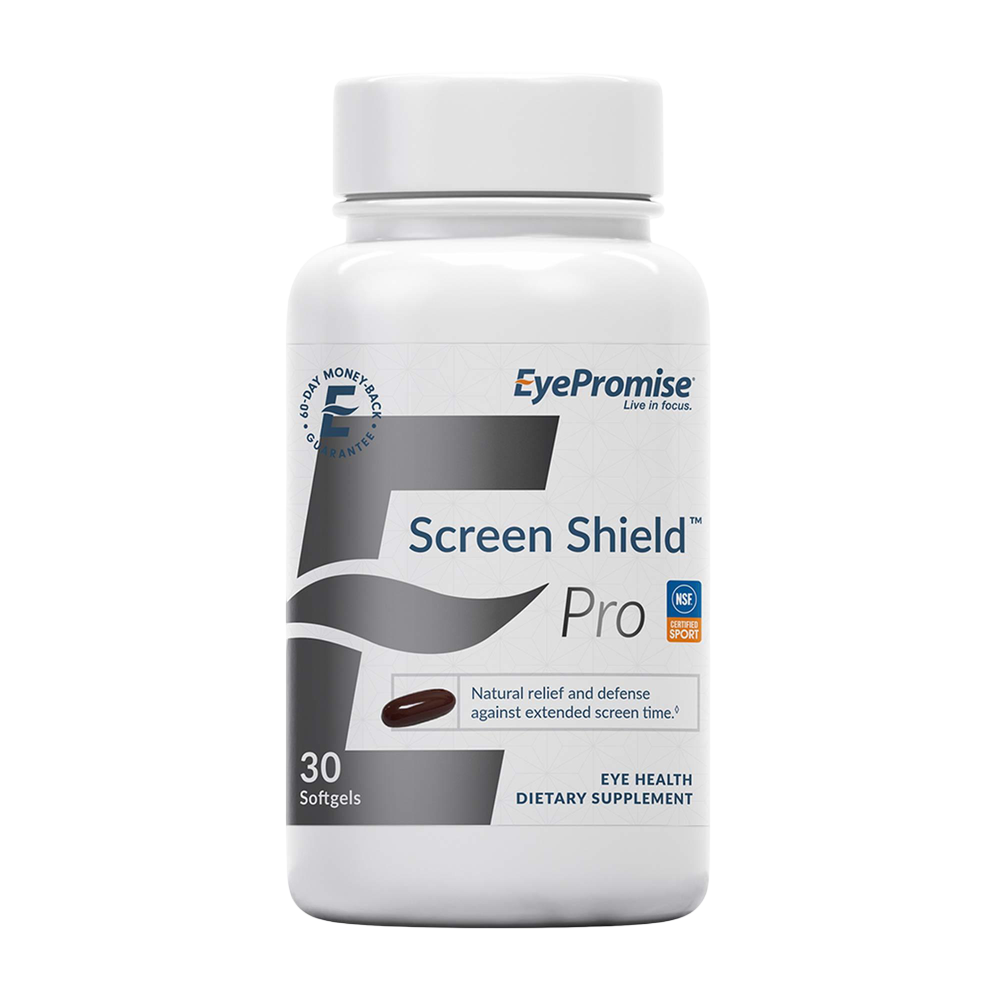
EyePromise Screen Shield Pro
Eye Promise
30 softgels
$39.99$31.99 with Subscribe & Save
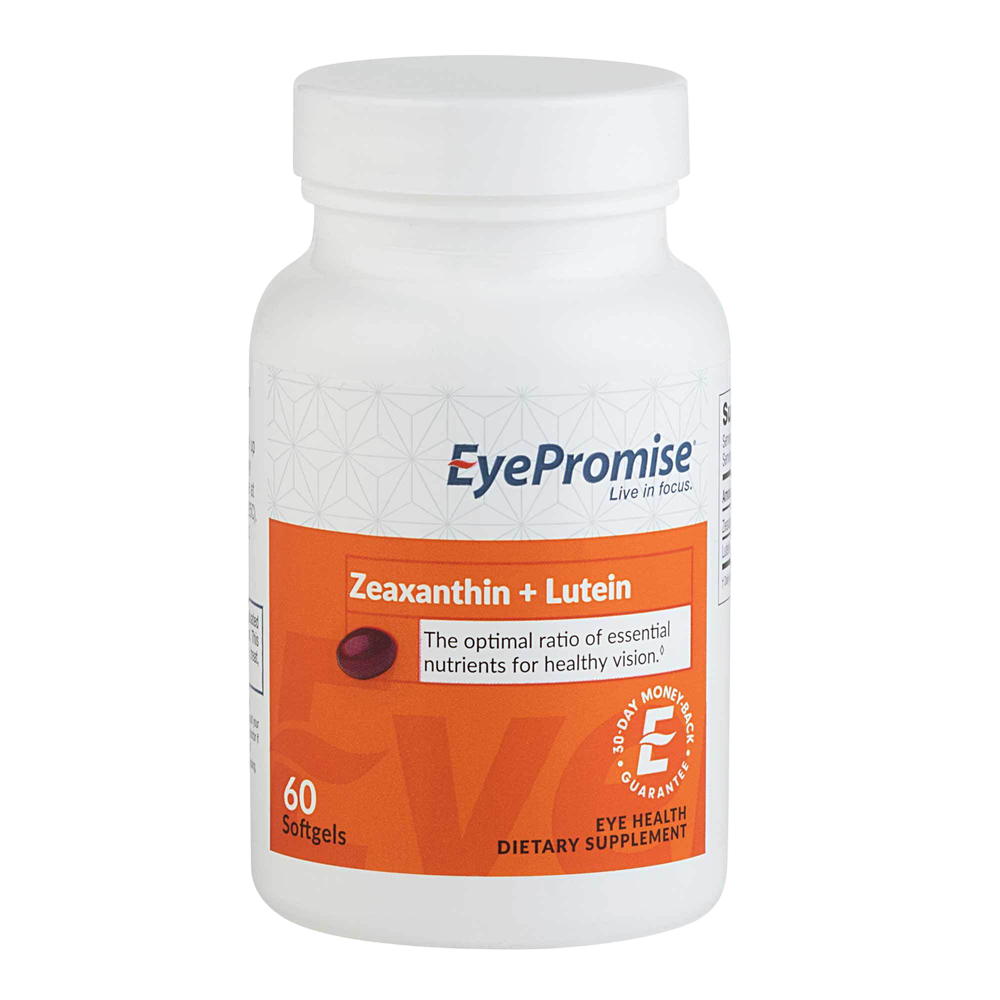
EyePromise Zeaxanthin + Lutein
Eye Promise
60 softgels
$41.99$33.99 with Subscribe & Save