 Instalab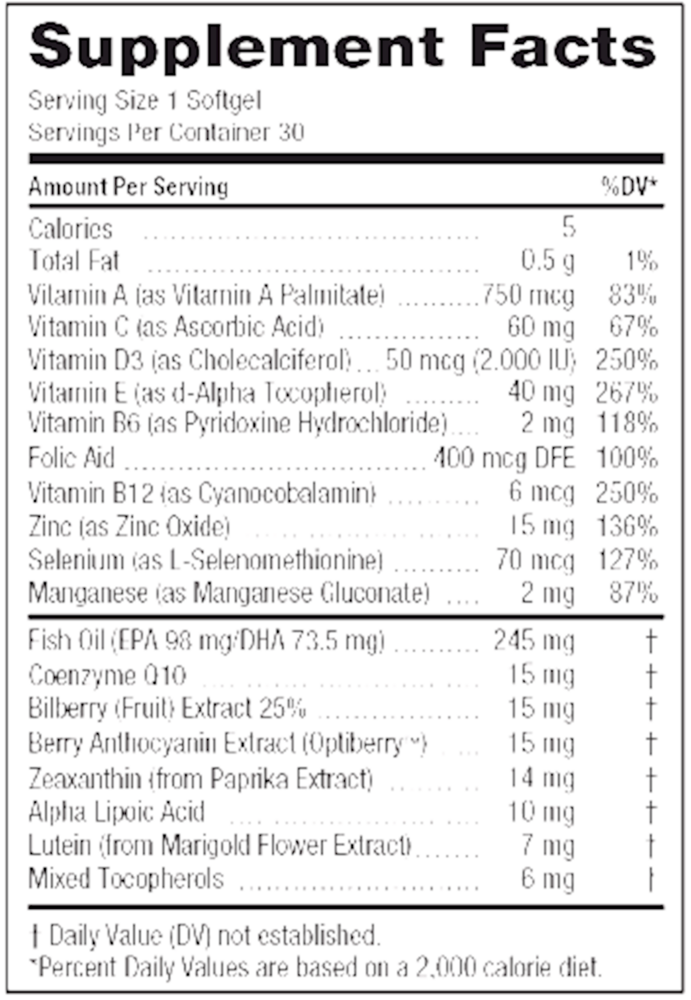


Eye Promise
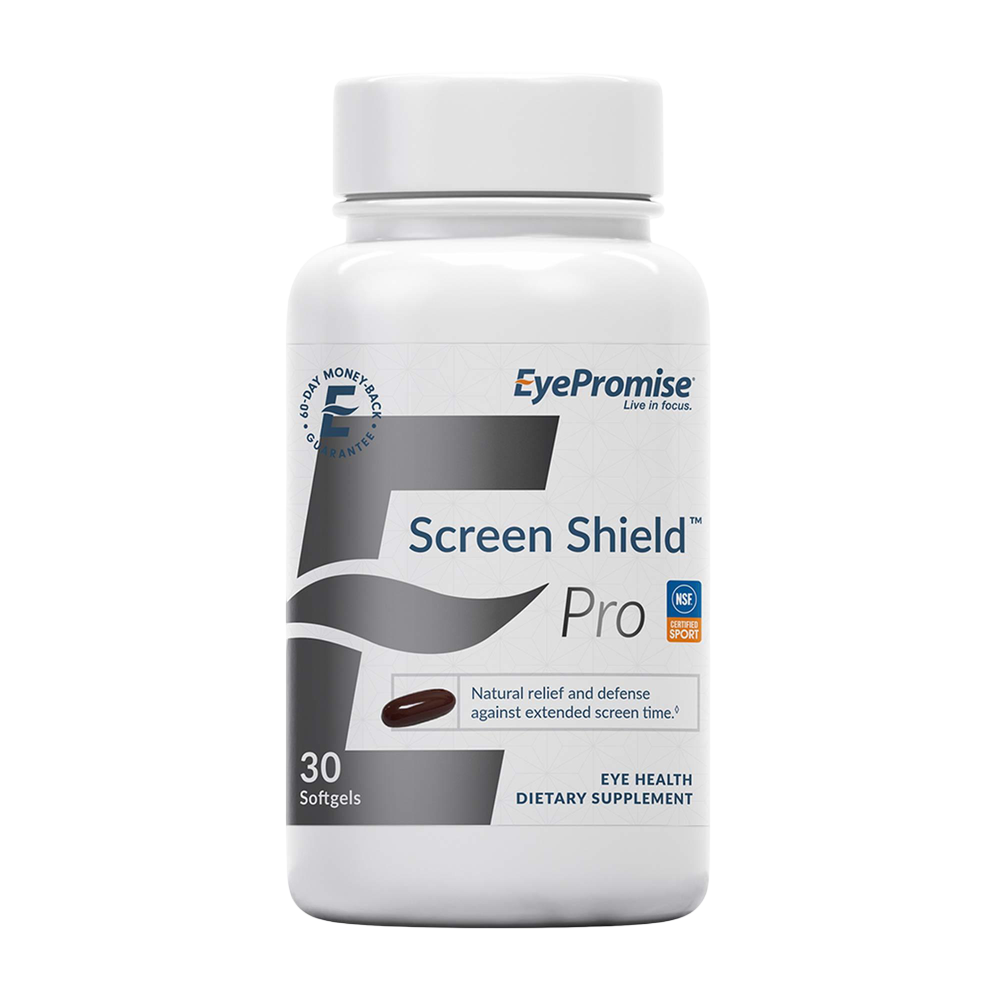
EyePromise Screen Shield Pro by Eye Promise
30 softgels · 30-day supply
Comprehensive Nutritional Support for Optimal Eye Health and Protection$39.99
Purchase options
Practitioner-grade brand3rd-party testedFree shipping $50+
Gluten Free
Eye Promise EyePromise Screen Shield Pro overview
If your days are spent on a laptop or phone and your eyes feel fatigued by evening, a zeaxanthin supplement for screen time is a practical pick. Zeaxanthin and lutein are the macular pigments that concentrate in the retina’s center, and low dietary intake is common in people who eat few dark leafy greens or orange peppers. If your eye doctor has measured a low Macular Pigment Optical Density (MPOD), this formula fits. It is not an AREDS2 replacement for diagnosed macular degeneration.
Lutein and zeaxanthin accumulate in the macula, where they act as internal blue-light filters and antioxidants that protect photoreceptors (the light-sensing cells). Raising these pigments typically increases MPOD within 8 to 12 weeks, which tracks with better contrast sensitivity and faster glare recovery in responders. This formula leans zeaxanthin-heavy (14 mg zeaxanthin, 7 mg lutein), matching the pigment ratio in the fovea. The added vitamins C and E, zinc, and selenium backstop antioxidant recycling, but the 150 mg fish oil and 15 mg CoQ10 are nutritionally small add-ons.
Take 1 softgel with a meal that contains fat, since carotenoids absorb better with dietary oils. Daily consistency matters more than time of day. Expect vision comfort changes and MPOD shifts over 8 to 12 weeks, then reassess. If your clinician is targeting macular degeneration with an AREDS2 protocol, use that specific formula alongside or instead, since the zinc and carotenoid doses and ratios differ.
CoQ10 can reduce warfarin effect, so if you take warfarin, discuss and monitor INR with your prescriber. Zinc can bind certain antibiotics and thyroid hormone, so separate from tetracyclines, quinolones, and levothyroxine by at least 4 hours. There is fish oil in the blend; avoid if you have a fish allergy. Pregnancy is a common time to improve carotenoid intake from food, but review any supplement with your obstetric clinician.
Frequently asked questions
Does lutein and zeaxanthin help with eye strain from screens?
Often yes. By raising Macular Pigment Optical Density, lutein and zeaxanthin filter blue light and reduce oxidative stress. Many people report less glare and end‑of‑day fatigue after consistent use, usually alongside good lighting and blink habits.
How long until lutein and zeaxanthin work?
Most see changes in 8–12 weeks. That’s the time it takes for macular pigment to build. Keep taking it daily with meals, and consider MPOD testing with your eye doctor to document the change.
Is this the same as AREDS2 for macular degeneration?
No. AREDS2 uses different doses and a lutein-dominant balance plus higher zinc. This formula is aimed at screen comfort and general macular nutrition. Follow your ophthalmologist’s plan if you have diagnosed macular disease.
Is the fish oil dose enough for dry eye?
No. 150 mg total fish oil is a maintenance sprinkle, not a dry-eye dose. Clinically used omega‑3 doses for dry eye are much higher. If your Omega-3 Index is low or you have symptoms, consider a dedicated fish oil.
Can I take this with thyroid medication or antibiotics?
Yes, but separate dosing. Zinc can bind levothyroxine and some antibiotics, lowering absorption. Take this at least 4 hours apart from levothyroxine, tetracyclines, or quinolones.
Does CoQ10 in this interact with warfarin?
It can. CoQ10 may lower INR in people on warfarin, acting a bit like vitamin K. If you use warfarin, involve your clinician and monitor INR after starting or stopping.
Is it safe in pregnancy or breastfeeding?
Likely, given modest vitamin A and common antioxidants, but pregnancy requires individualized review. Bring the full label to your obstetric clinician to confirm it fits your prenatal plan.
What is MPOD and can I measure it?
Macular Pigment Optical Density reflects how much lutein and zeaxanthin are in the macula. Many optometrists and ophthalmologists can measure it noninvasively to track supplementation.
How to take it & ingredients
Suggested use: Adults take 1 softgel with a meal, or as directed by your eye care professional.
Active ingredients
1 softgel per serving · 30 servings
Vitamin A
As Vitamin A Palmitate
As Vitamin A Palmitate
2500 IU
Vitamin C
As Ascorbic Acid
As Ascorbic Acid
60 mg
Vitamin D
As Cholecalciferol
As Cholecalciferol
1000 IU
Vitamin E
As d-Alpha Tocopheryl
As d-Alpha Tocopheryl
60 IU
Vitamin B6
As Pyridoxine Hydrochloride
As Pyridoxine Hydrochloride
2 mg
Folic Acid
400 mcg
Vitamin B12
As Cyanocobalamin
As Cyanocobalamin
6 mcg
Zinc
From Zinc Oxide
From Zinc Oxide
15 mg
Selenium
As L-Selenomethionine
As L-Selenomethionine
70 mcg
Manganese
As Manganese Gluconate
As Manganese Gluconate
2 mg
▼
Fish Oil
150 mg
EPA
60 mg
DHA
45 mg
Coenzyme Q10
15 mg
Bilberry Extract 25%
Fruit
Fruit
15 mg
Berry Anthocyanin Extract
Optiberry™
Optiberry™
15 mg
Zeaxanthin
From Paprika Extract
From Paprika Extract
14 mg
Alpha Lipoic Acid
10 mg
Lutein
From Marigold Flower Extract
From Marigold Flower Extract
7 mg
Mixed Tocopherols
6 mg
Other ingredients: Gelatin, Olive Oil, Glycerin, Safflower Oil, Purified Water, Yellow Beeswax, Maltitol, Soy Lecithin, Canola Oil, Annatto, Natural Flavors, Corn Oil
Certifications
Benefits
Warnings
Customers also considered
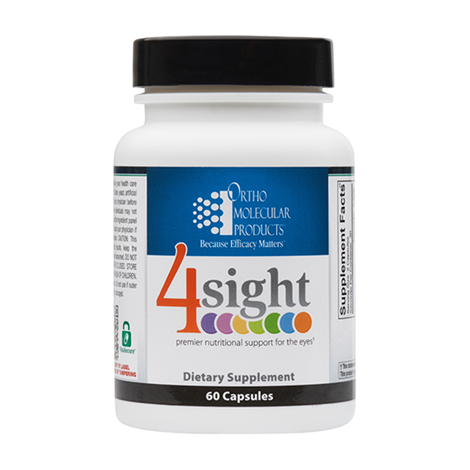
4sight
Ortho Molecular Products
60 capsules
$106.95$96.35 with Subscribe & Save
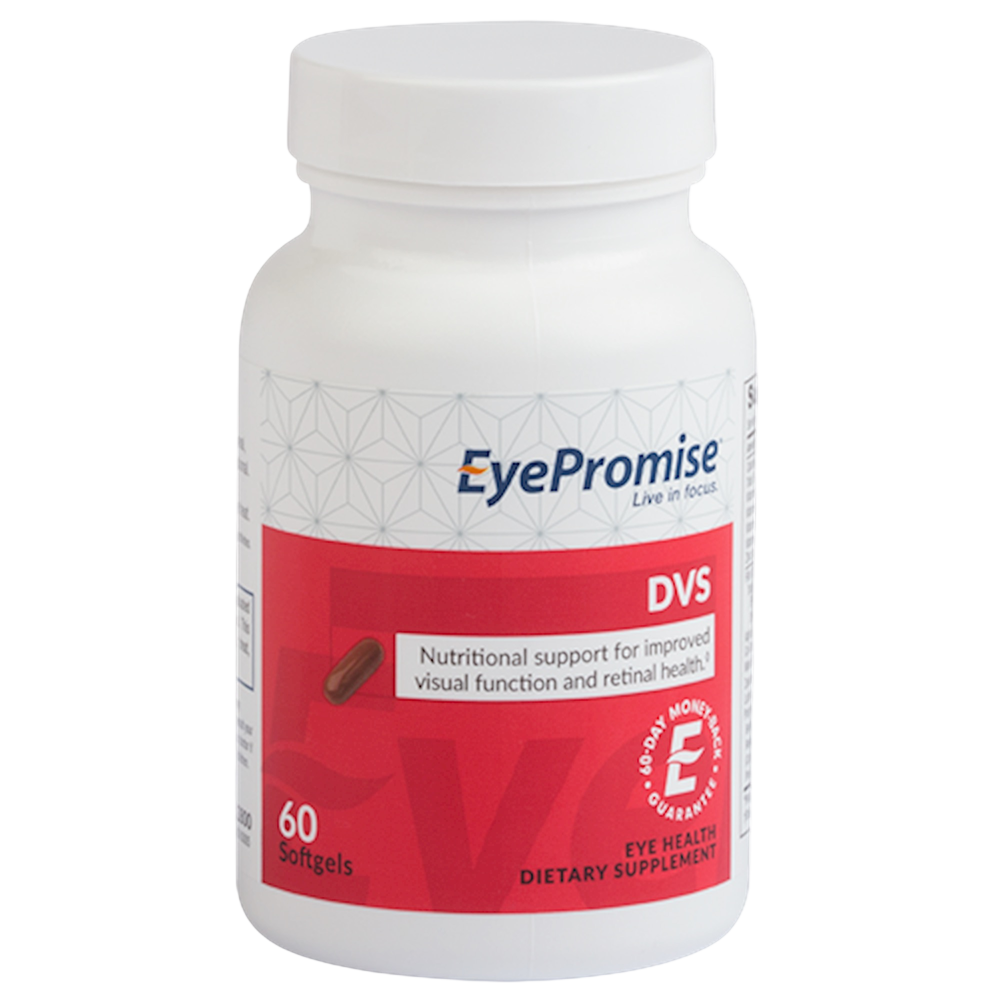
EyePromise DVS
Eye Promise
60 softgels
$45.99$36.99 with Subscribe & Save
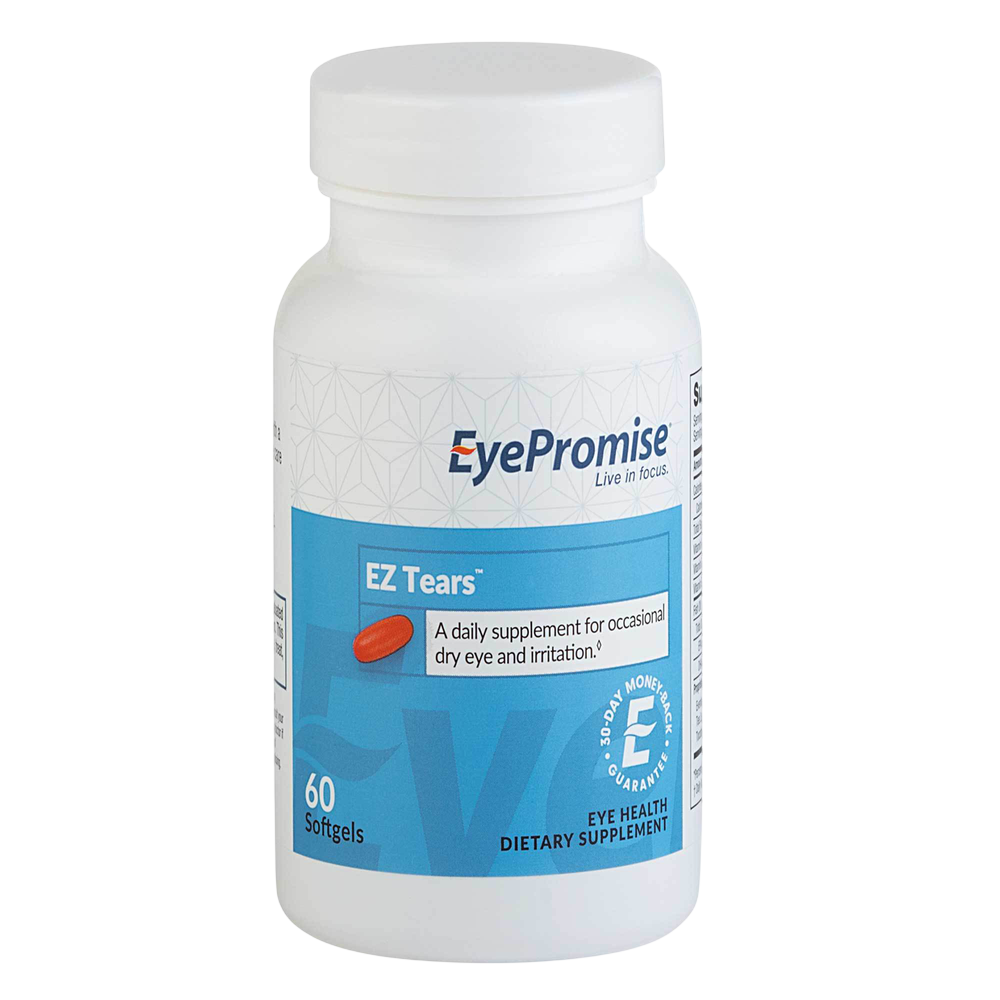
EyePromise EZ Tears
Eye Promise
60 softgels
$42.99$33.99 with Subscribe & Save
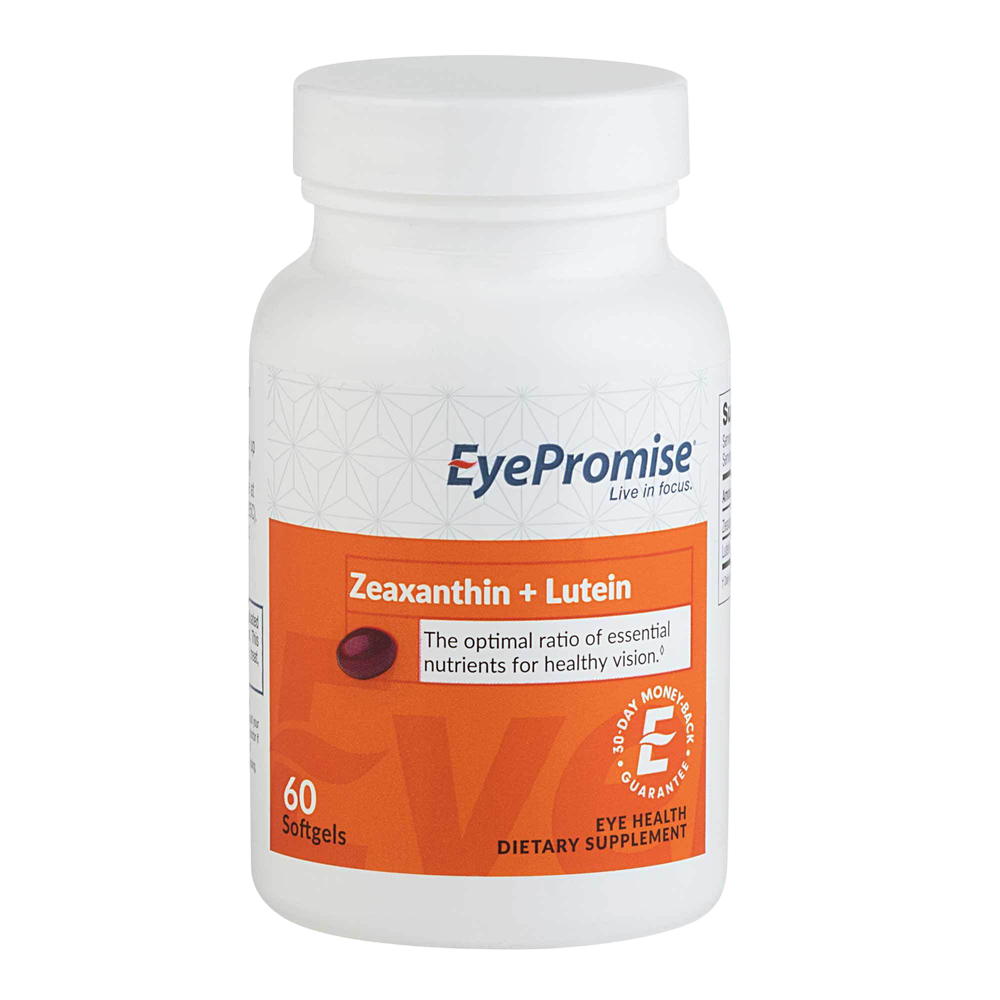
EyePromise Zeaxanthin + Lutein
Eye Promise
60 softgels
$41.99$33.99 with Subscribe & Save