 Instalab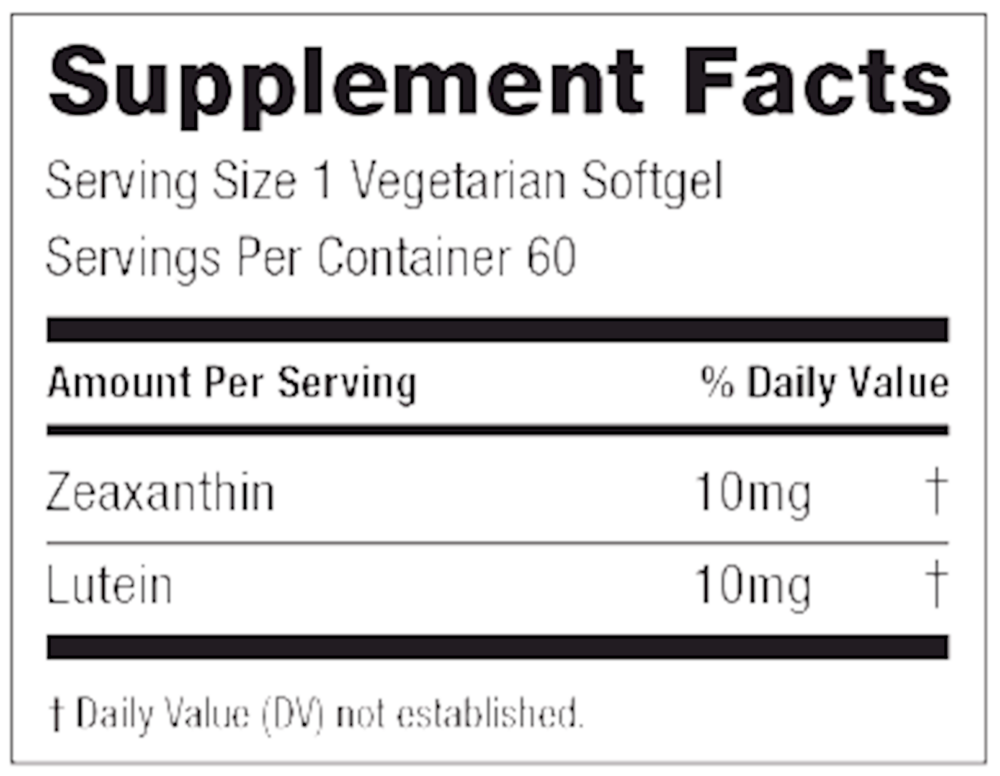



Eye Promise
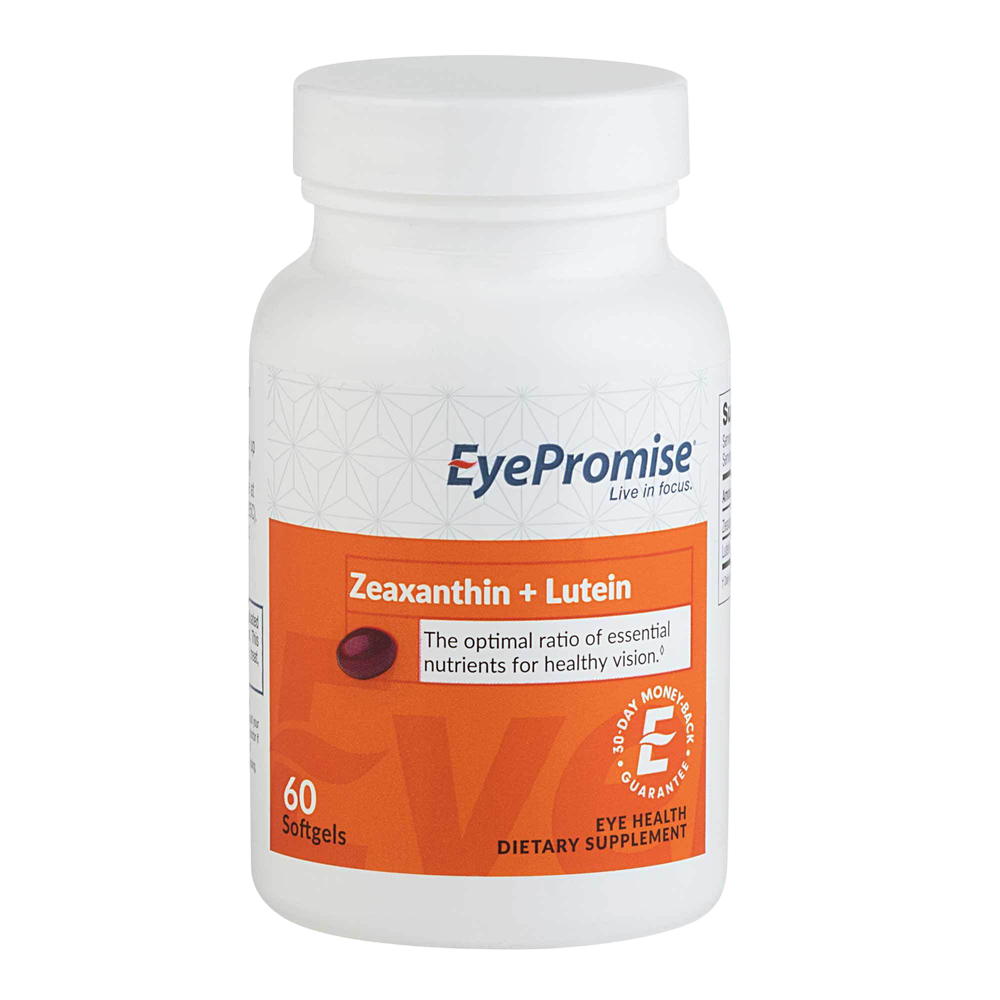
EyePromise Zeaxanthin + Lutein by Eye Promise
60 softgels · 60-day supply
Support Your Vision with Zeaxanthin and Lutein for Optimal Eye Health$41.99
Purchase options
Practitioner-grade brand3rd-party testedFree shipping $50+
Vegetarian·Gluten Free·Yeast Free
Eye Promise EyePromise Zeaxanthin + Lutein overview
If you’ve been told your Macular Pigment Optical Density (the eye test that gauges your macula’s protective pigment) is low, lutein and zeaxanthin are the right place to start. They also fit adults who eat few dark leafy greens or eggs, spend long hours on screens or outdoors, or have a family history of age-related macular changes. This 10 mg zeaxanthin + 10 mg lutein dose is robust and aimed at raising pigment, not just maintaining it.
Lutein and zeaxanthin concentrate in the macula (the sharp-vision center) as macular pigment. They act like internal sunglasses by filtering blue light and by quenching reactive oxygen species (unstable oxygen molecules that can damage cells). As levels in the retina rise, people often see better contrast, less glare, and faster photostress recovery. Trials using similar doses increased Macular Pigment Optical Density and improved visual performance measures within 8 to 24 weeks.
Take one softgel with a meal that contains fat to improve absorption; once or twice daily follows the manufacturer’s guidance. Consistency matters more than clock time. Expect retinal levels and Macular Pigment Optical Density to build gradually over 2 to 6 months. This formula delivers more zeaxanthin than many AREDS2-style products (which use 10 mg lutein + 2 mg zeaxanthin), so it’s useful if your goal is a stronger push on pigment repletion.
If you’ve been diagnosed with moderate or advanced age-related macular degeneration, carotenoids alone are not the standard approach. In that case, use an AREDS2 formulation (vitamins C/E, zinc, copper, plus lutein/zeaxanthin) per your eye specialist, and consider this only as an add-on if advised. Absorption drops with orlistat, cholestyramine or colesevelam (fat-blocking and bile acid–binding drugs), and with mineral oil; separate by several hours or discuss alternatives.
Frequently asked questions
How long do lutein and zeaxanthin take to work?
Most people need 8 to 24 weeks of daily use to measurably raise Macular Pigment Optical Density. Changes in glare sensitivity and contrast often track with that timeline. Keep taking it with meals for steady absorption.
Do lutein and zeaxanthin help macular degeneration?
They help build macular pigment, which is protective. For diagnosed moderate or advanced disease, the evidence-based choice is an AREDS2 formula that includes antioxidants and zinc, with lutein/zeaxanthin. Use this as add-on only if your eye doctor advises.
Can I take this with an AREDS2 supplement?
Yes, but check total carotenoid intake. Many AREDS2 products already provide 10 mg lutein and 2 mg zeaxanthin. This softgel adds another 10 mg of each, giving a higher zeaxanthin exposure. Clear the combined plan with your eye specialist.
Should I take lutein and zeaxanthin with food?
Yes. They’re fat-soluble carotenoids, so a meal with fat (eggs, olive oil, avocado, dairy) improves absorption. Taking them on an empty stomach or with fat-blocking drugs leads to poor uptake.
Are there medication interactions with lutein and zeaxanthin?
They’re generally safe, but absorption is reduced by orlistat, cholestyramine, colesevelam, and mineral oil. Separate by several hours or ask about alternatives. Unlike beta-carotene, there’s no lung risk signal in smokers.
Are there side effects?
Side effects are uncommon. Mild stomach upset can occur if taken without food. Very high carotenoid intake can tint skin slightly yellow (harmless and reversible). If you notice vision changes, contact your eye care professional.
Is this safe in pregnancy or breastfeeding?
Dietary lutein/zeaxanthin are common in prenatal diets and appear safe. Supplement data are limited, so stick to moderate doses and discuss with your obstetric provider, especially if you’re also taking a prenatal with carotenoids.
Can I track progress with a test?
Yes. Many clinics measure Macular Pigment Optical Density. If your baseline is low, retesting after 3 to 6 months shows whether your pigment is rising. Keeping dietary greens and egg intake up helps too.
How to take it & ingredients
Suggested use: Adults take 1 softgel with a meal up to 2 times daily, or as directed by your eye care professional.
Active ingredients
1 softgel per serving · 60 servings
Zeaxanthin
10 mg
Lutein
10 mg
Other ingredients: Olive Oil, ZeaGold® (Paprika Extract, Canola Oil, Natural Tocopherols, Ascorbic Acid), Starch, Glycerin, Purified Water, Safflower Oil, Maltitol, Carrageenan, Marigold Flower Extract
Certifications
Benefits
Warnings
Customers also considered
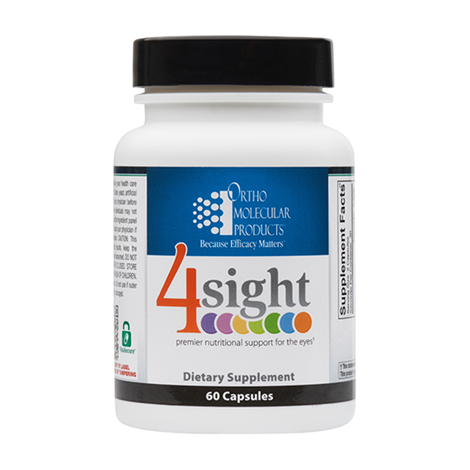
4sight
Ortho Molecular Products
60 capsules
$106.95$96.35 with Subscribe & Save
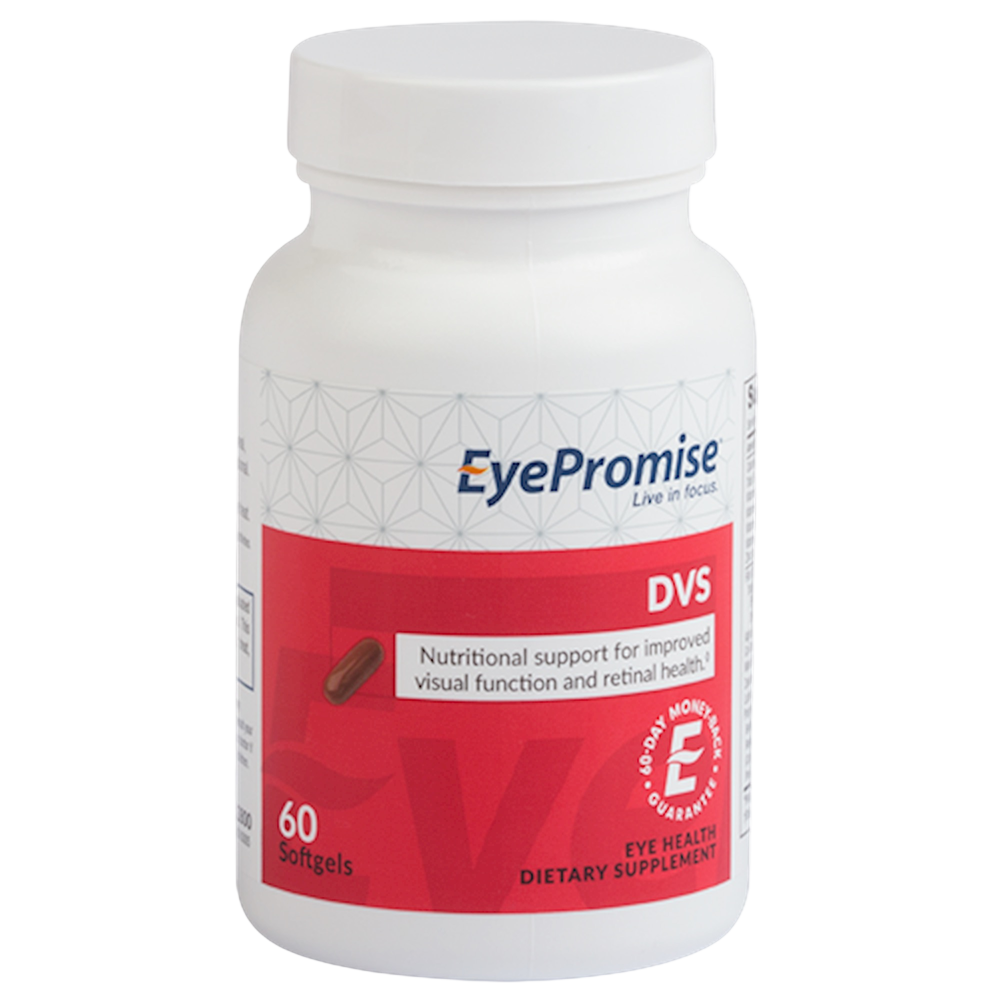
EyePromise DVS
Eye Promise
60 softgels
$45.99$36.99 with Subscribe & Save
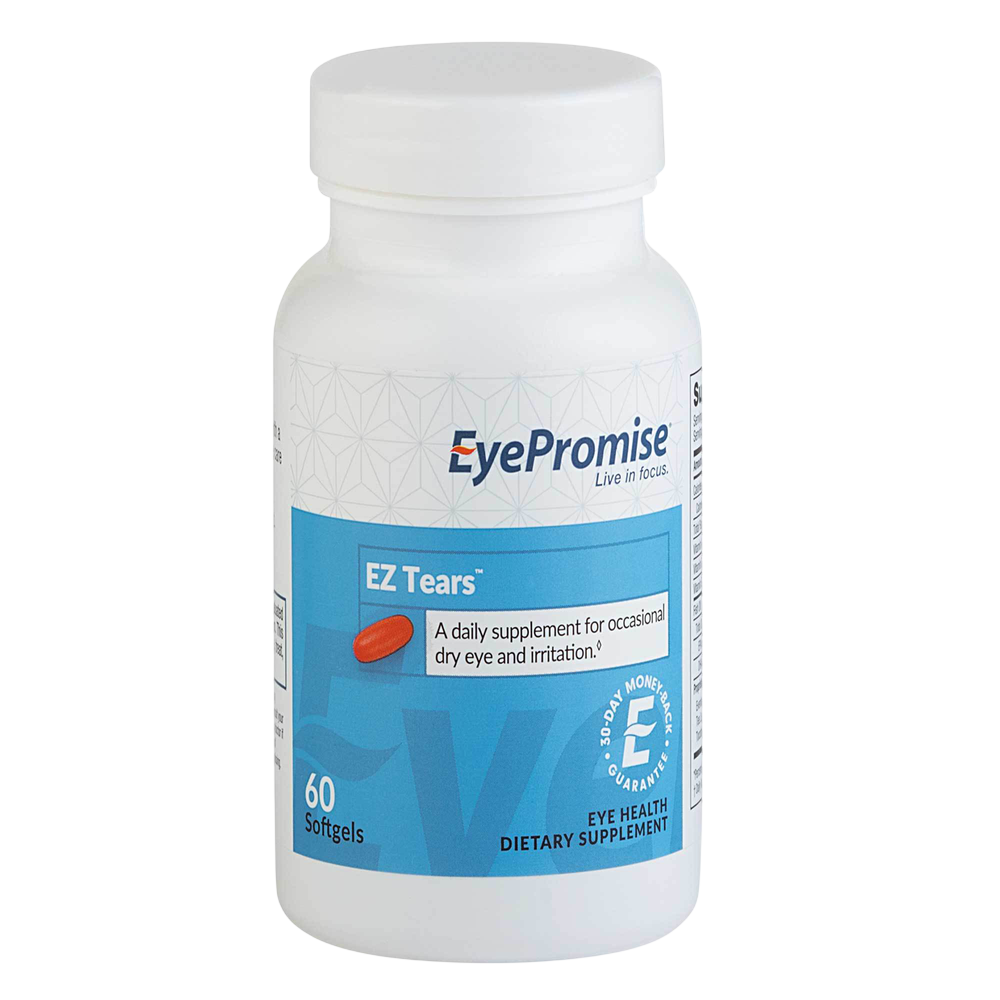
EyePromise EZ Tears
Eye Promise
60 softgels
$42.99$33.99 with Subscribe & Save
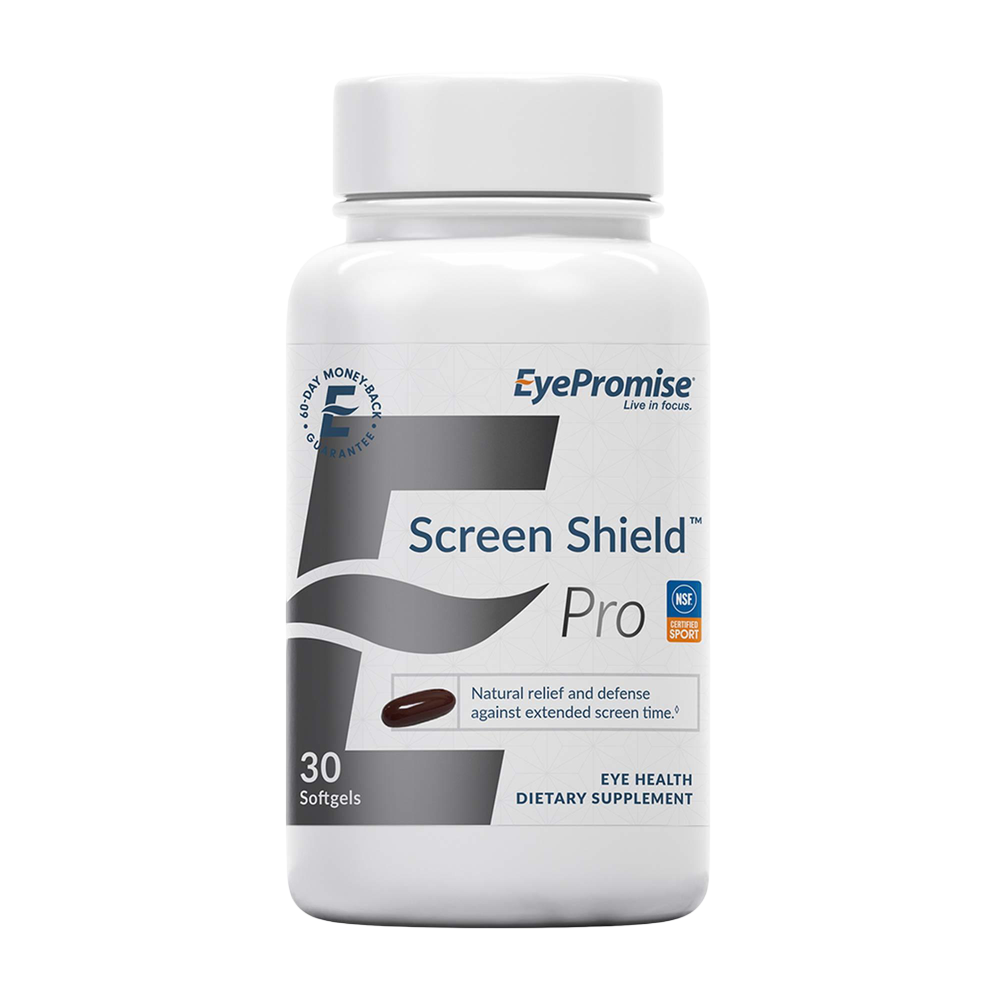
EyePromise Screen Shield Pro
Eye Promise
30 softgels
$39.99$31.99 with Subscribe & Save