 Instalab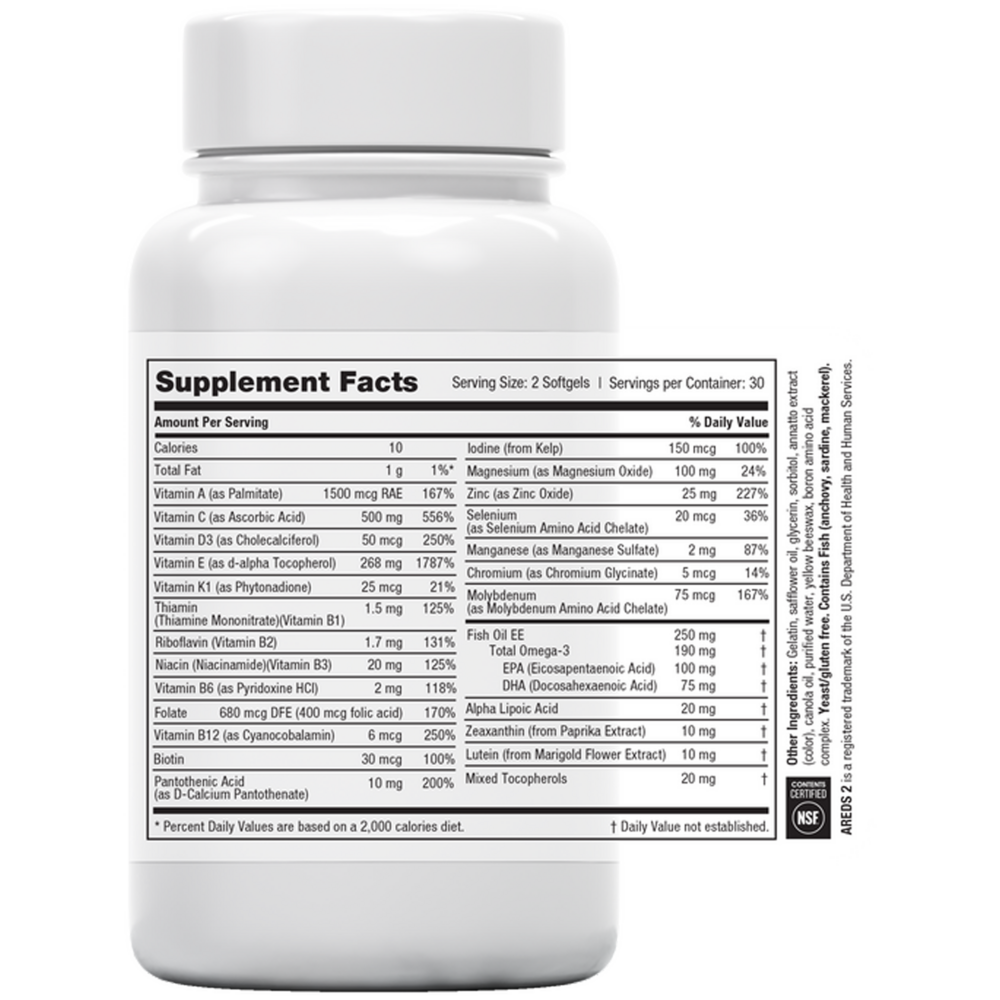
Eye Promise
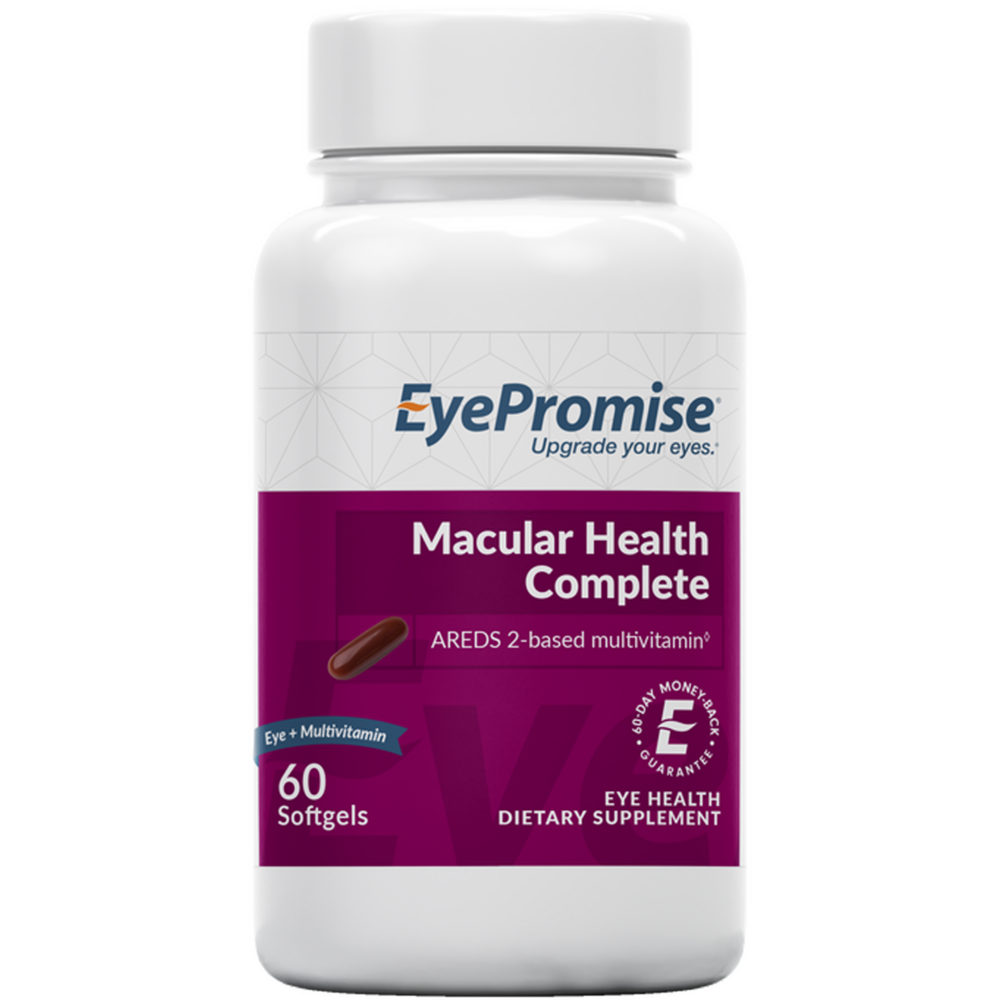
Macular Health Complete by Eye Promise
60 softgels · 30-day supply
Comprehensive Support for Vision and Eye Health$40.99
Purchase options
Practitioner-grade brand3rd-party testedFree shipping $50+
Gluten Free·Yeast Free
Eye Promise Macular Health Complete overview
If your eye doctor has flagged early macular changes or a strong family history of age-related macular degeneration, AREDS 2 eye vitamins are the evidence-based pick. This formula supplies lutein and zeaxanthin (the macular pigments that concentrate in the retina) alongside vitamins C, E, zinc, and more. It also fits screen-heavy adults with low dietary greens and little egg yolk intake whose macular pigment optical density (a measure of retinal pigment) tends to run low. For vegans and light seafood eaters, the included fish oil is maintenance-level only.
Lutein and zeaxanthin accumulate in the macula, where they act as blue-light filters and antioxidants that neutralize reactive oxygen species (the byproducts that damage photoreceptors). Vitamins C and E regenerate antioxidants in that tissue, while zinc helps enzymes in the visual cycle work efficiently. AREDS2 trials showed a lower risk of progression to advanced disease in high‑risk patients using this pattern of nutrients. Expect macular pigment to build gradually, with changes detectable within 3 to 6 months and risk-reduction benefits accruing over years of steady use.
Take two softgels daily with a meal that includes some fat; carotenoids and vitamin E absorb better with dietary fat. Consistency matters more than clock time, so anchor it to your largest meal. This is a maintenance dose aligned with AREDS2-style regimens. If you’re also on a multivitamin, keep total zinc, vitamin E, and vitamin A intakes reasonable to avoid stacking, and separate magnesium oxide from thyroid medication by at least 4 hours.
If you use warfarin or other vitamin K–antagonist blood thinners, avoid added vitamin K1 unless your prescriber adjusts your dose. The vitamin A here is preformed (retinyl palmitate); during pregnancy or if trying to conceive, use only under clinician guidance. A prior history of kidney stones warrants caution with 500 mg vitamin C. Fish or iodine allergies, thyroid disease sensitive to iodine, or a tendency to bruise on high-dose vitamin E are other reasons to check with your clinician first.
Frequently asked questions
How long do AREDS 2 eye vitamins take to work?
Macular pigment typically rises within 3 to 6 months of daily use, but the progression risk benefits in AREDS2 were seen over years. Stick with a consistent routine and schedule eye exams to track changes your doctor can measure.
Can I take AREDS 2 vitamins with my multivitamin?
Usually yes, but watch total vitamin A, vitamin E, and zinc so you don’t overshoot. If your multi already has high doses of these, consider dropping it or switching to a lighter multi to avoid stacking beyond what you need.
Are AREDS 2 eye vitamins safe for smokers?
Yes, this approach avoids beta-carotene, which was linked to higher lung cancer risk in smokers. It uses lutein, zeaxanthin, vitamins C/E, and zinc instead. If you smoke, this is the preferred carotenoid profile discussed in AREDS2.
Do these eye vitamins thin your blood?
They’re not blood thinners, but vitamin E and fish oil can slightly increase bleeding tendency. If you’re on anticoagulants or antiplatelet drugs, or bruise easily, review with your clinician and monitor for changes.
Is this safe in pregnancy?
Use caution. It contains preformed vitamin A (retinyl palmitate), which should be limited in pregnancy. If you’re pregnant or trying to conceive, ask your obstetric clinician before using and consider a prenatal without added retinol.
Will the fish oil in this help my triglycerides?
No. The 250 mg fish oil here is for retinal cell membranes, not triglyceride reduction. Triglycerides typically drop with 1,000–3,000 mg EPA+DHA daily. If triglycerides are elevated, choose a dedicated omega‑3 and track them on a lipid panel.
Can I take this if I have a thyroid condition?
It contains iodine from kelp. If you have thyroid disease or take levothyroxine, clear the iodine content with your clinician and separate the dose from thyroid medication by at least 4 hours to avoid absorption issues.
What side effects should I watch for?
Mild nausea or reflux can occur if taken on an empty stomach. Magnesium oxide may loosen stools, and high carotenoid intake can slightly yellow the skin—harmless and reversible. Stop and seek care for rash, breathing trouble, or severe GI pain.
How to take it & ingredients
Suggested use: Adults take 2 softgels per day with a meal, or as directed by your eye care professional.
Active ingredients
2 softgels per serving · 30 servings
Vitamin A
As Palmitate
As Palmitate
1500 mcg RAE
Vitamin C
As Ascorbic Acid
As Ascorbic Acid
500 mg
Vitamin D3
As Cholecalciferol
As Cholecalciferol
50 mcg
Vitamin E
As d-Alpha Tocopherol
As d-Alpha Tocopherol
268 mg
Vitamin K1
As Phytonadione
As Phytonadione
25 mcg
Thiamin
Thiamine Mononitrate (Vitamin B1)
Thiamine Mononitrate (Vitamin B1)
1.5 mg
Riboflavin
Vitamin B2
Vitamin B2
1.7 mg
Niacin
Niacinamide (Vitamin B3)
Niacinamide (Vitamin B3)
20 mg
Vitamin B6
As Pyridoxine HCl
As Pyridoxine HCl
2 mg
Folate
400 mg folic acid
400 mg folic acid
680 mcg DFE
Vitamin B12
As Cyanocobalamin
As Cyanocobalamin
6 mcg
Biotin
30 mcg
Pantothenic Acid
As D-Calcium Pantothenate
As D-Calcium Pantothenate
10 mg
Iodine
From Kelp
From Kelp
150 mcg
Magnesium
As Magnesium Oxide
As Magnesium Oxide
100 mg
Zinc
As Zinc Oxide
As Zinc Oxide
25 mg
Selenium
As Selenium Amino Acid Chelate
As Selenium Amino Acid Chelate
20 mcg
Manganese
As Manganese Sulfate
As Manganese Sulfate
2 mg
Chromium
As Chromium Glycinate
As Chromium Glycinate
5 mcg
Molybdenum
As Molybdenum Amino Acid Chelate
As Molybdenum Amino Acid Chelate
75 mcg
▼
Fish Oil EE
250 mg
▼
Total Omega-3
As EE
As EE
190 mg
EPA
Eicosapentaenoic Acid
Eicosapentaenoic Acid
100 mg
DHA
Docosahexaenoic Acid
Docosahexaenoic Acid
75 mg
Alpha Lipoic Acid
10 mg
Zeaxanthin
10 mg
Lutein
10 mg
Mixed Tocopherols
20 mg
Other ingredients: Gelatin, Safflower Oil, Glycerin, Sorbitol, Annatto Extract (color), Canola Oil, Purified Water, Yellow Beeswax, Boron Amino Acid
Certifications
Benefits
Warnings
Customers also considered
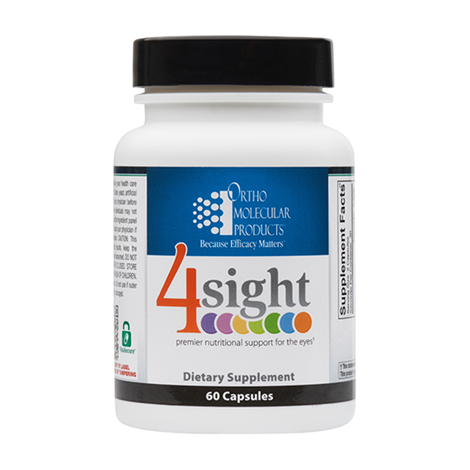
4sight
Ortho Molecular Products
60 capsules
$106.95$96.35 with Subscribe & Save
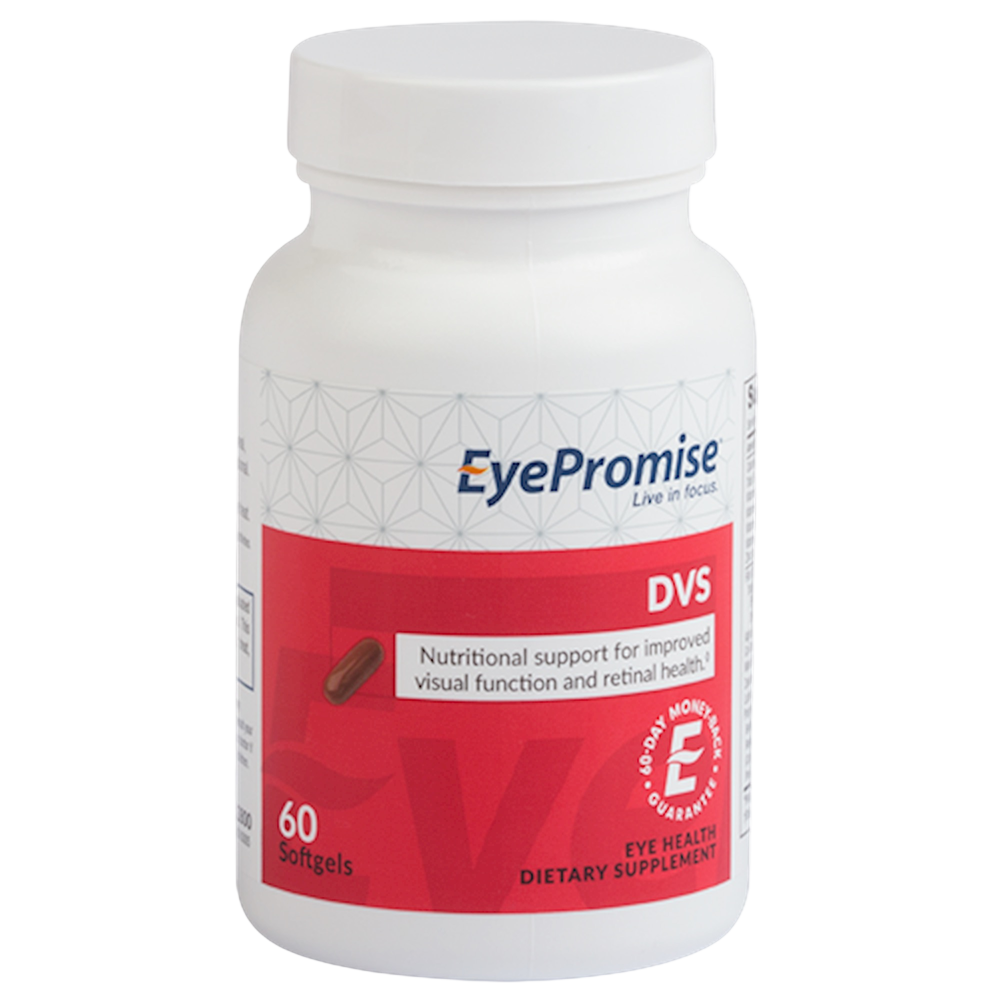
EyePromise DVS
Eye Promise
60 softgels
$45.99$36.99 with Subscribe & Save
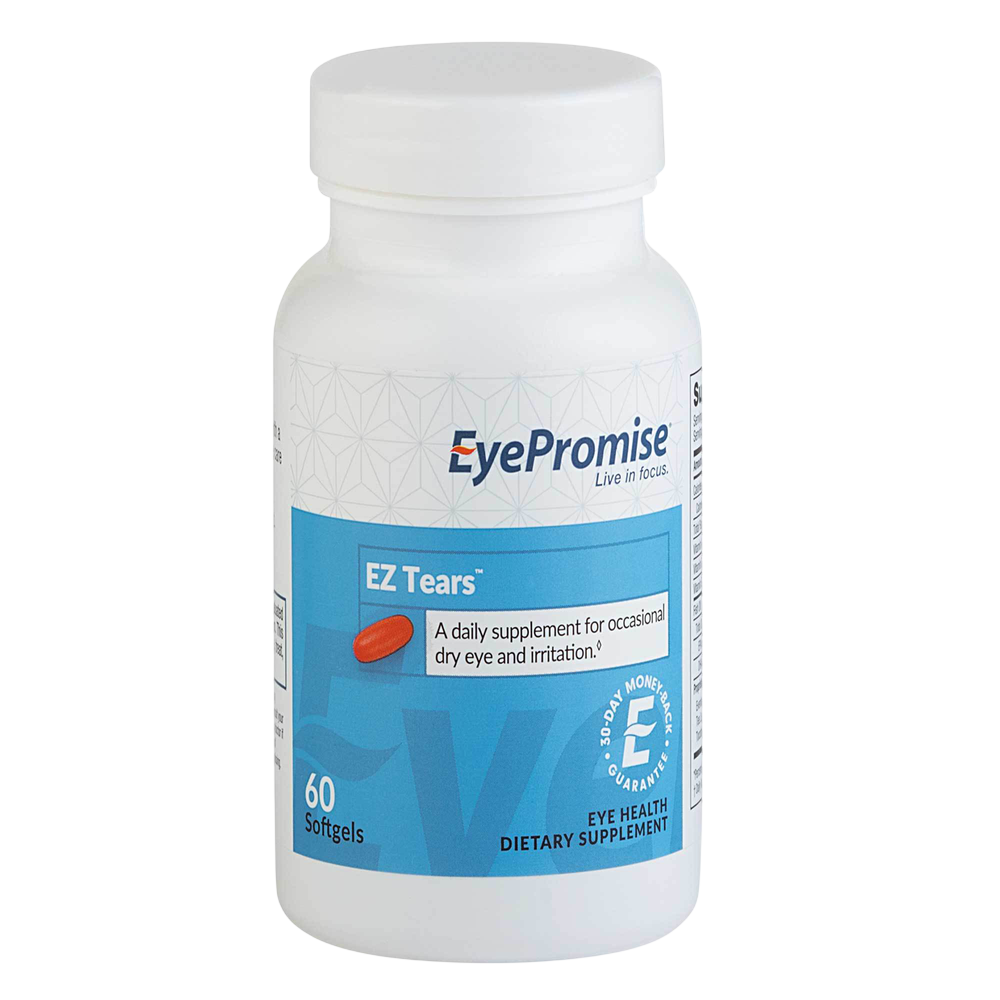
EyePromise EZ Tears
Eye Promise
60 softgels
$42.99$33.99 with Subscribe & Save
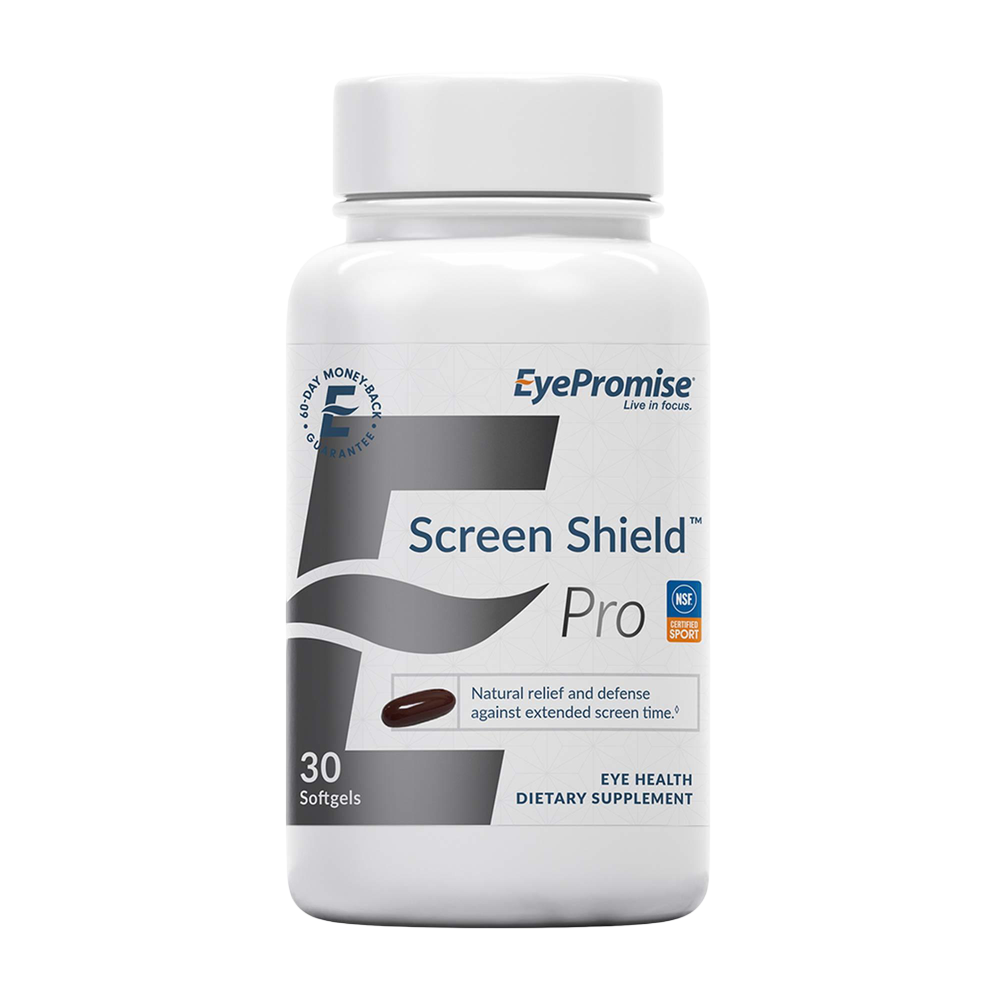
EyePromise Screen Shield Pro
Eye Promise
30 softgels
$39.99$31.99 with Subscribe & Save