 Instalab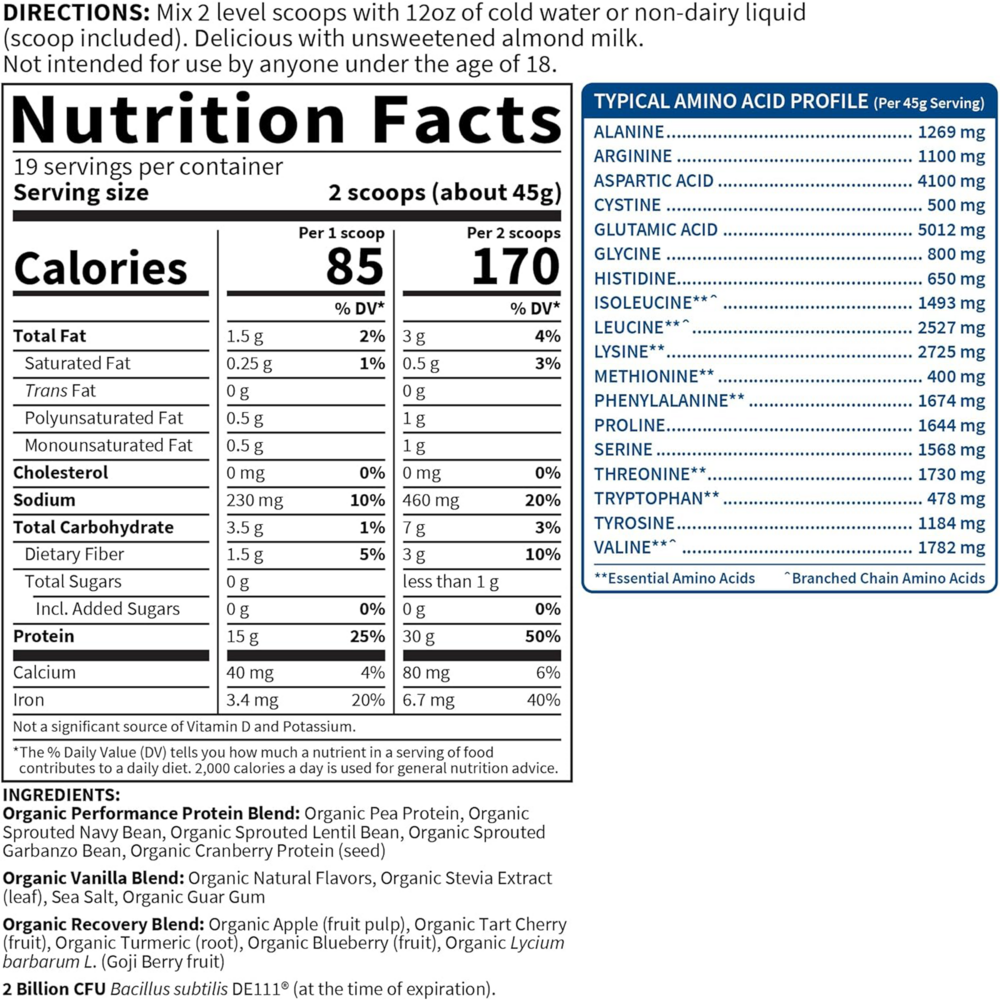
Garden of Life
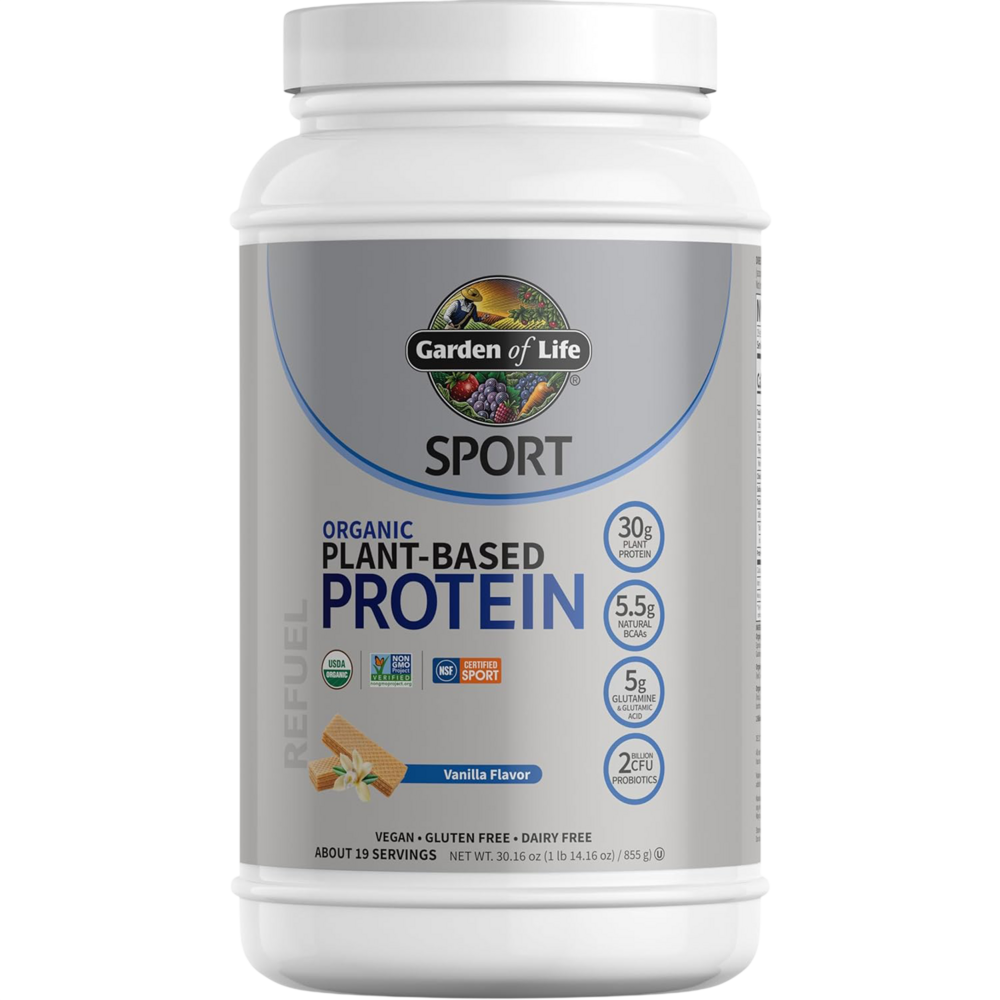
Organic Plant-Based Performance Protein Vanilla by Garden of Life
855 grams
Organic Plant-Based Protein for Enhanced Performance and Recovery$59.99
Purchase options
Practitioner-grade brand3rd-party testedFree shipping $50+
Vegan·Vegetarian·Kosher·Gluten Free·Soy Free·Lactose Free·
Garden of Life Organic Plant-Based Performance Protein Vanilla overview
Endurance and strength athletes who want faster post-workout recovery without dairy tend to do well with this plant-based protein powder. A 30 g serving suits vegans, lactose-intolerant lifters, and anyone who struggles to hit daily protein from food on heavy training days. The included iron helps menstruating athletes who are watching Ferritin (your iron storage marker). If you need a banned-substance–screened option, Garden of Life has sport-focused certifications many teams require.
Muscle growth depends on hitting a leucine trigger, the amino acid signal that turns on muscle protein synthesis. A 30 g blended plant protein typically reaches the ~2–3 gram leucine range most adults need after training, because pea, rice, and other plant sources complement each other’s amino acid gaps. That drives repair when your muscle is most responsive in the hours after exercise. The DE111 Bacillus subtilis probiotic (2 billion CFU) is a modest add-on for gut tolerance and day-to-day immune steadiness during hard training blocks, not a primary recovery driver.
Mix two scoops with water or unsweetened almond milk within 1–2 hours after training, then use additional scoops as needed to reach your daily target. Most active adults aim for roughly 0.7–1.0 grams of protein per pound of goal body weight per day, spread across 3–5 meals with at least 25–40 g each. Rest days still count, since repair and remodeling continue. If you’re smaller or light-training, one scoop can top off a protein-rich meal instead of a full shake.
The sodium is high at 460 mg per serving, so skip or limit if you’re on a low-sodium plan or have difficult-to-control blood pressure. Avoid if you have significant kidney disease unless your clinician has set a protein prescription. The iron is helpful if your Ferritin is low, but not ideal for those advised to avoid extra iron (for example, hemochromatosis). The DE111 probiotic is generally safe, but immunocompromised patients should review any probiotic with their care team.
Frequently asked questions
Is plant-based protein as good as whey for muscle gain?
Yes if you hit enough total protein and leucine. A 30 g blended plant protein after training performs similarly to whey when daily protein is adequate and meals provide 25–40 g protein each.
How much protein should I take after a workout?
Aim for 25–40 g within 1–2 hours. This dose reliably triggers muscle protein synthesis in most adults. Larger athletes or those training twice daily often sit at the higher end.
Can I take this vegan protein powder on rest days?
Absolutely. Muscle repair and adaptation occur on rest days, so keep protein evenly distributed across meals to meet your daily target.
Will this upset my stomach or cause bloating?
Most tolerate it well. Start with half a serving if you’re sensitive, and mix with more liquid. The DE111 probiotic is low dose; occasional gas subsides as your gut adapts.
Is plant-based protein safe with creatine or BCAAs?
Yes. Creatine stacks well with protein. Extra BCAAs are usually unnecessary if each meal provides 25–40 g protein, since that already meets the leucine trigger.
Is this safe in pregnancy or while breastfeeding?
Protein powder can help meet needs, but review the full ingredient list and total daily protein with your clinician. This product isn’t labeled for those under 18; pregnancy requires individualized guidance.
Should I worry about the sodium in this protein?
Each serving has 460 mg sodium. If you’re limiting sodium for blood pressure or fluid retention, account for this in your day or choose a lower-sodium protein.
How long until I notice recovery benefits?
Protein synthesis increases after the first shake, but visible changes track with training over 4–12 weeks. Subjective soreness often improves within days when total daily protein is adequate.
How to take it & ingredients
Suggested use: Mix 2 level scoops with 12 oz of cold water or non-dairy liquid (scoop included). Delicious with unsweetened almond milk. Not intended for use by anyone under the age of 18.
Active ingredients
2 scoops = 45 g per serving
▼
Organic Performance Protein Blend
30 g
Organic pea protein
-
Organic sprouted navy bean
-
Organic sprouted lentil bean
-
Organic sprouted garbanzo bean
-
Organic cranberry protein (seed)
-
Calcium
80 mg
Iron
6.7 mg
Sodium
460 mg
▼
Organic Recovery Blend
-
Organic apple (fruit pulp)
-
Organic tart cherry (fruit)
-
Organic turmeric (root)
-
Organic blueberry (fruit)
-
Organic Lycium barbarum L. (goji berry fruit)
-
Probiotics: Bacillus subtilis DE111®
2 billion CFU
Other ingredients: Organic natural flavors, Organic stevia extract (leaf), Sea salt, Organic guar gum
Certifications
Benefits
Warnings
Customers also considered
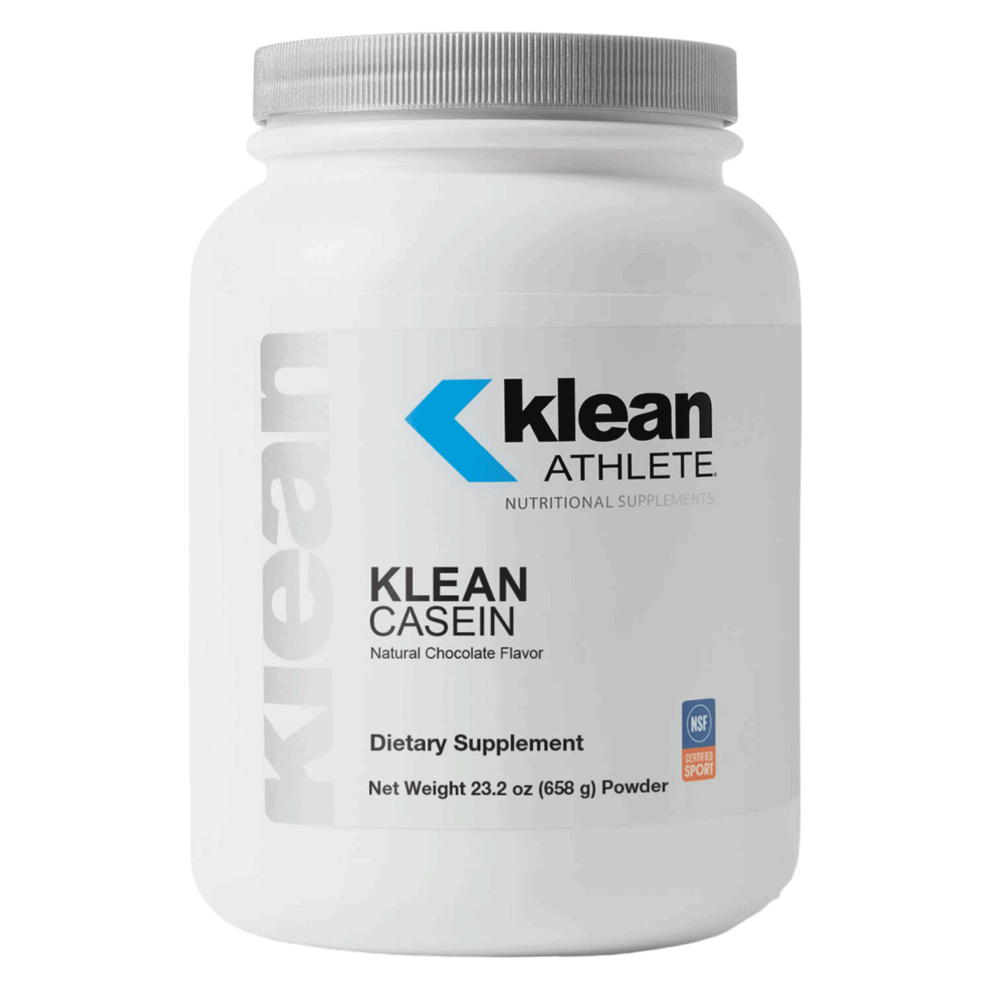
Casein Natural Chocolate
Klean Athlete
658 grams
$68.50$54.99 with Subscribe & Save
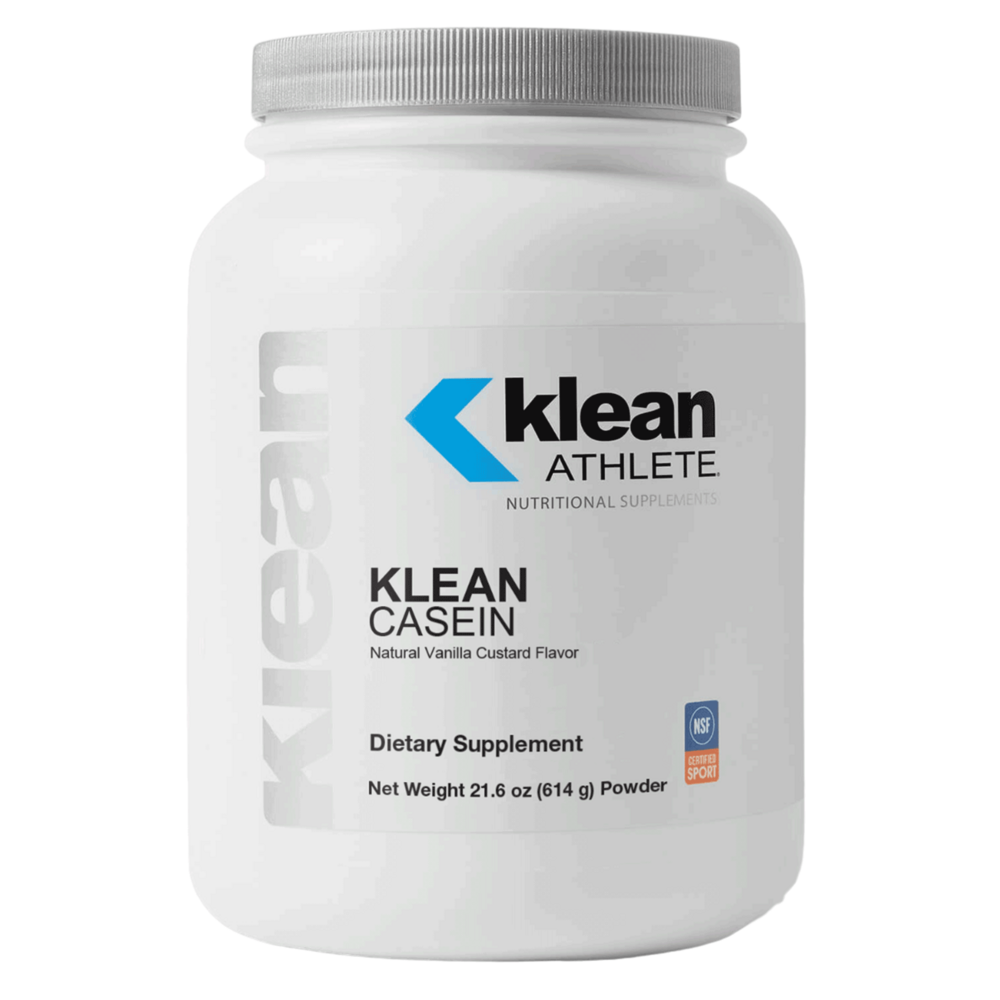
Casein Natural Vanilla Custard Flavor
Klean Athlete
614 grams
$68.50$54.99 with Subscribe & Save
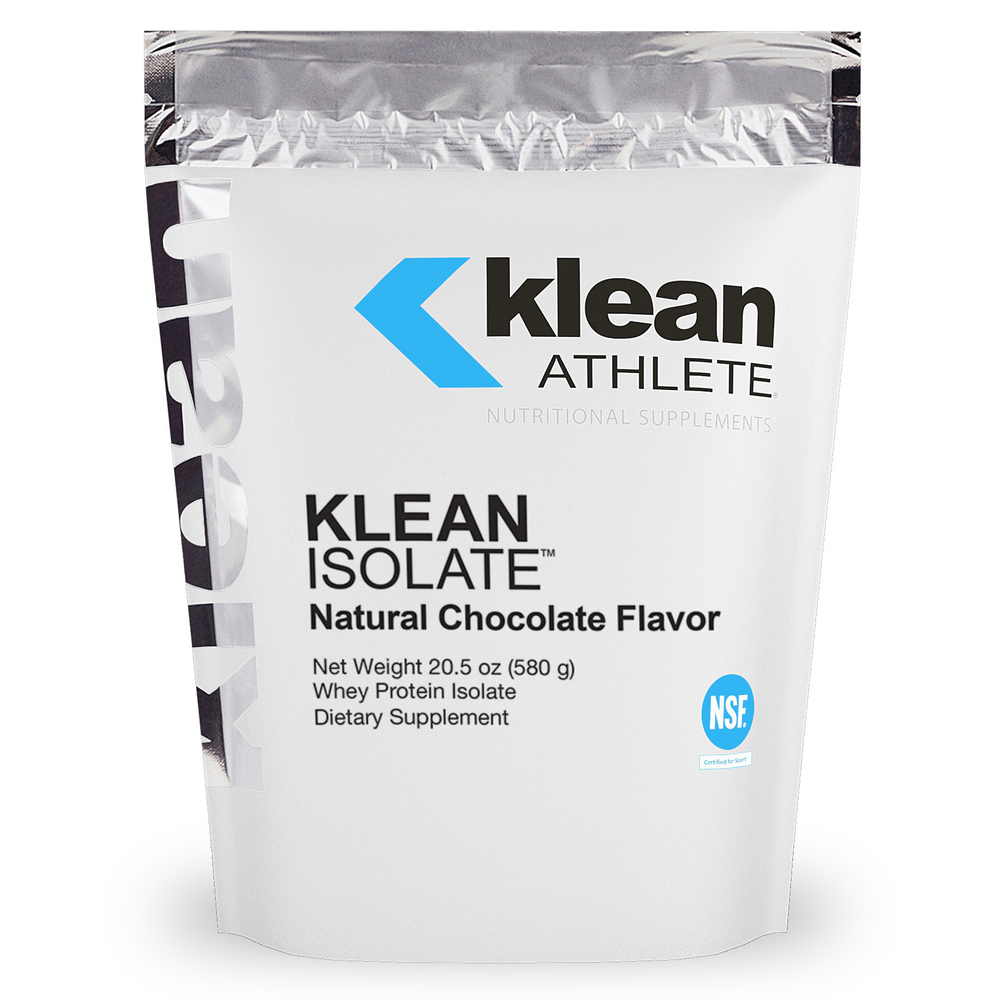
Klean Isolate Natural Chocolate
Klean Athlete
580 grams
$64.50$51.99 with Subscribe & Save
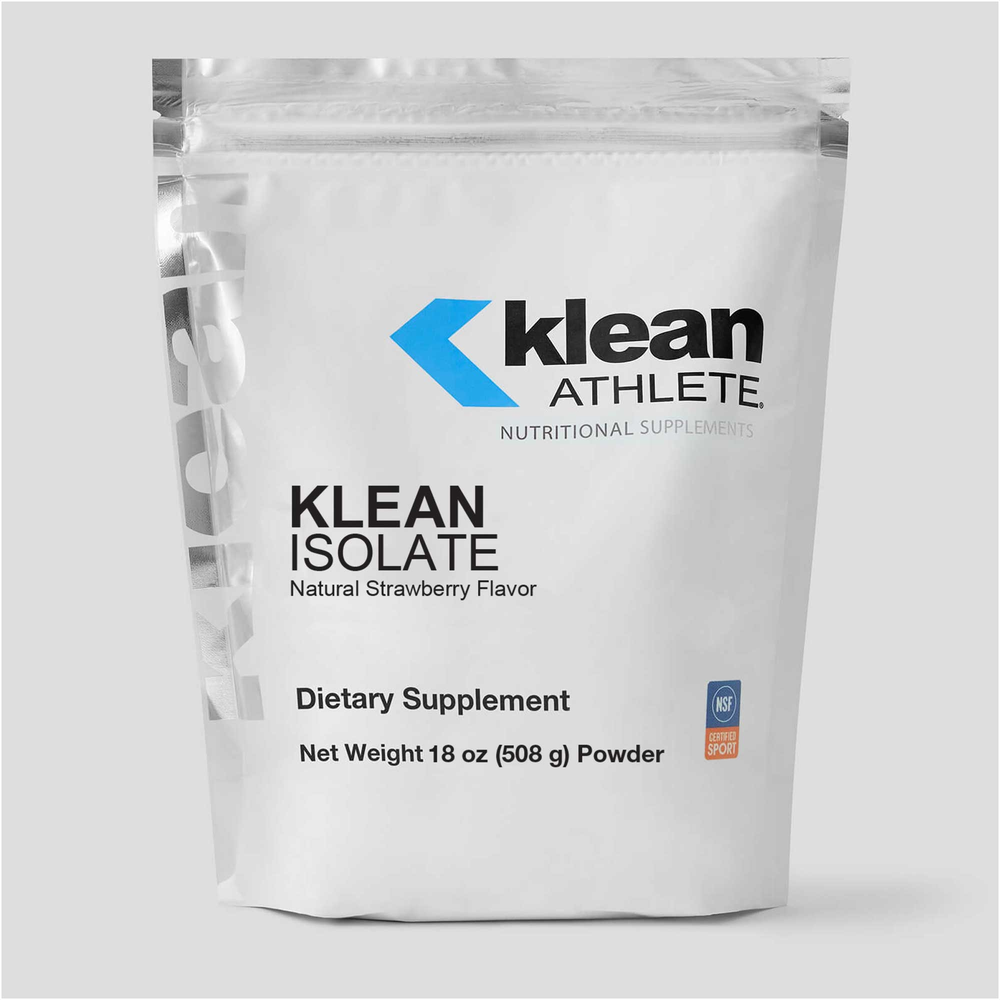
Klean Isolate Natural Strawberry
Klean Athlete
508 grams
$64.50$51.99 with Subscribe & Save