 Instalab

Garden of Life
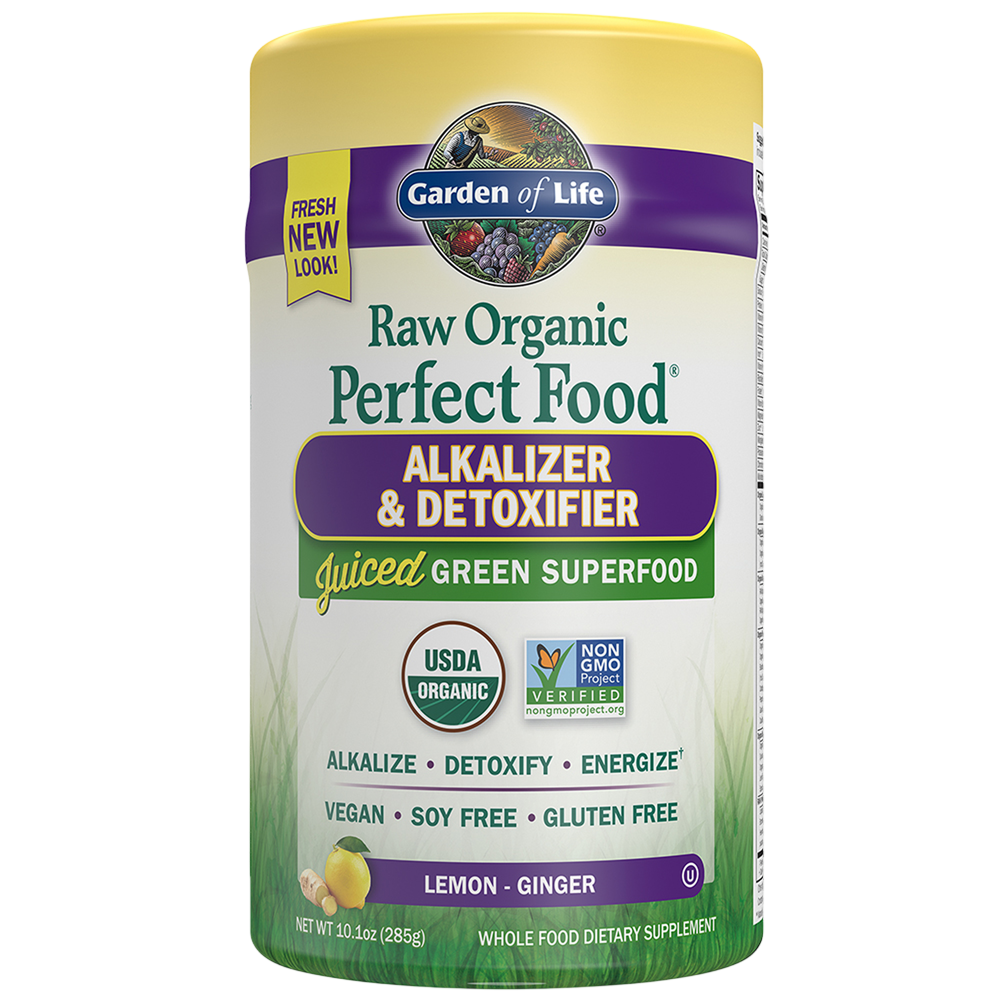
RAW Organic Perfect Food Alkalizer & Detoxifier by Garden of Life
285 grams
Nourish and Revitalize with Organic Greens for Detox and Alkaline Balance$48.99
Purchase options
Practitioner-grade brand3rd-party testedFree shipping $50+
Vegan·Vegetarian·Kosher·Gluten Free·Soy Free·Lactose Free·
Garden of Life RAW Organic Perfect Food Alkalizer & Detoxifier overview
If your vegetable and fruit intake is light on busy days, a greens powder for detox is a simple way to add concentrated plant compounds. This blend suits adults aiming to bump daily polyphenols and potassium from plants when salads or cooked greens don’t happen. It’s reasonable if you’re working on regularity or mild bloating tied to a low-fiber diet. If you need medical “detox” for alcohol, medications, or heavy metals, this is the wrong tool.
Powdered green juices and sprouts deliver polyphenols and carotenoids (plant antioxidants) plus a potassium load from vegetables, which helps balance high-sodium eating but doesn’t change blood pH in healthy kidneys. The “detoxifier” herbs here—dandelion, burdock, fennel, turmeric—are mild bitters that can nudge bile flow and digestion, a sensible reason some people feel less post‑meal heaviness. The tiny probiotic/enzyme add-on is a low dose; don’t treat it like a standalone probiotic. Don’t expect measurable shifts in liver enzymes like ALT or AST; think produce convenience, not a cleanse.
Mix one level scoop in 8 oz water or juice once daily; start with half a scoop for a week if you’re prone to gas, then increase. Take with food if you notice queasiness on an empty stomach. Separate by at least 3–4 hours from levothyroxine, certain antibiotics, and bisphosphonates, since fiber and minerals can reduce absorption. Most people notice digestion changes within 1–2 weeks; taste and tolerance drive timing more than biology.
Skip or get clinician guidance if you use warfarin, since vitamin K–rich greens can affect dosing. Caution with chronic kidney disease because of potassium load, and with a history of calcium oxalate kidney stones due to oxalates in spinach/chlorella. Avoid in pregnancy and breastfeeding since several herbs lack safety data. If you have ragweed allergies (Asteraceae family), dandelion can cross-react. For persistent bloat or pain, test rather than chase cleanses—consider stool testing or basic labs like hs-CRP for inflammation.
Frequently asked questions
Does a greens powder actually detox your body?
No supplement “detoxes” like your liver and kidneys do. Greens powders add polyphenols, fiber, and potassium from plants. That can improve digestion and overall diet quality, but don’t expect a cleanse effect or changes in liver labs like ALT/AST.
How long until I feel a difference from a greens powder?
Digestive changes, like more regular stools or less heaviness after meals, usually show up within 1–2 weeks of daily use. Energy or skin changes are subjective and vary. If nothing changes by 4 weeks, it’s unlikely to do more.
Can I take a greens powder on an empty stomach?
You can, but some people feel queasy with concentrated greens. If that happens, take it with a meal or split the scoop twice daily. Hydration helps minimize nausea and gas.
Is this greens powder safe with warfarin?
Use caution. Vitamin K–rich greens can alter warfarin effect, requiring dose adjustments. Keep intake consistent and coordinate with your prescriber, or avoid altogether if monitoring can’t be done.
Will the probiotic in this greens powder replace a probiotic supplement?
Unlikely. The probiotic/enzyme blend is small and not a therapeutic-dose probiotic. If you’re targeting stool consistency, IBS-like symptoms, or antibiotic recovery, use a dedicated probiotic with documented CFUs and strains.
Can people with kidney disease use a greens powder?
Not without clinician guidance. Many greens are high in potassium, which can be unsafe in reduced kidney function. Your care team may limit or avoid these products based on your labs.
Does greens powder help with bloating?
Sometimes. Added fiber and bitter herbs can improve motility and reduce post-meal heaviness. In some, especially with sensitive guts, it can increase gas at first—start with a half scoop and build up.
Is it safe during pregnancy or breastfeeding?
Best to avoid. Several included herbs (like dandelion and burdock) lack robust safety data in pregnancy and lactation. If you want more plants, use standard foods or a prenatal-safe protein/greens vetted by your clinician.
How to take it & ingredients
Suggested use: Adults mix 1 level scoop in 8 ounces of water or juice one or more times daily. Shake well before use.
Active ingredients
1 scoop = 9 g per serving
▼
RAW Organic U.S.A. Farmed Green Juice Blend
3.2 g
Organic Barley Grass Juice
-
Organic Alfalfa Grass Juice
-
Organic Oat Grass Juice
-
Organic Wheat Grass Juice
-
Organic Kamut Grass
-
▼
RAW Organic Alkalizer Blend
3 g
Organic Lemon Flavor and Juice (fruit)
-
Organic Freeze Dried Coconut Water (nut)
-
Organic AlgaeCal RAW Calcium
-
Organic Cracked Wall Chlorella
-
Organic Ginger (root)
-
Organic Spinach (leaf)
-
Organic Kale (leaf)
-
▼
Organic Detoxifier Blend
1.1 g
RAW Organic Fennel (Seed)
-
Organic Dandelion (Root)
-
RAW Organic Radish (tuber)
-
Organic Yellow Dock (root)
-
RAW Organic Burdock (root)
-
Organic Turmeric (root)
-
RAW Organic Red Clover (blossom)
-
RAW Organic Fruit and Veggie Juice Antioxidant Blend
1 g
RAW Organic Sprout Blend
1 g
RAW Probiotic and Enzyme Blend
100 mg
Certifications
Benefits
Warnings
Customers also considered
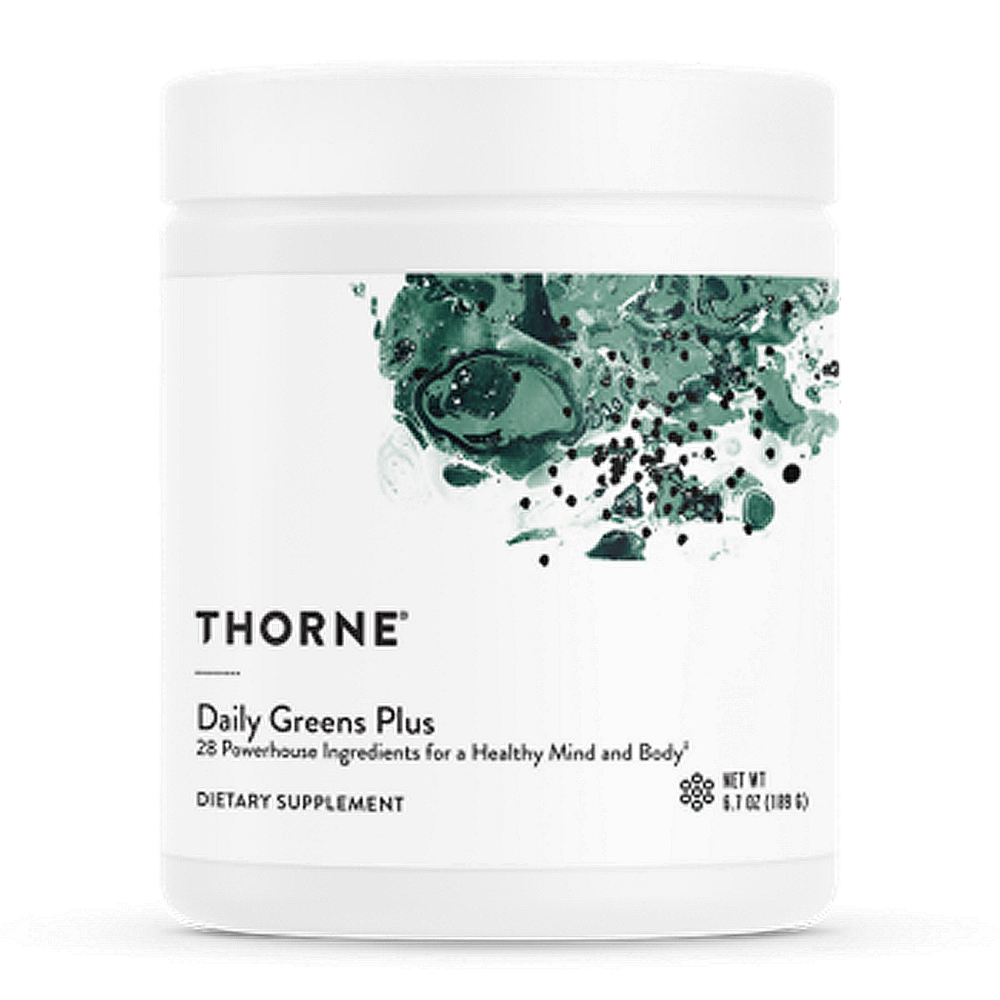
Daily Greens Plus
Thorne
204 grams
$72.00$64.80 with Subscribe & Save
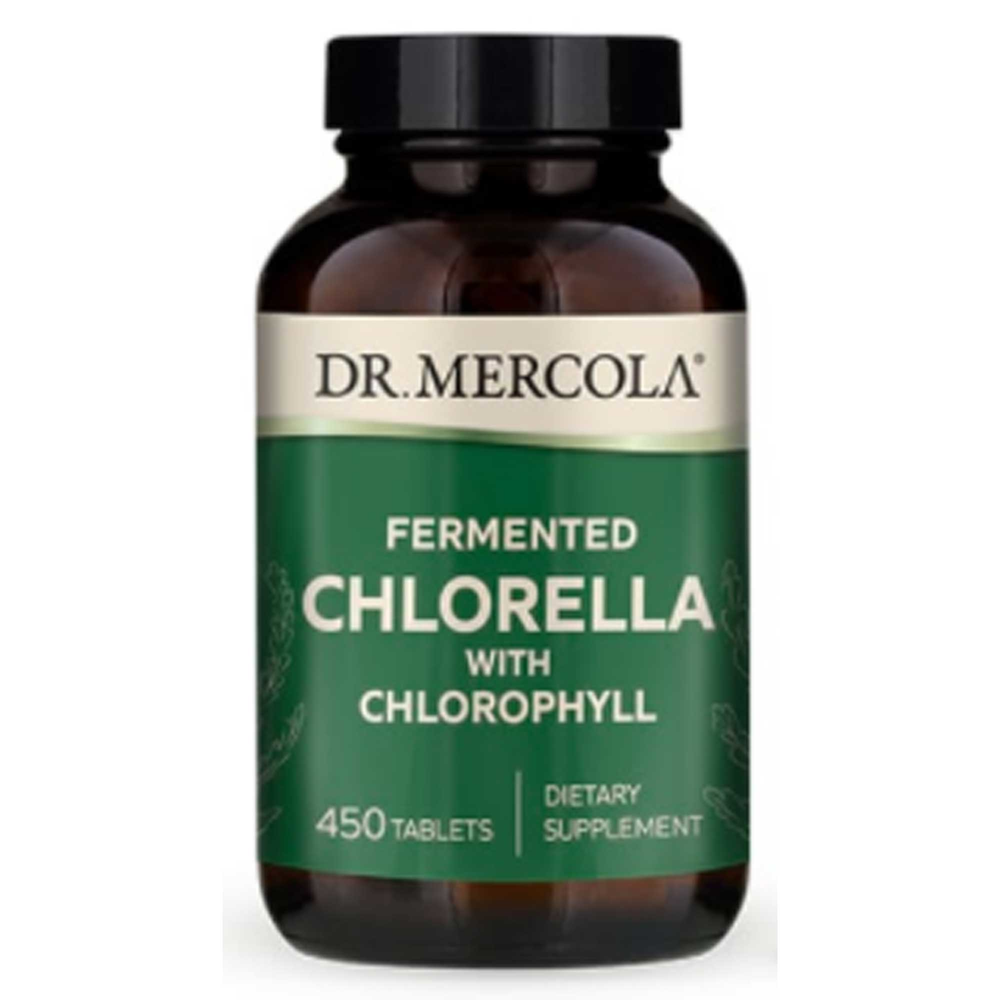
Fermented Chlorella with Chlorophyll
Dr. Mercola
450 tablets
$22.99$17.99 with Subscribe & Save
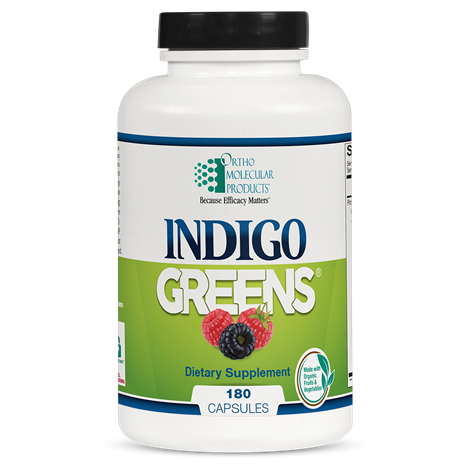
Indigo Greens Capsules
Ortho Molecular Products
180 capsules
$94.85$85.45 with Subscribe & Save
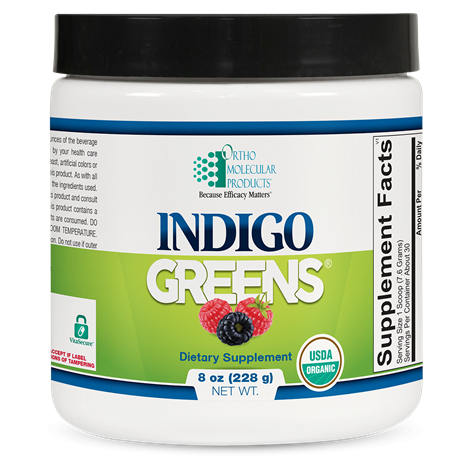
Indigo Greens Powder
Ortho Molecular Products
228 grams
$83.42$75.15 with Subscribe & Save