 Instalab
Garden of Life
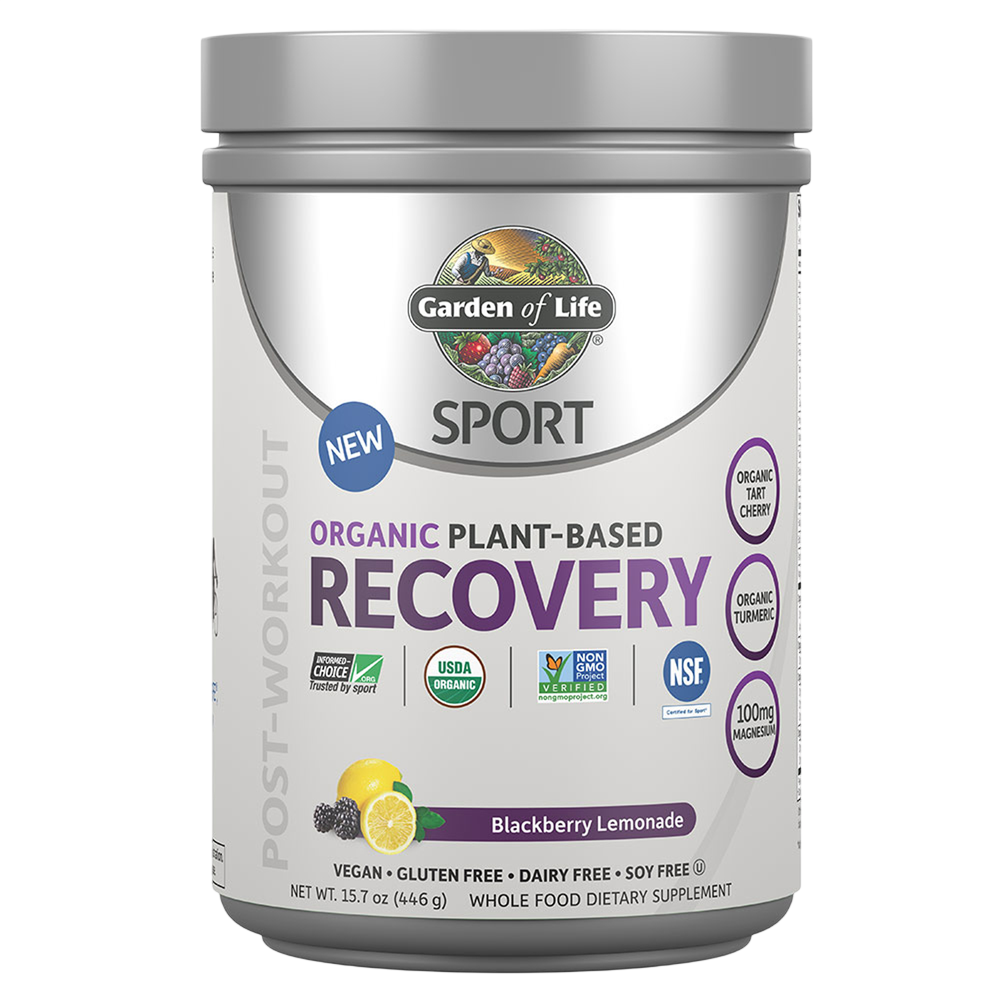
Sport Organic Post-Workout Recovery Blackberry Lemonade by Garden of Life
446 grams
Revitalize and Recover with Organic Blackberry Lemonade Post-Workout Formula$42.99
Purchase options
Practitioner-grade brand3rd-party testedFree shipping $50+
Vegan·Vegetarian·Gluten Free·Soy Free·Lactose Free·Dairy Free·
Garden of Life Sport Organic Post-Workout Recovery Blackberry Lemonade overview
If you finish hard sessions without much appetite, this post-workout recovery drink gives light calories, electrolytes, and antioxidants without a heavy shake. It fits endurance athletes after long runs or rides, gym-goers training twice a day, and plant-based eaters who want pea protein and clean ingredients. If you already hit your daily protein target, this is useful as a quick bridge before your next meal; if you struggle to recover or your creatine kinase (a muscle damage marker) runs high after races, layering this right after training is practical.
The organic energy blend provides quick carbs to start restoring muscle glycogen (your stored workout fuel). A modest 3 g of pea protein triggers muscle repair signaling, while magnesium (100 mg) and electrolytes aid muscle relaxation and fluid balance. Vitamin C (30 mg) and plant polyphenols (antioxidant compounds from plants) help clear exercise-driven oxidative stress. That antioxidant dose is moderate, so it can reduce next-day soreness without the adaptation-blunting seen with very high-dose vitamins. In responders, inflammation markers like hs-CRP (a general inflammation signal) trend down after heavy blocks.
Mix one scoop with 8 oz cold water right after training. The 30–60 minute window is ideal for glycogen reloading. For strength or hypertrophy days, pair it with 20–40 g of additional protein (whey or a larger plant blend) because 3 g alone is maintenance-level, not a full recovery dose. On long endurance days, add a banana or extra carbs if another session is coming up within 24 hours.
If you need a single all-in-one recovery with 20+ grams of protein, this isn’t it—treat it as a light post-workout primer. Pea allergy is a hard stop. Those with chronic kidney disease should review total magnesium and potassium intake with their clinician. If you purposefully avoid antioxidants around training to maximize endurance adaptations, keep this for later in the day or rest days.
Frequently asked questions
Is 3 grams of protein enough after a workout?
Not by itself for muscle building. Most adults need 20–40 g protein post-workout. Use this as a light bridge and add a protein shake or protein-rich meal to reach your target.
When should I drink it for best recovery?
Within 30–60 minutes after finishing. That timing helps kick-start glycogen restoration and early muscle repair. If you have two-a-days, take it right after session one, then eat a full meal soon after.
Will the antioxidants blunt training adaptations?
High-dose vitamins can. This formula uses modest vitamin C and plant polyphenols, which are less likely to blunt gains and can reduce soreness. If you’re strict about no antioxidants peri-workout, take it later.
Does this post-workout drink have electrolytes or caffeine?
It includes magnesium and other electrolytes to help with fluid balance. It’s formulated without stimulant-level caffeine. Always check the label of your specific lot to confirm.
Can I take it on rest days?
Yes, especially after long travel, a de-loading session, or if you’re catching up on calories. On full rest days, prioritize regular meals first and use this if appetite is low.
Is it compatible with creatine or whey protein?
Yes. Creatine mixes well post-workout, and adding 20–30 g whey or a larger plant protein turns this into a complete recovery stack. Keep total fluids at 12–20 oz for easy digestion.
Will it upset my stomach after hard efforts?
It’s lighter than a full shake, which many tolerate better right after intense work. Start with half a scoop if you’re sensitive, then finish the rest 15–20 minutes later.
How to take it & ingredients
Suggested use: Mix 1 level scoop (scoop included) with 8oz of cold water immediately after workout.
Active ingredients
1 scoop per serving
Vitamin C
30 mg
Thiamin
0.8 mg
Riboflavin
1.7 mg
Niacin
3.5 mg
Vitamin B6
2 mg
Folate
70 mcg
Biotin
65 mcg
Pantothenic Acid
1.5 mg
Magnesium
100 mg
▼
Organic Energy Blend
9 g
Organic Cane Sugar
-
Organic Orange Juice Powder
-
Organic Amla Berry (fruit) Extract
-
▼
Organic USA Pea Protein Blend
3 g
Organic Pea Protein
-
Magnesium Amino Acid Chelate
-
▼
Organic Antioxidant Recovery Blend
1 g
Organic Apple (fruit pulp)
-
Organic Baobab (fruit)
-
Organic Tart Cherry (fruit)
-
Organic Rooibos Extract
-
Organic Turmeric (root)
-
Organic Blueberry (fruit)
-
Organic Goji Berry (fruit)
-
▼
Organic B Vitamin Blend
100 mg
Organic Sesbania grandiflora (leaf)
-
Organic Holy Basil (leaf)
-
Organic Guava (fruit & leaf)
-
Organic Lemon (fruit)
-
Other ingredients: Organic lemonade flavor, organic blackberry flavor, non-GMO citric acid
Certifications
Benefits
Warnings