 Instalab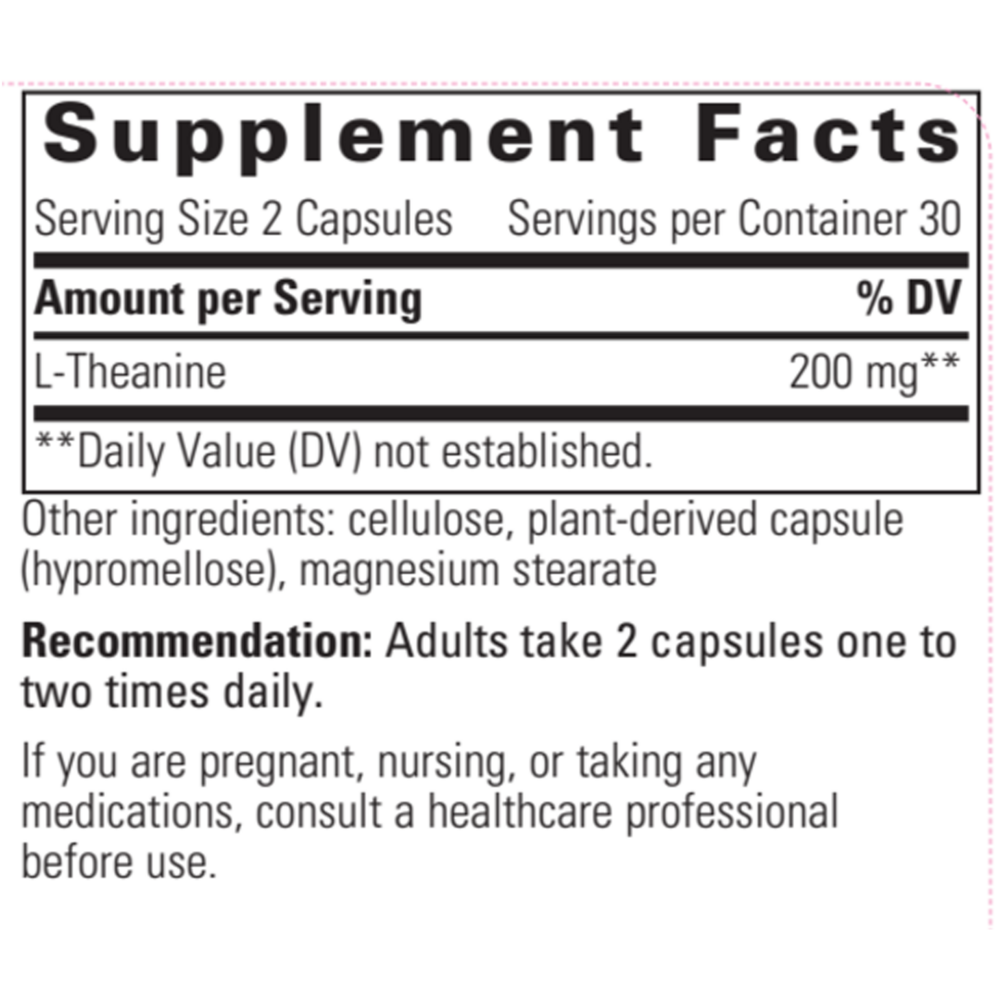
Integrative Therapeutics
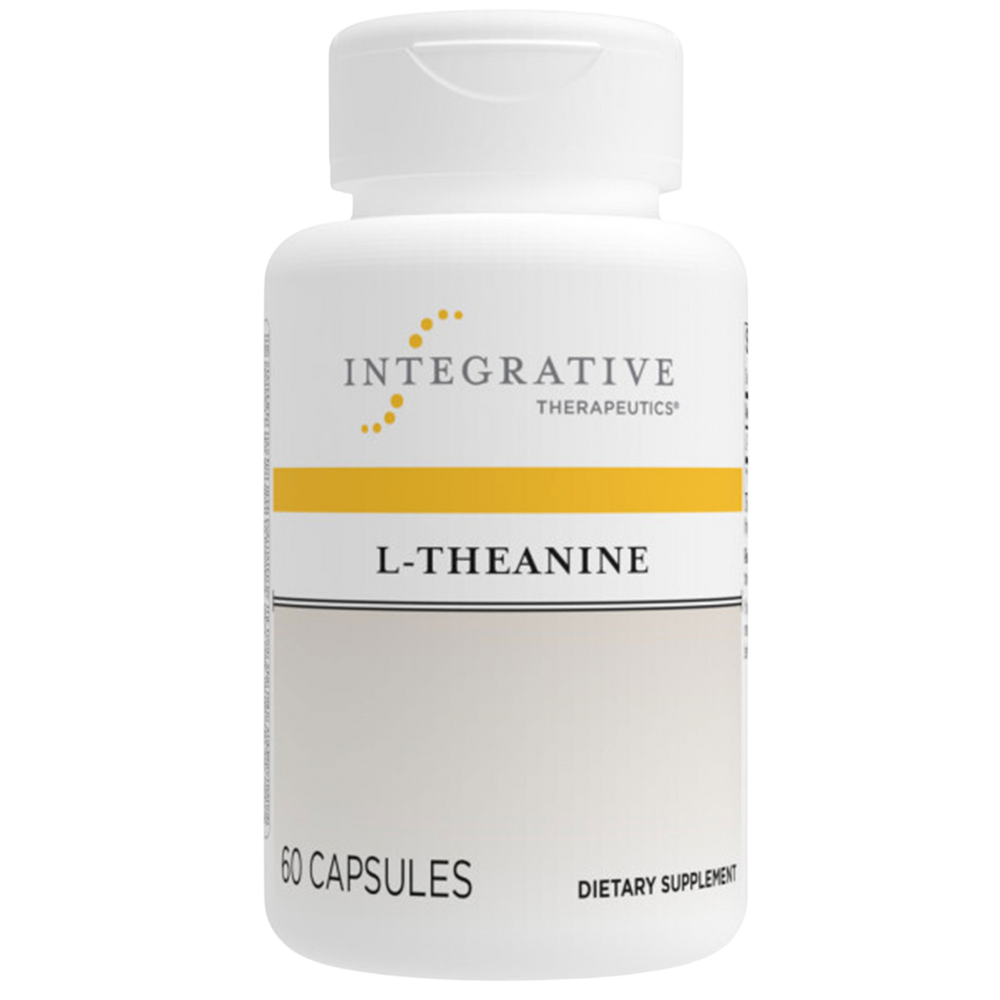
L-Theanine 200 mg by Integrative Therapeutics
60 capsules · 30-day supply
Promote Calm and Focus with Natural L-Theanine Support$22.99
Purchase options
Practitioner-grade brand3rd-party testedFree shipping $50+
Vegan·Vegetarian·Gluten Free·Soy Free·Dairy Free·Milk Free·
Integrative Therapeutics L-Theanine overview
If you’re looking for L-theanine for anxiety that doesn’t sedate you, this fits. It’s helpful for adults who feel tense under pressure, take caffeine but dislike the jitters, or struggle with sleep onset when the mind won’t quiet. People with high stress reactivity on tasks, or elevated morning salivary cortisol, are typical responders. If you’re already calm and sleeping well, you’re less likely to notice much.
L-theanine is an amino acid from tea that crosses into the brain and nudges signaling toward calm. It dampens glutamate (the main excitatory signal) and gently increases GABA (the main calming signal). Brainwave studies show more alpha activity, the relaxed-but-alert pattern. In practice, that translates to less tension within 30 to 60 minutes, steadier focus under stress, and fewer caffeine side effects when taken together.
Each capsule provides 200 mg. The suggested use is 2 capsules one to two times daily, which is a higher, clinically used range (400–800 mg/day). For situational anxiety or presentations, take 200–400 mg 30–60 minutes before the event. For sleep onset, 200 mg in the evening is common. With coffee, 100–200 mg alongside caffeine smooths jitters without blunting alertness. Take with or without food.
L-theanine can modestly lower stress-elevated blood pressure, so combine cautiously with antihypertensives and monitor at first. It may add to the calming effects of sedatives or alcohol. With stimulant medications for ADHD, it’s generally well tolerated and can reduce edginess, but start low and assess focus. Pregnancy and breastfeeding: data are limited, so avoid unless your clinician specifically recommends it.
Frequently asked questions
Does L-theanine actually help with anxiety?
Yes for many people with mild to moderate, stress-triggered anxiety. Effects are felt in 30–60 minutes, with steadier benefits over 1–2 weeks of daily use. It’s not a treatment for panic disorder or severe anxiety without clinician care.
Can I take L-theanine with caffeine?
Yes. 100–200 mg L-theanine with coffee or tea often reduces jitteriness while keeping alertness. Many use a 1:1 or 2:1 theanine-to-caffeine ratio. If you feel too calm or unfocused, lower the theanine dose.
Will L-theanine make me sleepy or affect driving?
It’s calming without sedation for most people. Reaction time is typically unchanged, but assess your own response the first few times and avoid new doses right before driving until you know how you feel.
How much L-theanine should I take per day?
Common totals are 200–400 mg/day, split or as needed. This formula’s suggested use reaches 400–800 mg/day, which some studies use short term. Start at 200 mg and titrate. Long-term tolerability is good, but use the lowest effective dose.
How long before L-theanine starts working?
Acute calming is usually felt within 30–60 minutes. For persistent daytime tension or sleep onset issues, give it 1–2 weeks of consistent use to gauge the full effect.
Is L-theanine safe with antidepressants or ADHD meds?
Generally yes, but go slowly. With SSRIs/SNRIs, no major interactions are reported. With stimulants, theanine can ease edginess; start at 100–200 mg and monitor focus and blood pressure. Discuss changes with your prescriber.
Does L-theanine lower blood pressure?
It can modestly reduce stress-elevated readings. If you’re on blood pressure medication or run low normally, monitor at the start and adjust with your clinician if you feel lightheaded.
Is L-theanine habit-forming?
No. It doesn’t cause dependence or withdrawal. If you stop, your baseline stress response returns over a few days without rebound anxiety.
How to take it & ingredients
Suggested use: Adults take 2 capsules one to two times daily.
Active ingredients
2 capsules per serving · 30 servings
L-Theanine
200 mg
Other ingredients: Cellulose, Plant-Derived Capsule (Hypromellose), Magnesium Stearate
Certifications
Benefits
Warnings
Customers also considered
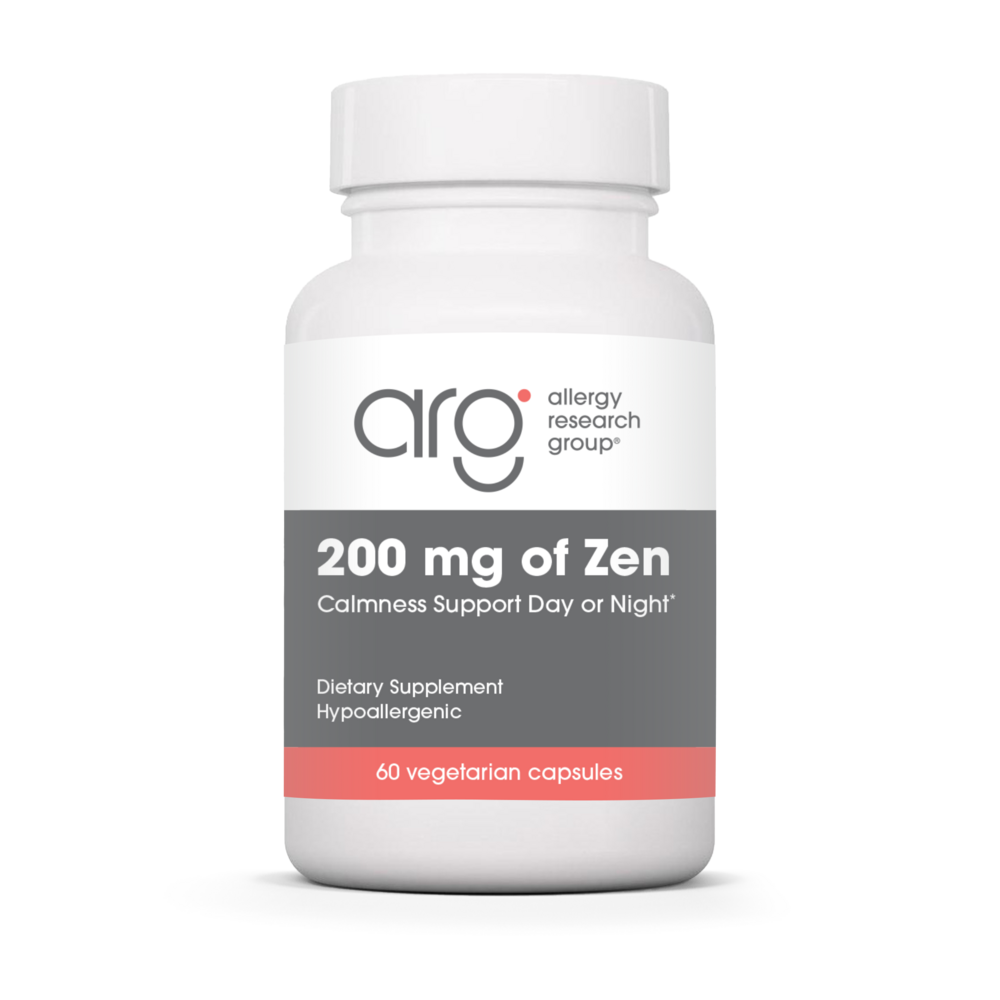
200 mg of Zen Stress Support
Allergy Research Group
60 capsules
$44.99$35.99 with Subscribe & Save
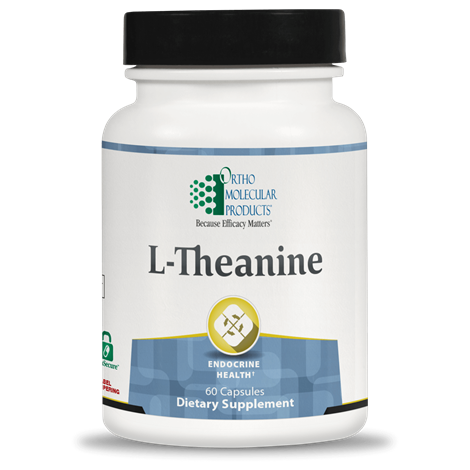
L-Theanine
Ortho Molecular Products
60 capsules
$58.44$52.65 with Subscribe & Save
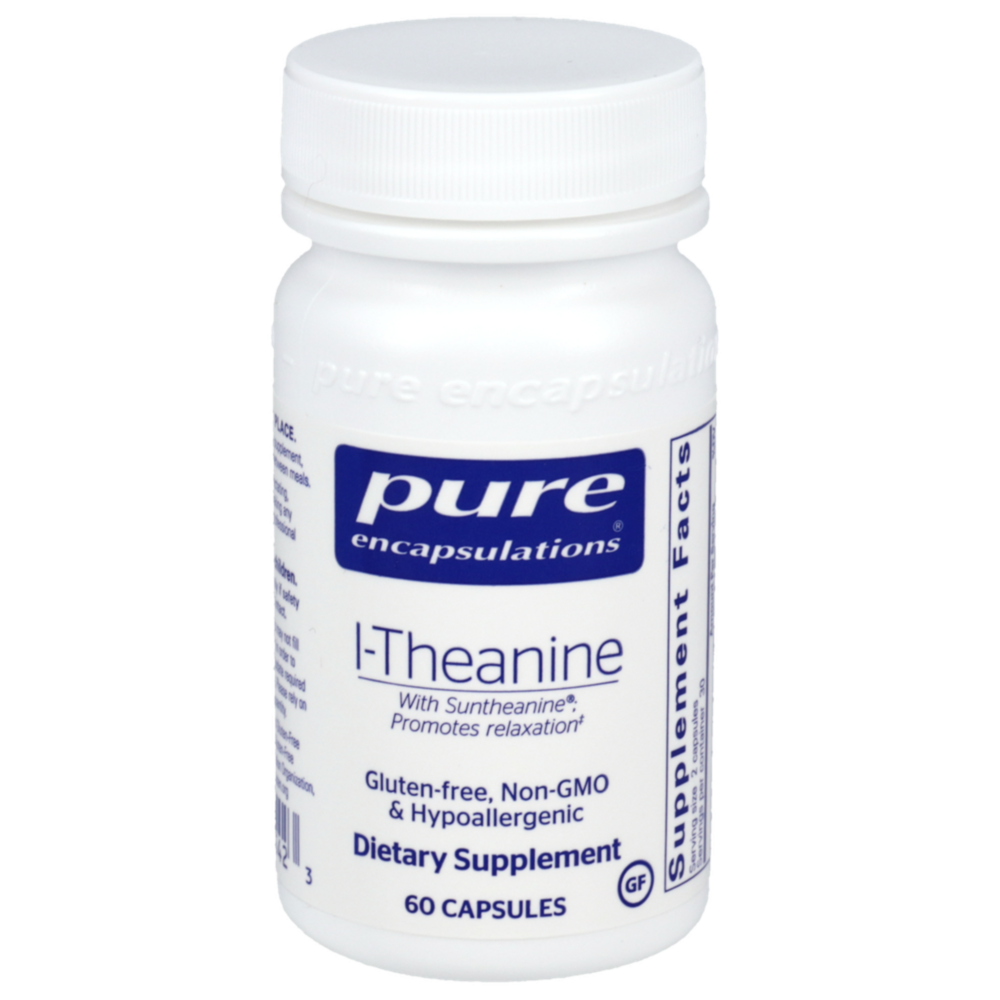
L-Theanine
Pure Encapsulations
60 capsules
$65.50$51.99 with Subscribe & Save
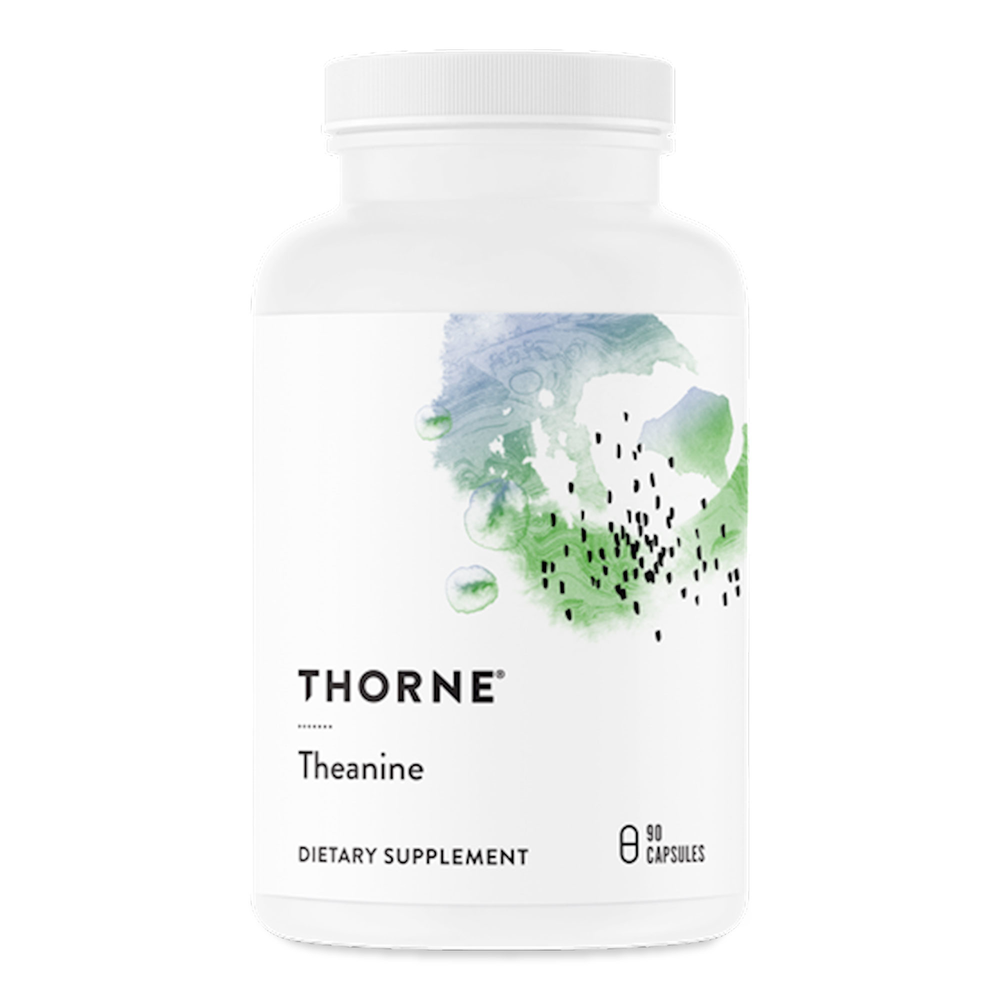
Theanine
Thorne
90 capsules
$68.00$61.20 with Subscribe & Save