 Instalab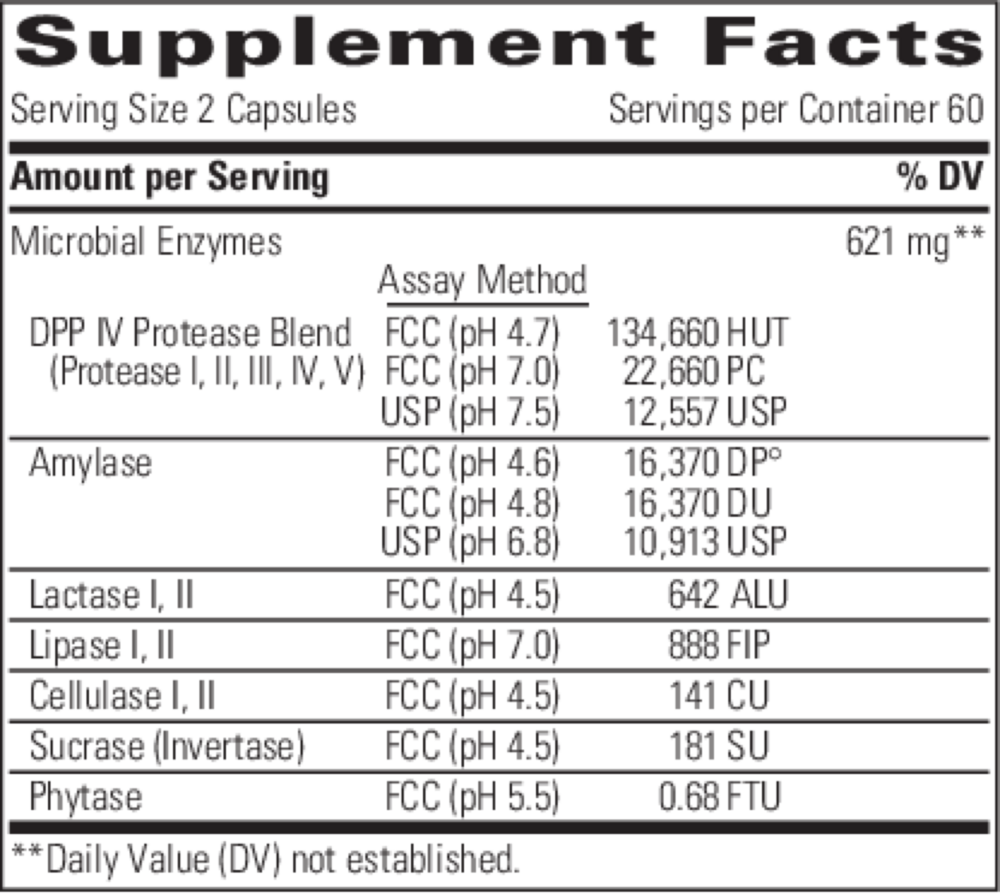
Integrative Therapeutics
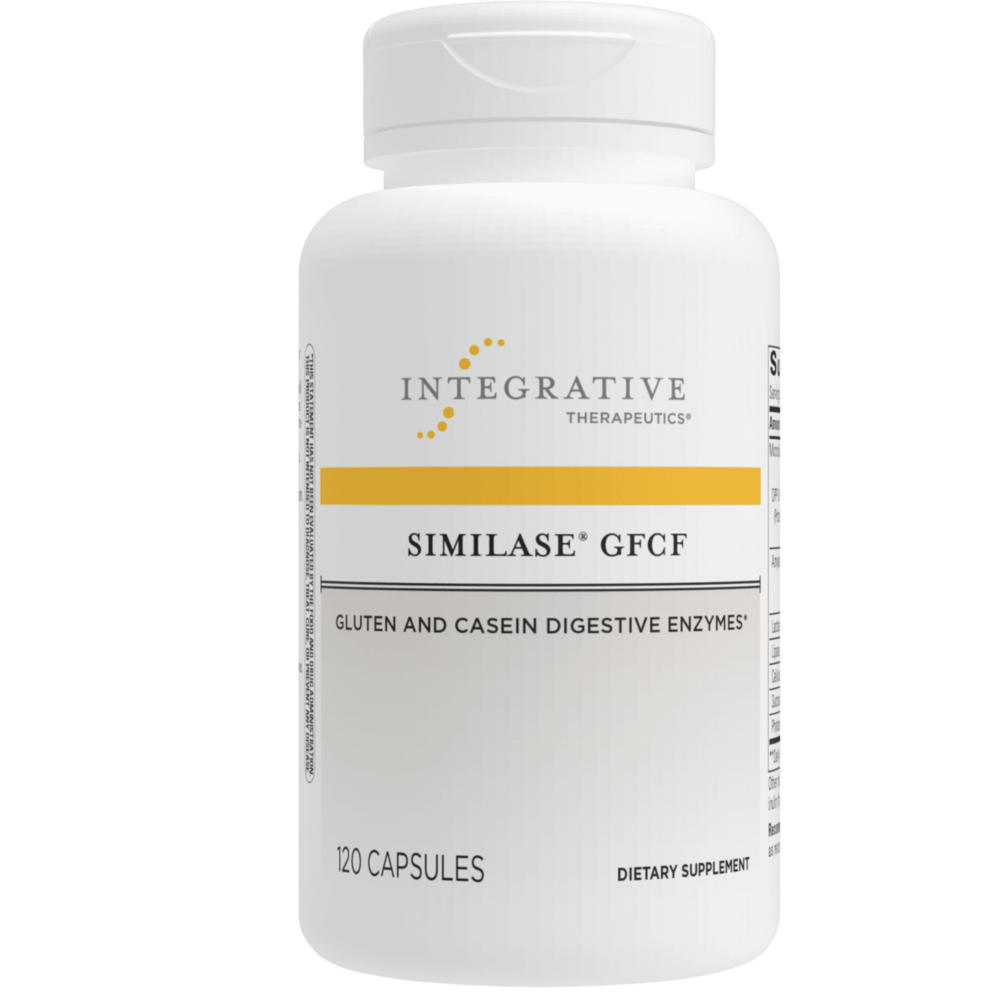
Similase GFCF 621 mg by Integrative Therapeutics
120 capsules · 60-day supply
Comprehensive Digestive Support for Gluten-Free and Casein-Free Diets$35.99
Purchase options
Practitioner-grade brand3rd-party testedFree shipping $50+
Dairy Free·Artificial Preservative Free·Artificial Color Free·Artificial Flavor Free
Integrative Therapeutics Similase GFCF overview
Eating out while trying to stay gluten- and dairy-light is where a gluten digestive enzyme earns its keep. This blend suits people with non-celiac gluten or dairy sensitivity who still encounter traces despite careful choices. It’s for symptom control (gas, bloating, pressure) when cross-contact happens, not a pass to eat wheat or drink milk freely. If you suspect celiac disease, get tested first with tTG-IgA (tissue transglutaminase IgA) and total IgA before changing your diet.
The formula centers on proteases with DPP-IV activity, an enzyme action that clips protein chains at proline, an amino acid that makes gluten and casein fragments hard to break down. By cutting these stubborn peptides into smaller pieces, enzymes are more likely to finish the job during the meal, which can lessen fermentation downstream and the gas and bloating that follow. This is symptom management: even with DPP-IV activity, complete neutralization of gluten’s immune-triggering fragments isn’t reliable in real-world meals, which is why celiac disease still requires strict avoidance.
Take 2 capsules with the first bites of a meal; that timing puts the enzymes in the food bolus where they work. For smaller snacks, 1 capsule is often enough. Effects are meal-to-meal, so use it when exposure risk is higher (restaurants, travel). Enzymes don’t “build up” over time—you should notice any benefit during or after that meal. If you need lactose help, pair with a separate lactase product, since this blend targets proteins, not milk sugar.
Do not use this as a workaround for celiac disease or wheat or milk protein allergy—the immune reaction still occurs even if symptoms seem milder. Persistent pain, weight loss, or diarrhea warrants evaluation and labs such as tTG-IgA or fecal calprotectin (an inflammation marker in stool). Pregnancy and pediatric use are reasonable case by case, but involve a clinician. If you have active gastric ulcers, start low to gauge comfort.
Frequently asked questions
Can a gluten digestive enzyme let me eat gluten if I have celiac?
No. Enzymes can reduce symptoms but do not reliably break down all immune-triggering gluten fragments. With celiac disease, strict gluten avoidance remains essential.
Will this help with lactose intolerance?
Not directly. This blend targets proteins like gluten and casein. Lactose intolerance is about milk sugar, so use lactase with dairy. You can take both together if needed.
How fast do digestive enzymes work?
They work during the meal you take them with. If they help you, you’ll usually notice less gas or bloating within that meal or later the same day. There’s no loading period.
When should I take it with meals?
Take it right before or with the first bites so enzymes mix with food. Taking it after you finish eating is less effective, because most digestion is already underway.
Are there side effects with digestive enzymes?
They’re generally well tolerated. Some people notice nausea, abdominal discomfort, or loose stools at higher doses. Reduce the dose or stop if symptoms occur.
Can I use enzymes if I’m on acid reducers like omeprazole?
Yes. Microbial enzymes are active across a broad pH range and can work even when stomach acid is lower. Take them with the meal as directed.
Is this vegan or vegetarian?
The enzymes are microbial (non-animal). Capsules are typically vegetarian, but check the label for the current capsule material if you avoid animal-derived gelatin.
What testing should I do before trying a gluten enzyme?
If you suspect celiac disease, get blood tests first (tTG-IgA and total IgA) while still eating gluten. Changing diet or masking symptoms beforehand can skew results.
How to take it & ingredients
Suggested use: Take 2 capsules with each meal or as recommended by your healthcare professional.
Active ingredients
2 capsules per serving · 60 servings
▼
Microbial Enzymes
621 mg
DPP IV Protease Blend (Protease I, II, III, IV, V)
FCC (pH 4.7) 134,660 HUT; FCC (pH 7.0) 22,660 PCU; SP (pH 7.5) 12,557 USP
FCC (pH 4.7) 134,660 HUT; FCC (pH 7.0) 22,660 PCU; SP (pH 7.5) 12,557 USP
-
Amylase
FCC (pH 4.6) 16,370 DP; FCC (pH 4.8) 16,370 DU; USP (pH 6.8) 10,913 USP
FCC (pH 4.6) 16,370 DP; FCC (pH 4.8) 16,370 DU; USP (pH 6.8) 10,913 USP
-
Lipase I, II
FCC (pH 6.5) 888 FIP
FCC (pH 6.5) 888 FIP
-
Phytase
FCC (pH 6.0) 0.68 FTU
FCC (pH 6.0) 0.68 FTU
-
Lactase I, II
FCC (pH 4.5) 642 ALU
FCC (pH 4.5) 642 ALU
-
Cellulase I, II
FCC (pH 4.5) 141 CU
FCC (pH 4.5) 141 CU
-
Sucrase (Invertase)
FCC (pH 4.6) 181 SU
FCC (pH 4.6) 181 SU
-
Other ingredients: Plant-Derived Capsule (Hypromellose), Cellulose, Inulin (from Chicory Root), Calcium Laurate, Silica
Certifications
Benefits
Warnings
Customers also considered
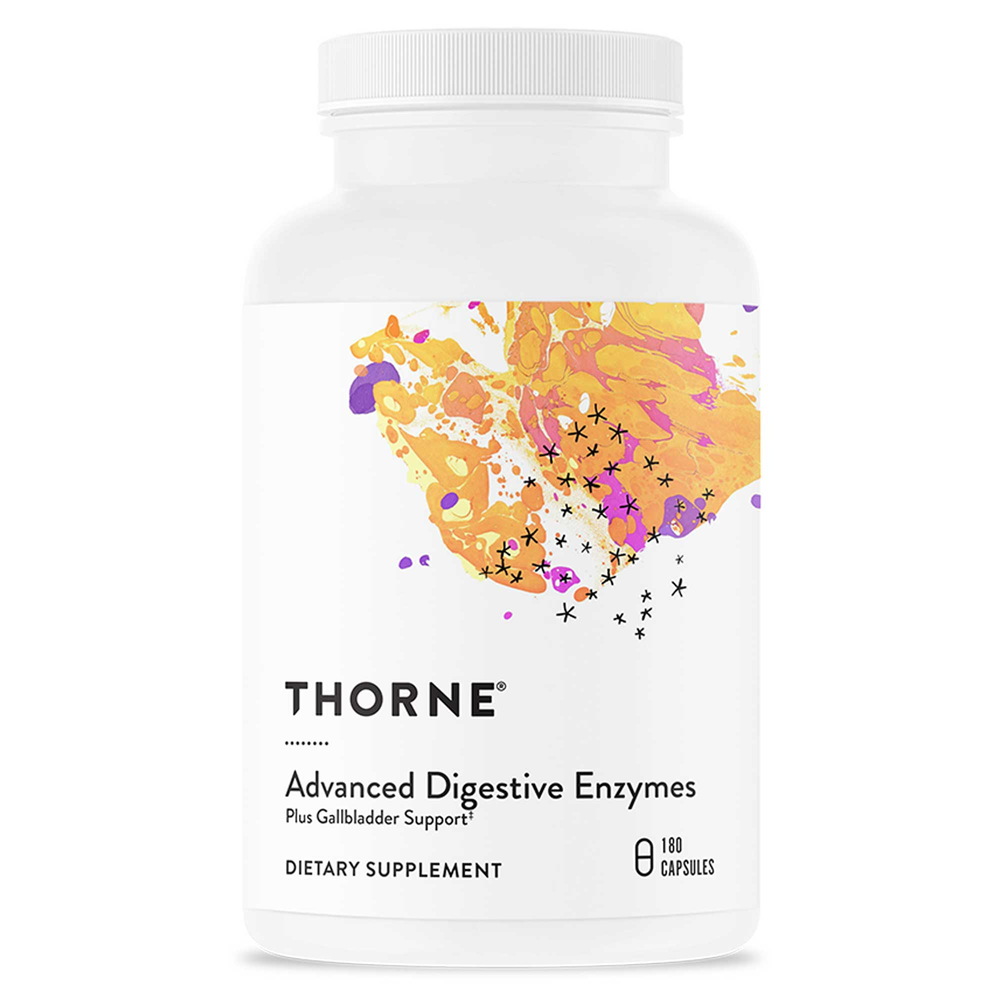
Advanced Digestive Enzymes
Thorne
180 capsules
$56.00$50.40 with Subscribe & Save
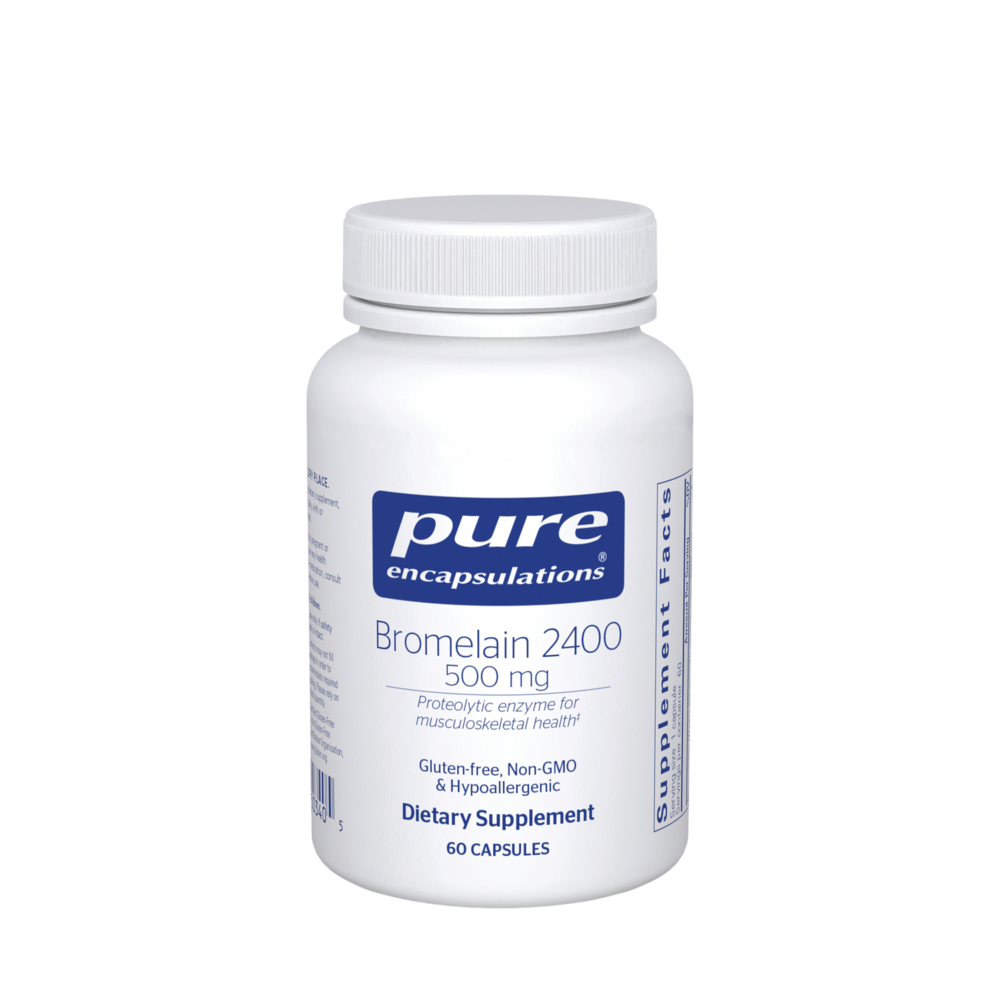
Bromelain 2400 500mg
Pure Encapsulations
60 capsules
$40.00$31.99 with Subscribe & Save
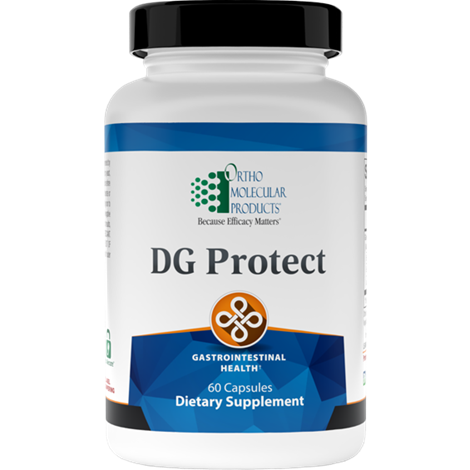
DG Protect
Ortho Molecular Products
60 capsules
$64.44$58.05 with Subscribe & Save
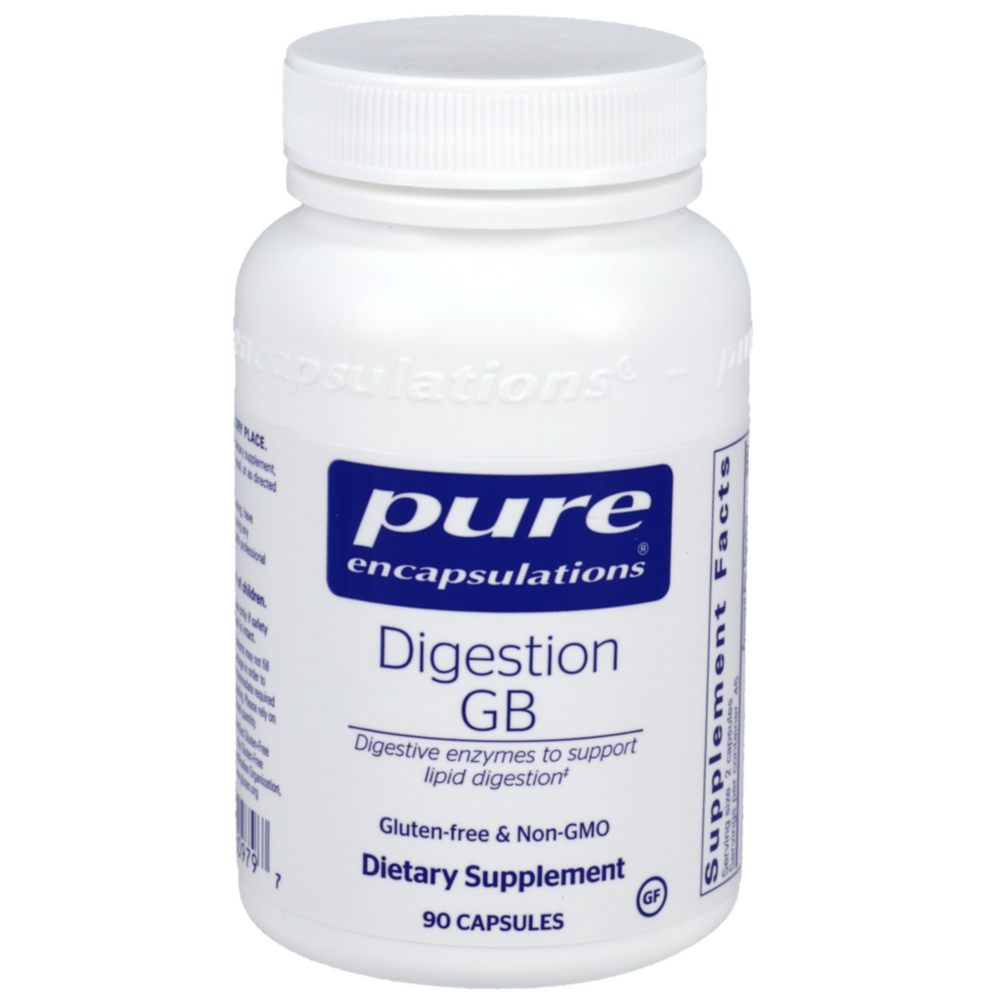
Digestion GB
Pure Encapsulations
90 capsules
$36.50$28.99 with Subscribe & Save