 Instalab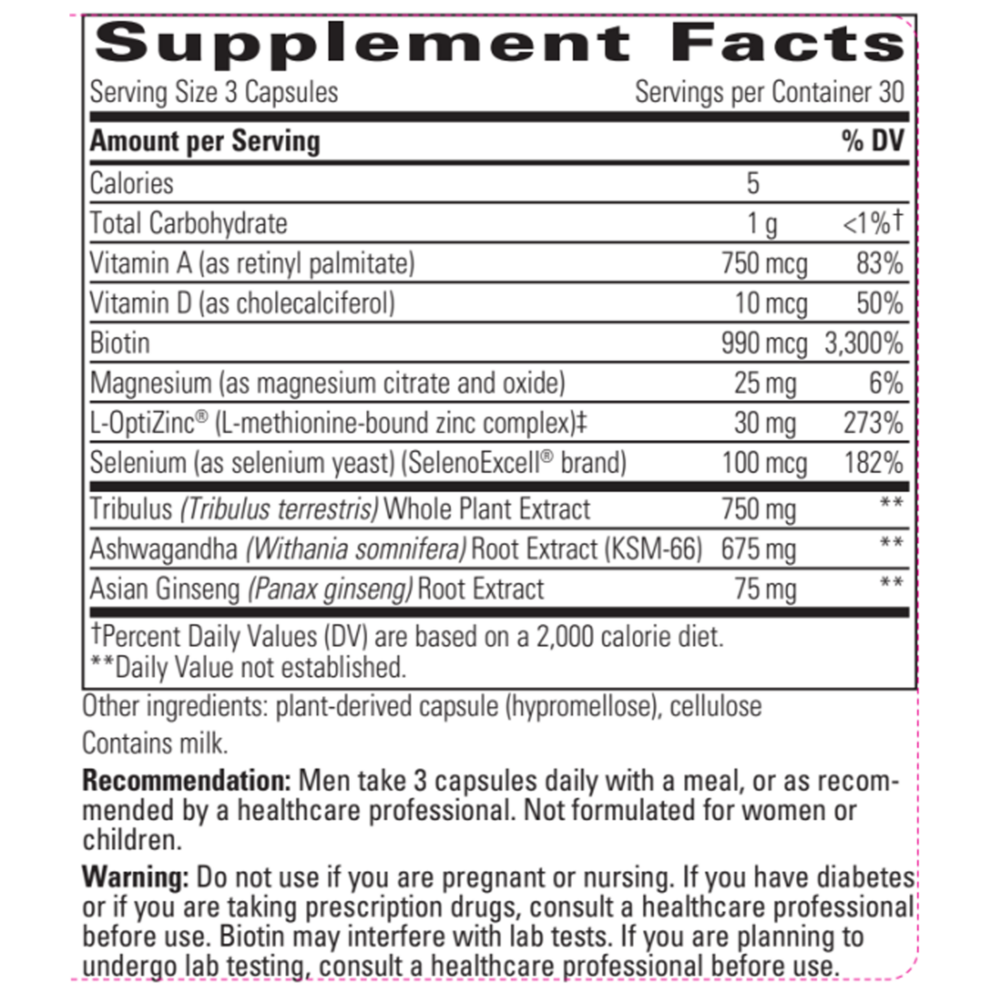
Integrative Therapeutics
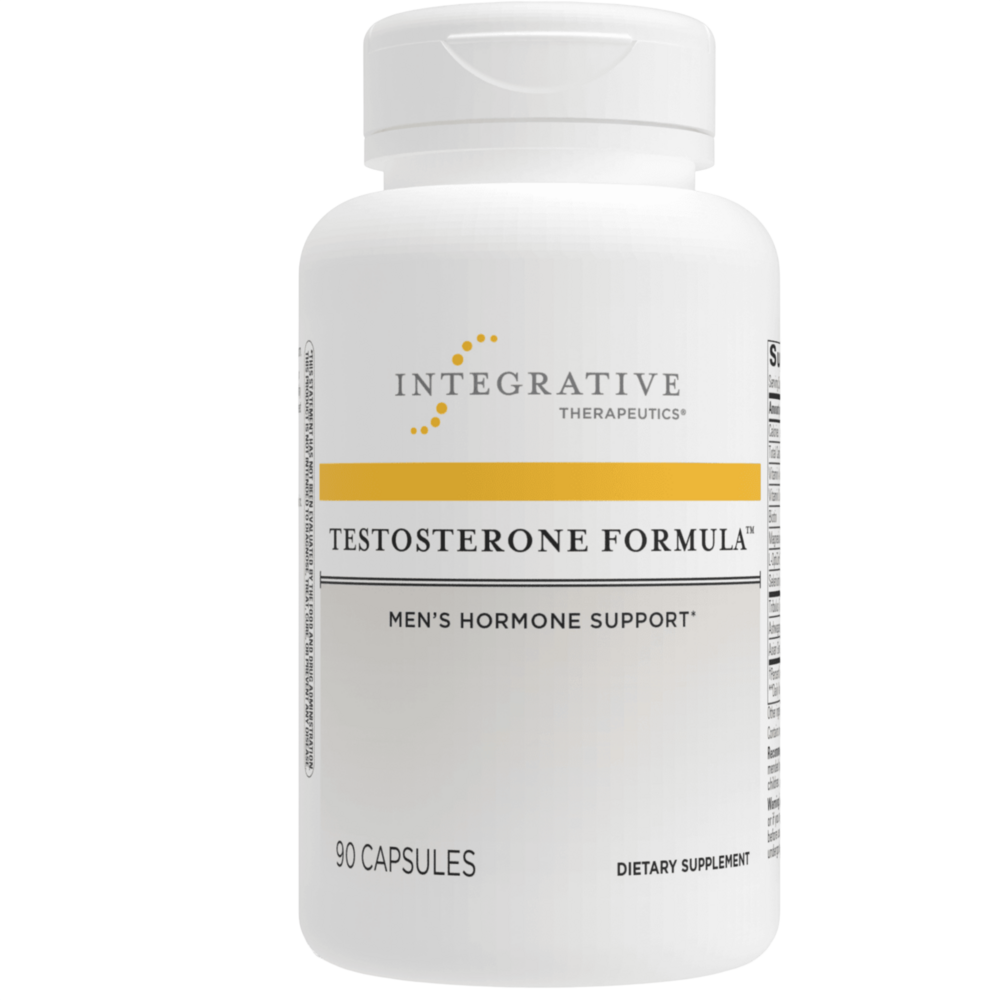
Testosterone Formula by Integrative Therapeutics
90 capsules · 30-day supply
A KSM-66 ashwagandha herbal-and-mineral blend for adult men$42.99
Purchase options
Practitioner-grade brand3rd-party testedFree shipping $50+
Gluten Free·Soy Free·Artificial Preservative Free·Wheat Free·Artificial Color Free·Artificial Flavor Free
Integrative Therapeutics Testosterone Formula overview
Testosterone Formula is a multi-ingredient herbal-and-mineral blend for adult men. It suits men who want a combined herbal-plus-mineral approach rather than a single isolated nutrient, and who are already attending to sleep, stress, training, and protein intake as the foundation. The formula is not designed for women or for use under the age of 18.
The formula combines KSM-66 ashwagandha (Withania somnifera), an adaptogen used in Ayurvedic practice, with tribulus (Tribulus terrestris) and Asian ginseng (Panax ginseng). Zinc as L-OptiZinc (a methionine-bound form), magnesium, vitamin A, vitamin D3, selenium as SelenoExcell selenium yeast, and biotin contribute mineral and vitamin cofactors. Zinc contributes to normal reproductive physiology.
The suggested use is three capsules daily with a meal, ideally breakfast or lunch to avoid potential sleep effects from ginseng taken late in the day. Most people settle the formula into a routine over the first one to two weeks and continue consistently for eight to twelve weeks before evaluating. Pair with seven to eight hours of sleep, regular resistance training, and adequate calories.
The formula is not for women or children. If you take prescription medications or have a chronic medical condition, talk to your clinician before starting and review the warnings below.
Frequently asked questions
How long should I take it before evaluating with my clinician?
A reasonable evaluation window is four to eight weeks of consistent daily use, with a longer-term assessment alongside your clinician around the eight-to-twelve-week mark.
Is 30 mg of zinc too much for daily use?
Short-term, 30 mg is generally well-tolerated. Over months, this dose can affect copper status. If using the formula beyond two to three months, consider checking copper status with your clinician or pairing with a small copper source.
When should I take it relative to caffeine or alcohol?
Coffee is fine, though combining caffeine with ginseng can feel more stimulating for some users. Alcohol and the formula's goals work against each other; if you drink, keeping it light and away from bedtime is sensible.
Is it safe with blood pressure or glucose-management medications?
Use caution. Ginseng and tribulus may have additive effects with these classes. Monitor home readings and coordinate any dose changes with your prescriber.
Can women take this formula?
It is not designed for women. Some ingredients can affect hormonal physiology in ways the formula was not designed for. Women looking for similar support should discuss tailored options with a clinician.
Can I combine it with prescription hormone therapy?
Coordinate with your clinician. The herbal components can affect energy, blood pressure, and other parameters relevant to your therapy plan. Standard monitoring (testosterone levels, PSA, hematocrit) applies.
Will biotin in the formula affect my lab work?
Biotin at higher doses can interfere with some lab assays (including some thyroid and cardiac tests). If you have lab testing scheduled, mention the supplement to your clinician and consider pausing it 48 to 72 hours before the draw.
How to take it & ingredients
Suggested use: Men take 3 capsules daily with a meal, or as recommended by your healthcare professional. Not formulated for women or children.
Active ingredients
3 capsules per serving · 30 servings
Vitamin A
As retinyl palmitate
As retinyl palmitate
750 mcg
Vitamin D
As cholecalciferol
As cholecalciferol
10 mcg
Biotin
990 mcg
Magnesium
As magnesium citrate
As magnesium citrate
25 mg
Zinc
As zinc L-methionine (L-OptiZinc® brand)
As zinc L-methionine (L-OptiZinc® brand)
30 mg
Sodium
10 mg
Selenium
As selenium yeast (SelenoExcell® brand)
As selenium yeast (SelenoExcell® brand)
100 mcg
Tribulus Whole Plant Extract
(Tribulus terrestris) 40% saponins
(Tribulus terrestris) 40% saponins
750 mg
Ashwagandha Root Extract
(Withania somnifera)(KSM-66® brand)
(Withania somnifera)(KSM-66® brand)
675 mg
Asian Ginseng Root Extract
(Panax ginseng) 7% ginsenosides
(Panax ginseng) 7% ginsenosides
75 mg
Other ingredients: Hydroxypropyl Methylcellulose (Vegetable Capsule), Cellulose
Certifications
Benefits
Warnings
Customers also considered
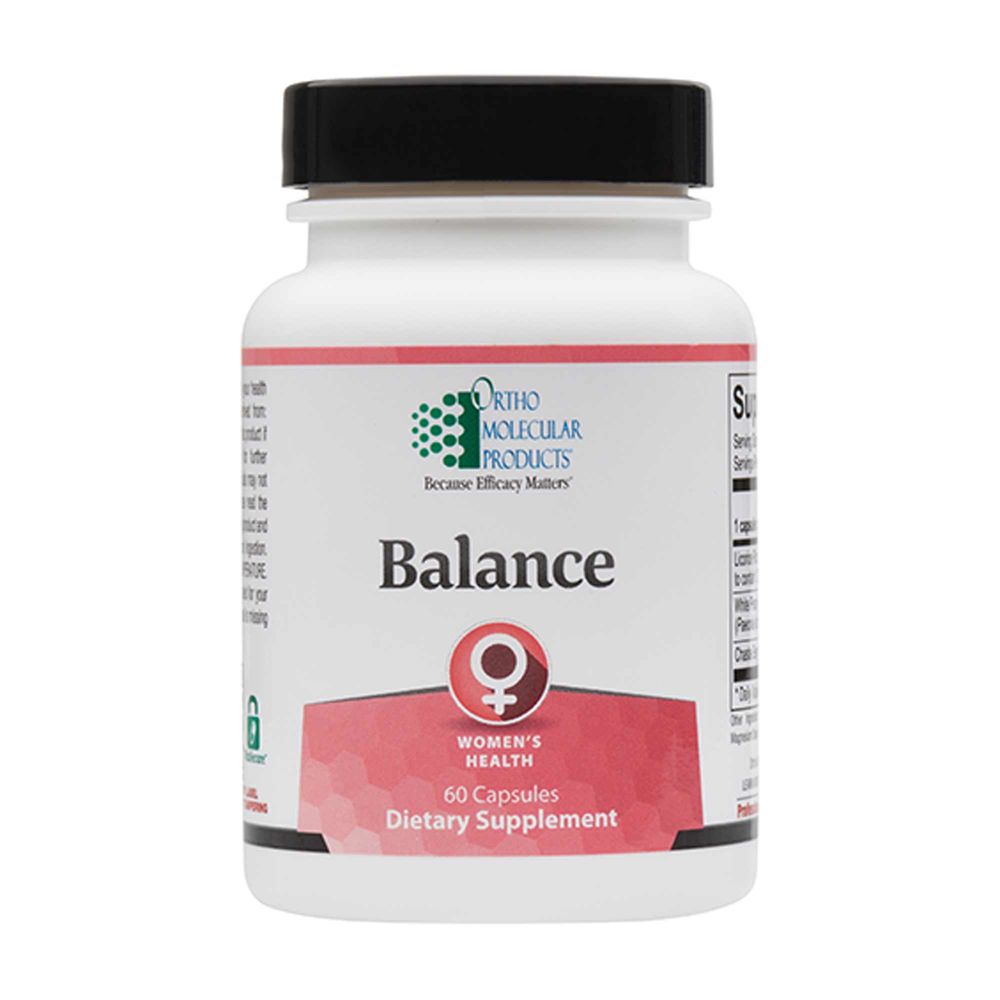
Balance
Ortho Molecular Products
60 capsules
$47.90$43.15 with Subscribe & Save
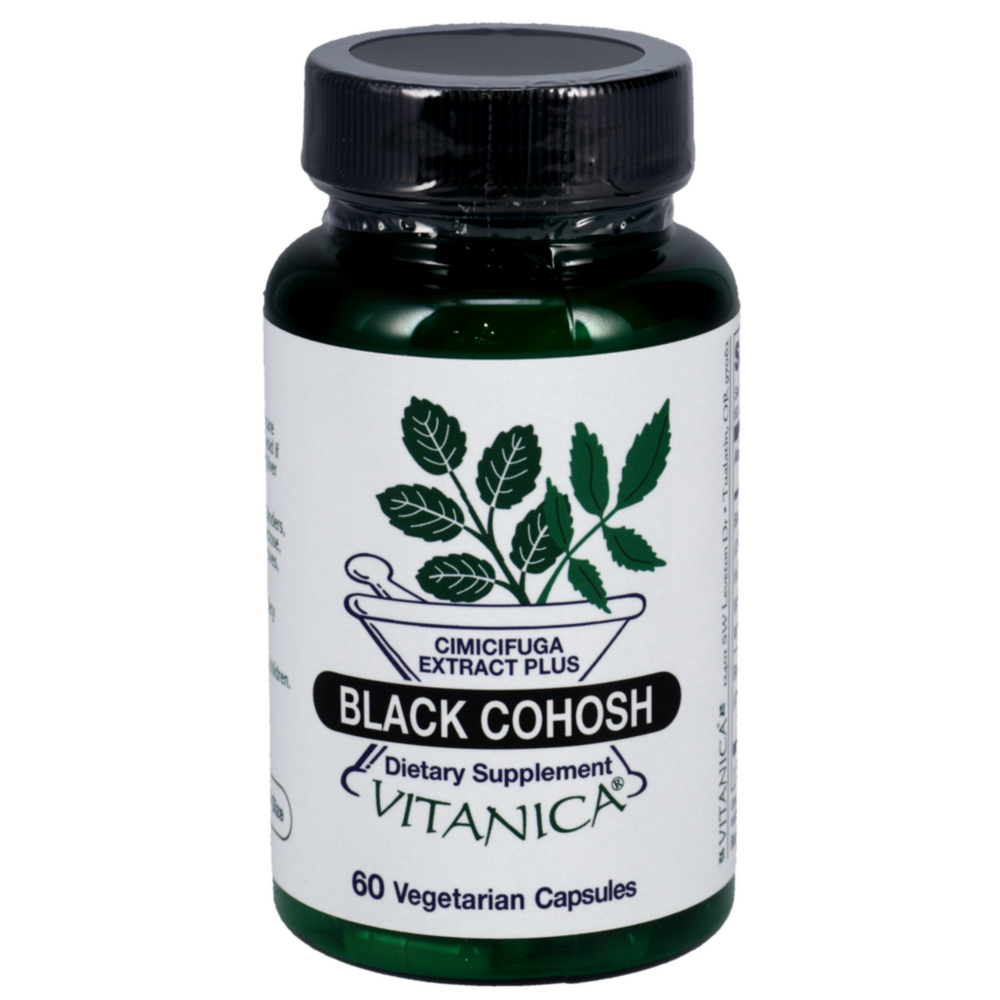
Black Cohosh
Vitanica
60 capsules
$17.99$13.99 with Subscribe & Save
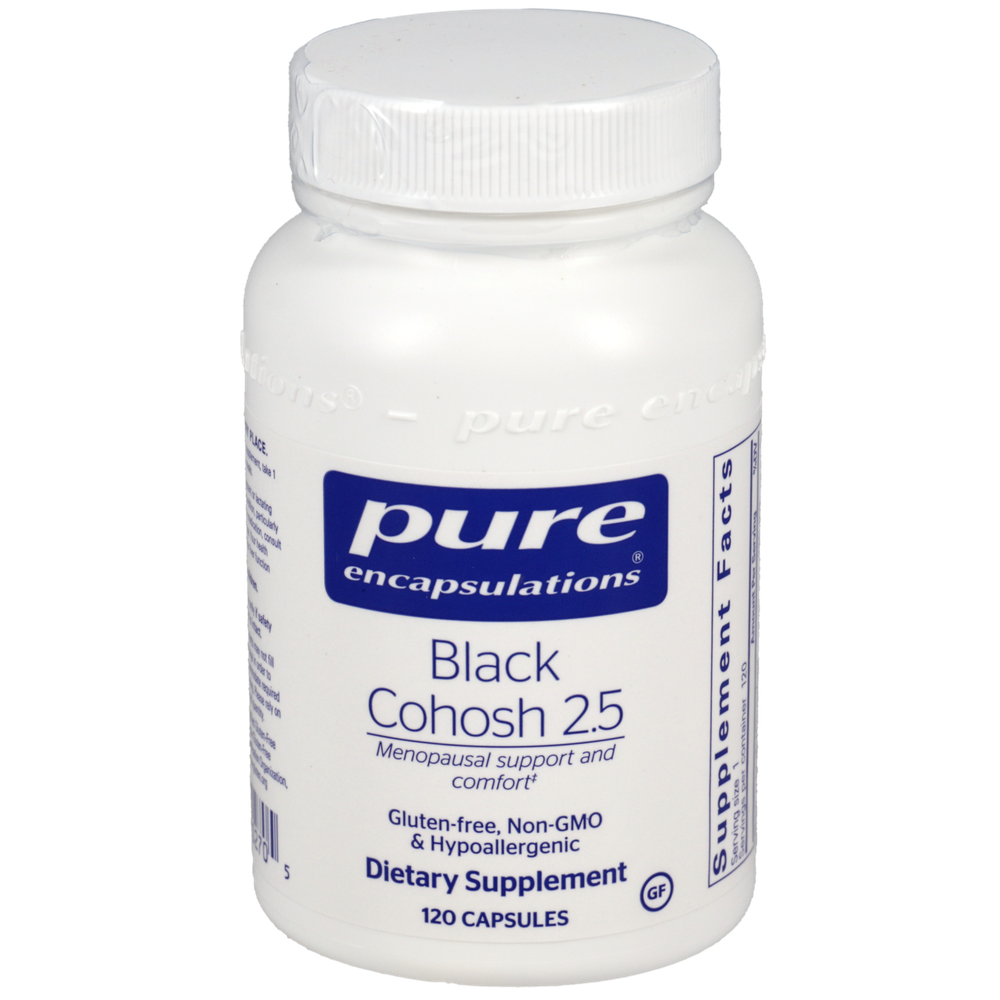
Black Cohosh 2.5
Pure Encapsulations
120 capsules
$53.00$41.99 with Subscribe & Save
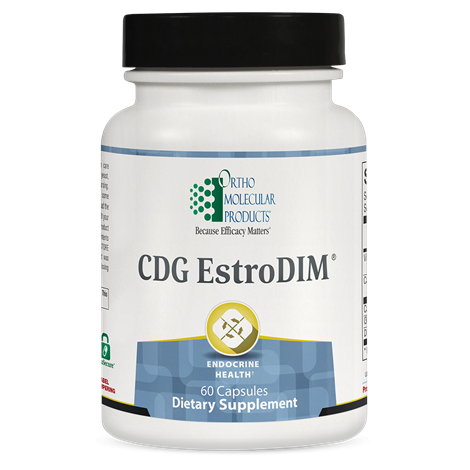
CDG EstroDIM
Ortho Molecular Products
60 capsules
$103.73$93.45 with Subscribe & Save