 Instalab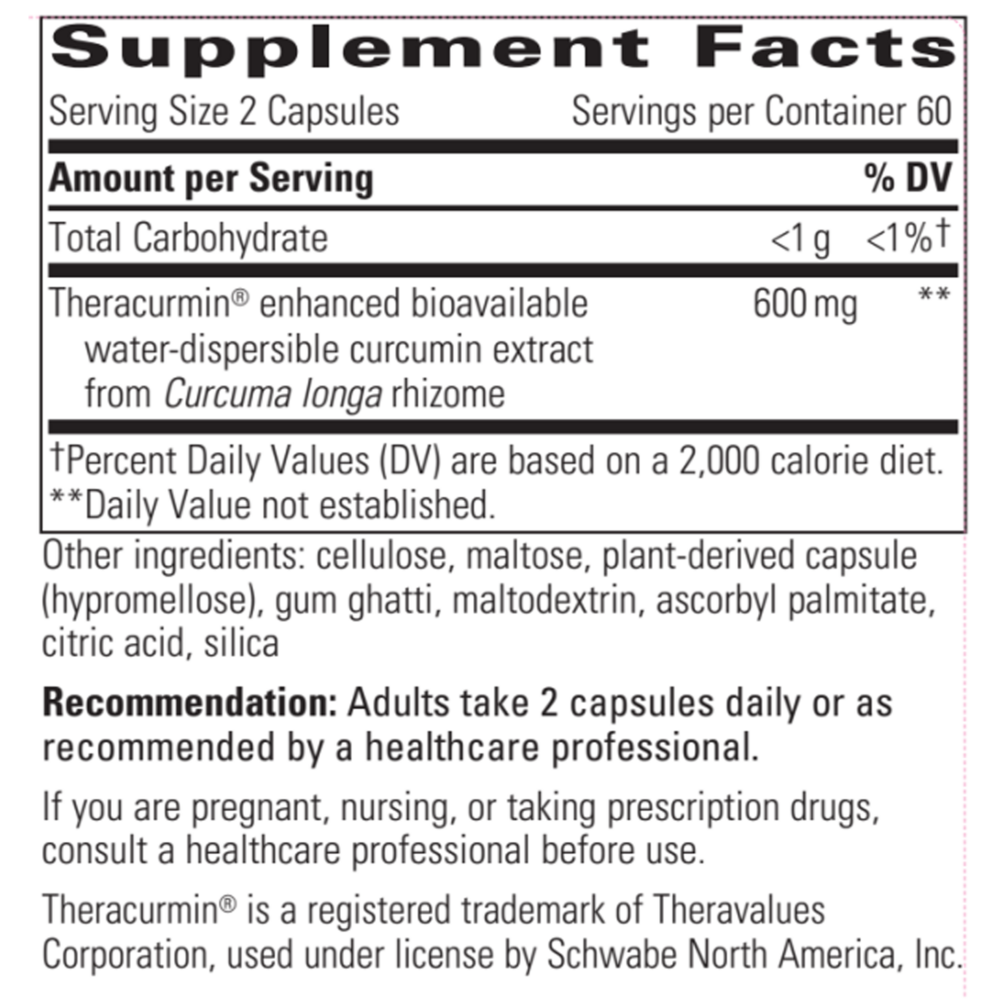

Integrative Therapeutics
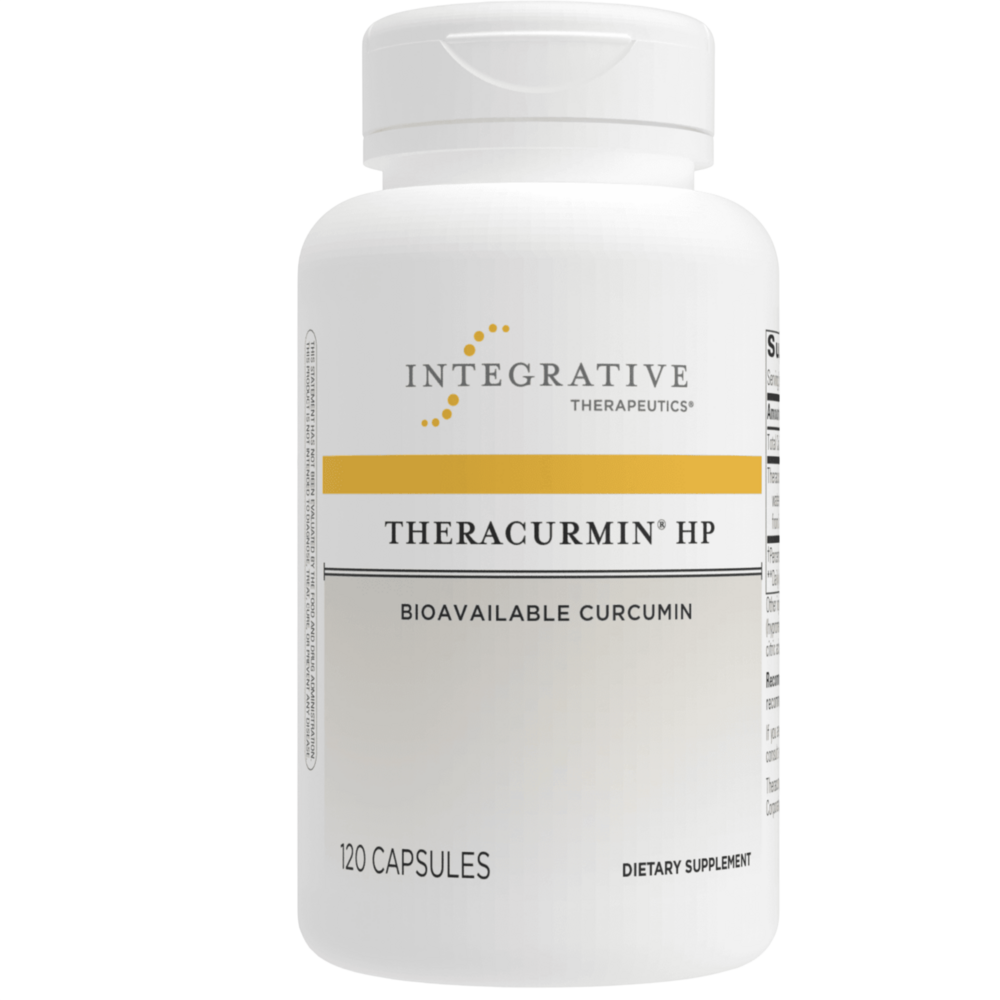
Theracurmin HP 600 mg by Integrative Therapeutics
120 capsules · 60-day supply
Enhanced Curcumin for Inflammation Support and Antioxidant Protection$93.99
Purchase options
Practitioner-grade brand3rd-party testedFree shipping $50+
Vegan·Vegetarian·Gluten Free·Soy Free·Dairy Free·Milk Free·
Integrative Therapeutics Theracurmin HP overview
If joint pain and stiffness limit training or daily activity, this bioavailable curcumin is worth a trial. It fits adults with knee osteoarthritis, athletes with overuse soreness, or anyone with elevated hs-CRP (a blood marker of systemic inflammation). It’s also a practical pick if you can’t tolerate regular NSAIDs. For those tracking labs, responders often see hs-CRP drift down within 4 to 8 weeks alongside symptom relief.
Standard turmeric extracts are poorly absorbed. This formula uses a water‑dispersible curcumin that creates tiny particles, raising blood levels over 20-fold versus typical extracts, so you need a lower dose to get a clinical effect. Curcumin downshifts NF‑kB (a switch that turns on inflammatory genes) and nudges immune signaling proteins called cytokines toward a calmer state, which explains reductions in joint pain and modest drops in hs-CRP seen in some trials.
Take two capsules daily as directed, preferably with food to minimize stomach upset. Because this curcumin is water‑dispersible, it doesn’t depend on a fatty meal for absorption. Splitting the dose (morning and evening) can smooth levels if pain is persistent. Expect a fair test to take 4 to 8 weeks. If you’re already on a turmeric supplement, don’t stack—switch and reassess symptoms and hs-CRP after a month.
Use caution with blood thinners or antiplatelet drugs (warfarin, apixaban, clopidogrel); bleeding risk is additive. Avoid with gallstones or bile duct blockage, since curcumin can stimulate bile flow. If you have iron deficiency, turmeric can hinder iron absorption—monitor Ferritin. Rare liver enzyme elevations have been reported with high-bioavailability curcumin; if your ALT or AST are high, involve your clinician. Pregnancy and active cancer therapy require oncology or obstetric guidance.
Frequently asked questions
How long does curcumin take to work for joint pain?
Most people who respond notice less stiffness and pain within 4 to 8 weeks. Some feel easier movement earlier, but give it a full month before judging. Track symptoms and, if you use labs, recheck hs-CRP after 6 to 8 weeks.
Can I take curcumin with ibuprofen or naproxen?
It’s better not to combine regularly without medical advice. Curcumin can have mild blood-thinning effects, which may add to NSAID-related bleeding risk. If you need both, use the lowest effective NSAID dose and discuss with your clinician.
Does curcumin thin your blood?
Curcumin can modestly affect platelet activity, which can increase bleeding tendency when combined with blood thinners or high-dose NSAIDs. On its own, the effect is usually small, but caution is warranted if you bruise or bleed easily.
Is curcumin safe if I have gallstones?
No. Curcumin can stimulate bile flow and may worsen pain or trigger complications in people with gallstones or bile duct obstruction. Skip it and discuss alternatives with your clinician.
Will curcumin upset my stomach?
Some people notice nausea, reflux, or loose stools, especially when starting. Taking it with food and splitting the dose usually helps. If symptoms persist, stop and reassess the dose or formulation with your clinician.
Can I use curcumin during chemotherapy or radiation?
Don’t start without your oncology team’s approval. Curcumin can interact with drug metabolism and may not be appropriate with certain regimens. If approved, timing it away from treatment days is often advised.
Does curcumin affect iron levels?
Turmeric compounds can reduce iron absorption. If you have low Ferritin or are on iron therapy, separate dosing by several hours and recheck labs after a few weeks to ensure you’re repleting as expected.
How to take it & ingredients
Suggested use: Adults take 2 capsules daily or as recommended by your healthcare professional.
Active ingredients
2 capsules per serving · 60 servings
Theracurmin®
Enhanced bioavailable water-dispersible curcumin extract (180 mg) from Curcuma longa rhizome
Enhanced bioavailable water-dispersible curcumin extract (180 mg) from Curcuma longa rhizome
600 mg
Other ingredients: Cellulose, Maltose, Hydroxypropyl Methylcellulose (Vegetable Capsule), Gum Ghatti, Maltodextrin, Ascorbyl Palmitate, Citric Acid, Silicon Dioxide
Certifications
Benefits
Warnings
Customers also considered
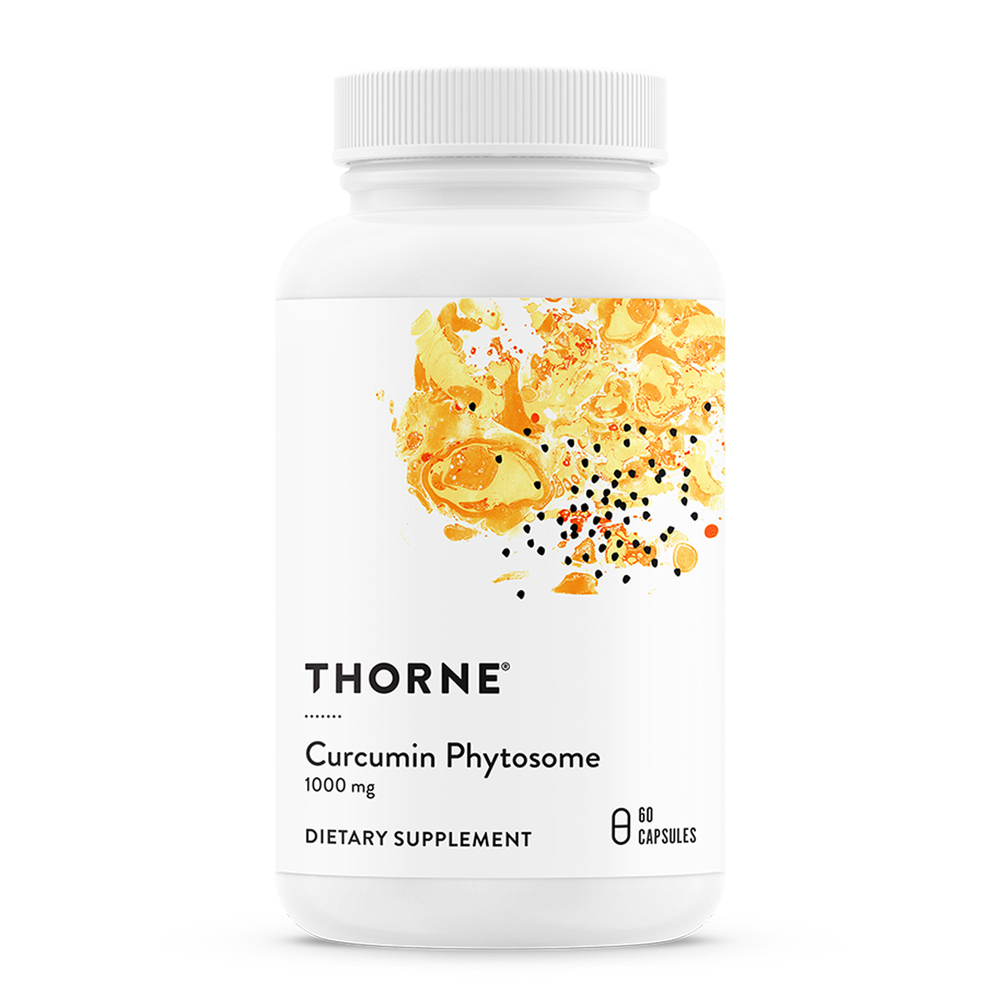
Curcumin Phytosome
Thorne
60 capsules
$36.00$32.40 with Subscribe & Save
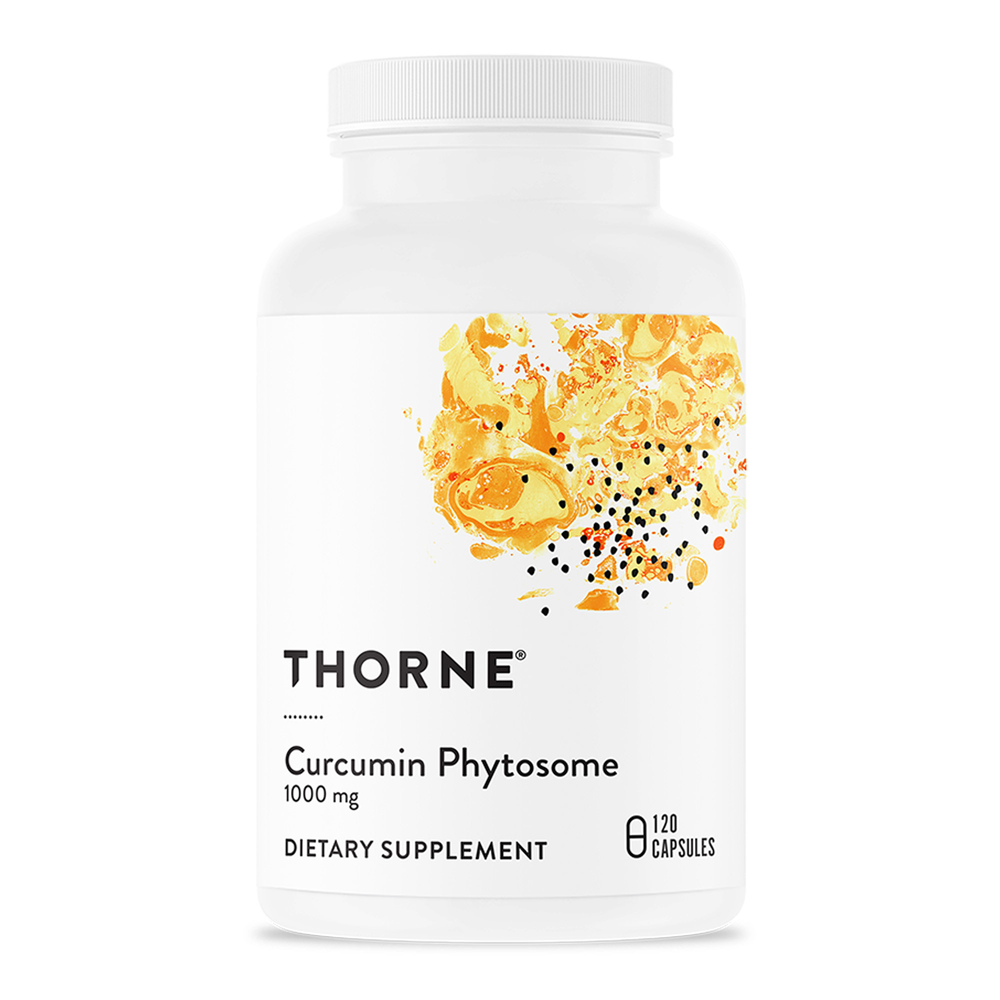
Curcumin Phytosome NSF Sport
Thorne
120 capsules
$68.00$61.20 with Subscribe & Save
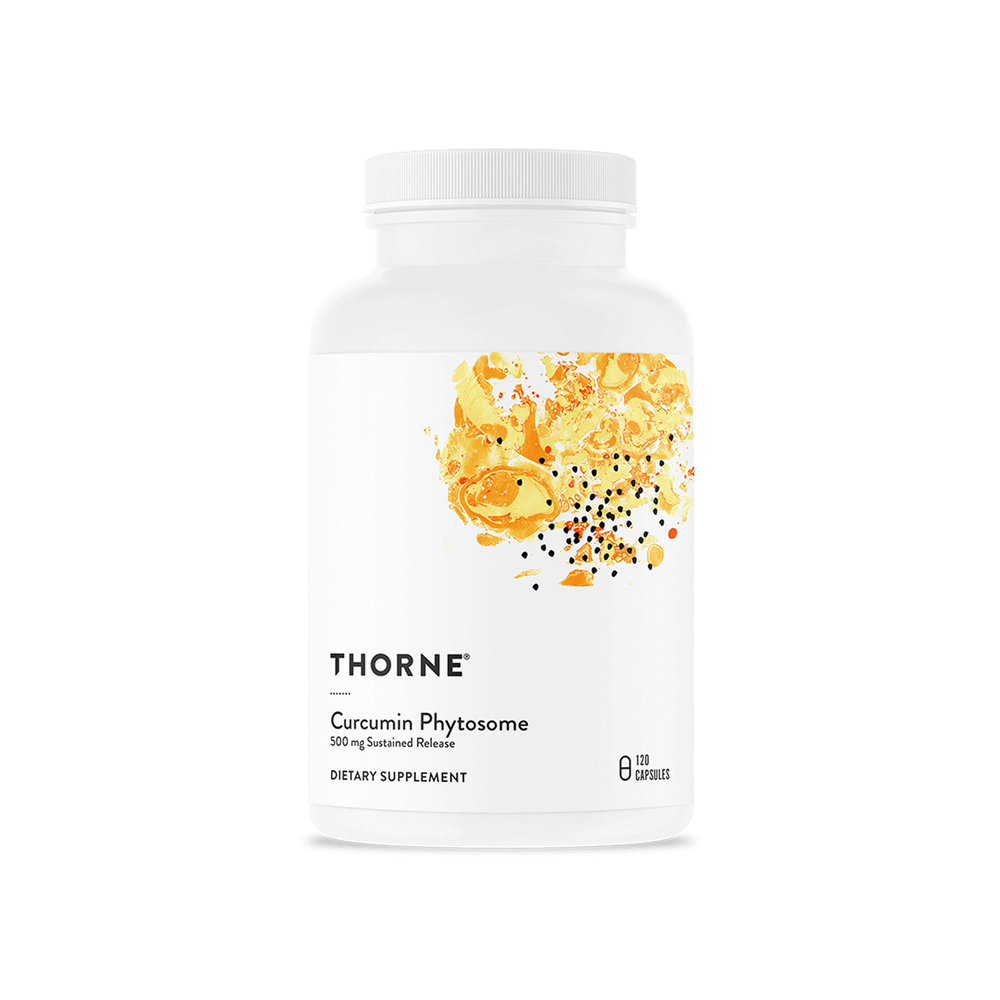
Curcumin Phytosome Sustained Released
Thorne
120 capsules
$49.00$44.10 with Subscribe & Save
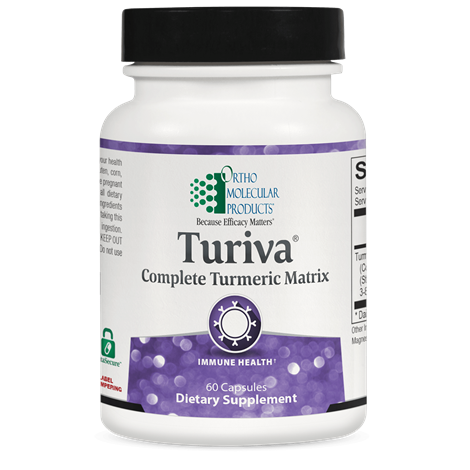
Turiva®
Ortho Molecular Products
60 capsules
$70.10$63.15 with Subscribe & Save