 Instalab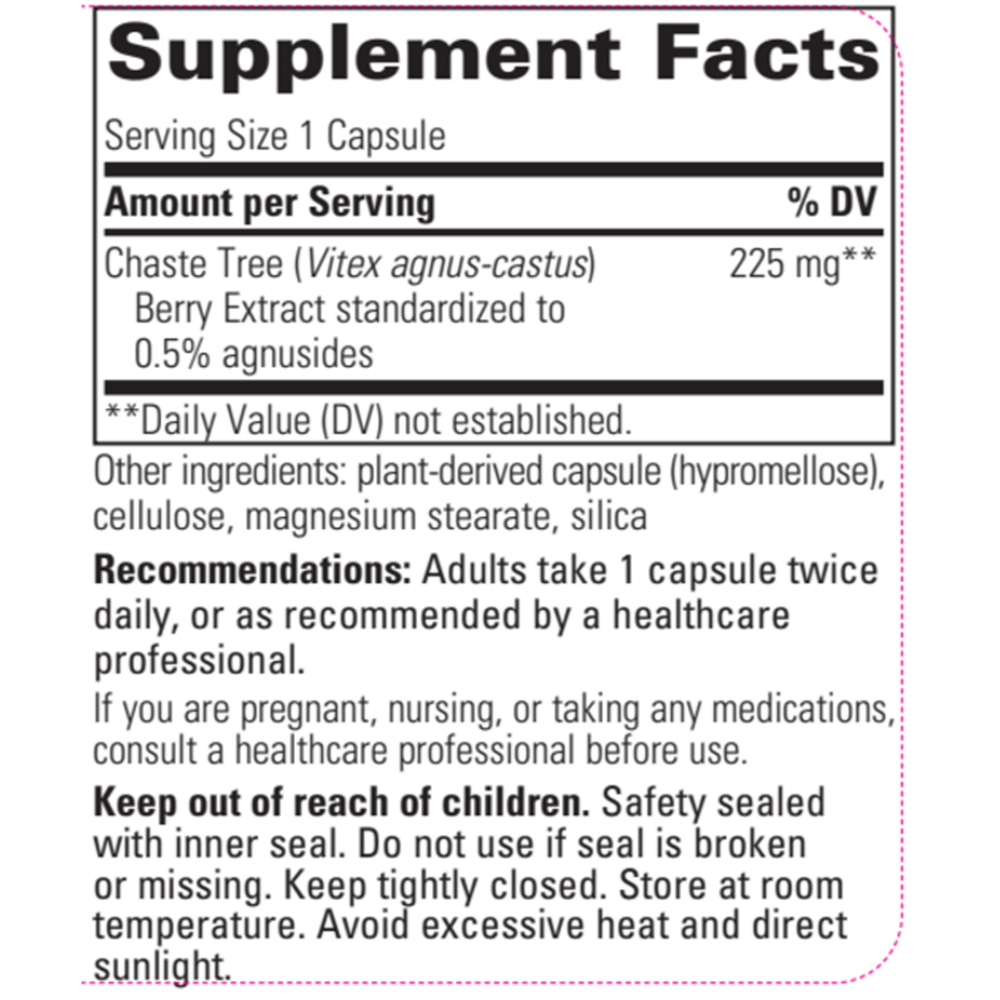
Integrative Therapeutics
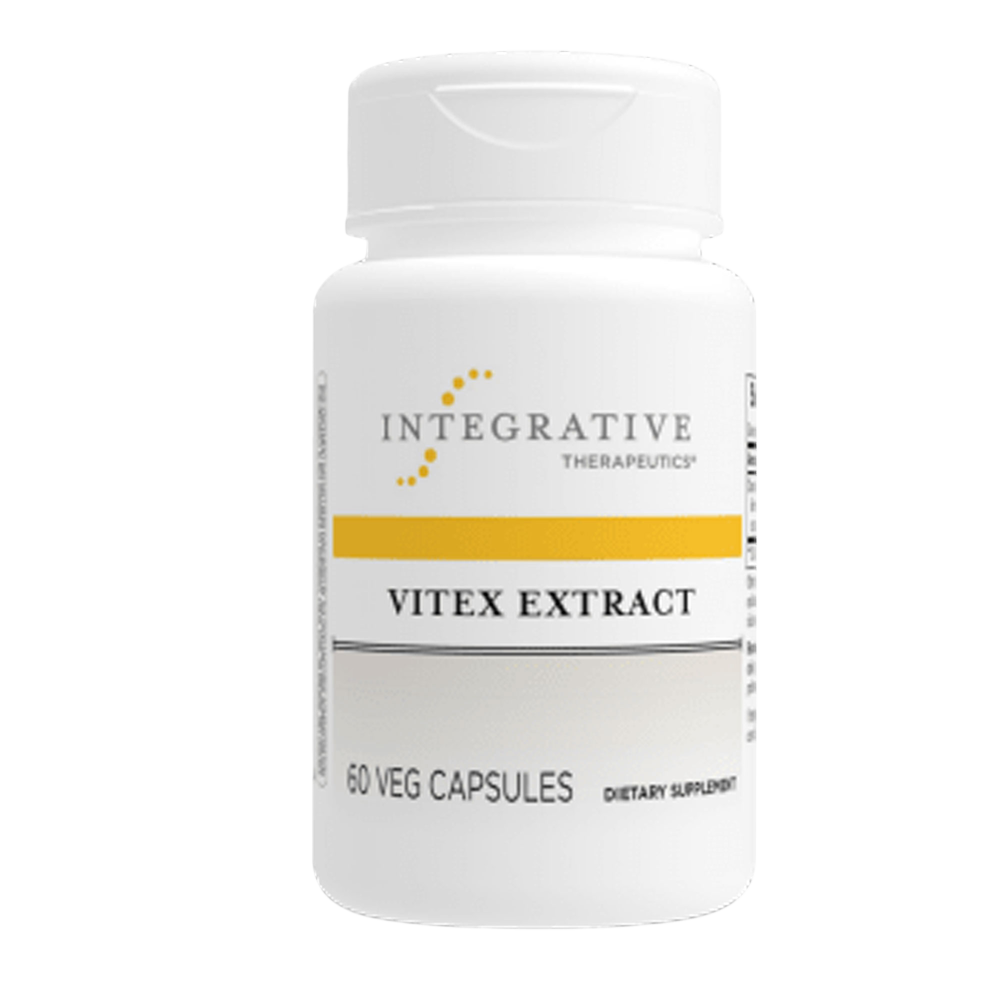
Vitex Extract 225 mg by Integrative Therapeutics
60 capsules · 60-day supply
Support for Hormonal Balance and Menstrual Health$27.99
Purchase options
Practitioner-grade brand3rd-party testedFree shipping $50+
Vegan·Vegetarian·Gluten Free·Soy Free·Dairy Free·Wheat Free·
Integrative Therapeutics Vitex Extract overview
If PMS is your main complaint—irritability, bloating, and especially cyclic breast tenderness—vitex (chaste tree berry) is one of the few herbs with randomized-trial support. It also fits if your cycles are irregular after stopping hormonal birth control, or if labs suggest a short luteal phase: low mid‑luteal Progesterone (the hormone that stabilizes the second half of the cycle) or mildly elevated Prolactin (the pituitary signal that can blunt ovulation). Track symptoms and, if possible, repeat Progesterone or Prolactin after 8 to 12 weeks.
Vitex acts at the pituitary, nudging dopamine receptors that quiet Prolactin release. Lower Prolactin can normalize ovulation signals and improve luteal function, which is why mid‑luteal Progesterone sometimes rises in responders. The result for many is fewer PMS symptoms and more predictable cycles. Despite old marketing, vitex is not meaningfully estrogenic; its benefits come from this prolactin–progesterone shift, not from adding plant estrogens.
Take one capsule twice daily, with or without food, at roughly the same times. Consistency matters more than timing. Most people need 2 to 3 full cycles to judge benefit; some notice changes by the second month. Reassess at three months. If pregnancy occurs, stop immediately. This standardized extract (0.5% agnusides) is a maintenance-to-therapeutic range for PMS; persistent luteal phase issues deserve clinician follow-up and repeat labs.
Avoid during pregnancy or breastfeeding, and skip if you have a known pituitary disorder or are on dopamine-active drugs like cabergoline, bromocriptine, or antipsychotics. Do not pair with hormonal contraceptives; their dosing is fixed and vitex can work against them. If you’re in fertility treatment cycles, clear vitex with your reproductive endocrinologist. New severe headaches, skin rash, or cycle changes that persist beyond three months warrant stopping and reassessment.
Frequently asked questions
How long does vitex take to work for PMS?
Plan on 2–3 menstrual cycles. Some people notice less breast tenderness or irritability by 4–8 weeks, but full effect is usually judged after three cycles. If nothing changes by then, it’s reasonable to stop or re-evaluate dosing and labs.
Does vitex increase progesterone?
In some responders, yes indirectly. By lowering Prolactin (which can suppress ovulation signals), vitex can improve luteal function and raise mid‑luteal Progesterone. Check a mid‑luteal Progesterone test after 8–12 weeks to see if it moved.
Can I take vitex with birth control pills?
Don’t combine them. Hormonal contraceptives work by tightly controlling ovulation signals, and vitex can counter those signals. Use one strategy or the other, and speak with your clinician if you’re transitioning off pills.
Is vitex safe in pregnancy or while breastfeeding?
No for pregnancy, and generally avoid while breastfeeding. Stop vitex as soon as you have a positive test. Because it can alter pituitary hormones, it isn’t considered a nursing-friendly herb unless prescribed by a clinician.
What labs should I check when using vitex?
Prolactin and mid‑luteal Progesterone are the most informative. If cycles are irregular, your clinician may also look at LH and FSH (the ovulation signals) and TSH (thyroid) to rule out other causes of PMS or cycle changes.
Are there side effects with vitex?
Most tolerate it well. Possible effects include mild nausea, headache, rash, or temporary cycle shifts. These usually settle within one to two cycles. Stop and seek care for severe headaches, hives, or persistent abnormal bleeding.
Can vitex help with fertility or short luteal phases?
It can in cases linked to mildly high Prolactin or weak ovulation. Some see longer luteal phases and improved mid‑luteal Progesterone after 2–3 cycles. If you’re pursuing conception or IVF, coordinate use with your fertility clinician.
How to take it & ingredients
Suggested use: Adults: Take 1 capsule twice daily, or as recommended by your healthcare professional.
Active ingredients
1 capsule per serving · 60 servings
Chaste Tree
(Vitex agnus-castus) Berry Extract standardized to contain 0.5% agnusides (1 mg)
(Vitex agnus-castus) Berry Extract standardized to contain 0.5% agnusides (1 mg)
225 mg
Other ingredients: Plant-Derived Capsule (Hypromellose), Magnesium Stearate, Silica
Certifications
Benefits
Warnings
Customers also considered
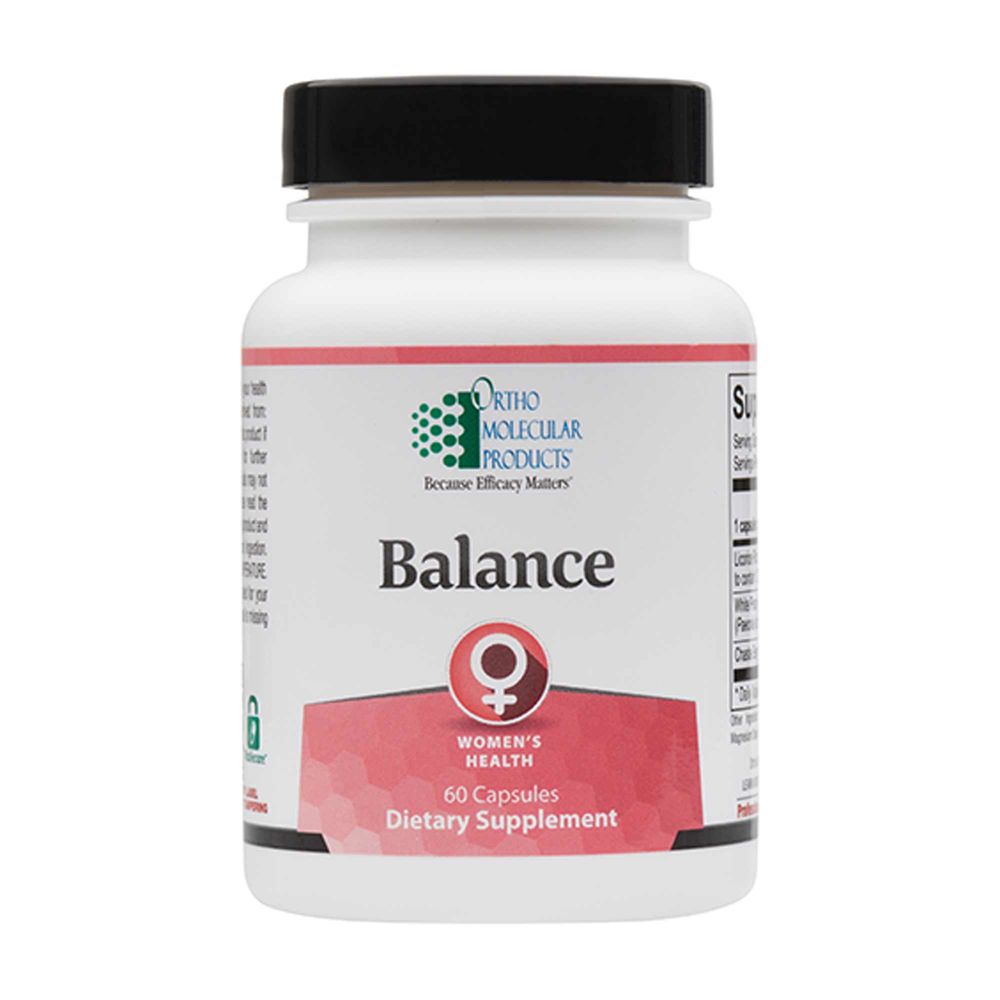
Balance
Ortho Molecular Products
60 capsules
$47.90$43.15 with Subscribe & Save
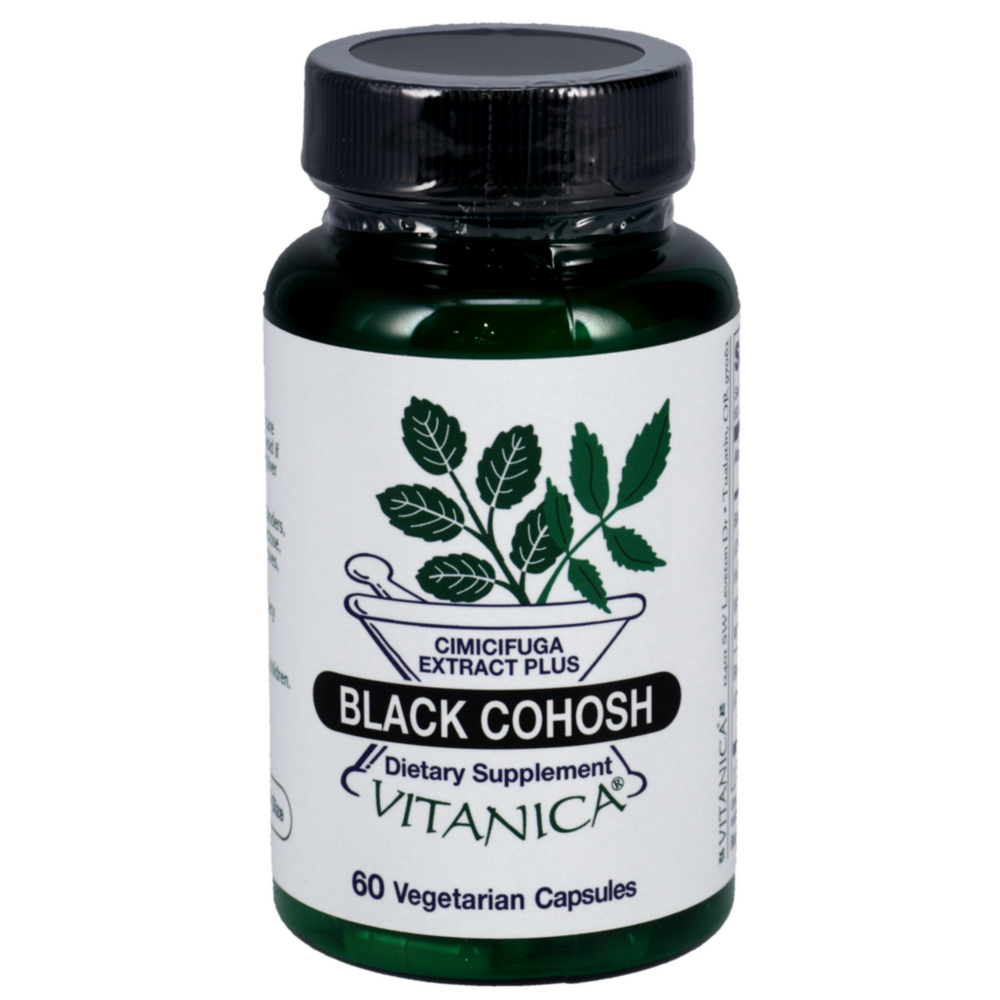
Black Cohosh
Vitanica
60 capsules
$17.99$13.99 with Subscribe & Save
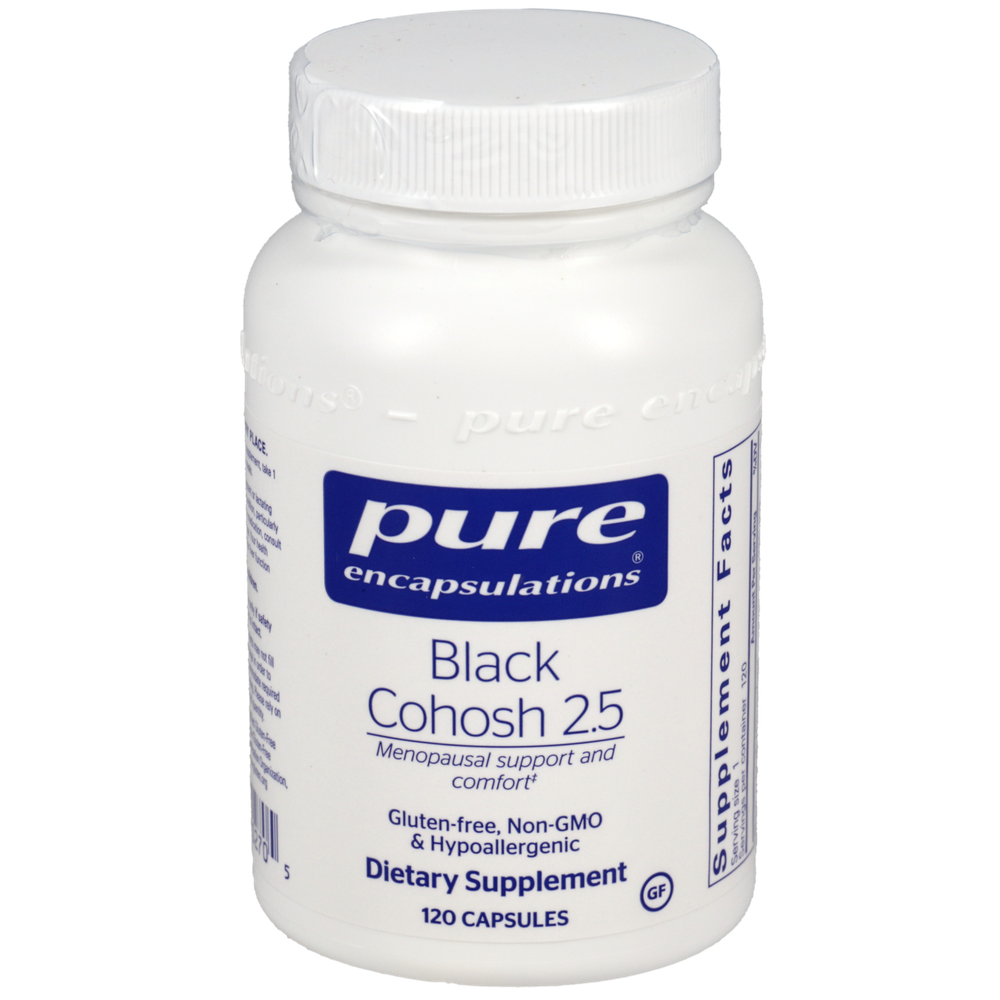
Black Cohosh 2.5
Pure Encapsulations
120 capsules
$53.00$41.99 with Subscribe & Save
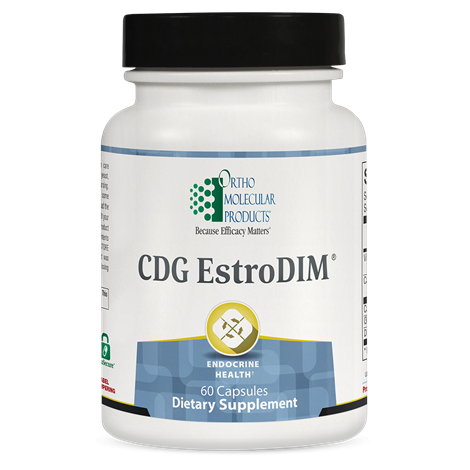
CDG EstroDIM
Ortho Molecular Products
60 capsules
$103.73$93.45 with Subscribe & Save