 Instalab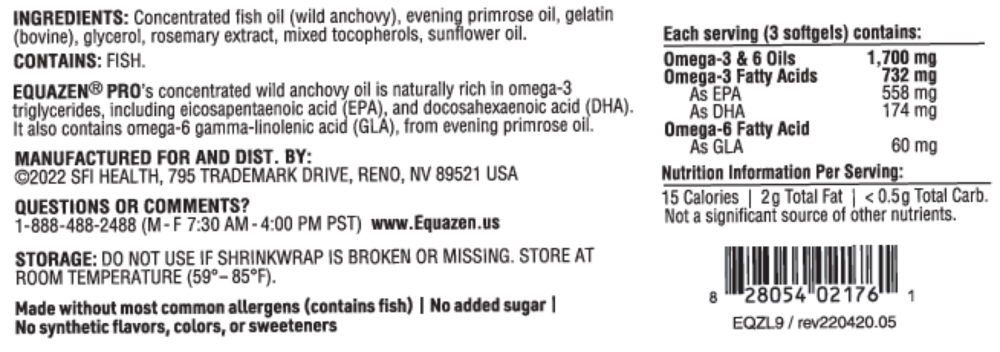

Klaire Labs/SFI Health
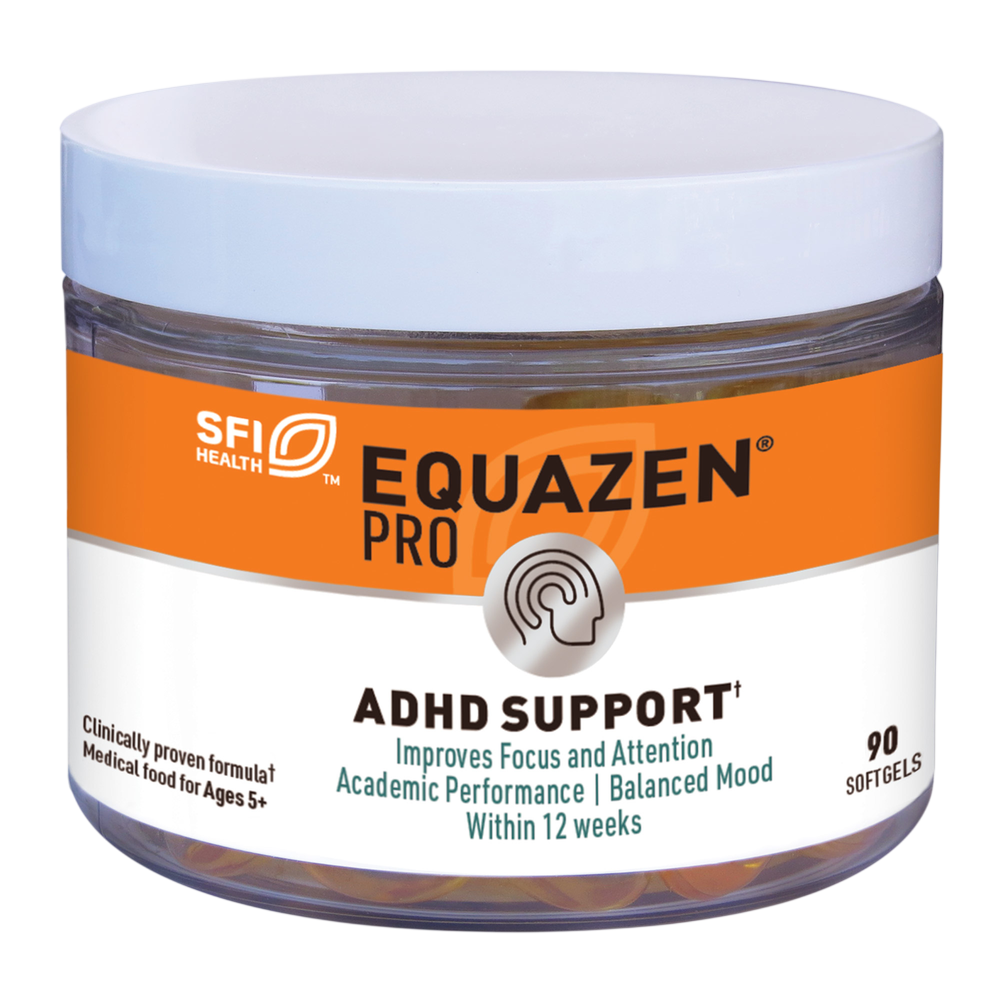
Equazen Pro by Klaire Labs/SFI Health
90 softgels
Omega-3 & Omega-6 Fatty Acids for Cognitive and Visual Health$50.99
This item is currently out of stockGet notified when this item is back in stock
Practitioner-grade brand3rd-party testedFree shipping $50+
Klaire Labs/SFI Health Equazen Pro overview
If you eat little seafood and your Omega-3 Index is low, this omega-3 and omega-6 supplement fits a focus-and-vision goal better than plain fish oil. It’s geared to adults who want help with attention, mental stamina, or dry, tired eyes from heavy screen time. The EPA‑heavy balance is not built for big triglyceride drops; if your triglycerides are elevated, a higher-dose fish oil is usually needed.
EPA and DHA are long-chain omega-3s from fish. EPA reduces how much fat your liver pushes into VLDL particles (the carriers that show up as triglycerides) and nudges cells to burn fats for energy faster. DHA concentrates in the retina and brain, where it helps nerve membranes work efficiently. The added GLA (gamma‑linolenic acid) from evening primrose oil converts to signaling molecules that balance those made from arachidonic acid (an omega‑6 your body uses to make inflammatory signals). This EPA‑forward plus modest GLA pattern has clinical data for attention in children and for dry-eye comfort; adults typically need 8 to 12 weeks of steady intake to judge response. Inflammation markers like hs-CRP (a blood marker of systemic inflammation) sometimes fall in responders.
Take three softgels daily with food, ideally your largest meal to improve absorption and reduce fishy aftertaste. Once-daily is fine; splitting with meals is also acceptable if your stomach is sensitive. Stay consistent for 8 to 12 weeks before reassessing attention, visual comfort, or your Omega-3 Index. If you also take a multivitamin, spacing is optional—there’s no meaningful competition for absorption.
Skip or clear with your clinician if you have a fish allergy, a known reaction to evening primrose/borage oils, a seizure disorder, or take phenothiazines (older antipsychotics), as GLA oils have case reports of lowering seizure threshold. On blood thinners like warfarin or DOACs (prescription anticoagulants), the bleeding effect at this dose is small but still worth checking. Pregnancy or breastfeeding: choose a prenatal-focused DHA/EPA fish oil unless your obstetric clinician advises this blend.
Frequently asked questions
How long does omega-3 and omega-6 take to work for focus?
Give it 8 to 12 weeks of daily use. That’s the window where attention and mental stamina changes, if they happen, usually show up. If nothing has shifted by 12 weeks, consider a higher EPA dose or a different strategy with your clinician.
Will this help dry eyes from screen use?
It can. DHA supports the retina, and GLA helps the oily layer of the tear film. People who respond often notice less grittiness and fewer artificial tears within 6 to 12 weeks. If symptoms persist, see an eye professional to check for other causes.
Does fish oil thin your blood?
At typical doses, omega-3s slightly reduce platelet stickiness, but bleeding complications are rare. If you’re on warfarin, a direct oral anticoagulant, or high-dose aspirin, check with your clinician and report any unusual bruising or nosebleeds.
What labs should I track while taking this?
Useful labs include the Omega-3 Index to gauge tissue levels, the arachidonic acid to EPA ratio (balance of omega-6 to omega-3 signaling), hs-CRP for inflammation, and a standard lipid panel for triglycerides. Recheck after 8 to 12 weeks.
Is this better than regular fish oil for attention?
For attention goals, an EPA-forward fish oil with a little GLA has more supportive evidence than generic blends. For triglyceride lowering, larger total omega-3 doses of EPA+DHA are usually more effective than this balanced formula.
Can I take this with ADHD medication or antidepressants?
Generally yes. Omega-3s and GLA don’t have direct interactions with stimulants or most antidepressants. Still, coordinate with your prescriber, especially if you have a seizure history or are on older antipsychotics (phenothiazines).
How do I avoid fishy burps?
Take the softgels with a full meal, keep the bottle sealed and stored cool, and try bedtime dosing. If you’re very sensitive, refrigerate the capsules or switch to an enteric-coated version of omega-3s.
How to take it & ingredients
Suggested use: Adults take three softgels daily, with food, or as directed by your healthcare professional.
Certifications
Benefits
Warnings