
 Instalab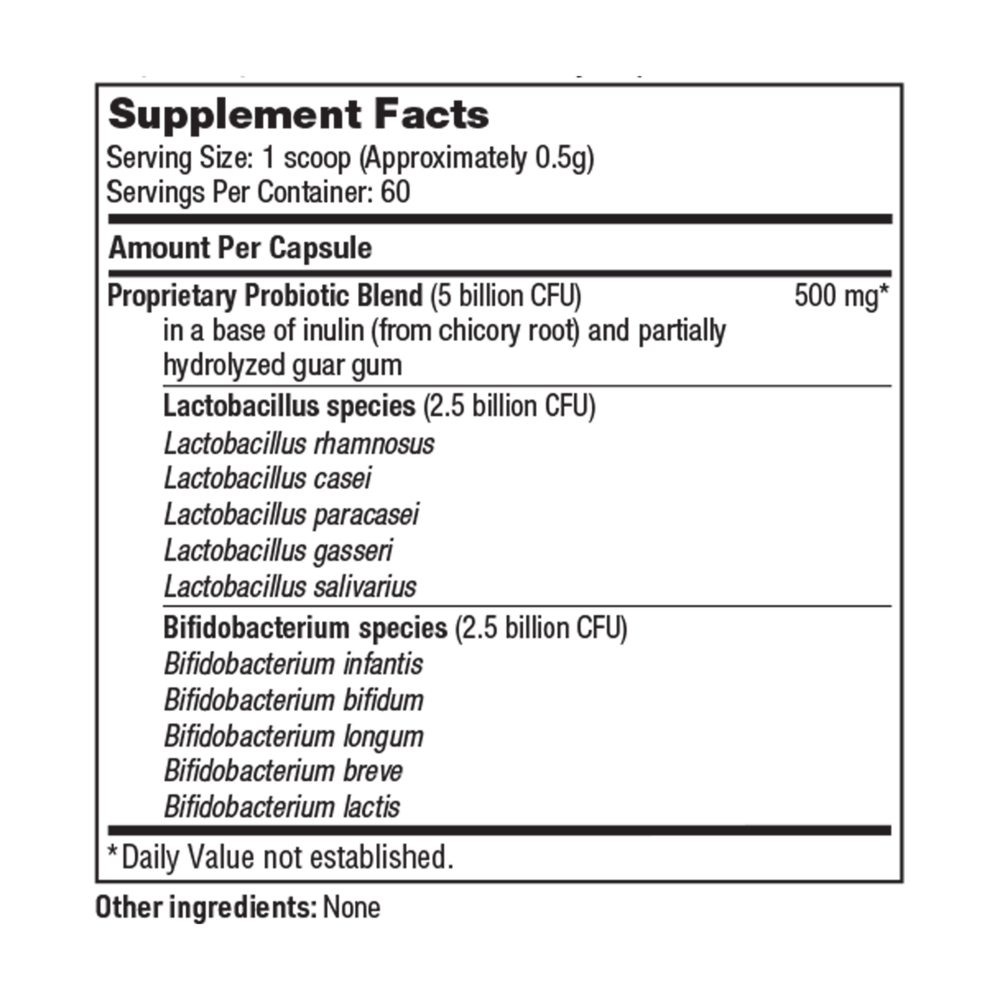
Klaire Labs/SFI Health
Ther-Biotic® Baby by Klaire Labs/SFI Health
34.5 grams
Gentle Probiotic Support for Infants' Digestive Health$26.99
This item is currently out of stockGet notified when this item is back in stock
Practitioner-grade brand3rd-party testedFree shipping $50+
Klaire Labs/SFI Health Ther-Biotic® Baby overview
Babies born by C‑section or started on formula often get a slower start on friendly gut bacteria, which is where an infant probiotic can help. It’s also reasonable after antibiotics, during a formula change, or when stooling is irregular. If your baby is breastfed and thriving with easy stools and minimal gas, a daily probiotic is optional rather than essential, but still a low-risk way to maintain a Bifidobacteria-forward gut in early life.
Probiotics add live Lactobacillus and Bifidobacterium strains that compete with nuisance microbes and lower gut pH, making the intestine less welcoming to pathogens. In breastfed infants they also work with human milk oligosaccharides (the prebiotic sugars in breast milk) to favor Bifidobacteria. These bacteria help train mucosal IgA (the antibody lining the gut) and generate short-chain fatty acids (small fuel molecules) that calm gut inflammation. Evidence for colic and eczema is strain-specific, so expect modest, not dramatic, changes.
Mix the 1/4 teaspoon once daily into a small amount of breast milk, formula, or soft food, and give during a feeding. Avoid hot liquids that can kill live bacteria. If your pediatrician recommends use alongside antibiotics, separate the probiotic by at least 2–3 hours. Most families see softer, more regular stools and less gassiness within 1 to 3 weeks; keep daily use for continuity. Check the label for storage instructions, as some probiotics are kept refrigerated.
Skip probiotics and speak with your pediatrician if your infant is premature and still hospitalized, has a central line, is severely immunocompromised (very low white cells), or has complex gut disease like short bowel. Rare bloodstream infections from probiotics are reported in these settings. If your child has cow’s milk protein allergy or multiple food allergies, review the excipients and strain list with your clinician before starting.
Frequently asked questions
Do infant probiotics help with colic?
They can, but results depend on the strain and the baby. Some strains reduce crying time over 2–4 weeks, especially in breastfed infants. Others show little change. Give it daily for a few weeks before judging effect, and discuss options with your pediatrician.
How long does an infant probiotic take to work?
For stool regularity and gas, many parents notice changes within 1 to 3 weeks. Immune-related benefits, like fewer minor infections, are harder to see day to day and require consistent use over months if recommended by your clinician.
Can I give a probiotic with antibiotics to my baby?
Yes, but separate them by 2–3 hours so the antibiotic is less likely to kill the probiotic strains. Continue for at least a week after the antibiotic course. Always confirm with your pediatrician for infants under 6 months.
Is an infant probiotic safe for newborns?
For healthy term newborns, probiotics are generally considered safe. Avoid in premature or critically ill infants, those with central lines, or severe immune problems, unless a neonatologist specifically recommends a product and strain.
What side effects should I expect from baby probiotics?
The most common are mild, temporary gas or looser stools in the first few days as the gut adjusts. These usually settle with continued use. Stop and call your pediatrician if you see persistent vomiting, blood in stool, fever, or poor feeding.
Does an infant probiotic help eczema or reflux?
Evidence for eczema prevention and reflux relief is mixed and strain-dependent. Some trials suggest small benefits, but it’s not a guaranteed fix. It’s reasonable to try under guidance, while you also address feeding, allergens, and sleep position per your clinician.
How should I store baby probiotic powder?
Follow the label. Some infant probiotics are shelf-stable, others need refrigeration to maintain potency. Keep the cap tightly closed, avoid heat and moisture, and use the product within the suggested timeframe after opening.
How to take it & ingredients
Suggested use: For infants, mix 1/4 teaspoon (1 gram) with food or liquid once daily, or as directed by your healthcare professional.
Benefits
Warnings