 Instalab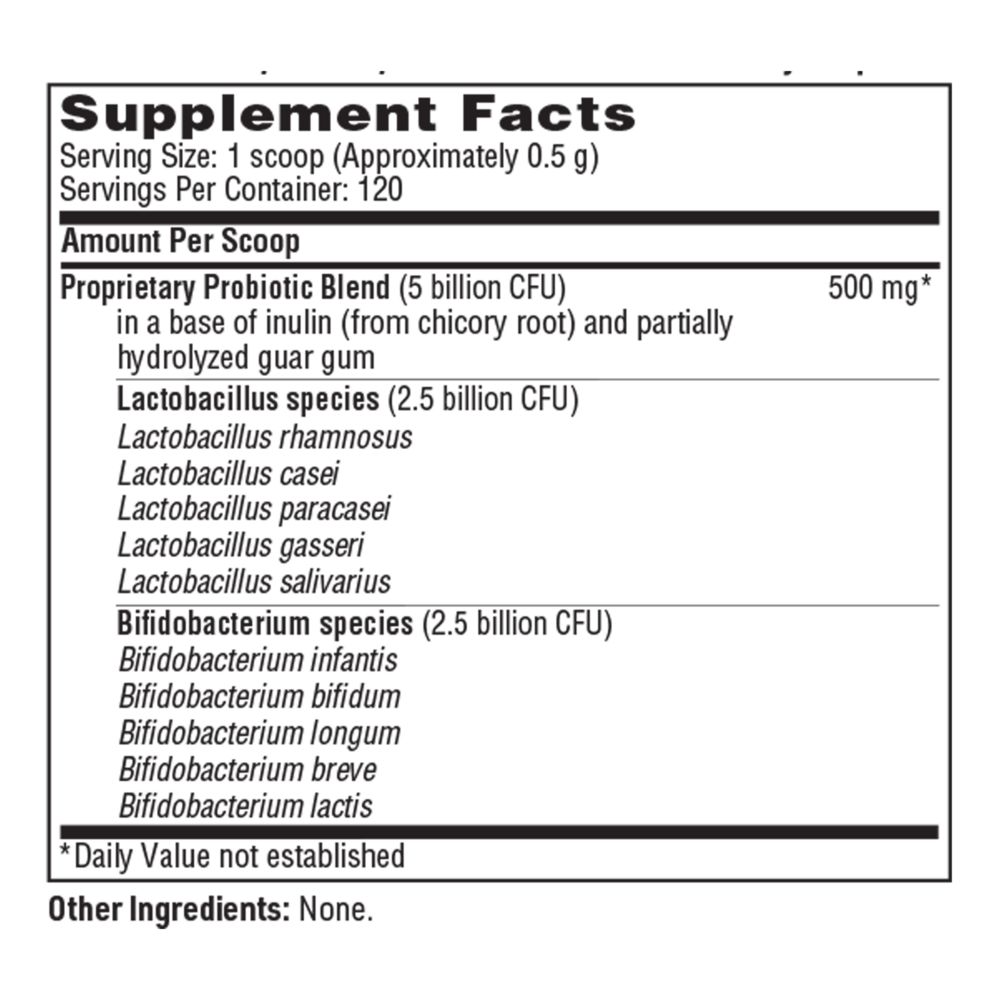
Klaire Labs/SFI Health
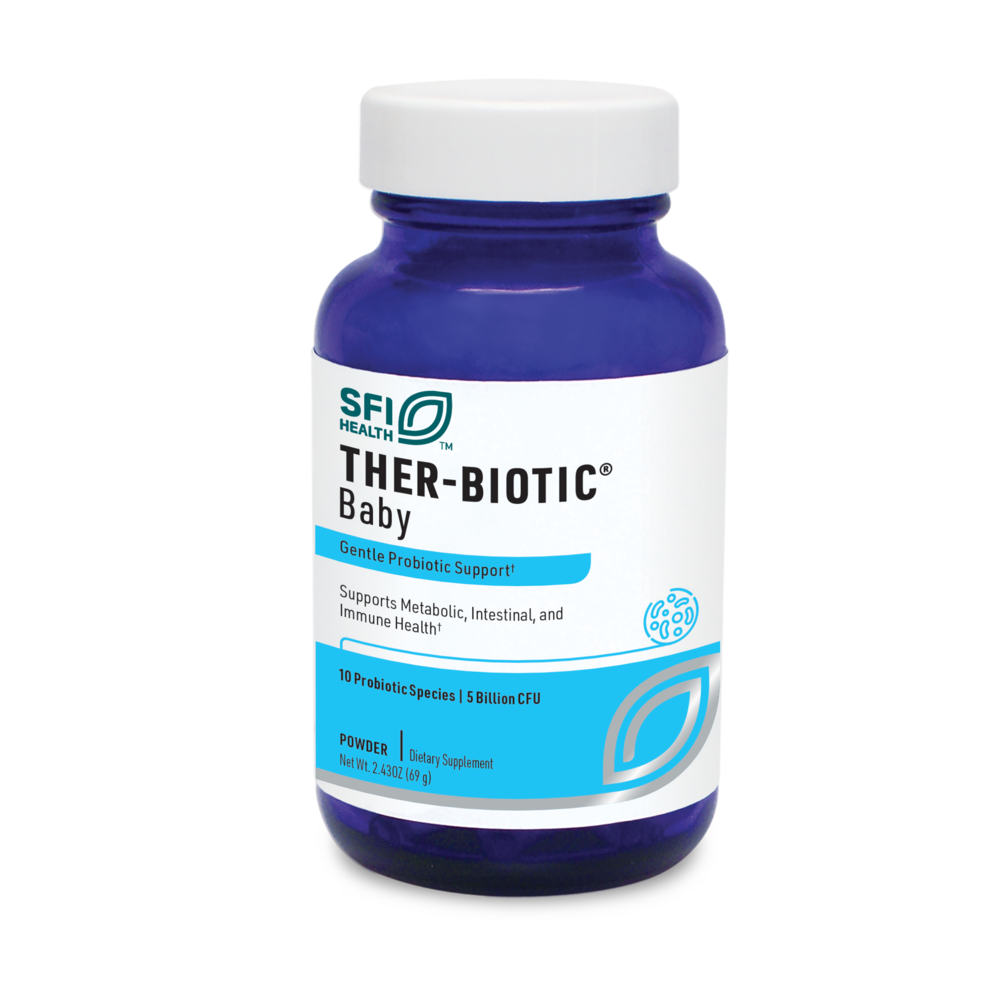
Ther-Biotic® Baby by Klaire Labs/SFI Health
69 grams
Gentle Probiotic Support for Infants' Digestive Health$41.99
This item is currently out of stockGet notified when this item is back in stock
Practitioner-grade brand3rd-party testedFree shipping $50+
Klaire Labs/SFI Health Ther-Biotic® Baby overview
A baby probiotic is most useful in three scenarios: after antibiotics, after a C‑section birth, and for persistent gassiness or colic-like fussiness. Antibiotics disrupt gut bacteria, and giving a probiotic during and for 1–2 weeks after often reduces loose stools. Babies born by C‑section or with low breastmilk exposure tend to have fewer Bifidobacterium species, and a daily probiotic can help fill that gap. Expect stool pattern and comfort to shift within 1 to 3 weeks if it’s going to help.
Lactobacillus and Bifidobacterium strains colonize the large intestine, where they make lactic and acetic acids that lower pH (a less friendly environment for harmful microbes). They compete with pathogens for space and food, and they produce short‑chain fatty acids, the main fuel for colon cells. These bacteria also "coach" early immune development in the gut’s lymph tissue, which is one reason some infants have fewer day‑care colds over a season in trials. Results are strain‑specific, so consistency matters.
Mix the 1/4 teaspoon daily into a small amount of expressed breast milk, formula, or cool purée; avoid hot liquids that can damage live cultures. If your baby is on antibiotics, give the probiotic at a different time of day, at least a couple of hours apart. New to probiotics? Start with a half dose for 2–3 days to gauge tolerance. Normal reactions are mild gas or a brief shift to looser stools, usually settling within a week.
Avoid probiotics in infants who are severely immunocompromised, have a central venous line, short‑gut syndrome, or are critically ill in the NICU unless the care team prescribes it. If your baby has blood in the stool, poor weight gain, or persistent vomiting, seek medical care before starting any probiotic. Allergy to a listed ingredient is a hard stop; check the label if your household avoids dairy, soy, or corn derivatives.
Frequently asked questions
Are probiotics safe for newborns?
For healthy, full‑term newborns, common Lactobacillus and Bifidobacterium probiotics are generally considered safe. Skip them in premature, hospitalized, or immunocompromised infants unless a clinician recommends a specific product and strain.
How long do baby probiotics take to work?
Most parents who see benefits notice changes in stool consistency or fussiness within 1–3 weeks. For antibiotic‑related loose stools, improvement often shows within 3–7 days if the dose is taken daily and spaced from the antibiotic.
Can I give a probiotic with antibiotics to my baby?
Yes, but separate the doses by at least 2 hours so the antibiotic is less likely to kill the probiotic organisms. Continue the probiotic for 1–2 weeks after the antibiotic course ends to help the gut microbiome rebound.
Do breastfed and formula‑fed babies need different probiotics?
Both can benefit, but breastfed infants often respond well to Bifidobacterium‑heavy blends that mirror human‑milk‑fed microbiomes. Formula‑fed infants may still benefit from mixed Lactobacillus/Bifidobacterium products. Consistency matters more than the feeding method.
What side effects should I watch for in my baby?
Temporary gas, mild bloating, or looser stools are the most common and usually settle within a week. Stop and seek care for fever, persistent vomiting, blood in stool, or if your baby seems unwell beyond transient digestive changes.
Do infant probiotics need refrigeration?
Storage varies by brand and strain. Check the label: some powders are shelf‑stable, others need refrigeration to maintain potency. Keep the lid tightly closed and avoid heat and moisture to preserve live cultures.
Can I mix a baby probiotic with warm milk?
Use room‑temperature or cool liquids. High heat can kill live bacteria. If using warm milk, let it cool to lukewarm before mixing, and give it right away rather than letting it sit.
How to take it & ingredients
Suggested use: For infants, mix 1/4 teaspoon (1 gram) with food or liquid daily, or as directed by a healthcare professional.
Benefits
Warnings