 Instalab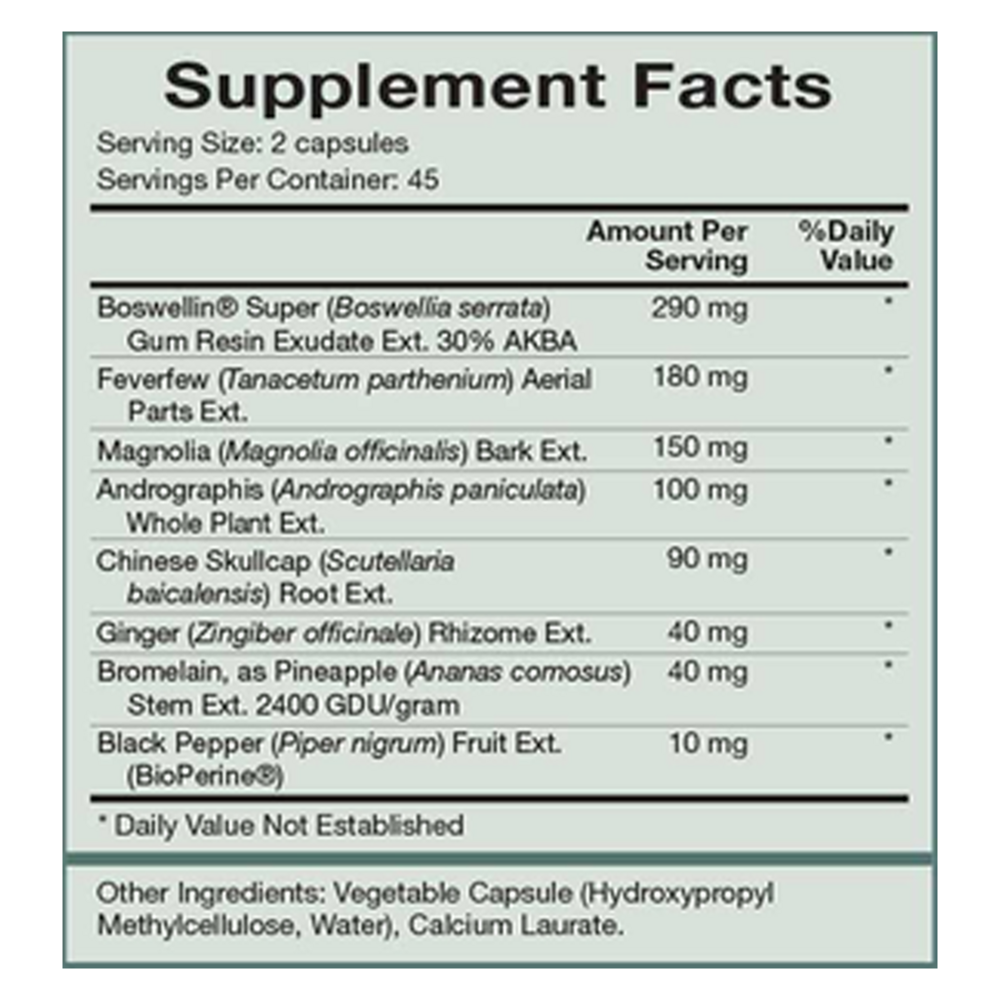


Natura Health Products
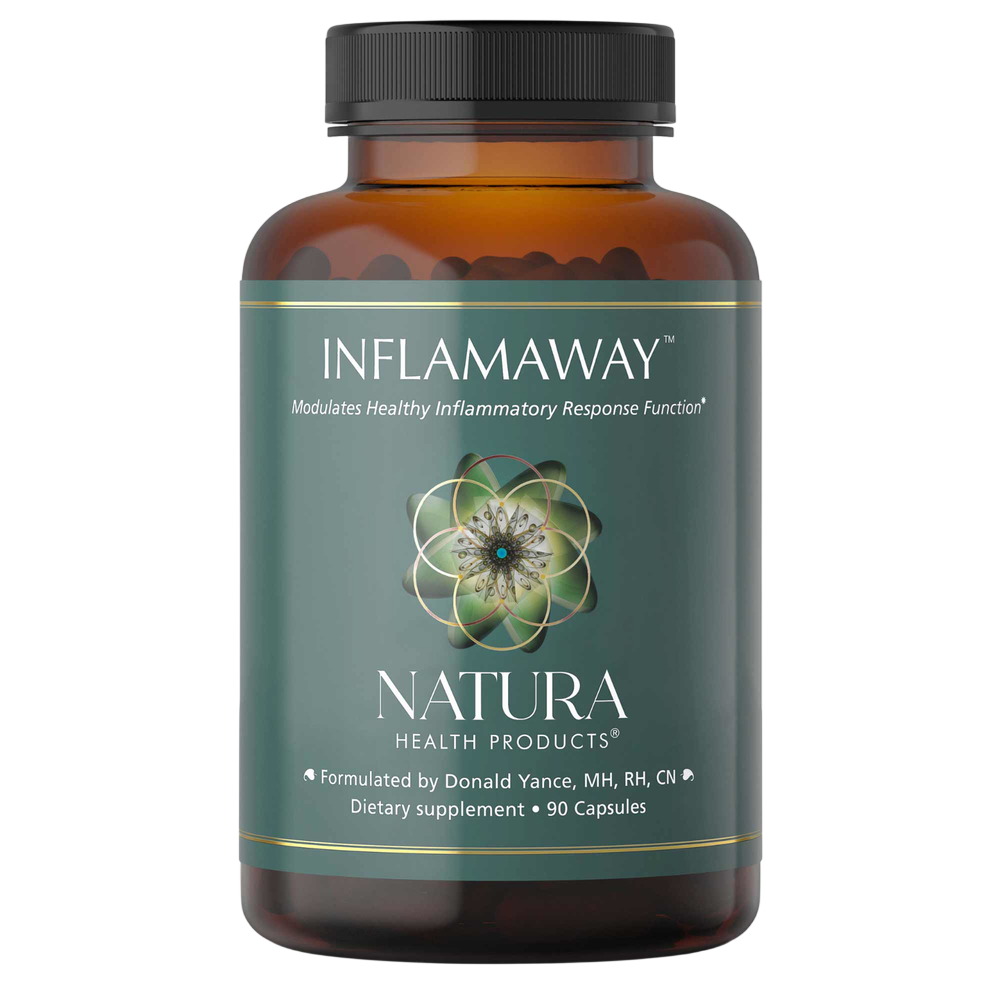
INFLAMAWAY by Natura Health Products
90 capsules · 45-day supply
Comprehensive Support for Inflammation, Joint Health, and Overall Well-Being$67.99
Purchase options
Practitioner-grade brand3rd-party testedFree shipping $50+
Gluten Free·Soy Free·Egg Free·Milk Free·Tree Nut Free·Artificial Preservative Free·
Natura Health Products INFLAMAWAY overview
If you’re weighing boswellia for joint pain and stiffness, this blend fits adults with achy knees, hands, or a high hs-CRP (a blood marker of systemic inflammation) who want a non-NSAID option. It’s also useful when soreness follows hard training or travel. The formula is maintenance-strength for daily control; if pain is severe or you’re in an acute flare, pair with your clinician’s plan and retest hs-CRP within 4 to 12 weeks to gauge response.
Boswellia standardized to 30% AKBA targets 5-lipoxygenase and COX-2 (the enzymes that drive inflammatory eicosanoids, the signals that amplify pain and swelling). Clinical trials show meaningful pain relief and better joint function within 2 to 4 weeks. Ginger and bromelain add proteolytic activity (they help break down inflammatory proteins), while Chinese skullcap and magnolia provide antioxidant and calming effects that reduce neuroinflammation. Feverfew and andrographis contribute immune-balancing actions, with modest hs-CRP reductions in responders.
Take 2 capsules twice daily. For joint and tendon goals, consistency matters more than timing; take with food if you’re prone to reflux. For systemic effects from bromelain, one of the daily doses can be away from meals. Expect early easing within 7 to 14 days, with fuller effects by week 4. If you also use turmeric/curcumin or fish oil, keep the dose steady for the same 4 to 12 weeks before judging the stack.
Bromelain, ginger, feverfew, and boswellia can add to the bleeding risk of anticoagulants or antiplatelets (warfarin, apixaban, clopidogrel, high-dose NSAIDs). Black pepper extract can raise levels of some drugs by affecting gut and liver enzymes, so separate by a few hours from narrow-therapeutic-index meds. Magnolia may enhance sedation with sleep aids, benzodiazepines, or alcohol. If you track labs, recheck hs-CRP and a basic metabolic panel after 8 to 12 weeks when combining multiple anti-inflammatories.
Avoid in pregnancy or while trying to conceive; feverfew and andrographis are not recommended. Skip if you’re allergic to ragweed family plants (feverfew) or pineapple (bromelain). Use caution with a history of reflux or gastric ulcers. Autoimmune disease under active management warrants clinician guidance, as andrographis can stimulate immune activity. If your pain stems from uncontrolled gout or infection, address the cause first; supplements won’t replace definitive treatment.
Frequently asked questions
How long does boswellia take to work for joint pain?
Most people feel a difference within 1 to 2 weeks, with clearer pain and function improvements by 4 weeks. Give a consistent daily dose 4 to 12 weeks before judging, and consider tracking hs-CRP to quantify response.
Can I take this with ibuprofen or naproxen?
Short-term, yes, but be cautious. Combining with NSAIDs can increase stomach irritation and bleeding risk. Use food, the lowest effective NSAID dose, and speak with your clinician if you need both beyond a few days.
Does boswellia thin your blood?
Boswellia isn’t a blood thinner in the prescription sense, but along with bromelain, ginger, and feverfew it can modestly increase bleeding tendency. If you’re on warfarin, apixaban, or clopidogrel, get clinician clearance.
Should I take this with food or on an empty stomach?
Take with food if you’re prone to heartburn. If you tolerate it well, one of the daily doses can be away from meals to leverage bromelain’s systemic effects. Consistency is more important than timing.
Is boswellia safe for long-term use?
Studies up to 6 months show good tolerance. For longer use, take periodic breaks or reassess every 3 to 6 months with your clinician. Recheck hs-CRP and liver enzymes if you stack multiple anti-inflammatory products.
Will this help after workouts or travel soreness?
Yes, it’s reasonable for delayed-onset muscle and tendon soreness. Start daily dosing before a heavy training block or trip and continue for 1 to 2 weeks after. It won’t replace progressive training or sleep.
Can I use this if I have an autoimmune condition?
Use with guidance. Andrographis can stimulate immune activity, which may be unwanted in some autoimmune states. If you’re stable on therapy, discuss timing and monitoring plans with your specialist first.
How to take it & ingredients
Suggested use: Take 2 capsules two times daily or as directed by your healthcare practitioner.
Active ingredients
2 capsules per serving · 45 servings
Boswellin® Super Gum Resin Exudate Ext. 30% AKBA
Boswellia serrata
Boswellia serrata
290 mg
Feverfew Aerial Parts Ext
Tanacetum parthenium
Tanacetum parthenium
180 mg
Magnolia Bark Ext
Magnolia officinalis
Magnolia officinalis
150 mg
Andrographis Whole Plant Ext
Andrographis paniculata
Andrographis paniculata
100 mg
Chinese Skullcap Root Ext
Scutellaria baicalensis
Scutellaria baicalensis
90 mg
Ginger Rhizome Ext
Zingiber officinale
Zingiber officinale
40 mg
Bromelain, as Pineapple Stem Ext 2400 GDU/gram
Ananas comosus
Ananas comosus
40 mg
Black Pepper Fruit Ext (BioPerine®)
Piper nigrum
Piper nigrum
10 mg
Other ingredients: Vegetable Capsule (Hydroxypropyl Methylcellulose, water), Calcium Laurate
Certifications
Benefits
Warnings
Customers also considered
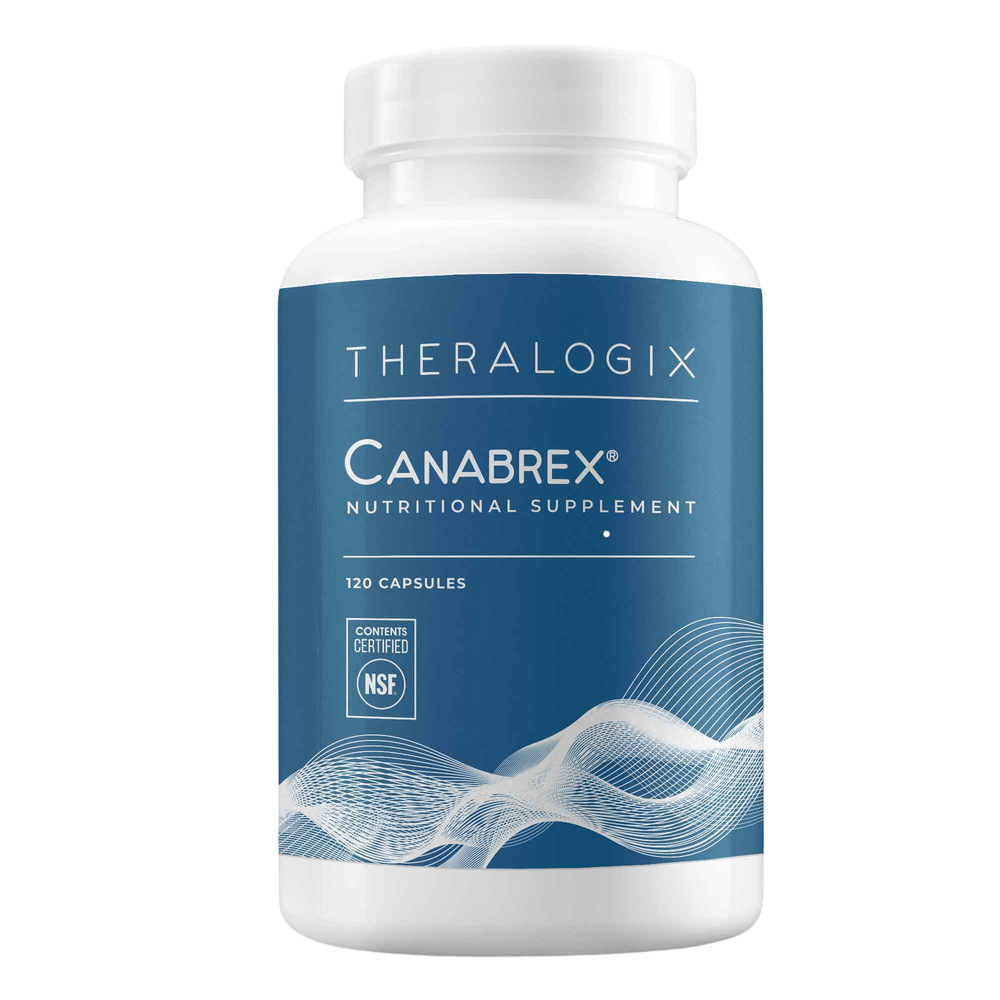
Canabrex
Theralogix
120 capsules
$92.99$73.99 with Subscribe & Save
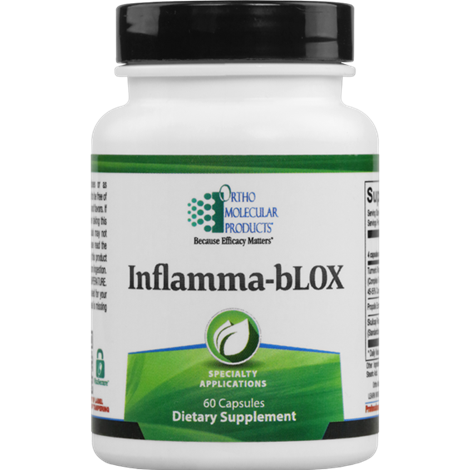
Inflamma-bLOX
Ortho Molecular Products
60 capsules
$58.89$53.05 with Subscribe & Save
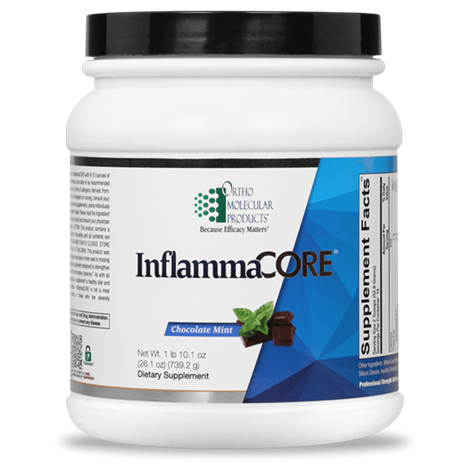
InflammaCORE® Chocolate Mint
Ortho Molecular Products
739.2 grams
$105.39$94.95 with Subscribe & Save
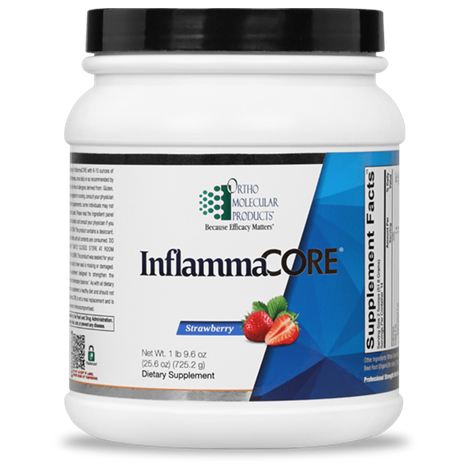
InflammaCORE® Strawberry
Ortho Molecular Products
725.2 grams
$105.39$94.95 with Subscribe & Save