 Instalab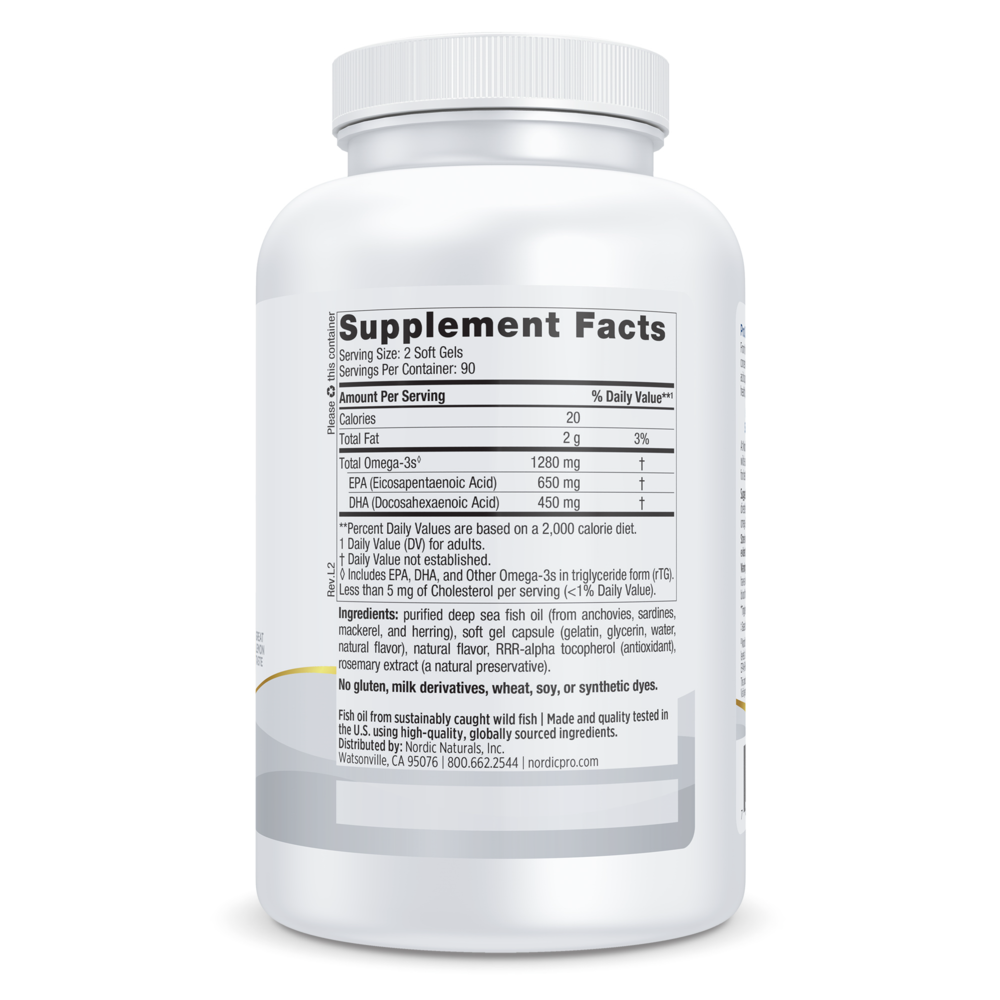

Nordic Naturals
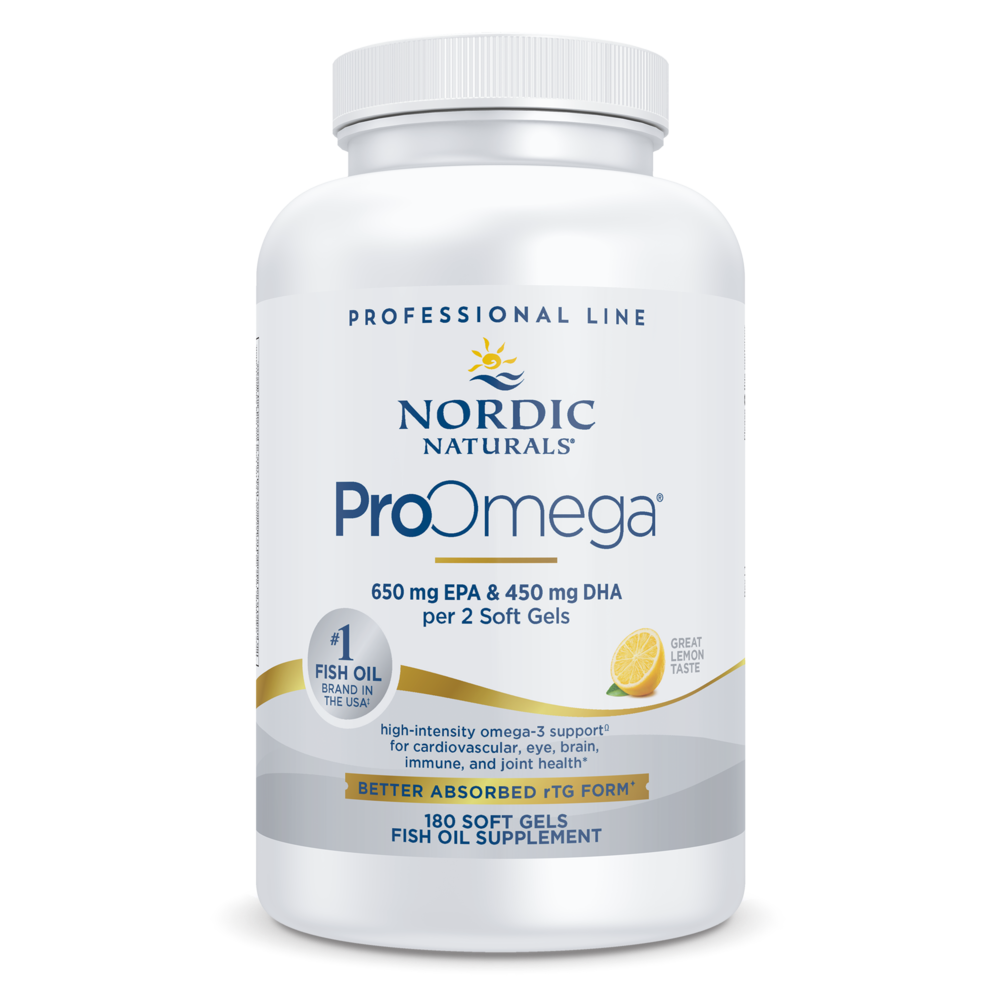
ProOmega Lemon 1280 mg by Nordic Naturals
180 softgels · 90-day supply
High-Potency Omega-3s for Heart, Brain, and Joint Health$77.99
Purchase options
Practitioner-grade brand3rd-party testedFree shipping $50+
Gluten Free·Soy Free·Milk Free·Wheat Free
Nordic Naturals ProOmega Lemon overview
If you’re looking for the best fish oil for high triglycerides, a concentrated omega-3 like this is the tier that actually moves a lipid panel. Adults with elevated Triglycerides, a low Omega-3 Index, or high-normal hs-CRP (a blood marker of inflammation) tend to be the clearest responders. It’s also a fit if you rarely eat seafood, are on a low-carb or weight-cut phase where triglycerides creep up, or if joint soreness flares with training. Vegans need an algae-based option instead.
EPA and DHA reduce how much fat your liver loads into VLDL particles (the carriers that show up as triglycerides on a lipid panel), and they nudge cells to burn fatty acids for energy more readily. In practice, responders see triglycerides drop 20–30% within 4 to 12 weeks. These fats also shift membrane signaling toward less inflammatory mediators, which is why some people see modest reductions in hs-CRP. For cognition and mood, effects are variable and dose-dependent, with steadier data for cardiovascular markers.
Take two softgels daily with food; fat in the meal improves absorption and reduces aftertaste. For high-intensity goals like triglyceride reduction or a low Omega-3 Index, the manufacturer’s upper guidance is two softgels twice daily with food. Recheck your lipid panel and Omega-3 Index after 8–12 weeks to see if the dose is sufficient. If fishy burps occur, take with the largest meal or split doses across breakfast and dinner.
Fish oil has a mild anti-platelet effect (platelets help blood clot). Most healthy adults tolerate it well, but if you use prescription blood thinners like warfarin, apixaban, rivaroxaban, or high-dose aspirin, involve your clinician and monitor for easy bruising. Pause 5–7 days before elective surgery. If you have a fish or shellfish allergy, this is purified oil but still proceed carefully. Pregnancy and breastfeeding often benefit from DHA-focused omega-3s; clear the dose with your obstetric clinician.
Frequently asked questions
How long does fish oil take to lower triglycerides?
Most responders see triglycerides fall within 4 to 12 weeks at a concentrated dose taken daily with meals. Recheck your lipid panel and Omega-3 Index after about 8–12 weeks to confirm the effect and adjust the dose.
Does fish oil thin your blood?
It has a mild anti-platelet effect, which can increase bruising in some people. It’s usually safe for healthy adults, but if you take warfarin or other anticoagulants, coordinate dosing with your clinician and monitor.
What dose of omega-3 is needed for high triglycerides?
Clinically, triglyceride reduction generally needs a higher total EPA+DHA intake than a basic multivitamin level. This product’s standard daily dose is often enough for maintenance; the higher, twice-daily dose is used for lipid targets.
Should I take fish oil with food or on an empty stomach?
With food. A meal that contains some fat improves absorption and reduces aftertaste or reflux. Splitting the dose across two meals can further improve comfort if you’re sensitive.
EPA vs DHA: which matters more?
For triglycerides, EPA-heavy formulations tend to drive the reduction. DHA contributes to heart, brain, and eye physiology. Most concentrated fish oils include both, which is appropriate for general cardiometabolic goals.
Can I take fish oil with a statin?
Yes, they’re commonly combined. Statins mainly lower LDL cholesterol, while omega-3s target triglycerides and can raise the Omega-3 Index. Your clinician may check both lipids and liver enzymes to track response.
Is fish oil safe during pregnancy?
Omega-3s, especially DHA, are important in pregnancy. Purified fish oil is generally considered safe, but discuss dose and product choice with your obstetric clinician to tailor to your diet and labs.
What if I get fishy burps from fish oil?
Take it with your largest meal, keep the bottle sealed to limit oxidation, and consider splitting the dose. If it persists, try a different capsule coating or an algae-based omega-3, which some find gentler.
How to take it & ingredients
Suggested use: Adults take two soft gels daily, with food, or as directed by your healthcare professional. For ultra high-intensity omega-3 support, take two soft gels twice daily with food.
Active ingredients
2 softgels per serving · 90 servings
▼
Total Omega-3s
1280 mg
EPA
Eicosapentaenoic Acid
Eicosapentaenoic Acid
650 mg
DHA
Docosahexaenoic Acid
Docosahexaenoic Acid
450 mg
Other ingredients: Purified Deep Sea Fish Oil (from Anchovies, Sardines, Mackerel, and Herring), Soft Gel Capsule (Gelatin, Water, Sorbitol, Glycerin, Natural Flavor), Natural Flavor, RRR-Alpha Tocopherol (Antioxidant), Rosemary Extract (a Natural Preservative)
Certifications
Benefits
Warnings
Customers also considered
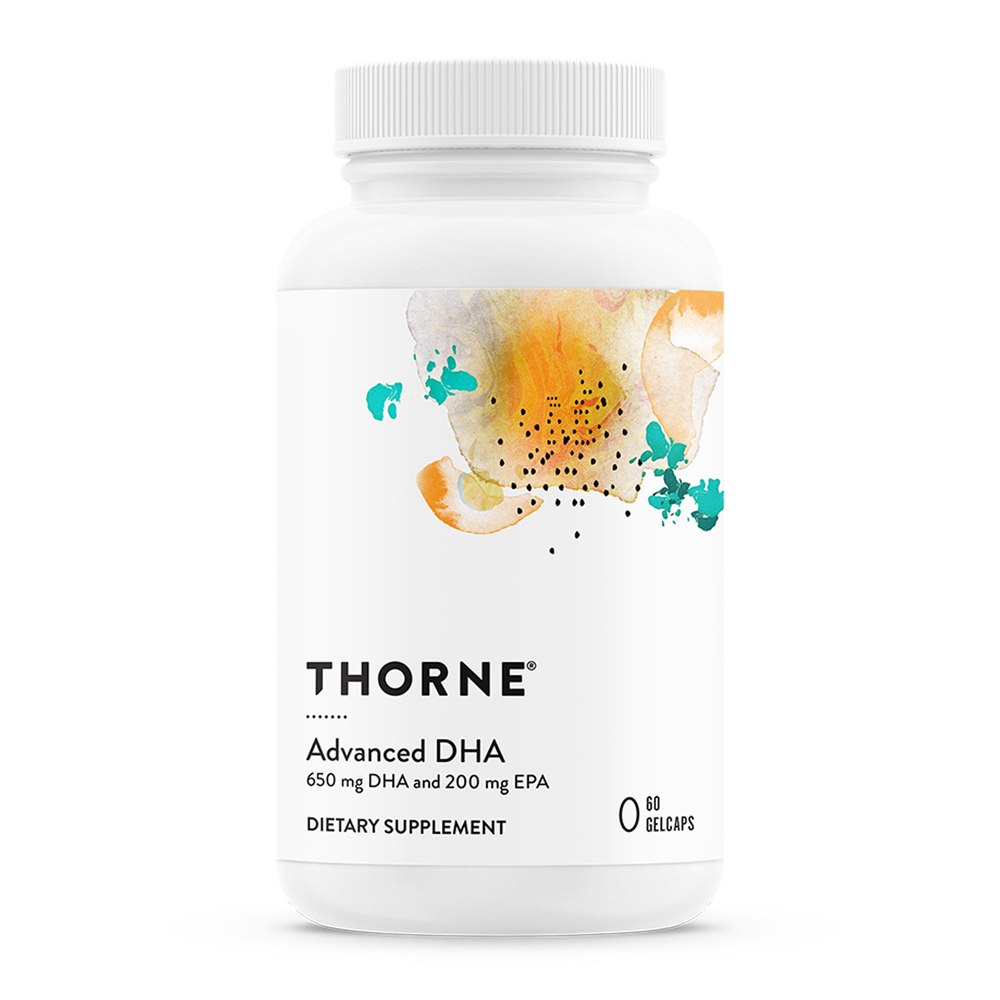
Advanced DHA
Thorne
60 gelcaps
$30.00$27.00 with Subscribe & Save
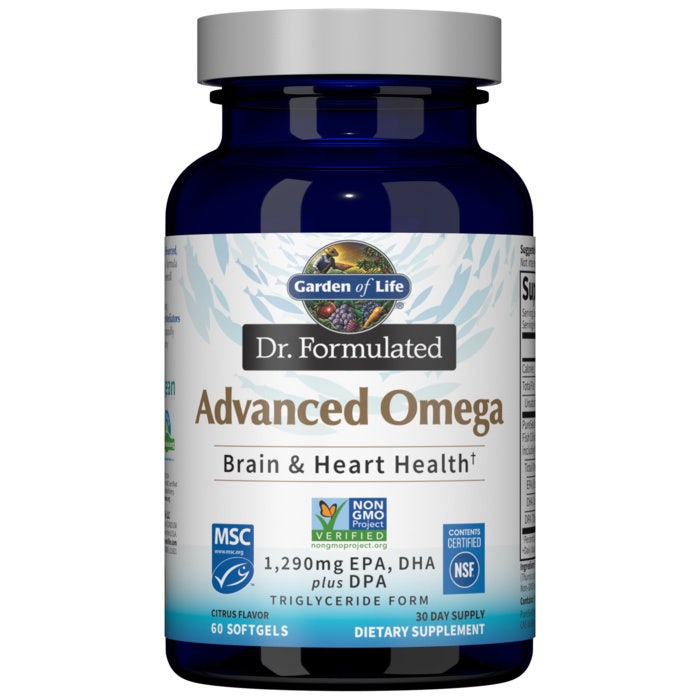
Dr. Formulated Advanced Omega
Garden of Life
60 softgels
$31.99$25.99 with Subscribe & Save
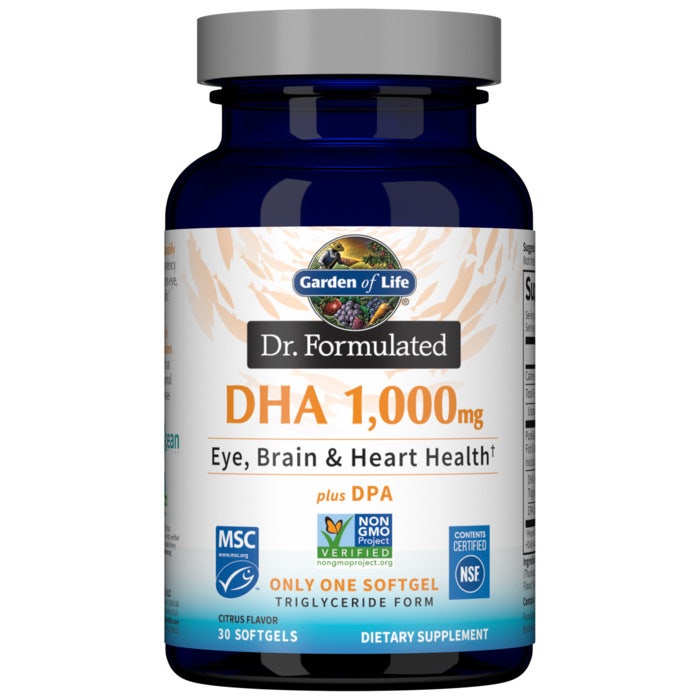
Dr. Formulated DHA 1g
Garden of Life
30 softgels
$31.99$25.99 with Subscribe & Save

Dr. Formulated Prenatal DHA
Garden of Life
30 softgels
$29.99$23.99 with Subscribe & Save