 Instalab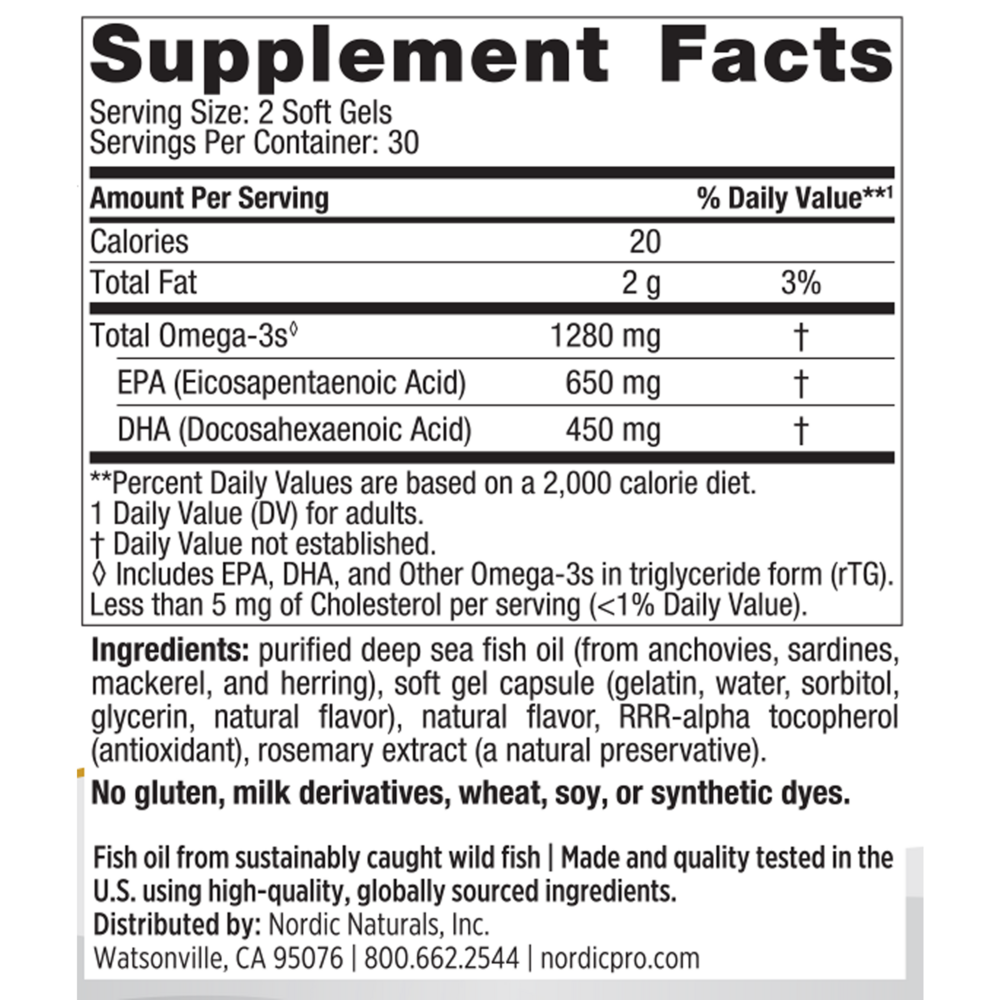

Nordic Naturals
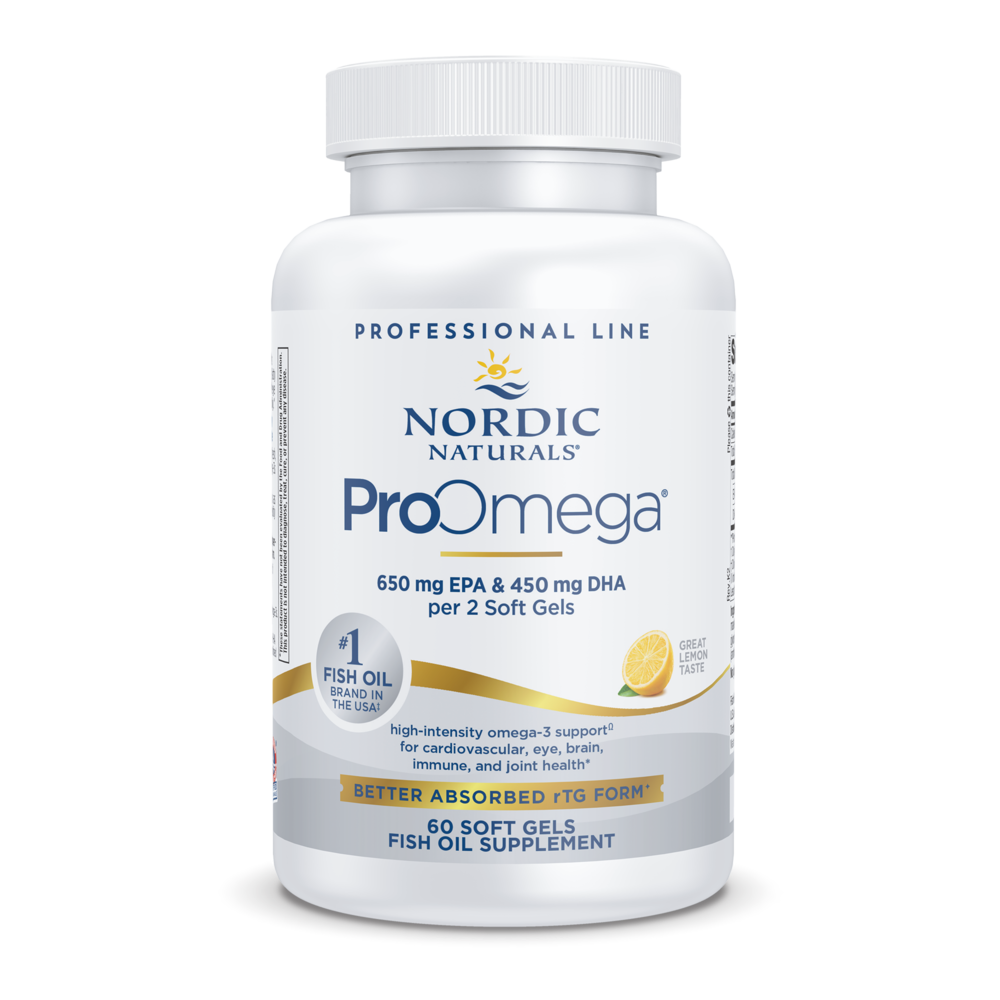
ProOmega Lemon 1280 mg by Nordic Naturals
60 softgels · 30-day supply
Premium Omega-3s for Heart, Brain, and Joint Health$30.99
Purchase options
Practitioner-grade brand3rd-party testedFree shipping $50+
Gluten Free·Soy Free·Milk Free·Wheat Free
Nordic Naturals ProOmega Lemon overview
If you’re searching for fish oil for high triglycerides, this high-EPA/DHA concentrate is the right tier. Adults with elevated Triglycerides, a low Omega-3 Index, or inflammation markers like hs-CRP (a blood test of whole‑body inflammation) tend to benefit most. It also fits people who rarely eat seafood, and those planning pregnancy who want DHA without mercury exposure. Two softgels daily is maintenance; two softgels twice daily is closer to the intake used for triglyceride reduction.
EPA and DHA reduce how much fat your liver exports in VLDL particles (the form that shows up as triglycerides on a lipid panel). They also nudge cells to burn fatty acids faster for energy. Most responders see triglycerides fall 20–30% within 4 to 12 weeks at higher intakes. In cell membranes, these fats shift signaling toward inflammation-resolving compounds, which explains modest reductions in hs-CRP in some people. Cognitive or mood effects are variable and usually mild.
Take with a meal that contains some fat for better absorption. The standard use is two softgels daily; for high-intensity goals like triglyceride lowering, the manufacturer allows two softgels twice daily, which moves you toward clinically used EPA+DHA totals. Split dosing with breakfast and dinner can reduce fishy aftertaste. Recheck your Omega-3 Index and a fasting lipid panel after 8 to 12 weeks to confirm the effect.
If you use blood thinners or antiplatelet drugs (warfarin, apixaban, clopidogrel, high-dose aspirin), coordinate dosing with your clinician, especially before surgery. People with a history of atrial fibrillation should discuss high-dose omega-3s, as some trials saw a small increase in episodes. A minority see LDL cholesterol rise when DHA intake is high; monitor your lipid panel. Severe fish or shellfish allergy warrants caution. Orlistat can reduce absorption if taken together.
Frequently asked questions
How long does fish oil take to lower triglycerides?
Most responders see changes within 4 to 12 weeks. Use a consistent daily dose, then recheck a fasting lipid panel and your Omega-3 Index at the 8–12 week mark to confirm the response.
What dose of fish oil should I take for high triglycerides?
Triglyceride reduction typically requires 2–4 grams per day of combined EPA+DHA. The higher instruction here (two softgels twice daily) moves toward that range. Work with your clinician to individualize.
Does fish oil thin your blood?
It can slightly prolong bleeding time, but clinically significant bleeding is uncommon at typical doses. If you take anticoagulants or antiplatelet drugs, or have surgery planned, discuss dosing with your doctor.
Will fish oil raise my LDL cholesterol?
A small subset experiences an LDL rise, more often with DHA-heavy formulas. If you’re treating triglycerides, monitor a full lipid panel after 8–12 weeks and adjust dose or formulation if needed.
Is this fish oil safe in pregnancy?
Fish oil (EPA/DHA from body oil, not cod liver oil) is commonly used in pregnancy for DHA. Confirm dose with your obstetric clinician, and avoid products that add vitamin A from liver oils.
How do I reduce fishy burps from fish oil?
Take with meals, split the dose, and keep capsules in the fridge. If you’re sensitive, try bedtime dosing. Persistent reflux may respond to switching brands or using a smaller per-capsule dose.
Can vegans use this fish oil alternative?
This product is fish-derived. Strict vegans should look for algae-based EPA/DHA, then verify effects with an Omega-3 Index after 8–12 weeks.
Does fish oil help with joint pain?
Some people with inflammatory joint pain notice modest relief after several weeks, tied to shifts in inflammatory signaling. It’s not a fast analgesic; evaluate benefit after 6–12 weeks.
How to take it & ingredients
Suggested use: Adults take two soft gels daily, with food, or as directed by your healthcare professional. For ultra high-intensity omega-3 support, take two soft gels twice daily with food.
Active ingredients
2 softgels per serving · 30 servings
▼
Total Omega-3s
1280 mg
EPA
Eicosapentaenoic Acid
Eicosapentaenoic Acid
650 mg
DHA
Docosahexaenoic Acid
Docosahexaenoic Acid
450 mg
Other ingredients: Purified Deep Sea Fish Oil (from Anchovies, Sardines, Mackerel, and Herring), Soft Gel Capsule (Gelatin, Water, Sorbitol, Glycerin, Natural Flavor), Natural Flavor, RRR-Alpha Tocopherol (Antioxidant), Rosemary Extract (a Natural Preservative)
Certifications
Benefits
Warnings
Customers also considered
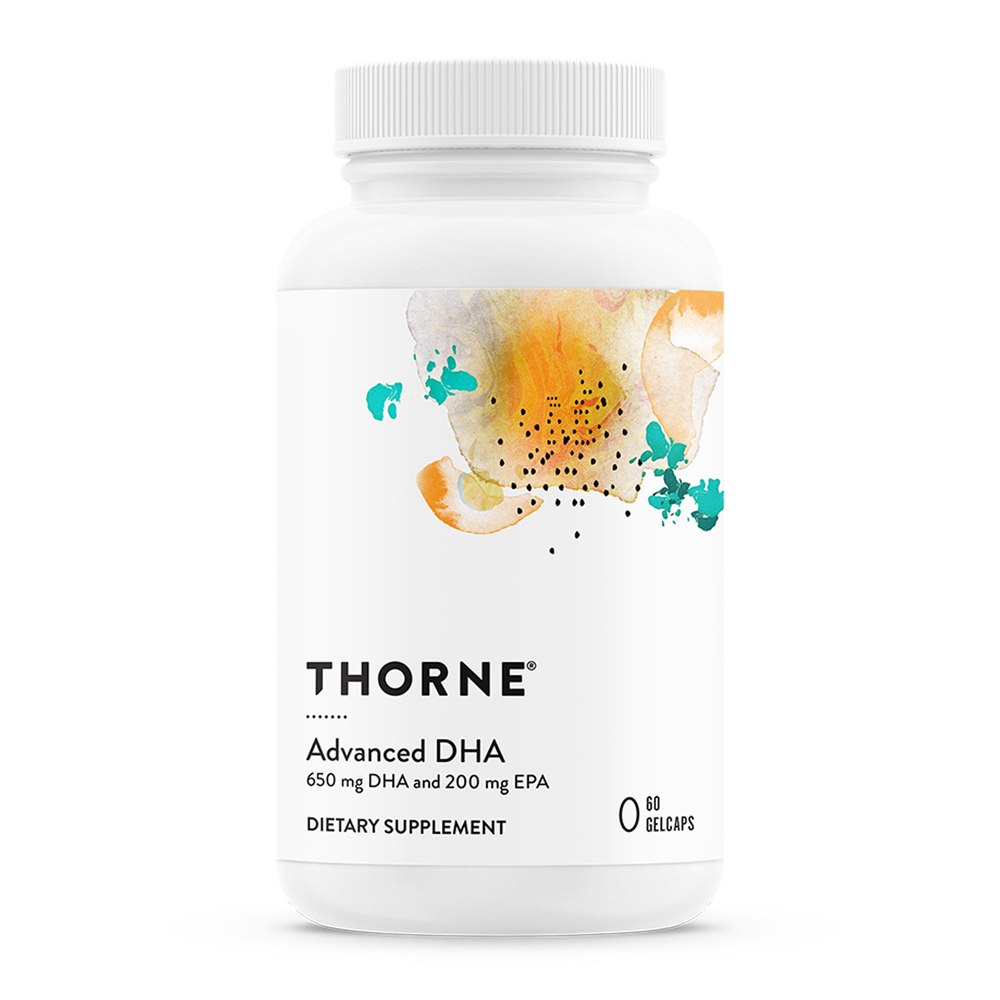
Advanced DHA
Thorne
60 gelcaps
$30.00$27.00 with Subscribe & Save
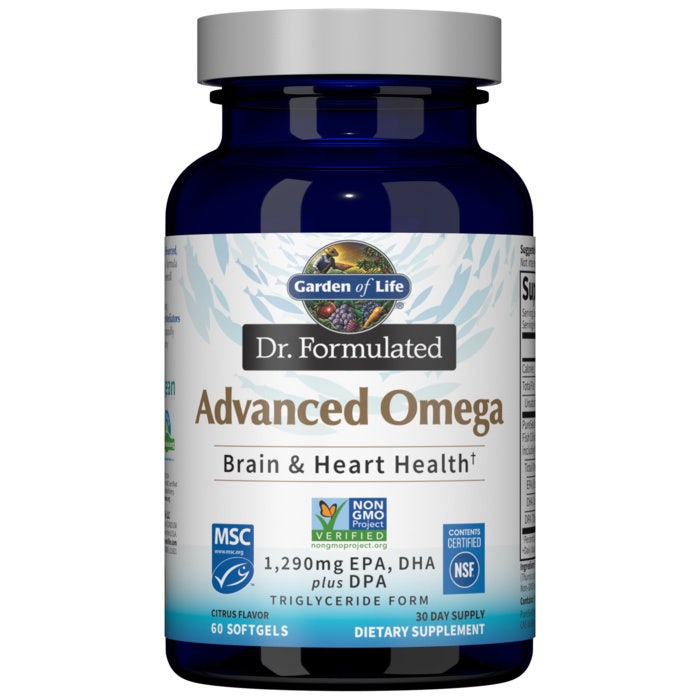
Dr. Formulated Advanced Omega
Garden of Life
60 softgels
$31.99$25.99 with Subscribe & Save
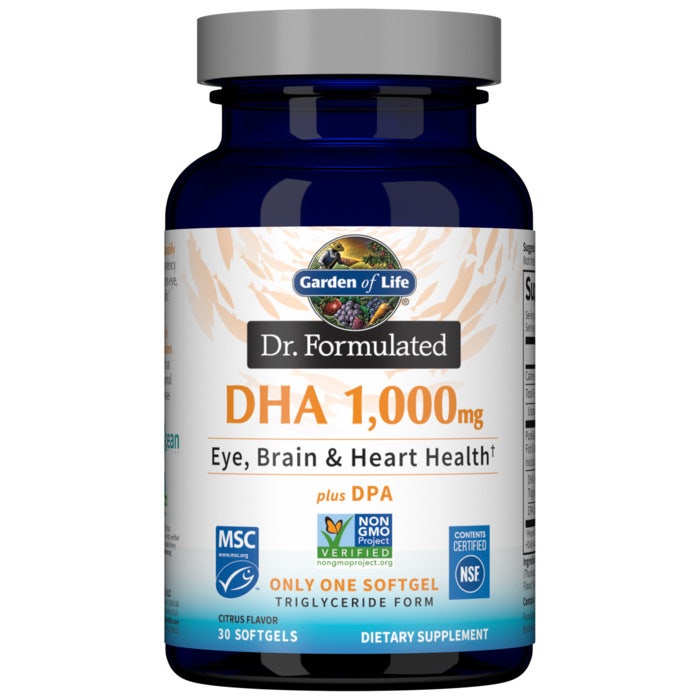
Dr. Formulated DHA 1g
Garden of Life
30 softgels
$31.99$25.99 with Subscribe & Save

Dr. Formulated Prenatal DHA
Garden of Life
30 softgels
$29.99$23.99 with Subscribe & Save