 Instalab
Nordic Naturals
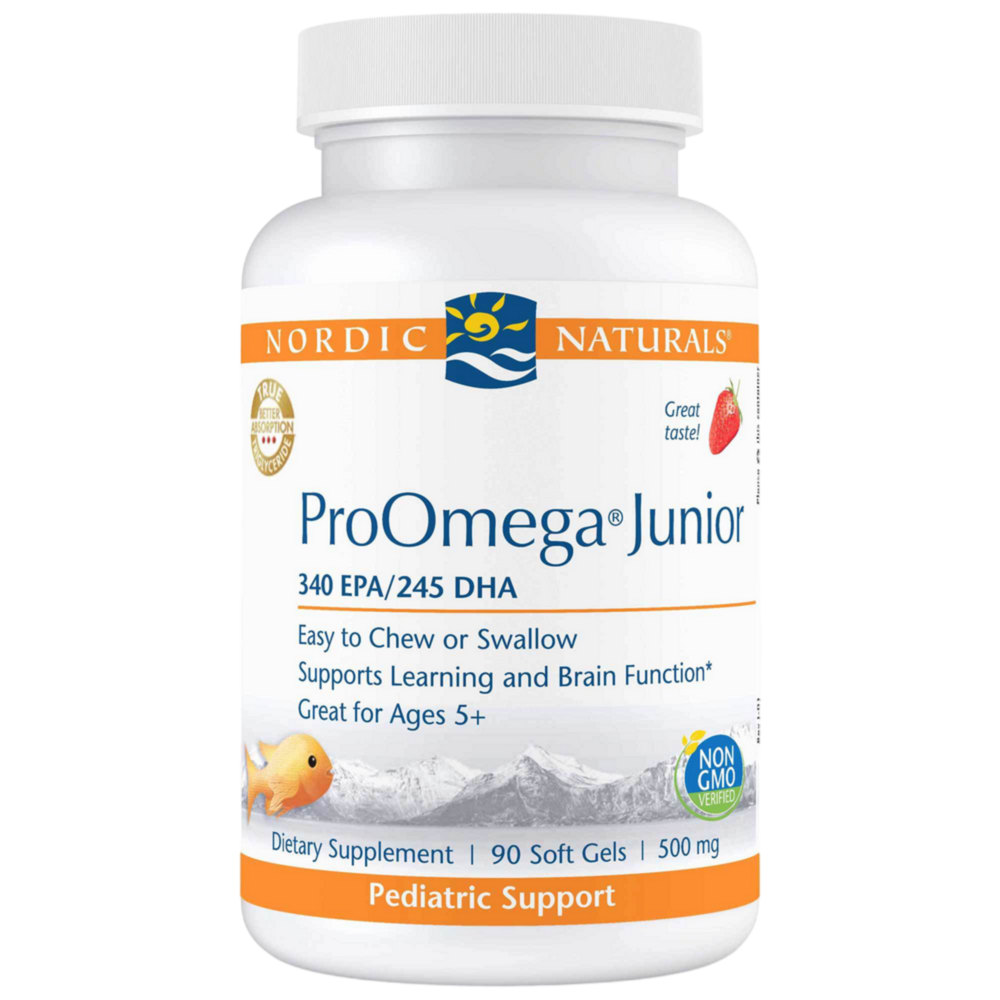
ProOmega® Junior 680 mg by Nordic Naturals
90 softgels · 45-day supply
Omega-3 Support for Growing Minds and Healthy Hearts$29.99
Purchase options
Practitioner-grade brand3rd-party testedFree shipping $50+
Gluten Free·Artificial Color Free·Artificial Flavor Free
Nordic Naturals ProOmega® Junior overview
Small softgels make this omega-3 a fit for children, teens, and adults who dislike large fish oil capsules. It’s useful if seafood intake is low, your Omega-3 Index is low, or you want a gentle, daily dose for brain, vision, and heart maintenance. For elevated triglycerides, this amount is usually too low on its own; higher-dose fish oil is typically used for that goal under clinician guidance.
EPA and DHA are long-chain omega-3s your body uses for cell membranes in the brain, eyes, and heart. They reduce how much fat the liver packages into VLDL particles (the carriers that show up as triglycerides) and nudge cells to burn fatty acids for energy. They also shift membrane signaling toward fewer inflammatory compounds, which is why some people see small drops in hs-CRP (an inflammation marker). DHA concentrates in the retina and developing brain; in school-age kids, attention and behavior effects are mixed and usually modest.
Take two softgels daily with food, as the manufacturer suggests. Consistency matters: expect changes in the Omega-3 Index within 8 to 12 weeks. Swallow or chew; taking with a meal reduces fishy aftertaste. If your Omega-3 Index stays low or you are targeting triglyceride reduction, a higher total daily omega-3 dose is typically more effective than adding sporadic extra capsules.
Fish or shellfish allergy is a reason to skip fish oil and choose an algae-based omega-3. If you use blood thinners like warfarin or newer agents such as apixaban or rivaroxaban (medicines that reduce clotting), speak with your clinician before starting. Bile acid sequestrants like cholestyramine (drugs that bind fats in the gut) can reduce absorption; separate dosing by a few hours.
Frequently asked questions
Is this omega-3 dose enough for kids?
For general maintenance when seafood intake is low, yes. For a low Omega-3 Index, you may need a higher total daily omega-3. For high triglycerides, clinicians typically use much larger doses than this.
How long until omega-3 levels improve on labs?
Most people see the Omega-3 Index rise within 8 to 12 weeks of daily use. Recheck after three months to see if the dose is adequate, then adjust with your clinician if it remains low.
Does fish oil thin your blood?
Fish oil has a mild anti-clotting effect. It’s usually safe for healthy people, but if you take prescription blood thinners or have a bleeding disorder, talk with your clinician before starting.
Can kids chew these fish oil softgels?
Yes. They can be chewed or swallowed. Taking them with food helps reduce fishy aftertaste. If taste is an issue, try chilling them or using a flavored liquid omega-3.
Will this help with attention or ADHD?
Evidence for attention in school-age kids is mixed and effects are generally small. It’s reasonable to optimize omega-3 status, but do not expect it to replace proven behavioral or medical treatments.
What time of day should I take fish oil?
Take with a meal to improve absorption and reduce reflux. Morning or evening is fine; consistency day to day matters more than timing.
Is mercury a concern with fish oil?
Purified fish oils are distilled to remove heavy metals, including mercury. Look for products with third-party testing; this brand is known for publishing purity results.
How to take it & ingredients
Suggested use: Two soft gels daily, with food, or as directed by your health care professional or pharmacist.
Active ingredients
2 softgels per serving · 45 servings
▼
Total Omega-3s
680 mg
EPA
Eicosapentaenoic Acid
Eicosapentaenoic Acid
340 mg
DHA
Docosahexaenoic Acid
Docosahexaenoic Acid
245 mg
Other Omega-3s
95 mg
Other ingredients: Purified Deep Sea Fish Oil (from Anchovies and Sardines), Soft Gel Capsule (Gelatin, Glycerin, Water, Natural Strawberry Flavor), D-Alpha Tocopherol, Natural Strawberry Flavor, Rosemary Extract (a Natural Preservative)
Certifications
Benefits
Warnings
Customers also considered
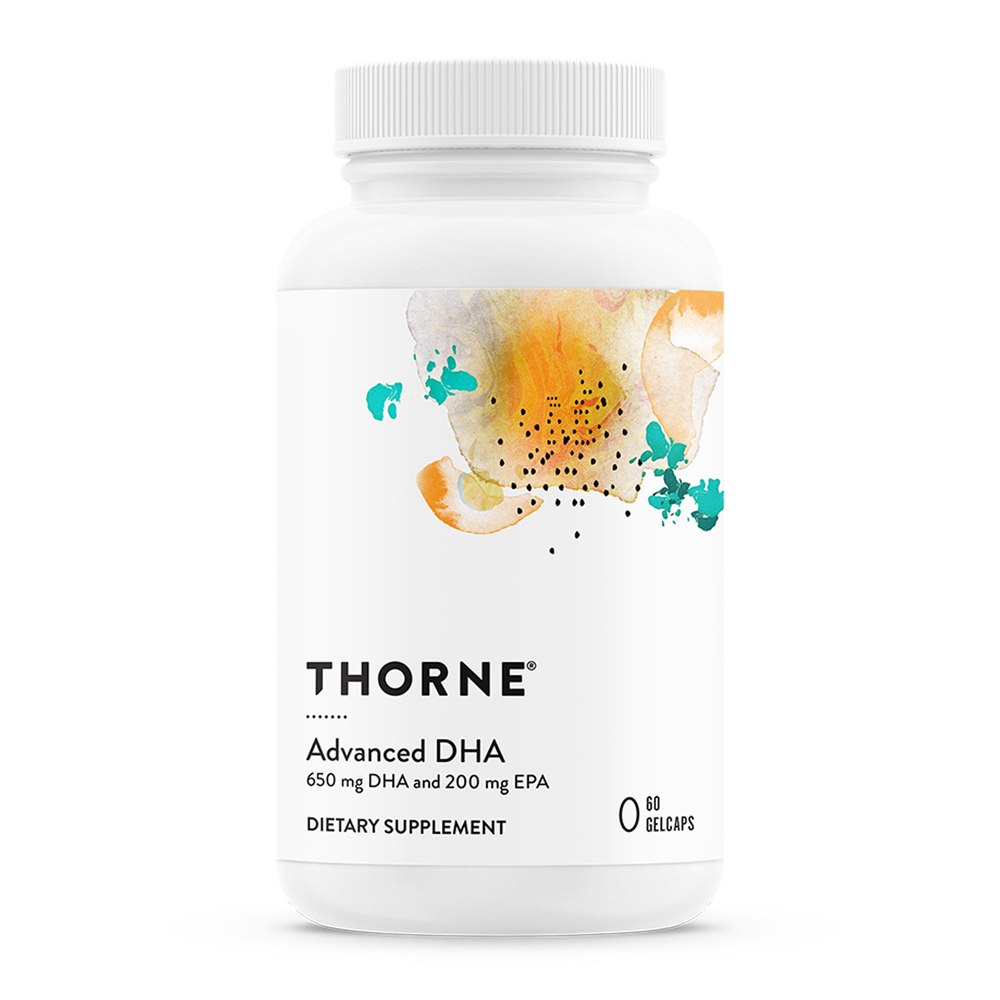
Advanced DHA
Thorne
60 gelcaps
$30.00$27.00 with Subscribe & Save
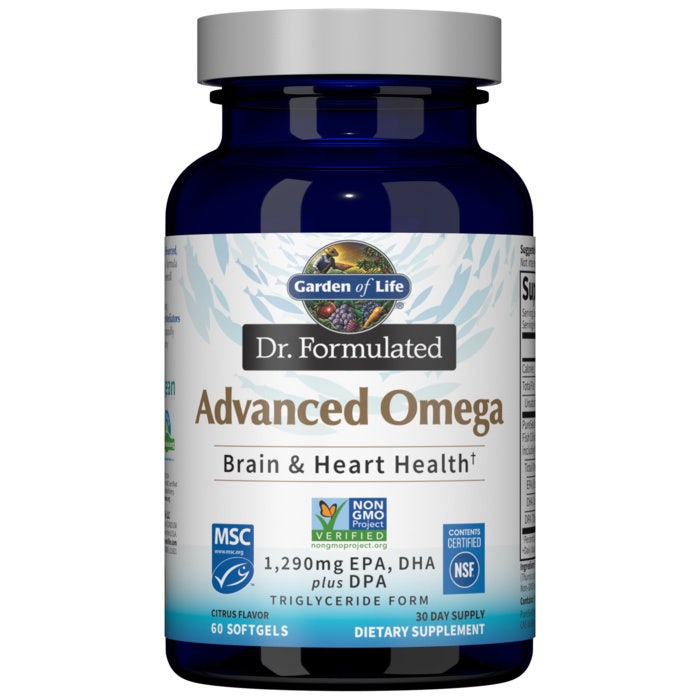
Dr. Formulated Advanced Omega
Garden of Life
60 softgels
$31.99$25.99 with Subscribe & Save
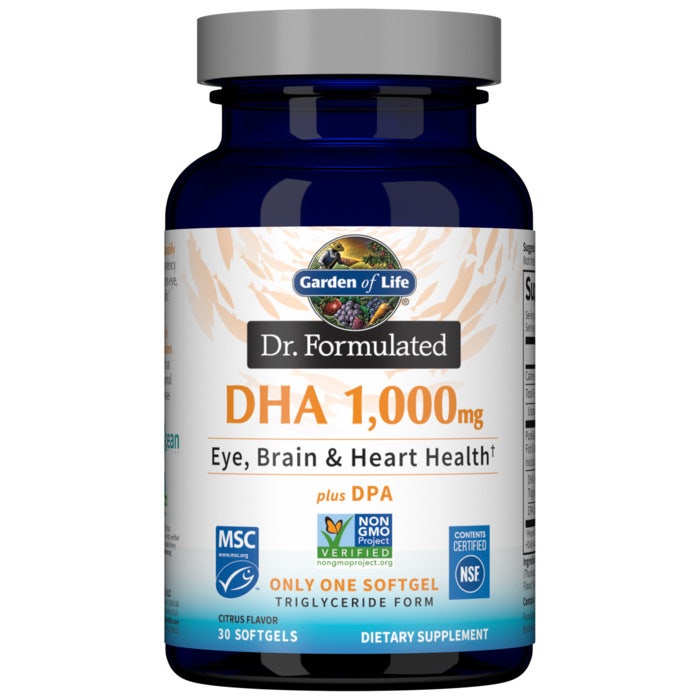
Dr. Formulated DHA 1g
Garden of Life
30 softgels
$31.99$25.99 with Subscribe & Save
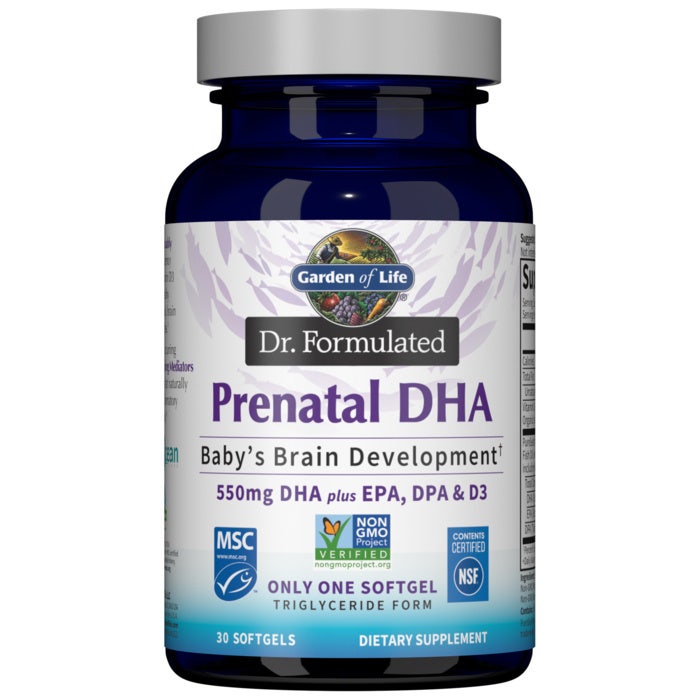
Dr. Formulated Prenatal DHA
Garden of Life
30 softgels
$29.99$23.99 with Subscribe & Save