 Instalab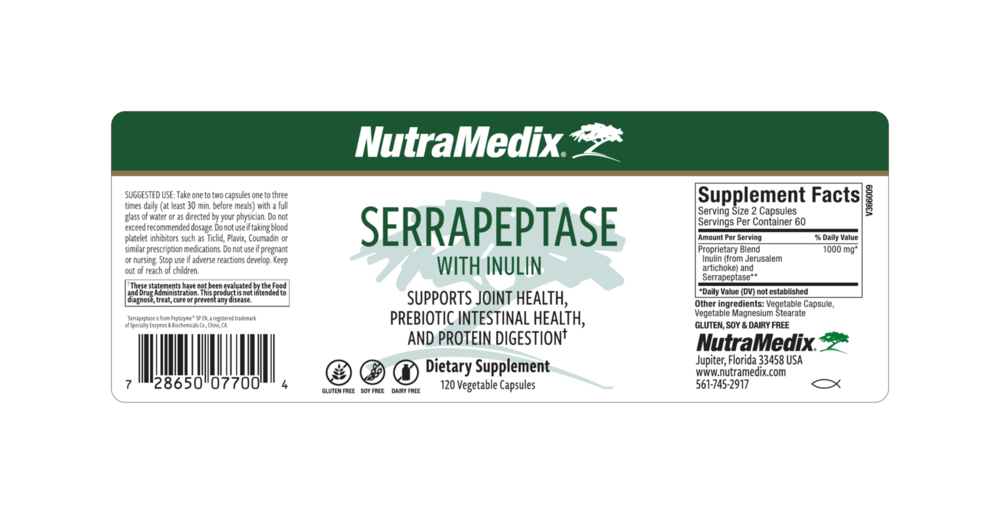
NutraMedix
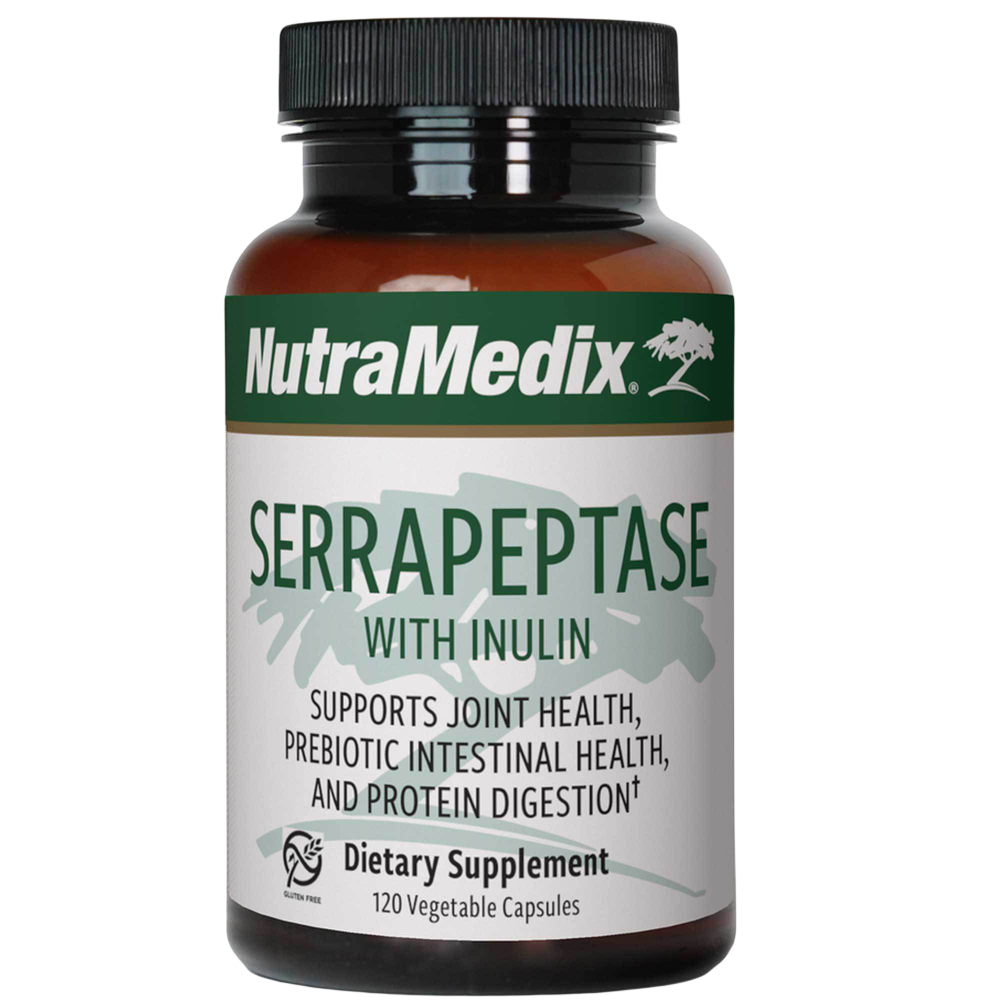
Serrapeptase by NutraMedix
120 capsules · 60-day supply
Support for Healthy Digestion and Inflammation Relief$56.99
Purchase options
Practitioner-grade brand3rd-party testedFree shipping $50+
Gluten Free·Dairy Free·Milk Free·Sugar Free
NutraMedix Serrapeptase overview
After dental work or during a sinus flare, many people search serrapeptase dosage for swelling and pressure. This proteolytic enzyme is most relevant for short-term use in post‑procedure swelling, clogged sinuses with thick mucus, and tendon or overuse aches where rest and rehab are already in place. If you track inflammation with hs-CRP (a blood marker of systemic inflammation), you can use it as a rough read on response, though pain and function matter more day to day.
Serrapeptase breaks down proteins that make up thick mucus and some of the debris around inflamed tissues. In small trials it reduced nasal mucus thickness and post‑procedure swelling, which is why people reach for it in sinusitis and after dental surgery. It also has mild fibrinolytic activity, meaning it can help break down fibrin (a clotting protein). That is the theoretical reason for both the de‑puffing effects and the bleeding‑risk cautions.
Take it on an empty stomach, at least 30 minutes before meals, with a full glass of water; food proteins can inactivate the enzyme. The label suggests one to two capsules, one to three times daily. Clinically, enteric‑coated units (often listed as SPU or SU) guide dosing, but this blend doesn’t disclose units, so start low, assess for 7 to 14 days, and stop if you see no clear benefit.
Avoid if you use blood thinners like warfarin, apixaban, rivaroxaban, or antiplatelets such as aspirin or clopidogrel, or if you have a bleeding disorder or active ulcer, due to added bleeding risk. Stop at least 7 days before surgery. Pregnancy and breastfeeding: avoid for lack of safety data. Separate from antibiotics by a few hours to minimize stomach upset and theoretical interactions.
Frequently asked questions
What is serrapeptase used for?
Mainly for short-term relief of swelling, thick mucus in sinusitis, and soft-tissue soreness after procedures or overuse. Evidence is mixed and tends to be from small trials, so assess benefit within 1–2 weeks rather than taking it indefinitely.
How long does serrapeptase take to work?
If it helps, people usually notice easier mucus clearance or less swelling within 3–7 days. For tendon or overuse aches, give it up to 2 weeks while continuing rehab. If nothing changes by then, discontinue.
Should I take serrapeptase on an empty stomach?
Yes. Take it at least 30 minutes before meals with water. Food proteins can bind and inactivate enzymes like serrapeptase, reducing effectiveness.
Does serrapeptase thin your blood?
It has mild fibrin‑breaking activity, so it can increase bleeding risk, especially with anticoagulants or antiplatelets. Avoid if you’re on blood thinners, have a bleeding disorder, or before surgery.
Can I take serrapeptase with NSAIDs like ibuprofen?
It’s better not to combine routinely. NSAIDs already raise bleeding and stomach‑irritation risk. If you must use both short term, keep doses low, take breaks, and stop for any bruising or stomach pain.
Is serrapeptase safe in pregnancy or breastfeeding?
No safety data, so avoid during pregnancy and while breastfeeding. For sinus congestion in these periods, use established options discussed with your clinician.
What side effects should I watch for?
Most common are nausea, stomach upset, or loose stools, especially if taken with food. Unusual bruising, nosebleeds, or prolonged bleeding are red flags—stop and seek care.
Can I track results with labs like hs-CRP?
You can, but symptoms matter more here. If you use hs-CRP (a general inflammation marker), recheck after 2–4 weeks, understanding many factors influence it beyond this enzyme.
How to take it & ingredients
Suggested use: Take one to two capsules one to three times daily (at least 30 min. before meals) with a full glass of water or as directed by your physician.
Active ingredients
2 capsules per serving · 60 servings
▼
Proprietary Blend
-
Inulin
From Jerusalem artichoke
From Jerusalem artichoke
-
Serrapeptase
-
Other ingredients: Vegetable Capsule, Vegetable Magnesium Stearate
Certifications
Benefits
Warnings
Customers also considered
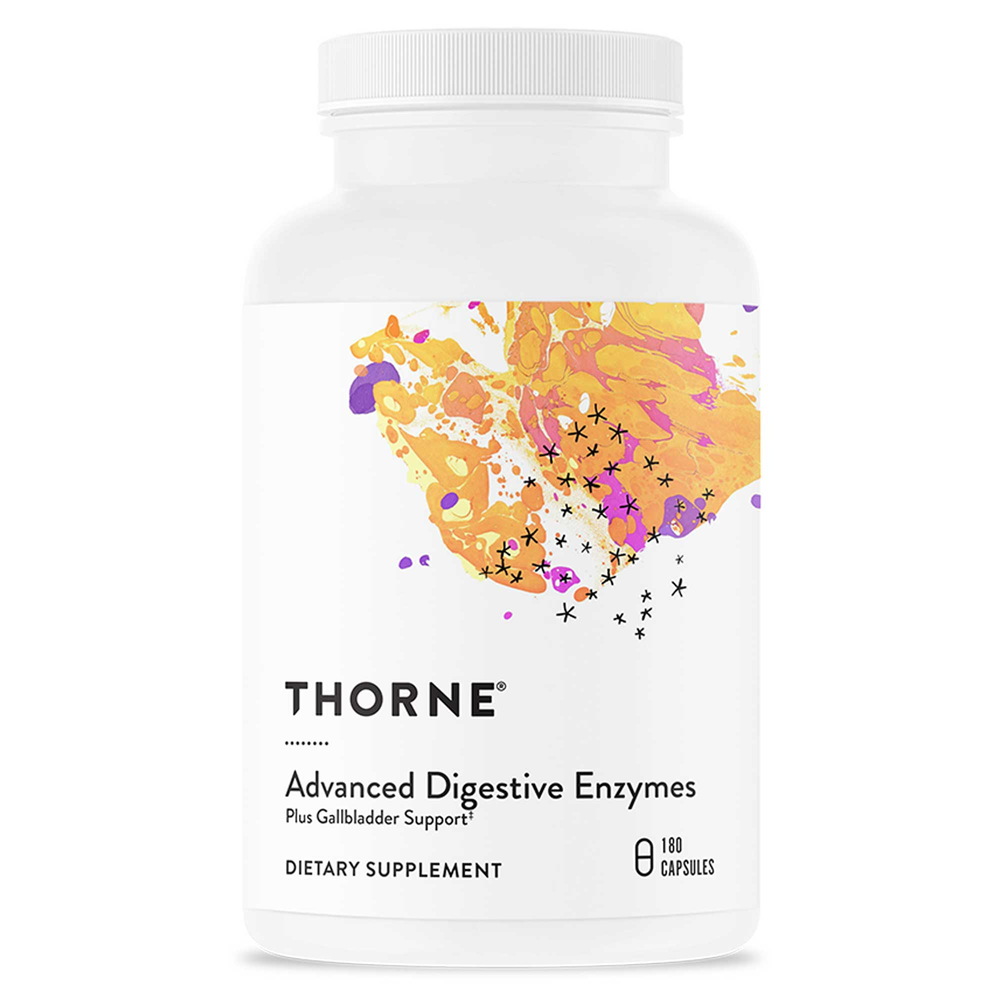
Advanced Digestive Enzymes
Thorne
180 capsules
$56.00$50.40 with Subscribe & Save
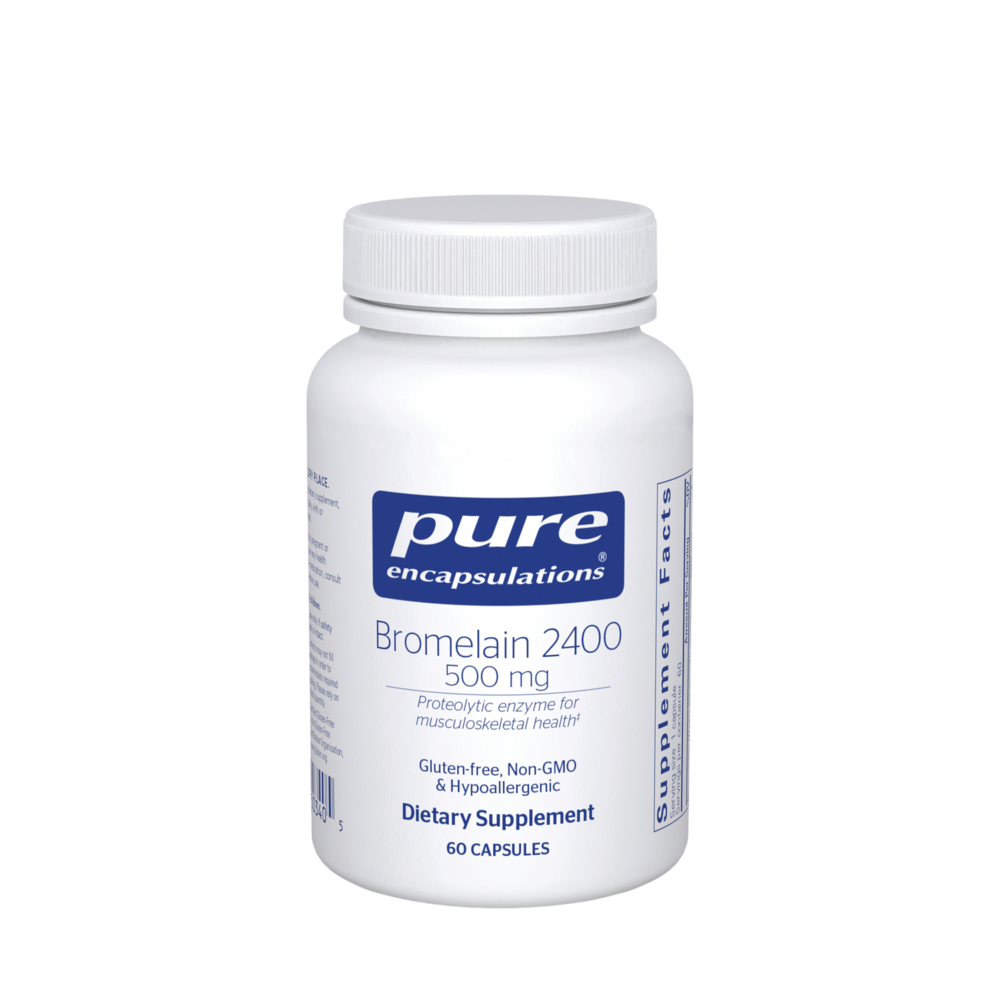
Bromelain 2400 500mg
Pure Encapsulations
60 capsules
$40.00$31.99 with Subscribe & Save
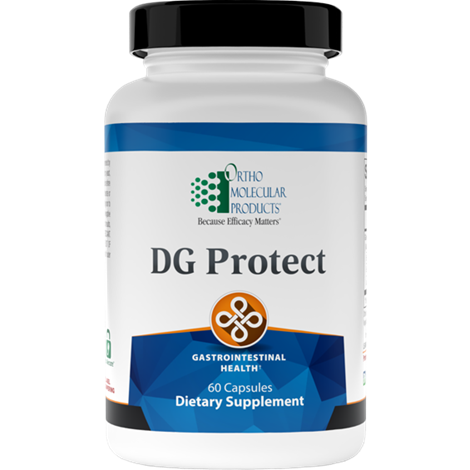
DG Protect
Ortho Molecular Products
60 capsules
$64.44$58.05 with Subscribe & Save
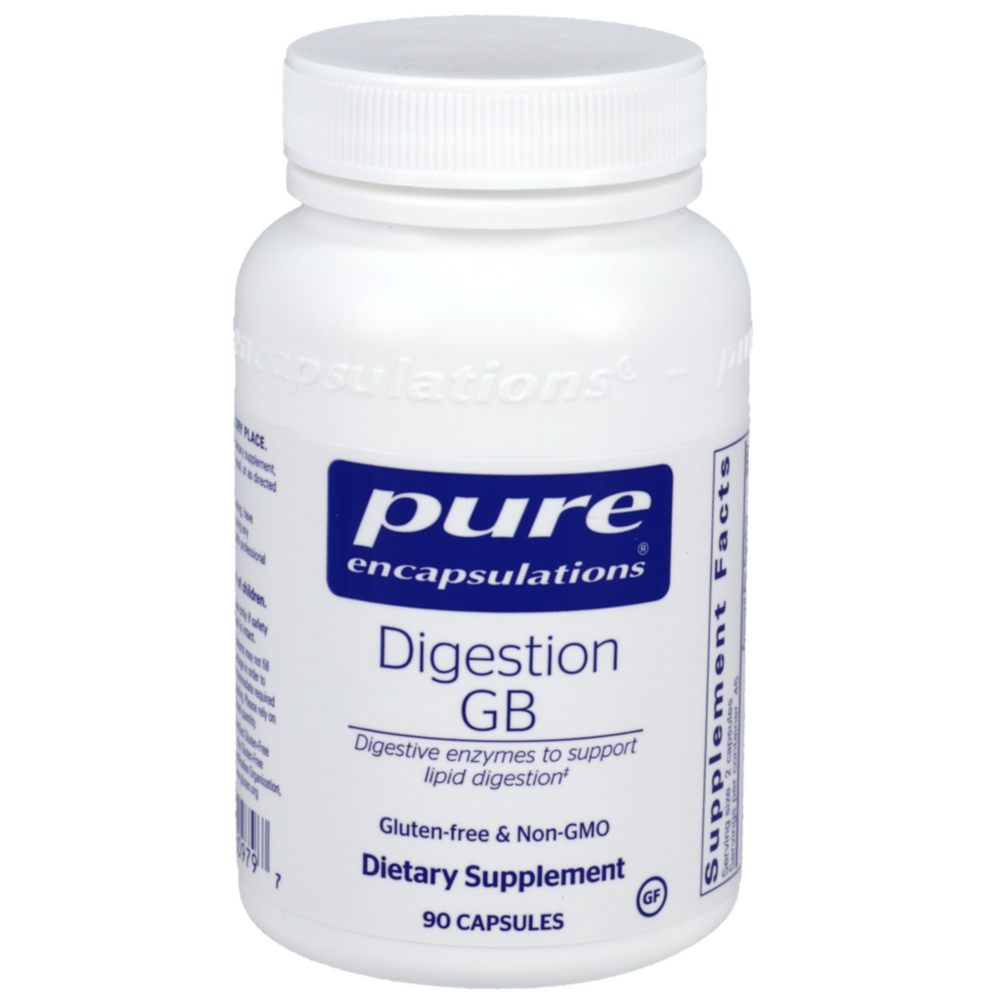
Digestion GB
Pure Encapsulations
90 capsules
$36.50$28.99 with Subscribe & Save